

Coastal dreams: car-free camping in 2026
I’ve spent too many trips fighting for parking at trailheads or paying $20 a day just to let a car sit in the sun. You don't need a vehicle to reach the coast. In 2026, better transit links and shuttle services mean you can haul your tent onto a train and be at the shoreline by sunset without touching a steering wheel.
For years, the idea of beach camping felt tied to road trips, bulky gear, and the freedom of having your own vehicle. Now, with improvements in public transportation, a growing awareness of sustainable travel options, and a desire for simpler vacations, car-free beach camping is finally within reach. We’re seeing a shift – a move away from dominating the landscape to becoming a part of it.
This isn't about sacrificing comfort or adventure. It’s about embracing a different kind of journey. One where the focus is on the destination, the experience, and the freedom of leaving the driving to someone else. Below, we’ll explore some of the most accessible coastal destinations for car-free camping in 2026, offering a blend of stunning scenery, convenient transportation, and the promise of a truly relaxing getaway.
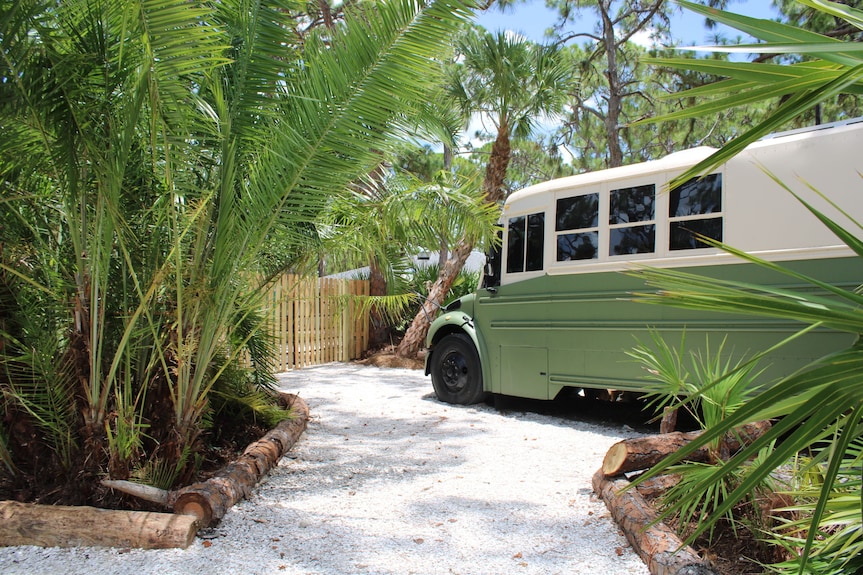
The east coast: trains to sandy solitude
The East Coast, with its relatively dense network of Amtrak and regional rail lines, presents some excellent opportunities for car-free beach camping. Assateague Island National Seashore, straddling the border of Maryland and Virginia, is a standout. You can take Amtrak to Salisbury, Maryland, and then connect via a local bus service – the ESN bus, specifically – to the island. The bus schedule is limited, so careful planning is essential.
Assateague is known for the wild horses that wander right through the campsites. You need to book your spot on the National Park Service site months out—they disappear fast. Keep in mind that alcohol is banned in the Maryland backcountry sites, and you'll need to pack out every scrap of trash you bring in.
Sandy Hook in New Jersey is another fantastic option. Accessible via a ferry from Highlands, New Jersey – which is reachable by New Jersey Transit from New York City – Sandy Hook offers a different kind of beach experience. The ferry ride itself is scenic, and the park offers miles of sandy beaches, historic sites, and walking trails. Be aware that the ferry schedule can vary, so check it before you go.
Further north, consider options along the coast of Maine, though these often require a combination of train and local bus routes and may involve longer travel times. The key is flexibility and a willingness to embrace the journey as part of the adventure. Remember to check for specific campground regulations regarding campfires, pets, and quiet hours before your trip.
California Coast: Buses & Beach Towns
California’s iconic Pacific Coast Highway is often associated with road trips, but it’s surprisingly possible to experience parts of it car-free. Amtrak’s Pacific Surfliner route runs along much of the coast, stopping in towns like Santa Barbara, San Luis Obispo, and Ventura. From these towns, you can connect to local bus lines that serve nearby beaches and campgrounds.
The challenge in California lies in the distances between towns and the limited bus connections. Campsites also tend to fill up quickly, so advanced reservations are crucial. Areas near Santa Barbara, like Refugio State Beach and El Capitan State Beach, are potential options, but require careful planning. Don't underestimate the need to book well in advance – sometimes months ahead.
Further north, towards Monterey and Carmel, public transportation becomes even more limited. However, the scenery is breathtaking, and the rewards are well worth the effort for those willing to put in the planning. Consider using a combination of Amtrak, local buses, and ride-sharing services (though ride-sharing can be expensive).
Be prepared for longer travel times and potentially more walking. California’s car-free beach camping requires a bit more resourcefulness, but the stunning coastline and laid-back beach towns make it a worthwhile endeavor. It’s a slower pace, but a deeply rewarding one.
Gulf Coast Getaways: Florida & Texas
The Gulf Coast offers a different vibe than the Atlantic or Pacific, with warmer waters and a more laid-back atmosphere. Florida’s Gulf Coast is accessible via Amtrak to cities like Tampa and Naples, from where you can connect to local bus routes that serve nearby beaches. Consider exploring areas around Clearwater Beach or Siesta Key.
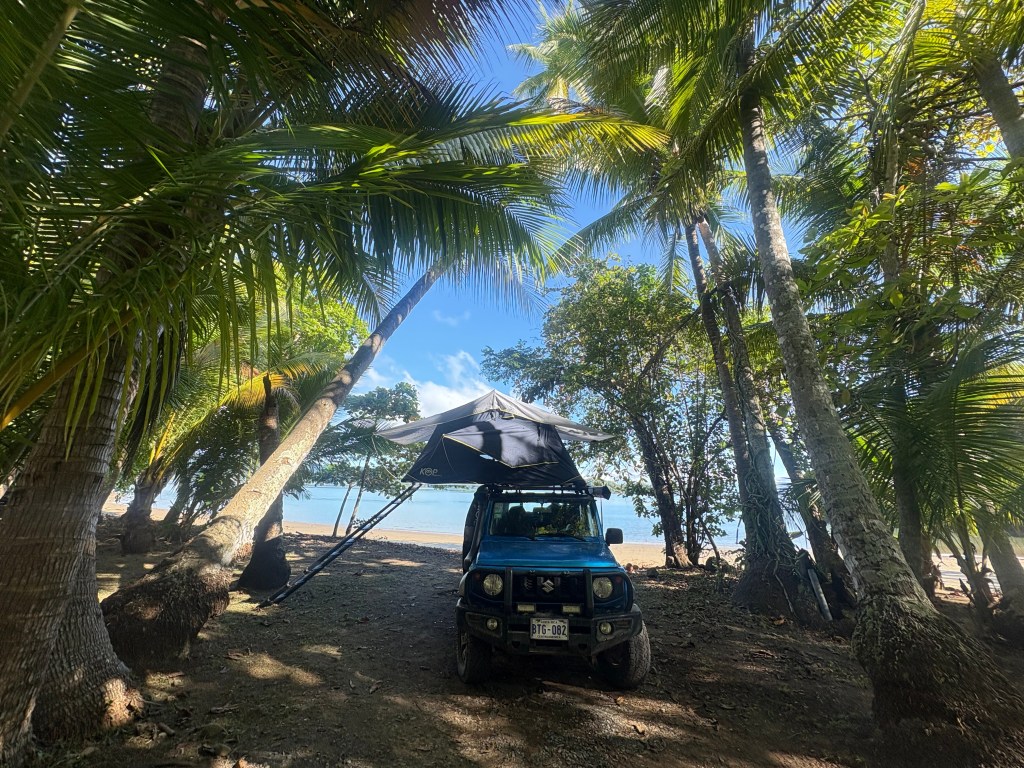
Padre Island National Seashore in Texas presents a unique opportunity, although it's traditionally known for truck camping as seen in videos online (like those on YouTube showcasing the barrier island). While driving on the beach is a popular activity for some, the spirit of that experience – being immersed in the natural beauty of the coast – can be achieved car-free.
You can take Amtrak to Corpus Christi, Texas, and then utilize local bus services or ride-sharing to reach Padre Island. Camping on Padre Island is primitive, meaning there are limited facilities, but the solitude and stunning scenery are unparalleled. It’s a great option for those seeking a truly off-the-grid experience.
Keep in mind that the Gulf Coast can be hot and humid, especially during the summer months. Be sure to pack accordingly and stay hydrated. Also, be aware of potential hurricane threats, especially during hurricane season (June 1st to November 30th).
Gear for the bus and trail
If you're carrying everything on a bus, weight is your biggest enemy. I recommend a 50-liter pack as the limit; anything larger becomes a nightmare in a narrow train aisle. Stick to a sub-three-pound tent and a quilt instead of a bulky sleeping bag to save space.
Your tent should be lightweight and easy to set up. A backpacking tent, designed for carrying long distances, is a good choice. Similarly, opt for a compact and lightweight sleeping bag appropriate for the expected temperatures. Consider a down sleeping bag for maximum warmth-to-weight ratio.
Cooking equipment should be minimal. A small backpacking stove, a pot, and a spork are often sufficient. For water, a water filter or purification tablets are essential. A headlamp is invaluable for navigating around the campsite at night. Don't forget essentials like sunscreen, insect repellent, and a first-aid kit.
To minimize weight without sacrificing comfort, prioritize multi-use items. A bandana can serve as a towel, a headband, or a dust mask. A lightweight camp chair can provide a much-needed respite after a long day of hiking or exploring. Careful planning and a ruthless edit of your packing list are key.
Essential Lightweight Gear for Car-Free Beach Camping Adventures

Anti-Gravity 65L suspension system for comfortable carrying · Adjustable torso length for a custom fit · Integrated raincover for weather protection
This backpack offers ample space and superior comfort for carrying all your beach camping essentials, even on longer treks.

Instant pop-up design for quick setup · Windproof and waterproof construction · Integrated mobile phone stand
Provides immediate shade and protection from the elements, with a convenient phone stand for hands-free use.
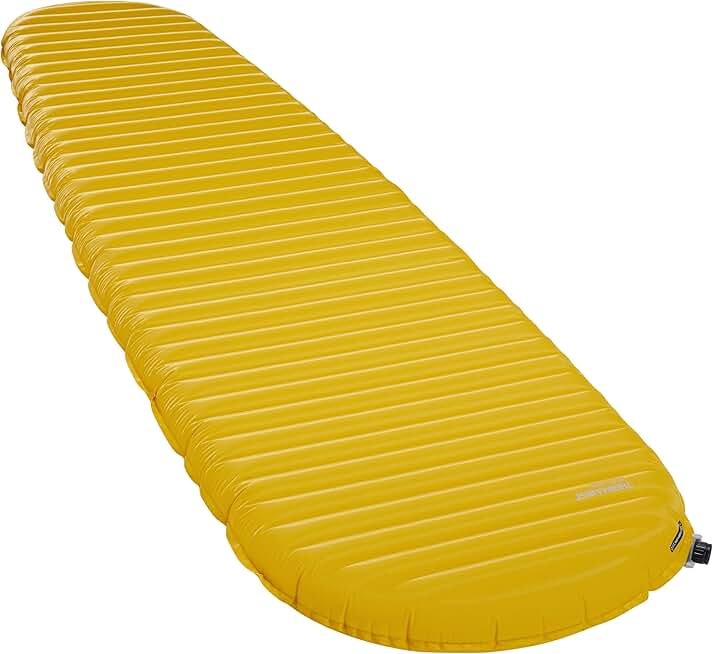
Ultralight and compact design for easy packing · Superior warmth and comfort with advanced insulation · Fast inflation for quick setup
Ensures a comfortable night's sleep without adding significant weight or bulk to your pack.
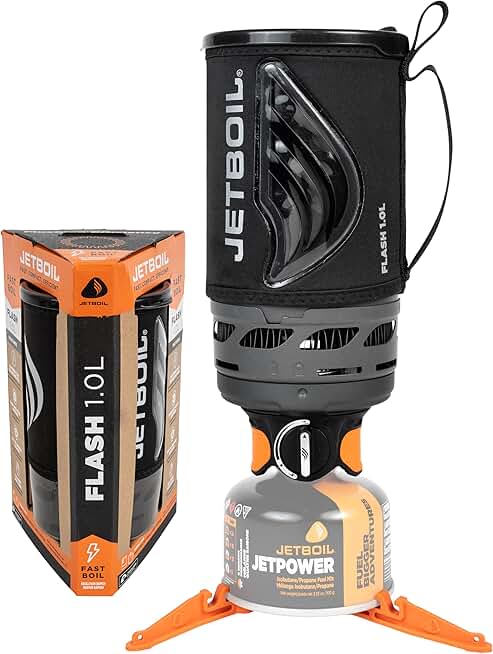
Boils 1 liter of water in just over 2 minutes · One-step auto-ignition for easy lighting · Compact and integrated cooking system
A reliable and efficient way to heat water for meals and drinks, perfect for quick campsite cooking.

Filters up to 1 million gallons of water · Removes 99.9999% of bacteria and protozoa · Lightweight and portable filtration system
Guarantees access to safe drinking water from natural sources, eliminating the need to carry large water supplies.
As an Amazon Associate I earn from qualifying purchases. Prices may vary.
Booking before you go
Successful car-free beach camping hinges on meticulous planning. Start by booking your train and bus tickets well in advance, especially during peak season. Amtrak’s website () and Greyhound () are good places to start.
Campsite reservations are absolutely critical. State park websites and recreation.gov are your best resources for booking campsites. Be prepared to be flexible with your dates and locations, as popular campsites can fill up months in advance. Check each park’s specific reservation policies.
Thoroughly research public transportation schedules and routes. Use online trip planners like Google Maps or Citymapper to map out your journey. Allow for extra time in case of delays or missed connections. Download offline maps to your phone in case you lose cell service.
Finally, pack appropriately for the weather. Check the forecast before you go and bring layers of clothing. Don’t forget rain gear, even if the forecast looks clear. A little preparation can go a long way towards ensuring a smooth and enjoyable car-free beach camping experience.
No comments yet. Be the first to share your thoughts!