

Beyond the parking lot
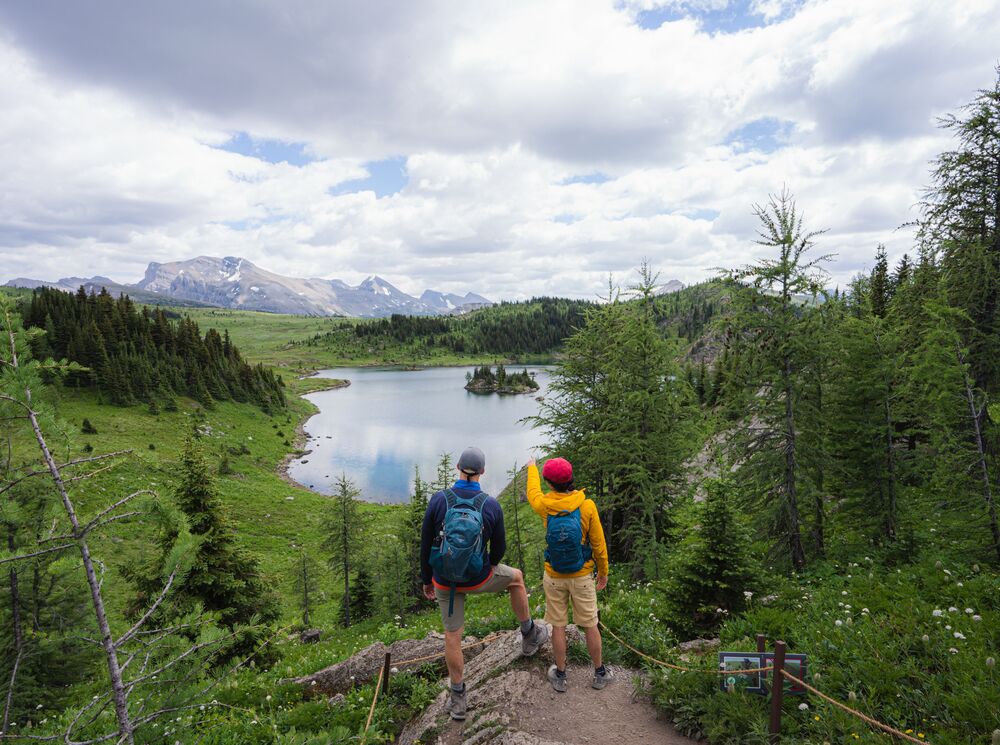
Ditching the car changes how you see a park. Without the stress of finding a parking spot at a crowded trailhead, you actually notice the transition from the valley floor to the ridgeline. It takes more planning, but the payoff is a trip that moves at a human pace rather than a highway one.
The benefits are numerous. Beyond the environmental advantages of reducing carbon emissions, there's a financial gain – no gas, parking fees, or rental car costs. But perhaps the greatest reward is the experiential one: the freedom to fully immerse yourself in the surroundings, to engage with locals, and to discover hidden gems that are often overlooked by those simply passing through. It requires a little more planning, absolutely, but that planning itself becomes part of the adventure.
This isn't to say that national parks are traditionally geared towards visitors without cars. Many have been built around car access. However, a surprising number are accessible, and even enjoyable, without one. We’ve compiled a list of 12 national park destinations that offer a compelling car-free experience, proving that you can explore some of America’s most stunning landscapes without ever needing a key.
How to get there
Getting to a national park without a car requires a bit of foresight, but the options are more plentiful than many realize. Amtrak is a fantastic starting point, with routes serving several parks directly or within reasonable distance. For example, Amtrak’s Empire Builder line stops near Glacier National Park, and the California Zephyr connects to several parks in Utah and Colorado. Greyhound and other intercity bus lines can extend your reach, though these often involve more transfers and longer travel times.
Regional rail lines are another valuable resource, particularly on the East Coast. The Metro-North Railroad provides access to Harriman State Park near New York City, and the Virginia Railway Express can get you close to Shenandoah National Park. Don't underestimate the power of a good old-fashioned bus connection either. Many smaller towns near national parks are served by regional or local bus routes, offering a last-mile solution. Checking websites like Wanderu can help combine options.
Airport connections are often the first step. Look for airports with robust public transportation links to city centers, and then connect to rail or bus services. Ride-sharing services like Uber and Lyft can be tempting, but they come with a cost – both financial and environmental. Consider them a last resort, and be prepared for potential surge pricing or limited availability in remote areas. Planning is key, and booking tickets in advance often yields the best fares.
It's also worth checking if the park itself offers shuttle services from nearby towns or transportation hubs. Some parks have established partnerships with local transit agencies to provide convenient connections for visitors. This information can usually be found on the park’s website or by contacting the visitor center. Be realistic about travel times. A car-free journey will almost always take longer than driving, so factor that into your itinerary.
Car-Free National Park Access 2026
| National Park | Nearest Major Airport | Train/Amtrak Access | Intercity Bus Options | Estimated Travel Time from Nearest City (without a car) |
|---|---|---|---|---|
| Acadia National Park (Maine) | Bangor International Airport (BGR) | Amtrak to Ellsworth (seasonal) | Greyhound to Bangor | 2-4 hours (from Bangor) |
| Cuyahoga Valley National Park (Ohio) | Cleveland Hopkins International Airport (CLE) | Amtrak (to nearby cities like Cleveland) | Greyhound, Megabus to Cleveland | 1-3 hours (from Cleveland) |
| Shenandoah National Park (Virginia) | Washington Dulles International Airport (IAD) | Amtrak to Charlottesville (and connecting local transport) | Greyhound, FlixBus to Charlottesville | 2-5 hours (from Charlottesville) |
| Rocky Mountain National Park (Colorado) | Denver International Airport (DEN) | Amtrak to Denver, then local bus connections | Greyhound, FlixBus to Denver | 3-6 hours (from Denver) |
| Grand Canyon National Park (Arizona) | Phoenix Sky Harbor International Airport (PHX) | Amtrak to Flagstaff (limited service) | Greyhound, FlixBus to Flagstaff | 3-8 hours (from Flagstaff) |
| New River Gorge National Park and Preserve (West Virginia) | Charleston Yeager Airport (CRW) | Amtrak to Charleston (limited service) | Greyhound to Charleston | 1-3 hours (from Charleston) |
| Congaree National Park (South Carolina) | Columbia Metropolitan Airport (CAE) | Amtrak to Columbia | Greyhound, FlixBus to Columbia | 30 minutes - 2 hours (from Columbia) |
| Dry Tortugas National Park (Florida) | Miami International Airport (MIA) | No direct train access | Greyhound to Key West (requires ferry connection) | 8-12+ hours (to Key West, plus ferry) |
Illustrative comparison based on the article research brief. Verify current pricing, limits, and product details in the official docs before relying on it.
12 Car-Free National Park Destinations
Here are twelve national park destinations that are achievable without a car, ranging in accessibility and difficulty. We've included notes on how to get there, what to expect once you arrive, and a subjective difficulty rating for the car-free access – Easy, Moderate, or Challenging.
Acadia National Park (Maine): Accessible via Amtrak to nearby Bangor, Maine, followed by a local bus connection to Bar Harbor. The Island Explorer bus system provides free transportation throughout the park, making it easy to reach trailheads and attractions. Difficulty: Easy. The park is relatively compact and well-suited for biking.
Cuyahoga Valley National Park (Ohio): Served by Amtrak’s Capitol Limited and Lake Shore Limited lines, with stations in Independence and Akron. The Cuyahoga Valley Scenic Railroad operates within the park, offering access to trails and points of interest. Difficulty: Easy. The park’s linear layout makes it ideal for hiking and biking.
Rocky Mountain National Park (Colorado): A more challenging option. Take the Amtrak Winter Park Express train from Denver to Winter Park, then a local shuttle to Estes Park, the gateway town. From there, you can utilize the park’s free shuttle system during peak season. Difficulty: Moderate. The park is large and spread out, requiring reliance on the shuttle.
Shenandoah National Park (Virginia): Amtrak serves nearby Charlottesville and Front Royal, Virginia. From there, you can connect to local bus services or rely on ride-sharing to reach park entrances. The park does not have a comprehensive shuttle system, so hiking and biking are essential. Difficulty: Moderate. Requires more self-reliance.
Grand Canyon National Park (Arizona): Amtrak to Flagstaff, Arizona, followed by a shuttle to the South Rim. The park’s free shuttle system provides access to viewpoints and trailheads along the South Rim. Difficulty: Moderate. The distance from the train station to the park requires planning.
Zion National Park (Utah): Amtrak to Salt Lake City, then a connecting bus to Springdale, Utah. Zion Canyon is car-free for much of the year, with a mandatory shuttle system operating during peak season. Difficulty: Easy. The shuttle system is efficient and well-maintained.
Arches National Park (Utah): Similar to Zion, take Amtrak to Salt Lake City and a connecting bus to Moab. A shuttle system operates seasonally, but hiking and biking are also viable options. Difficulty: Moderate. Moab’s location requires a longer bus journey.
Olympic National Park (Washington): Amtrak to Seattle, then connecting buses to Port Angeles or other gateway towns. The park is vast and diverse, requiring careful planning and potentially some reliance on local transportation. Difficulty: Challenging. The park's size makes car-free exploration difficult.
Mackinac Island National Park (Michigan): A truly unique experience. Ferries from Mackinaw City and St. Ignace provide access to the island, where cars are prohibited. Explore by foot, bike, or horse-drawn carriage. Difficulty: Easy. Completely car-free!
Channel Islands National Park (California): Ferry service from Ventura and Oxnard provides access to the islands. Once on the islands, hiking is the primary mode of transportation. Difficulty: Moderate. Requires careful planning for ferry schedules and island logistics.
Great Smoky Mountains National Park (North Carolina/Tennessee): Greyhound bus service to Gatlinburg or Cherokee, North Carolina. Limited public transportation within the park, so hiking and biking are essential. Difficulty: Challenging. Requires significant self-reliance and planning.
New River Gorge National Park & Preserve (West Virginia): Amtrak to Charleston, WV, followed by a bus to Fayetteville. Limited public transit within the park, but the town of Fayetteville is walkable. Difficulty: Moderate.
What to pack when you're on foot
Packing light is paramount when you're relying on public transport or your own two feet. Every ounce counts. A comfortable backpack (around 40-50 liters) is a good starting point. Prioritize hiking shoes that are well broken-in to avoid blisters. Layers of clothing are essential, as weather conditions can change rapidly, even in summer.
A water filtration system or purification tablets are crucial for staying hydrated on the trail. A basic first-aid kit, including blister treatment, pain relievers, and antiseptic wipes, is non-negotiable. Navigation tools, such as a map, compass, and a phone with offline maps downloaded, are also essential. Don’t rely solely on your phone – batteries can die.
Look for multi-use items to save space and weight. A bandana can serve as a sweatband, dust mask, or first-aid bandage. A lightweight rain jacket can also function as a windbreaker. A headlamp is useful for both nighttime hiking and reading in your tent or lodging. Consider packing travel-sized toiletries to minimize weight and bulk.
- Comfortable backpack (40-50L)
- Well-broken-in hiking shoes
- Layers of clothing
- Sawyer Squeeze or Katadyn BeFree filter
- First-aid kit
- Map, compass, offline maps
Navigating the shuttle systems
Many national parks operate internal shuttle systems, and these can be your lifeline when traveling car-free. Acadia, Zion, and Grand Canyon all have well-established shuttle routes that provide access to key trailheads and attractions. Rocky Mountain National Park also offers a shuttle, but it primarily serves the Bear Lake Road corridor during peak season.
It’s crucial to check the park’s website for the most up-to-date shuttle schedules, routes, and any associated costs. Some shuttles are free, while others require a small fee or a park entrance pass. Be aware that shuttle schedules can change depending on the season and staffing levels. Planning your day around the shuttle schedule is essential.
In some parks, the shuttle is essential for accessing certain areas. In Zion Canyon, for example, private vehicles are prohibited for much of the year, making the shuttle the only way to reach popular trailheads like Angels Landing and The Narrows. Similarly, in Acadia, the Island Explorer bus system is the most convenient way to get around the park.
Don’t assume that all parks have comprehensive shuttle systems. Shenandoah and Great Smoky Mountains, for example, have limited shuttle service, so you’ll need to rely more on hiking, biking, or alternative transportation options. Always have a backup plan in case the shuttle is delayed or unavailable.
Staying Connected (and Safe)
Cell service can be spotty or non-existent in many national parks, particularly in remote areas. It's essential to download offline maps and trail information before you go. Apps like AllTrails and Gaia GPS allow you to access maps and track your progress even without a signal. Be aware that relying solely on your phone can be risky, as batteries can die and devices can malfunction.
Always let someone know your hiking plans, including your route, estimated return time, and emergency contact information. Consider carrying a personal locator beacon (PLB) or satellite messenger, which can be used to send an SOS signal in case of an emergency. Be prepared for changing weather conditions, and pack appropriate clothing and gear.
Be aware of wildlife and take necessary precautions. Store food properly to avoid attracting animals, and carry bear spray in bear country. Stay on marked trails and avoid venturing into unfamiliar territory. Be mindful of your surroundings and be prepared to encounter other hikers, bikers, and wildlife.
Basic safety precautions go a long way. Carry a headlamp or flashlight, even if you don’t plan to hike at night. Pack extra food and water in case of delays. Learn basic first-aid skills and carry a well-stocked first-aid kit. And most importantly, use common sense and trust your instincts.
Community Stories: Car-Free Adventures
“I never thought I could experience a national park without a car, but the shuttle system in Zion made it so easy. It was liberating to not have to worry about parking or traffic, and I was able to fully immerse myself in the beauty of the canyon,” says Sarah M., a recent visitor to Zion National Park.
“Mackinac Island was a dream come true. The absence of cars created such a peaceful and relaxing atmosphere. I spent three days biking around the island, exploring the shops, and enjoying the stunning views,” shares John B., a frequent traveler.
These stories, and many others like them, demonstrate that car-free national park adventures are not only possible but incredibly rewarding. It requires a bit of planning and a willingness to embrace a different pace of travel, but the benefits are well worth the effort.
No comments yet. Be the first to share your thoughts!