

Beyond the Pavement: Why Car-Free Beach Camping is the Future of Coastal Travel
There’s a growing desire for travel that feels…slower. More intentional. Less about ticking off sights and more about genuinely connecting with a place. For coastal adventures, that increasingly means leaving the car behind. Car-free beach camping isn’t just a trend; it’s a response to the environmental impact of driving, the stress of traffic, and a yearning for a simpler way to experience the outdoors.
Cutting out the car keeps emissions off the dunes. I've found that when I'm not hunting for a parking spot, I actually see the tide pools and talk to the people living there. It forces a different kind of planning, admittedly, but that planning often leads to discovering hidden gems you’d miss from the highway.
You can reach the best parts of the coast without a steering wheel. I've looked at transit maps and local ferry schedules to find spots where a bike or a pair of boots is all you need.
I believe that car-free travel isn’t about deprivation; it’s about a shift in perspective. It’s about prioritizing experience over speed, connection over convenience, and sustainability over the status quo. It asks us to rethink how we travel and to embrace a more mindful approach to exploring our planet’s beautiful coastlines.
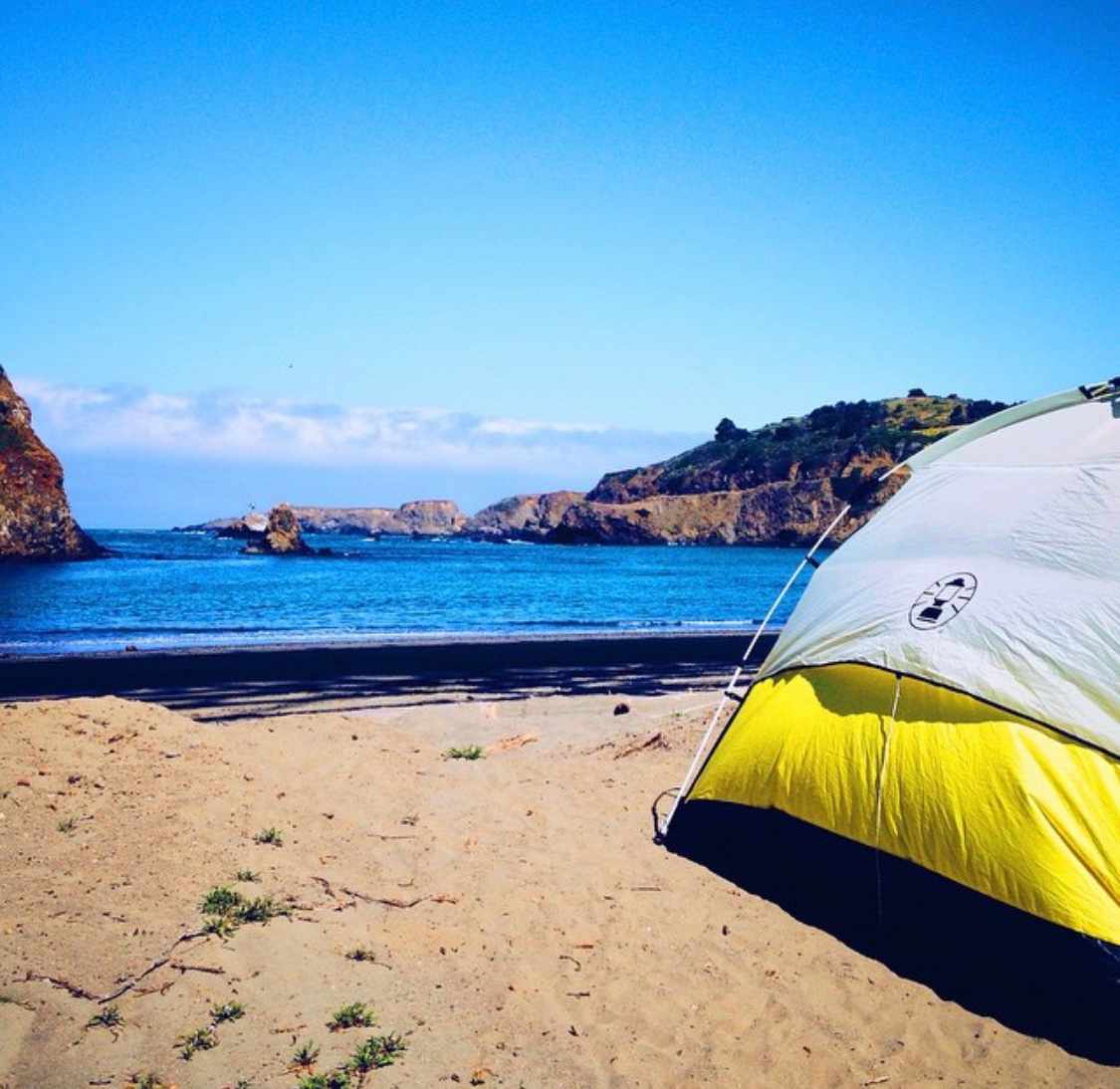
Coastal Hubs: Towns Designed for Foot, Bike, and Ferry
Some towns simply work better without a car. They’re designed for it. These aren’t places where you’ll be stranded; they’re places where you’ll feel liberated. Travel + Leisure’s list of car-free small towns in the U.S. provides a great starting point. Cape May, New Jersey, for example, is incredibly walkable, with Victorian architecture, beaches, and a charming downtown all easily accessible on foot.
Bar Harbor, Maine, is the entry point for Acadia National Park. You can skip the car lines and use the Island Explorer bus, which is free during the summer. I recommend renting a bike from one of the shops on Main Street to reach the Blackwoods Campground.
Getting to these towns car-free requires a bit of planning. Amtrak trains serve many coastal destinations, and bus lines like Greyhound and Peter Pan offer extensive networks. Ferries are also a fantastic option, particularly for reaching island destinations. The Santa Barbara County Action Agency highlights the ease of car-free travel within the county, utilizing trains and buses to reach coastal areas.
The “last mile” problem – getting from the train or bus station to your campground or beach – is real. Be prepared to walk, bike, or utilize local taxis or ride-sharing services. Don't underestimate the importance of a good map and a willingness to explore on foot. Sometimes the most rewarding experiences are found just off the beaten path.
Gear Up: Essential Equipment for a Car-Free Coastal Camping Trip
You have to carry everything you bring, so keep the pack under 30 pounds. I use a Big Agnes Copper Spur because it's under three pounds and handles the Atlantic wind without collapsing. REI sells these, but any double-walled tent works for the humidity.
A compact, lightweight stove is essential for cooking. Jetboil stoves are popular for their efficiency and speed. Don’t forget a water filtration system – a Sawyer Squeeze is a reliable and affordable option. Carrying enough water can be difficult, so the ability to purify water from natural sources is crucial. Food needs to be non-perishable and easy to prepare.
How you transport your gear depends on your mode of transportation. If you’re biking, panniers are a must. Ortlieb panniers are known for their durability and waterproof design. A bike trailer can be helpful for carrying larger items. If you’re relying on public transportation, a comfortable and durable backpacking backpack is essential.
Clothing should be layered to accommodate changing weather conditions. A waterproof jacket and pants are non-negotiable. Don't forget a hat, sunglasses, and sunscreen. Safety equipment, including a first-aid kit, a headlamp, and a whistle, is also essential. Packing strategically – using compression sacks and organizing items by category – will help you maximize space.
Essential Gear for Your Car-Free Beach Camping Adventure
Spacious interior for two people and gear · Durable ripstop nylon construction · Easy setup with color-coded poles
This tent offers a great balance of space, weight, and durability, making it ideal for two people heading to the beach.
Extremely lightweight and compact design · Boils 1 liter of water in just 3.5 minutes · Works with threaded isobutane-fuel canisters
Its small size and efficient performance make this stove perfect for minimalist beach camping where every ounce counts.
Removes 99.9999% of bacteria and protozoa · Attaches directly to included pouch or standard water bottles · Long-lasting filter with a high flow rate
Ensures access to safe drinking water from natural sources, crucial for sustainable beach adventures.
Water-resistant material to protect contents · Universal mounting system fits most racks · Reflective elements for increased visibility
These durable panniers will keep your gear dry and secure as you cycle to your car-free campsite.
High-capacity 20000mAh battery · Integrated solar panel for recharging on the go · Dual USB ports for charging multiple devices
This solar-powered charger provides a sustainable way to keep your essential electronics powered up during your trip.
As an Amazon Associate I earn from qualifying purchases. Prices may vary.
Island Escapes: Reaching Remote Beaches by Ferry and Water Taxi
The allure of island camping is undeniable. The sense of remoteness, the pristine beaches, and the opportunity to disconnect from the everyday world are incredibly appealing. But reaching these destinations requires careful planning, often involving ferries and water taxis.
Channel Islands National Park in California is a prime example. Accessible only by boat, the islands offer stunning scenery, diverse wildlife, and excellent hiking and camping opportunities. Island Packers is the official ferry operator, offering regular service from mainland ports. Reservations are highly recommended, especially during peak season.
Off the coast of New England, several islands offer car-free camping experiences. Block Island, Rhode Island, is accessible by ferry from several mainland ports. The island is small enough to explore by bike or on foot. Nantucket and Martha’s Vineyard, Massachusetts, also offer ferry access and a range of camping options.
Island camping presents unique challenges. Supplies are often limited, so you’ll need to pack everything you need. Weather can be unpredictable, so be prepared for all conditions. Ferry schedules can be affected by weather, so it’s important to check the forecast before you travel. But the rewards – the solitude, the natural beauty, and the sense of adventure – are well worth the effort.
Bike-Powered Adventures: Coastal Routes and Campground Connections
Exploring the coast by bicycle is a fantastic way to experience the scenery, get some exercise, and reduce your environmental impact. Many coastal towns and regions offer dedicated bike paths and routes that connect to campgrounds and beaches.
The Oregon Coast Trail follows the Pacific for 362 miles. It is a rugged route, but many hikers and bikers use the sections near Cannon Beach to hop between state park campgrounds. While not entirely car-free, many sections are easily accessible by bike, and campgrounds are located along the route. Bike rentals are available in many coastal towns.
Parts of the East Coast Greenway, a 3,000-mile cycling and walking route from Maine to Florida, also offer car-free or low-traffic options for coastal camping. The Greenway connects to numerous campgrounds and parks along the Atlantic coast. Local bike shops can provide maps and information about the best routes.
Bike camping requires specific gear. A sturdy touring bike is a good choice, as it’s designed to carry loads. Panniers are essential for carrying your gear. Be sure to pack a repair kit, including a spare tube, tire levers, and a pump. Prioritize safety by wearing a helmet and using lights and reflectors.
Leave No Trace: Responsible Camping for a Sustainable Coast
Protecting the coastal environment is paramount. Car-free travel is a step in the right direction, but it’s not enough. We must also practice responsible camping ethics, minimizing our impact on these fragile ecosystems.
The Leave No Trace principles are the standard here. Pack out your trash, stay on the marked trails to protect the beach grass, and keep your fires in the designated rings. Coastal soil is fragile; once you erode a dune, it doesn't come back easily.pfire impacts, respecting wildlife, and being considerate of other visitors.
On the coast, this means being particularly careful about protecting dunes and vegetation. Avoid walking on dunes, as they are easily eroded. Properly dispose of all trash, including food scraps. Use reef-safe sunscreen to protect coral reefs and marine life. Respect wildlife by observing from a distance and avoiding feeding animals.
Resources like the Leave No Trace Center for Outdoor Ethics (https://lnt.org/) offer detailed information and educational materials. By practicing these principles, we can ensure that future generations can enjoy the beauty of our coastlines.
Planning & Resources: Websites, Apps, and Communities for Car-Free Coastal Travel
Planning a car-free coastal camping trip requires a bit more research, but the resources are out there. Websites like Recreation.gov (https://www.recreation.gov/) allow you to search for campgrounds and make reservations. AllTrails (https://www.alltrails.com/) provides information about hiking and biking trails.
For ferry schedules and bookings, check the websites of individual ferry operators. Rome2Rio (https://www.rome2rio.com/) is a useful tool for planning multi-modal transportation routes, combining trains, buses, and ferries. Google Maps can also be helpful for navigating and finding public transportation options.
Several apps can enhance your car-free travel experience. Maps.me allows you to download offline maps for navigation. WeatherBug provides detailed weather forecasts. iNaturalist helps you identify plants and animals you encounter along the way.
Connecting with other car-free travelers can provide valuable insights and inspiration. Online forums and social media groups dedicated to car-free travel are great places to share tips, ask questions, and find new destinations. Embrace the challenge and enjoy the journey!
No comments yet. Be the first to share your thoughts!