

Why go car-free this year
Car-free beach vacations are shifting from a niche alternative to a mainstream travel choice. The appeal is simple: removing the car removes the stress. Without the need to find unfamiliar parking, pay for expensive resort fees, or worry about rental car insurance, your itinerary becomes lighter and more flexible. You move at the pace of the coast, not the speed limit.
This approach also significantly reduces your carbon footprint. By relying on walking, cycling, or local public transit, you leave a smaller mark on the delicate ecosystems you’ve traveled to see. It’s a way to experience the ocean that feels less like a transaction and more like an immersion.
The scope of car-free beach destinations is expanding. While islands like Caye Caulker in Belize have long been pedestrian paradises, mainland coastal towns are increasingly adapting to foot traffic. From the walkable boardwalks of the Pacific Northwest to the historic, car-restricted streets of European seaside villages, the options for a truly vehicle-free getaway are growing.
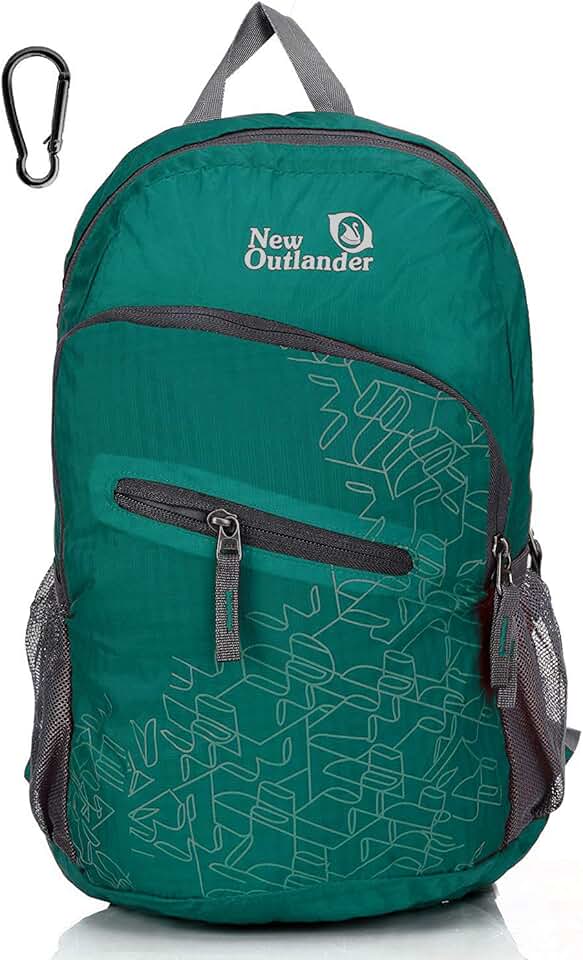
To make the most of this style of travel, having the right gear is essential. You’ll be walking more and carrying your own essentials, so lightweight, durable equipment matters.


As an Amazon Associate, we may earn from qualifying purchases.
Choosing car-free beach vacations means trading the convenience of a personal vehicle for the freedom of movement. It forces you to slow down, observe your surroundings, and engage with the local community in ways that driving through often obscures.
Top island destinations
These islands offer a car-free vacation experience by design, relying on ferries, bikes, and walking paths to connect travelers to their surroundings. The absence of traffic transforms the daily rhythm, turning transit time into part of the adventure rather than a hurdle to overcome.
Daufuskie Island, South Carolina
Often called the "last frontier" of the Lowcountry, Daufuskie Island has no paved roads for cars. Visitors arrive by ferry and traverse the 600-acre island via golf carts, bicycles, or on foot. The landscape is a mix of maritime forest and beachfront, with historic homes and ghost town ruins dotting the route. It is a prime example of car-free vacations where nature dictates the pace. Camping is limited, but the rustic cabins and guest houses provide a quiet retreat away from the mainland grid.
Caye Caulker, Belize
Caye Caulker is a favorite for budget-conscious travelers seeking a car-free Caribbean adventure. The island is just two miles long and one hundred yards wide at its narrowest point, with a main street that prohibits motor vehicles. Bicycles are the primary mode of transport, and the famous "slow boat" ferry connects it to the mainland. The water is shallow and clear, making snorkeling and kayaking instant activities. For gear, a lightweight backpack and quick-dry towel are essential for hopping between beach bars and snorkel spots.
Halibut Cove, Alaska
Located on the Kenai Peninsula, Halibut Cove is accessible only by boat or floatplane. There are no roads connecting it to the rest of Alaska, meaning no cars, no traffic, and no streetlights. The community is a small cluster of homes and a general store, surrounded by wilderness. Visitors come for the fishing, hiking, and wildlife viewing. It is a rugged car-free vacation spot that requires planning for supplies, but the isolation is the main draw.
| Island | Primary Transport | Camping Available | Best Season |
|---|---|---|---|
| Daufuskie Island, SC | Golf cart, bike, walk | Limited (cabins) | Spring, Fall |
| Caye Caulker, Belize | Bike, walk | No (hostels) | Dec-Apr |
| Halibut Cove, AK | Boat, plane, walk | No (lodges) | Summer |


As an Amazon Associate, we may earn from qualifying purchases.
Coastal towns with transit
Mainland coastal cities often offer the best balance of beach access and urban convenience. Places like New Orleans, Philadelphia, and Charleston have dense neighborhoods where a rental car is more of a burden than a help. You can walk from your hotel to the waterfront, grab dinner, and catch a rideshare or bus home without ever leaving the city center.
For those who prefer a slower pace, smaller beach towns are increasingly car-free friendly. Redondo Beach in California and parts of Pensacola, Florida, have compact boardwalks and reliable local transit. You can spend your days on the sand and your evenings exploring local shops without the stress of finding parking or dealing with traffic.
The key to a successful car-free beach vacation is choosing a destination with walkable infrastructure. Look for towns where your hotel, the beach, and dining options are within a mile of each other. This setup lets you focus on the ocean rather than the road.
To make your trip smoother, pack light and bring the right gear. A durable beach bag and comfortable walking shoes are essential for moving along city streets and sandy paths alike.


As an Amazon Associate, we may earn from qualifying purchases.
Gear for car-free beach trips
Moving between transit hubs and your beach campsite without a car means every ounce matters. You are carrying your entire home on your back or in a wheeled bag, so lightweight, durable gear is the only way to make car-free vacations enjoyable. Heavy tents and bulky cookware turn a relaxing getaway into a workout.
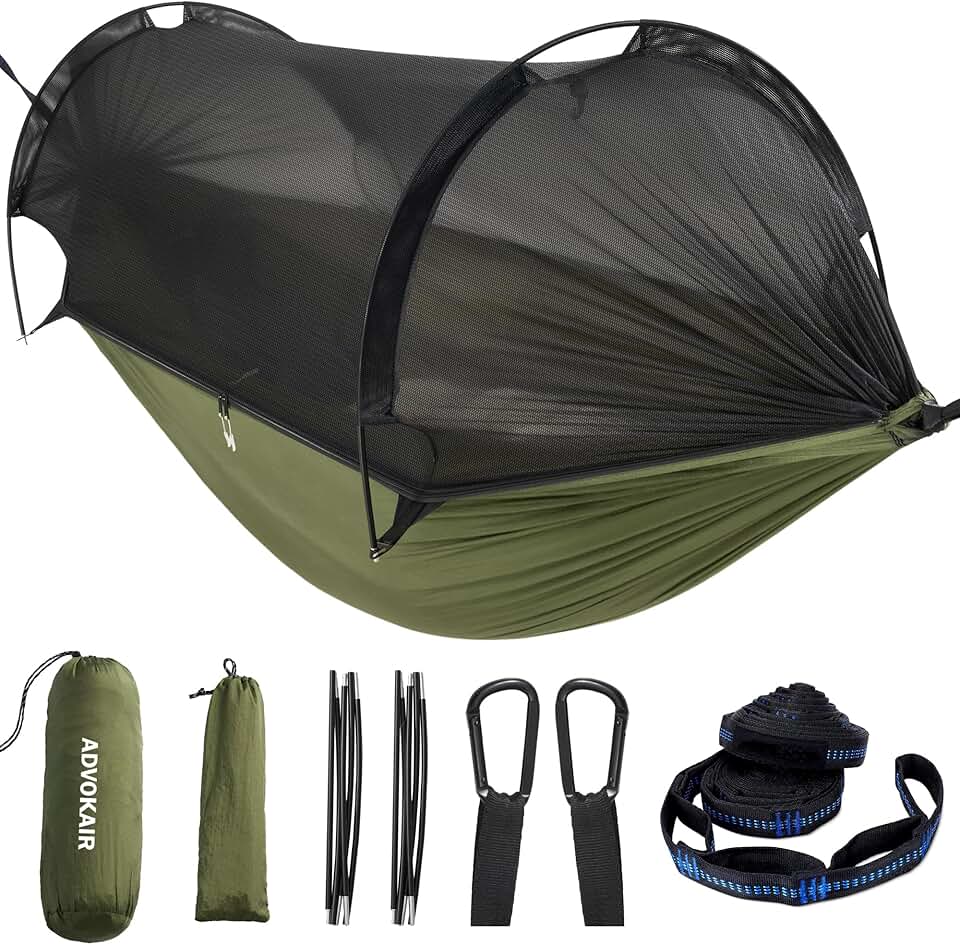
Focus on items that serve multiple purposes and pack down small. A single hammock can replace a tent and a chair. A compact stove replaces a full kitchen set. The right gear lets you walk the sand without feeling the weight of your shelter and supplies.
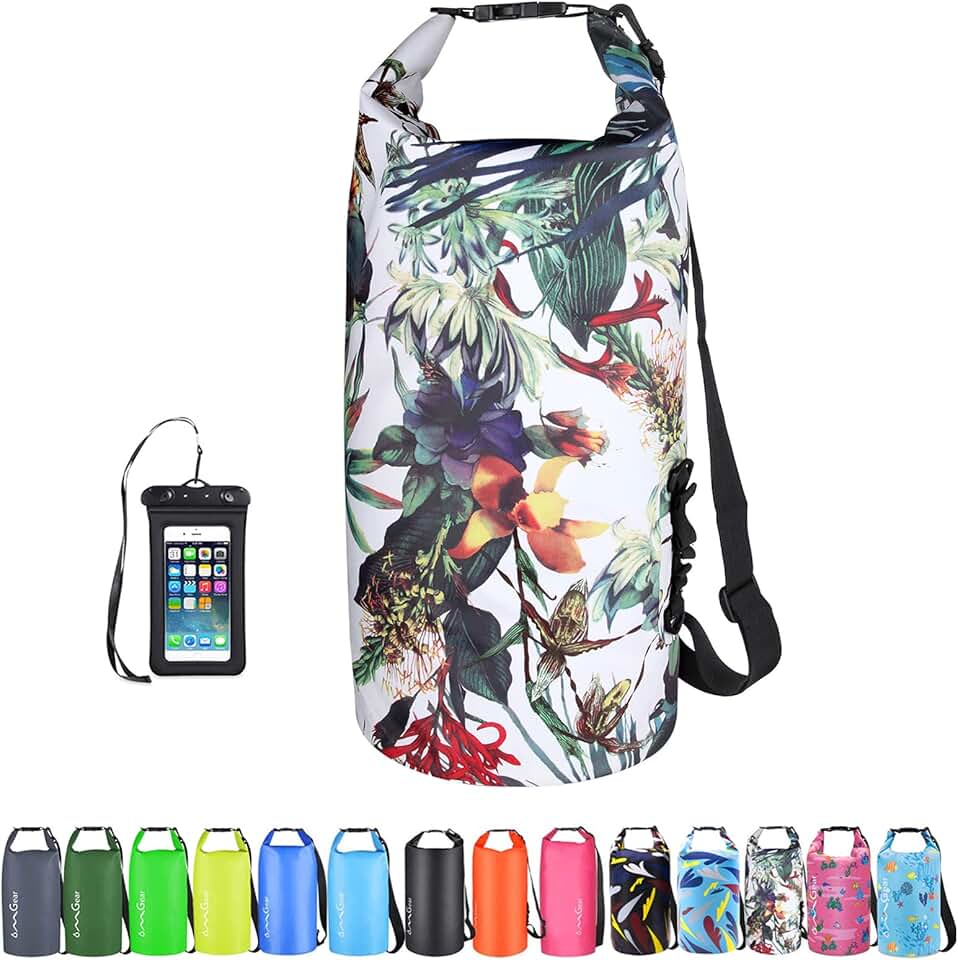
The products below are selected specifically for travelers who need to carry their gear over sand or public transport. They prioritize low weight and high durability, ensuring your car-free beach vacation remains stress-free from the airport to the shore.


As an Amazon Associate, we may earn from qualifying purchases.
Planning your car-free trip
Booking a car-free beach vacation requires shifting your mindset from driving to coordinating. Without a vehicle, every movement depends on schedules, reservations, and walking distance. A small oversight with a ferry ticket or bike rental can derail your entire itinerary, so organization is your most valuable travel accessory.
Start by locking in your transit. Ferries and shuttles often sell out weeks in advance, especially during peak summer months. Check the specific booking windows for your destination’s primary transport links. If you plan to explore the coastline, reserve bike rentals early; many small island shops have limited fleets that vanish quickly.
Finally, verify your accommodation and camping permits. Some car-free destinations restrict vehicle access entirely, meaning you must carry all gear or confirm if your lodging provides storage. For camping, ensure you have the required permits printed and ready, as there are often no convenience stores nearby to buy them on arrival.
Transit schedules dictate your freedom. Reserve tickets for ferries, trains, or airport shuttles as soon as your dates are fixed. Many popular car-free destinations have limited daily capacity, and last-minute bookings often result in sold-out status or significantly higher prices.

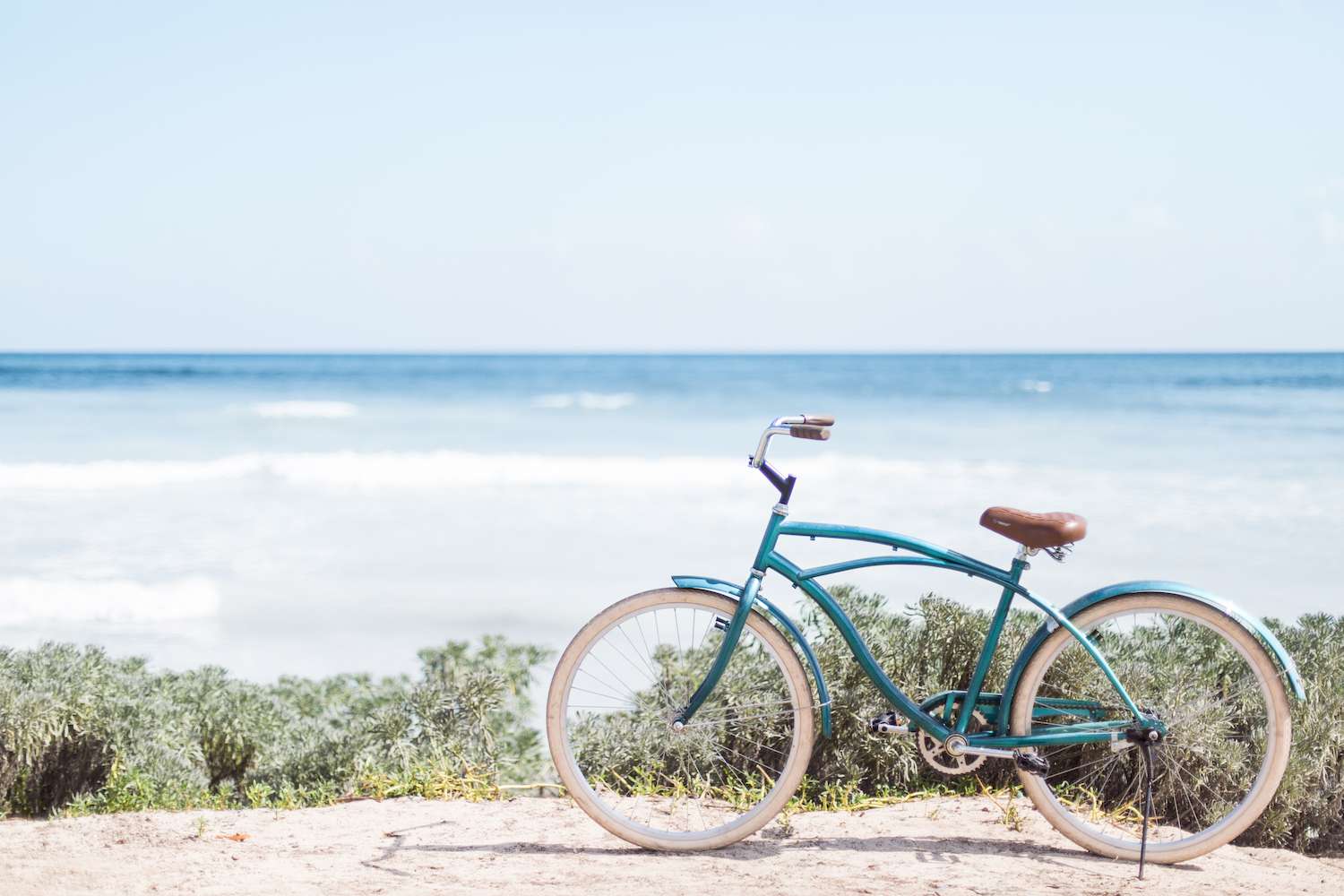
Bikes are the primary engine of exploration in car-free zones. Contact local shops to reserve your size and type in advance. If you need specialized gear like snorkels or beach chairs, check if your accommodation includes them or if local rentals are available to avoid overpacking.

Many pristine car-free beaches require permits for entry or camping. These are rarely available for purchase on-site. Download digital copies of all permits and keep physical backups, as cell service can be unreliable in remote coastal areas.


As an Amazon Associate, we may earn from qualifying purchases.
Frequently asked: what to check next
Which Caribbean island do you not need a car?
Caye Caulker in Belize is a top choice for car-free Caribbean travel. This smaller, less-crowded island offers an affordable alternative to Ambergris Caye. You can snorkel mangroves, kitesurf, or relax at local bars without ever needing a vehicle.
Are there US cities near the beach that are walkable?
Yes. Charleston, South Carolina, and Boston, Massachusetts, are often cited as viable options for travelers without a car. Both cities offer dense walkable neighborhoods and reliable public transit, making them accessible even if they aren't directly on the coastline.
What gear should I pack for car-free beach trips?
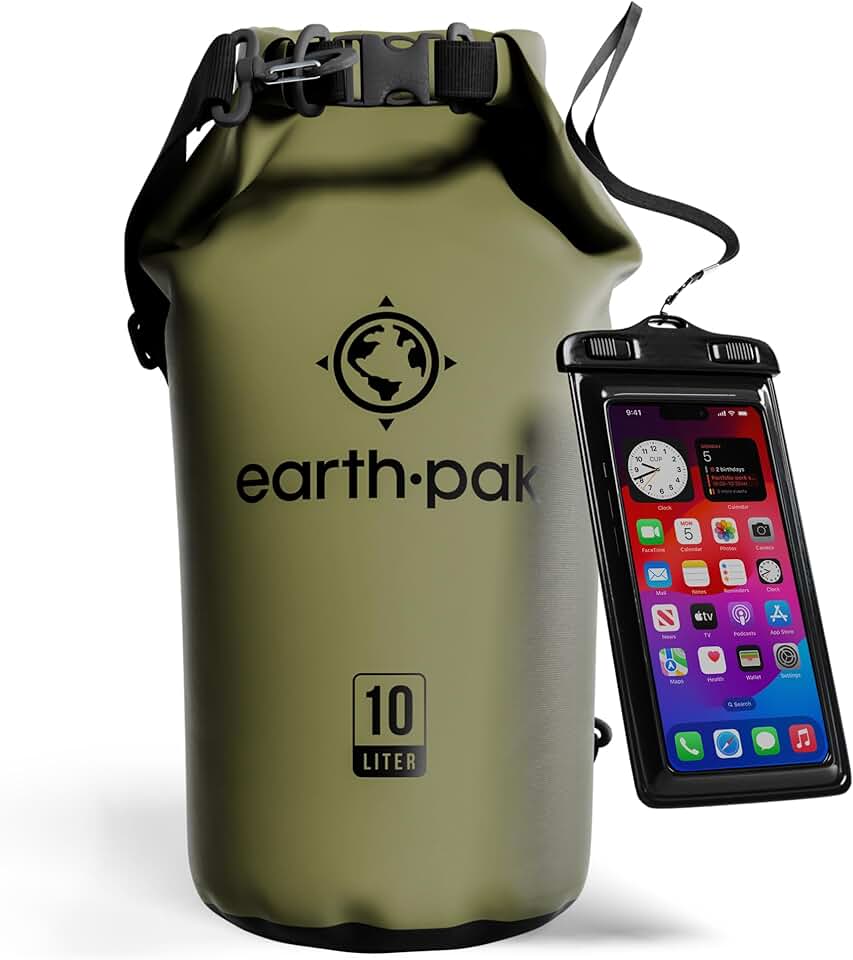
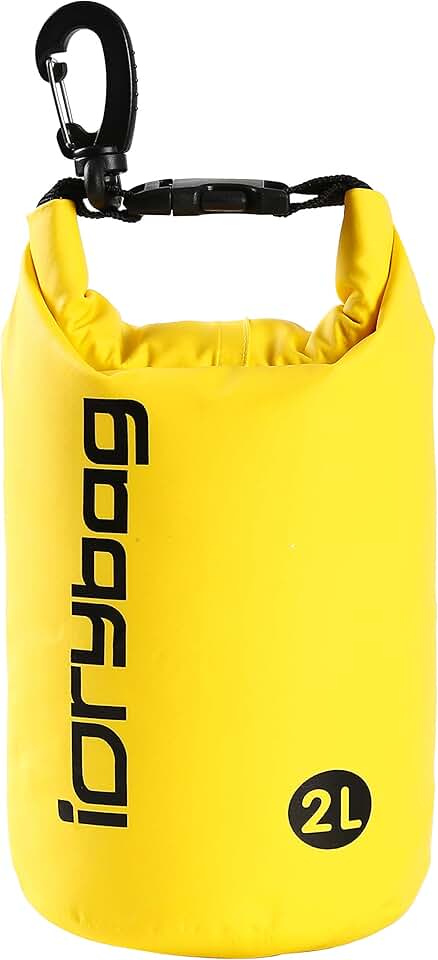
Since you’ll be carrying your belongings on foot or public transport, lightweight and compact gear is essential. Consider packing a quick-dry towel, a waterproof dry bag for electronics, and sturdy sandals that work for both beach and city walking.



As an Amazon Associate, we may earn from qualifying purchases.
No comments yet. Be the first to share your thoughts!