
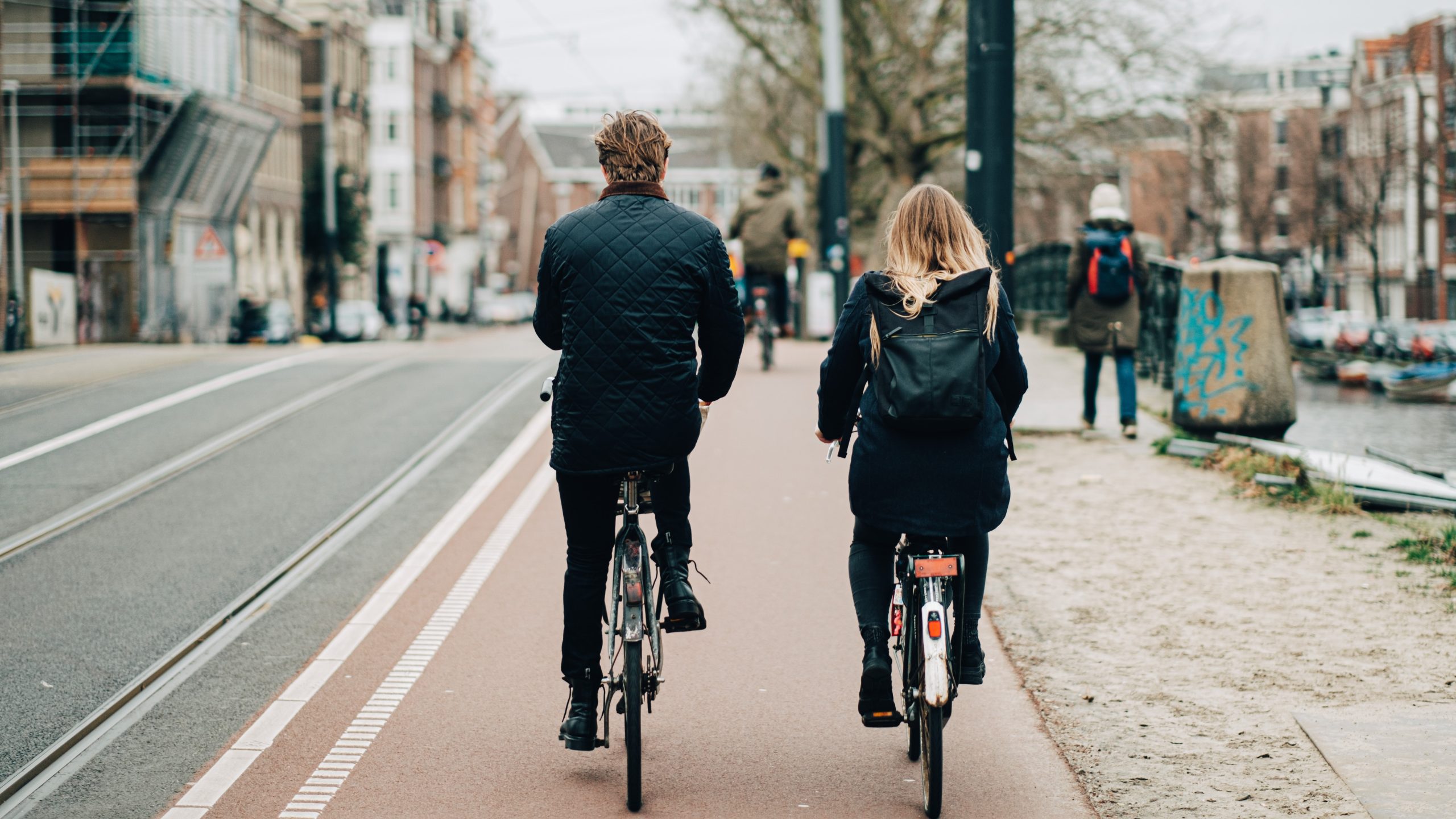

Why infrastructure matters for car-free living
Being bike-friendly is not just about having a few painted lines on the road. It is about building protected lanes and safe intersections that allow anyone to commute without fear of traffic. When cities prioritize physical separation between cyclists and cars, the number of people willing to leave their keys at home rises significantly.
Protected lane density is a stronger predictor of commuter safety than total bike lane miles. A city can have hundreds of miles of shared paths, but if they end abruptly at dangerous intersections, they fail the car-free test. True infrastructure connects homes to workplaces with continuous, shielded routes.
Key metric: Protected lane density per capita is a stronger predictor of commuter safety than total bike lane miles.
Organizations like the League of American Bicyclists and PeopleForBikes evaluate cities based on these tangible safety features rather than just cultural enthusiasm. They look for concrete evidence that the built environment supports daily cycling as a reliable mode of transport, not just a weekend hobby.
Top US cities for daily cycling
The landscape of American bike commuting has shifted dramatically in recent years, moving beyond the traditional strongholds of Portland and San Francisco. While European capitals still lead in infrastructure density, several US cities have built robust networks that make car-free commuting a practical, daily reality. The difference now lies in the specifics: protected lane mileage, safety scores, and the sheer connectivity of the grid.
San Francisco remains a heavyweight in the US cycling conversation. Its dense urban core and dedicated bike lanes make it the most walkable and bikeable major city in the country for many residents. The city’s topography demands effort, but the infrastructure rewards it with direct, often car-free routes through neighborhoods that were once dominated by traffic. Minneapolis, conversely, offers a flatter, grid-based alternative. Its extensive network of protected lanes and winter maintenance protocols ensures that commuting remains viable even when snow covers the ground, a critical advantage for year-round reliability.
New York City’s transformation is perhaps the most visible. Once defined by its gridlock, the borough has added thousands of miles of protected bike lanes, particularly in Brooklyn and Queens. This infrastructure has not only improved safety but has also integrated cycling into the daily commute for hundreds of thousands of New Yorkers. Washington DC and Boston round out the top tier, offering historic charm mixed with modern, protected infrastructure that prioritizes cyclist safety over vehicle speed.
To navigate these varying terrains and conditions, the right gear is essential. Whether you are tackling San Francisco’s hills or Minneapolis’s winter streets, having the right equipment can make the difference between a pleasant commute and a struggle.
Essential Gear for Urban Commuting
Choosing the right bike and accessories is the first step toward a successful car-free commute. The following products are selected for their durability, safety features, and suitability for daily urban use.


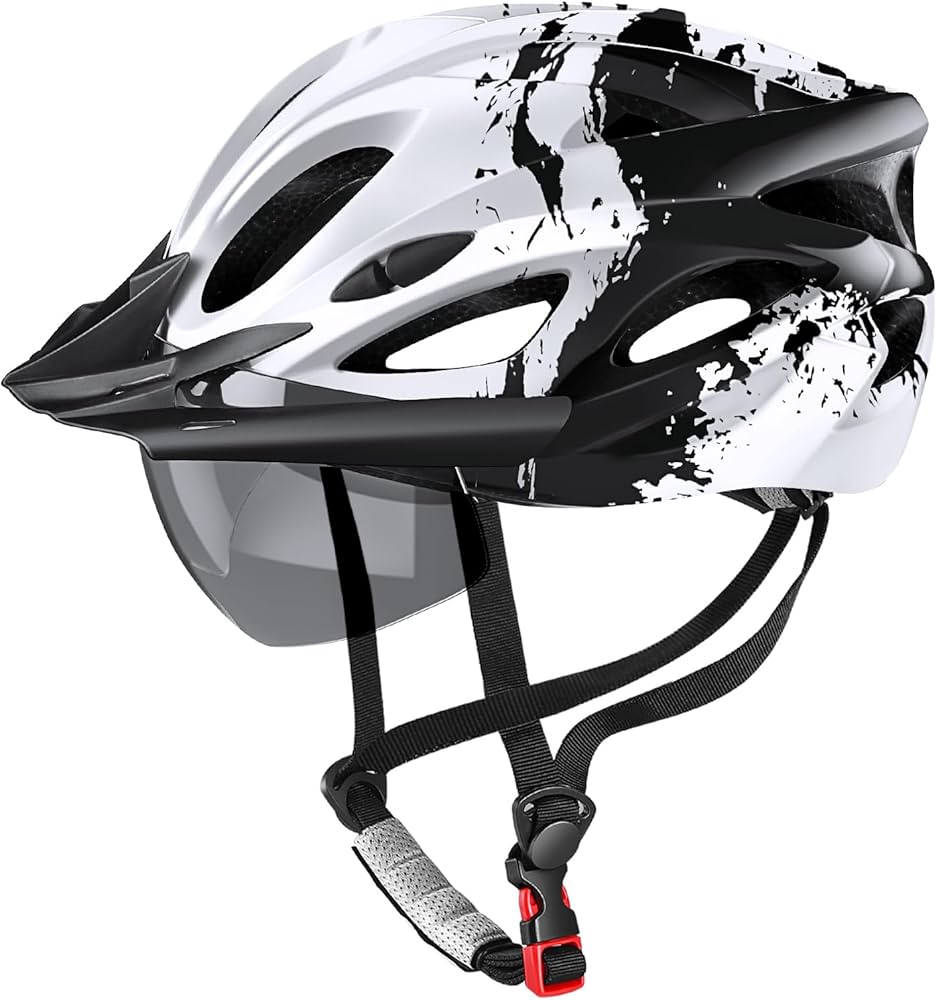

As an Amazon Associate, we may earn from qualifying purchases.
Comparing the Top US Cycling Cities
The table below compares the top US cities for bike commuting based on key infrastructure and safety metrics. These figures highlight why certain cities stand out for daily riders.
| City | Protected Lane Miles | Safety Score (1-10) | Avg. Time Saved vs Car |
|---|---|---|---|
| San Francisco | 150+ | 7.2 | 15-20 mins |
| Minneapolis | 100+ | 8.1 | 10-15 mins |
| New York | 200+ | 6.8 | 20-30 mins |
| Washington DC | 80+ | 7.5 | 12-18 mins |
| Boston | 60+ | 7.0 | 10-15 mins |
Global leaders in urban cycling
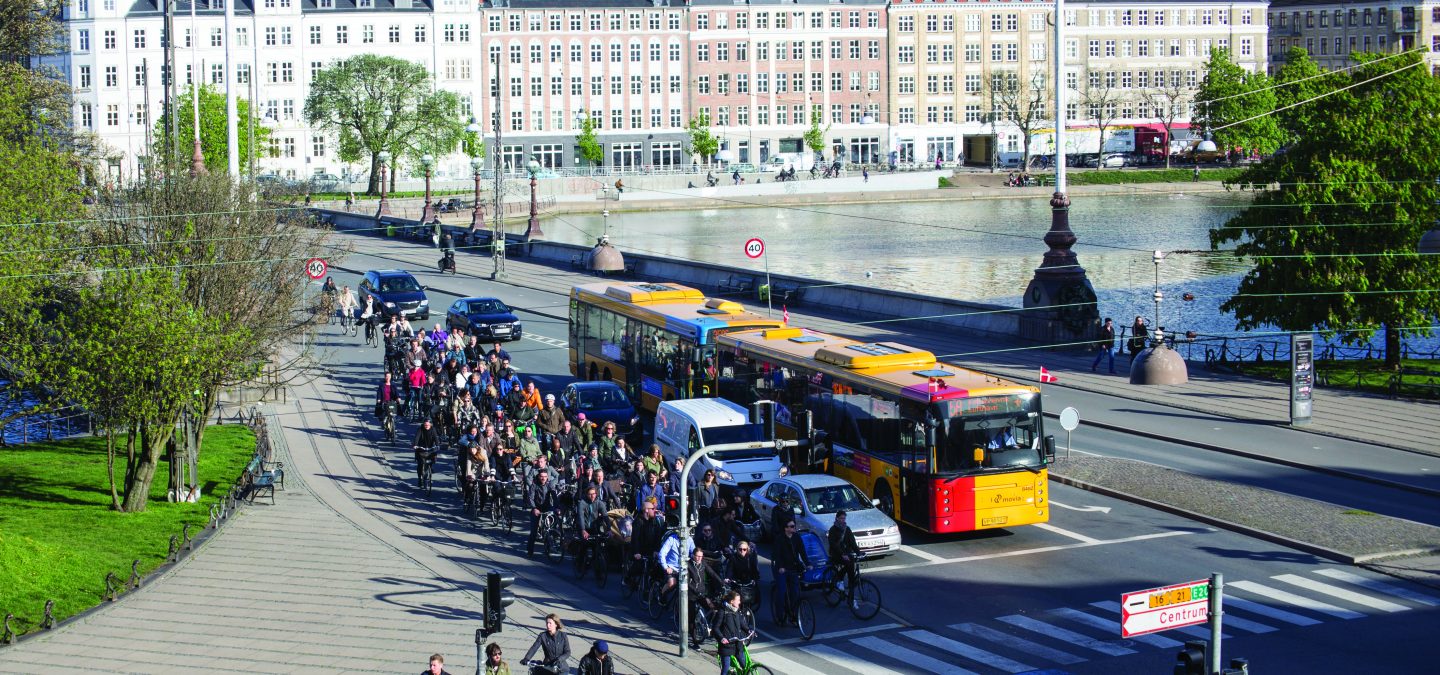
Copenhagen and Utrecht have redefined what a car-free commute looks like. These cities don't just add bike lanes; they engineer entire ecosystems where cycling is the default choice. The result is a shift from abstract planning to concrete, rideable infrastructure that prioritizes safety and flow over speed.
In Copenhagen, the infrastructure is dense and deliberate. The city boasts 52 km of protected bicycle lanes for every 100 km of roadway, creating a grid that feels like a highway for bikes. This density allows cyclists to bypass traffic entirely, turning a potential 45-minute car commute into a focused 20-minute ride. The design philosophy is simple: separate bikes from cars physically, not just with paint.
Utrecht takes this a step further with scale. The city hosts the world's largest bicycle parking facility, capable of holding over 12,500 bikes beneath the central station. This isn't just about storage; it's about signaling that cycling is the primary mode of transport. The integration of secure parking, covered repair stations, and heated seats at major hubs removes the friction that stops people from cycling in bad weather.
The lesson for other cities is clear: bike-friendliness isn't about adding one lane. It's about building a complete network that makes cycling the most logical, safe, and efficient option. When infrastructure matches the demand, the culture follows.
Essential gear for car-free commuters
Switching to a car-free commute requires more than just a bicycle; it demands a reliable system for transport and protection. The right equipment turns a daily slog into a manageable routine, handling everything from heavy rain to the weight of a laptop. You need gear that works as hard as you do, ensuring you arrive at your destination dry, organized, and on time.
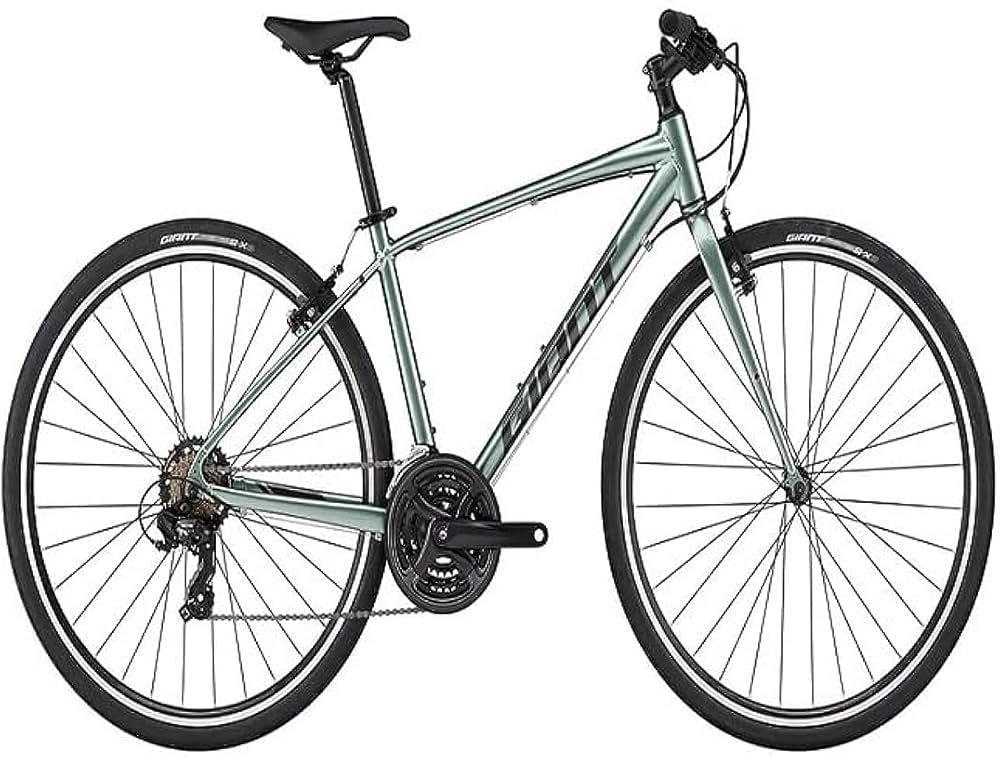
The foundation of any car-free commute is the bike itself. For urban environments, a hybrid or city bike offers the stability and upright riding position needed for traffic navigation. Models like the Giant Escape 3 provide durable frames and reliable gearing for stop-and-go city streets. If your commute involves more distance or varied terrain, a gravel bike like the Trek FX 3 Disc offers versatility without sacrificing comfort. These bikes are built to last, with components that withstand daily wear and tear far better than recreational models.
Weather is the biggest enemy of the car-free commuter. A high-quality rain suit, such as the Castelli Perfetto Rain Jacket, keeps you dry without trapping excessive heat. For shorter, lighter showers, a packable poncho like the REI Co-op Flash Poncho is a lightweight backup. Visibility is equally critical; reflective gear like the NiteIvy LED Backpack Light ensures drivers see you from a distance, while a bright headlight like the Cateye HL-EL135 illuminates your path in low-light conditions.
Carrying your work essentials requires a secure, weather-resistant bag. A pannier system, such as the Ortlieb Back-Roller Classic, attaches directly to your bike rack, keeping your center of gravity low and your back dry. For those who prefer a backpack, the Swagtru Waterproof Commuter Backpack offers ample padding for laptops and reflective strips for safety. These bags are designed to protect your electronics and documents from the elements, making them indispensable for the daily rider.


As an Amazon Associate, we may earn from qualifying purchases.
Planning your bike-friendly move
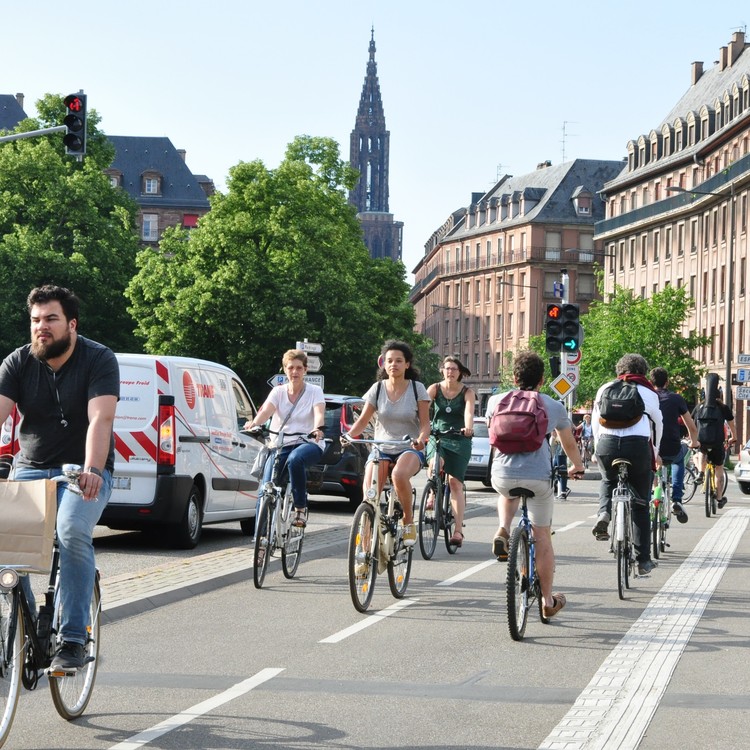
Choosing a city for car-free commuting requires looking beyond the obvious infrastructure. You need to verify that bike lanes actually connect your home to your workplace, not just loop through parks. A dense network of protected lanes matters more than the total mileage of cycling paths in the city.
Evaluate the integration with public transit. If your commute involves a train or bus, check for secure bike parking at stations and whether carriers allow bicycles during peak hours. This integration turns a 10-mile ride into a manageable 5-mile ride with a transit backup.
Calculate the true cost of living by comparing rent against car ownership savings. While bike-friendly cities often have higher housing costs, you eliminate insurance, fuel, maintenance, and depreciation. Use this checklist to assess your options before signing a lease.


As an Amazon Associate, we may earn from qualifying purchases.
Common questions about bike commuting
Navigating city streets on two wheels requires more than just a bicycle; it demands the right gear and an understanding of urban cycling dynamics. Whether you are choosing your first city ride or upgrading your commute, here are answers to the most frequent questions about bike-friendly destinations and training.
What are the most bicycle-friendly cities?
San Francisco leads the pack for US cyclists, offering dedicated bike lanes, extensive bike-sharing programs, and a supportive community. For global benchmarks, Copenhagen and Utrecht set the standard with protected infrastructure that makes car-free commuting safe and efficient for riders of all ages.
What is the 80% rule in cycling?
The 80/20 rule suggests that 80% of your weekly cycling time should be at low intensity, while only 20% is moderate-to-high intensity. This approach builds endurance without burnout, allowing you to recover faster and ride longer distances without excessive fatigue.
Which city is the most bike-friendly?
Copenhagen holds the title for the world's highest density of cycling infrastructure. With 52 km of protected bicycle lanes for every 100 km of roadway, it provides a model for how cities can prioritize cyclists over cars, making it the gold standard for car-free commuting.
No comments yet. Be the first to share your thoughts!