

decide if car-free living fits your routine
Before you sell the car or cancel the lease, treat this decision like a pilot program rather than a permanent vow. The transition to a car-free lifestyle in walkable cities requires honest self-assessment regarding your daily rhythms, physical capacity, and financial baseline. If your routine relies on unpredictable travel to remote locations or involves transporting heavy, bulky items regularly, the friction of car-free living may outweigh the benefits.
Start by mapping your typical week. Note every trip you take, the distance, and the purpose. Are these trips primarily within a 1-2 mile radius where walking or biking is viable? Do you have access to reliable public transit for longer commutes? If your life is anchored in a dense urban core with mixed-use zoning, the infrastructure already supports a car-free existence. If you find yourself constantly driving to the suburbs for groceries or errands, the convenience gap might be too wide to bridge comfortably.
Financial reality is often the strongest motivator. Beyond the obvious savings on insurance, gas, and maintenance, consider the hidden costs of ownership like parking fees and depreciation. Conversely, budget for the new expenses: transit passes, bike maintenance, and occasional ride-share services for nights out or heavy hauling. Most people report that their overall spending decreases significantly, but the cash flow shift happens immediately, while the savings accumulate slowly.
Health and well-being are rarely quantified in spreadsheets but are frequently cited as the most surprising benefits. Removing the insulated bubble of a car forces you into your environment. You get more sunlight, breathe fresh air, and engage in natural movement throughout the day. This isn't just about weight loss; it's about the mental clarity that comes from ending the daily stress of traffic and parking.
Test the waters before making it permanent. Try going car-free for one month. Use a bike for short trips and transit for longer ones. If you find yourself resenting the effort or missing the convenience too much, it might be better to keep a single car for emergencies. But if you feel lighter, more active, and less anxious about your commute, you are ready to commit.
Map your daily trips and transit options
Before you sell the car, you need a clear picture of where you actually go. Most people overestimate their car-free readiness because they only think about the commute. A realistic audit reveals the hidden friction points in your weekly routine, from grocery runs to weekend errands.
1. List every weekly trip
Grab a notebook or open a spreadsheet. Write down every place you visit in a typical week. Include work, school, the grocery store, the gym, and social outings. Be honest about frequency. If you go to the same coffee shop three times a week, list it three times. This baseline data is the foundation of your transition.
2. Check transit and walk times
For each destination, calculate the travel time using public transit, walking, or biking. Do not rely on driving times. Use apps like Citymapper or Google Maps to find real-world schedules. You will likely find that some trips are faster on foot than by car, while others require significant planning. Note the longest travel times; these are your potential deal-breakers.
3. Identify accessibility gaps
Look for destinations that are more than 30 minutes away by foot or transit. These are your gaps. Common problem areas include large big-box stores, specialized hardware shops, or friends’ houses in sprawling suburbs. Mark these clearly. You will need specific strategies for these trips, such as bulk ordering online or using ride-share services occasionally.
4. Plan alternative solutions
For each gap, define a concrete alternative. Can you consolidate errands into one weekly trip? Is there a local shop that serves the same purpose? If you must travel far, when will you use a car-share service like Zipcar? Having a plan for the difficult trips removes the anxiety of being stranded.
5. Test your routes
Before committing, live-test your top three most frequent non-work trips. Go to the grocery store using your planned route. Walk to the gym. Take the bus to a friend’s house. Pay attention to the physical effort, the weather, and the timing. This real-world feedback will tell you if your plan is sustainable or if you need to adjust your expectations.
Choose the right mix of transport tools
Building a car-free lifestyle isn't about picking one mode of transport; it's about assembling a toolkit that covers every gap in your day. Public transit handles the heavy lifting for commutes, while active transport fills the "last mile" gaps. Rideshare services act as the safety net for late nights or heavy loads. By combining these options, you create a personal fleet that is cheaper, healthier, and more reliable than owning a single vehicle.
Start by mapping your typical week. Identify which trips are fixed (work, school) and which are flexible (groceries, social). Fixed trips are best served by monthly transit passes or a daily bike commute. Flexible trips can be handled by walking or short e-bike rides. This division ensures you aren't paying for a car you only need occasionally.
The cost difference is stark. A monthly transit pass often costs less than half of a car payment, insurance, and gas combined. E-bikes have a higher upfront cost but zero fuel or parking fees. Rideshare is the most expensive per mile, so reserve it for emergencies or when carrying heavy items like groceries or luggage.
Compare your options
Use the table below to weigh the trade-offs between your primary transport modes. Focus on the metric that matters most for your specific daily routine.
| Mode | Monthly Cost | Typical Range | Convenience |
|---|---|---|---|
| Public Transit | $50–$150 | 5–15 miles | Fixed schedules, high coverage |
| E-Bike | $0–$20 (charging) | 10–30 miles | Door-to-door, no parking |
| Rideshare | $2–$5 per mile | Any distance | On-demand, no planning |
| Walking | $0 | 0–3 miles | Free, healthy, weather-dependent |
Build your daily toolkit
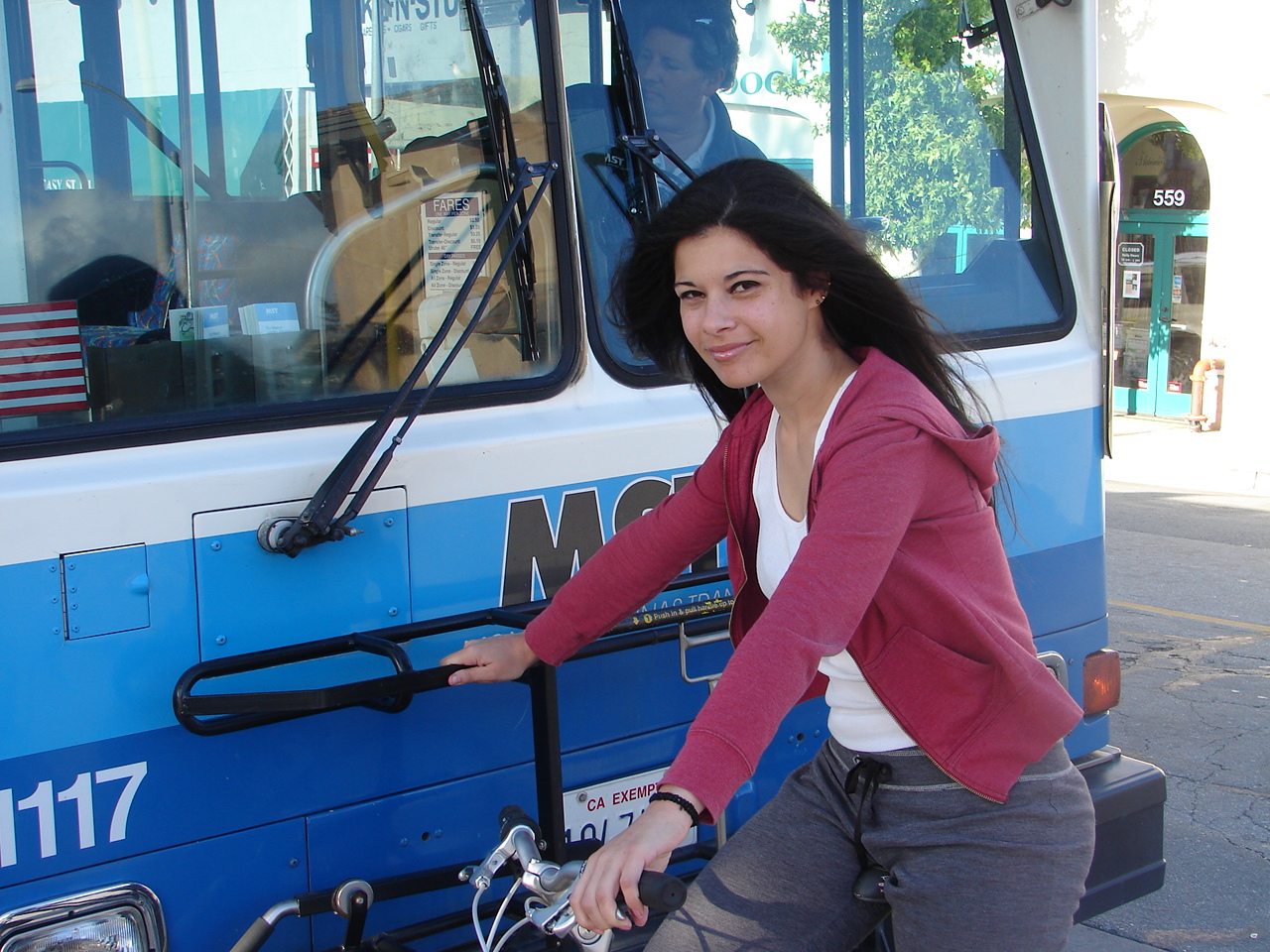
Your ideal setup usually involves two or three modes working in tandem. For example, you might take a bus to a nearby station, then ride an e-bike the final mile to work. This hybrid approach maximizes speed while minimizing physical effort. Keep a small bag with you that can transition from bike to bus seamlessly.
Don't underestimate the role of ridesharing. As one car-free advocate noted, "Ridesharing is a lifesaver... Living car-free flatly wouldn't be possible —or would be much more difficult — without ridesharing" [src-serp-4]. It provides the flexibility to handle unexpected events without the burden of car ownership. Download the major apps now, even if you don't use them daily, so they are ready when you need them.
Test before you commit
Before canceling your car insurance or selling your vehicle, run a one-week trial. Stick to your planned mix of transit, biking, and walking. Note where you felt frustrated or delayed. Did you miss a bus? Was the bike route unsafe? Adjust your toolkit based on these real-world data points. This trial period prevents buyer's remorse and helps you fine-tune your routine for long-term success.
Plan for weather and heavy loads
Weather and groceries are the two biggest hurdles when you drop the car keys. You will not always have a roof over your head or a trunk to stash your bags. Success depends on preparation, not perfection. Treat these logistical challenges as part of the daily routine rather than exceptions.
Gear up for the elements
Rain, snow, and wind change how you move through the city. You need gear that keeps you dry and visible, not just fashionable. A waterproof backpack with a dedicated laptop sleeve protects your tech. Waterproof shoe covers or sturdy, water-resistant boots prevent cold, wet feet during commute.
Invest in a quality rain jacket with sealed seams. Keep a compact umbrella in your bag, but rely on the jacket for heavy downpours. If you cycle, add reflective strips to your bag or wear a high-visibility vest. Visibility is safety; it ensures drivers see you when conditions are poor.
Manage heavy loads
Carrying groceries without a car requires strategy. You cannot haul a week’s worth of food in one trip. Plan smaller, more frequent shopping trips. Use a sturdy tote bag or a folding cart for heavier items like water or dog food.
If you use a bike, consider a rear rack or pannier bags. These distribute weight evenly and keep your center of gravity stable. For non-cycling commutes, a rolling backpack or a small wagon can make carrying multiple bags effortless. The goal is to avoid back strain and keep your hands free for balance.
Build a support network
No one plans for every emergency. Having a rideshare app installed is essential for unexpected needs. Whether it’s a sudden illness, a missed train, or a heavy move, having a backup plan prevents panic.
Connect with neighbors or friends who live nearby. A small favor network can handle occasional heavy lifting or last-minute rides. This social safety net makes car-free living resilient. It turns potential obstacles into manageable, occasional inconveniences rather than dealbreakers.
Track savings and adjust your budget
Going car-free isn't just a lifestyle shift; it's a major financial event. To see the real impact, you need to quantify what you're no longer paying for. Start by listing your current vehicle expenses: insurance, fuel, routine maintenance, parking fees, and the hidden cost of depreciation. Subtract these from your monthly income to find your new disposable income.
Use a checklist to ensure you capture every line item. Many people forget to account for registration renewals or emergency repair funds. Once you have a clear number, decide how to reinvest those savings. Some readers use the cash to pay down debt faster, while others build a travel fund for the weekends they can now reach by train.
- Car insurance premiums
- Monthly fuel costs
- Regular maintenance and oil changes
- Parking permits and garage fees
- Vehicle depreciation
Tracking these numbers gives you a concrete sense of freedom. It turns an abstract idea into a tangible budget boost that you can actually use.
Frequently asked questions about car-free living
How do I actually start living without a car?
Transitioning away from a vehicle requires a practical plan rather than just enthusiasm. Start by auditing your current trips to identify which ones can be replaced by walking, biking, or public transit. Give yourself extra time for these new routes initially, as you will likely move slower than a car. Dress appropriately for the weather and outfit your bike for everyday comfort. Finally, accept help from friends for occasional errands that are too far to walk, such as moving furniture or large grocery hauls.
Can I survive car-free in bad weather or winter?
Yes, but it requires preparation and a shift in mindset. You don’t need to be an extreme athlete to bike in the cold; you just need the right gear. Invest in waterproof footwear, warm layers, and perhaps a fender to keep slush off your clothes. Many cities have cleared bike lanes faster than roads, making winter cycling safer and more predictable. If the weather becomes truly hazardous, switch to public transit or ridesharing services for those specific days. Flexibility is more important than rigidly sticking to a bike when conditions are unsafe.
Is ridesharing a viable alternative to owning a car?
Ridesharing is often the missing link that makes car-free living possible. While daily commutes might rely on transit or bikes, occasional needs like weekend trips, social events, or carrying heavy items are best handled by apps like Uber or Lyft. It effectively acts as your "on-demand" car, allowing you to skip the costs of insurance, parking, and maintenance. Use it sparingly for convenience rather than as a primary transport method, keeping your monthly costs low while maintaining access to places outside your immediate walkable radius.
Work through to the Most Walkable Destinations for a Car-Free Lifestyle

No comments yet. Be the first to share your thoughts!