
Gas Prices and the Shift
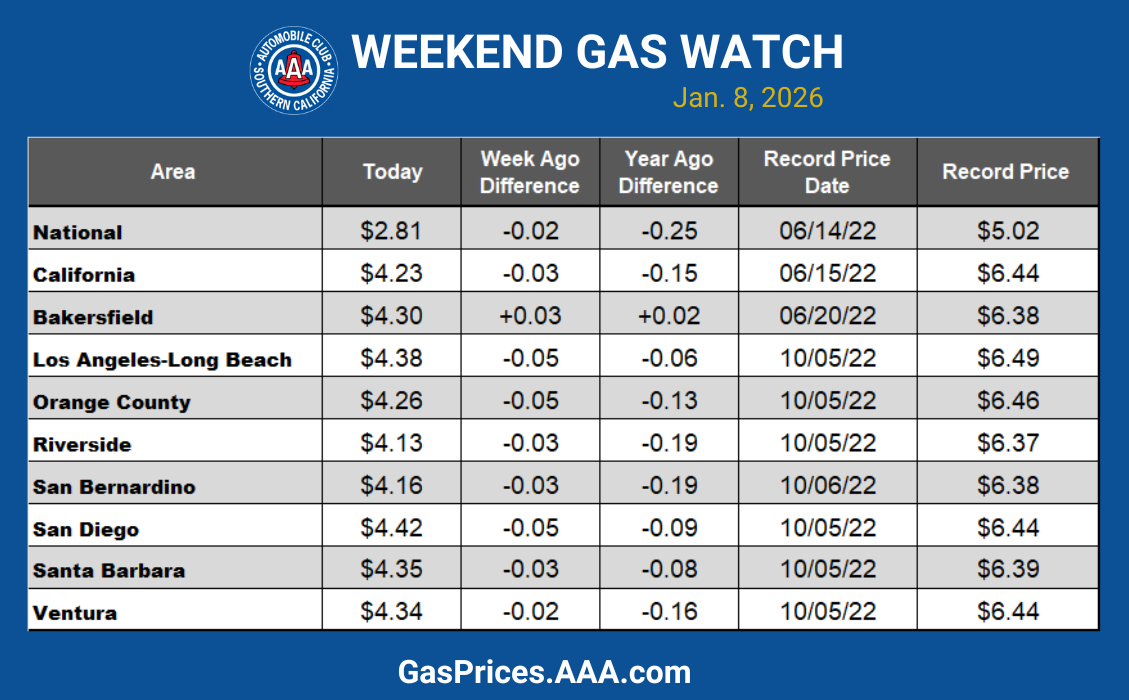
The national average for regular gasoline is around $3.87 per gallon, according to AAA data from December 2024. This is a significant jump from the $3.21 average a year prior, hitting household budgets hard. Many people are questioning the expense of car ownership, and for them, the math no longer adds up.
Rising gas prices have prompted re-evaluation of transportation habits before. The oil crises of the 1970s spurred interest in fuel-efficient vehicles and public transportation. However, the current situation feels different. Previous spikes were often temporary; now, geopolitical instability, increased demand, and a slow transition to alternative fuels suggest higher prices may be permanent.
A car-free lifestyle isn't new, but the economic pressure is. For decades, advocates promoted walking, biking, and public transit as alternatives to driving. Now, these alternatives are becoming less of a lifestyle choice and more of a financial necessity. More people are exploring life with less reliance on a personal vehicle, finding it more attainable than they expected.
The Real Cost of Car Ownership
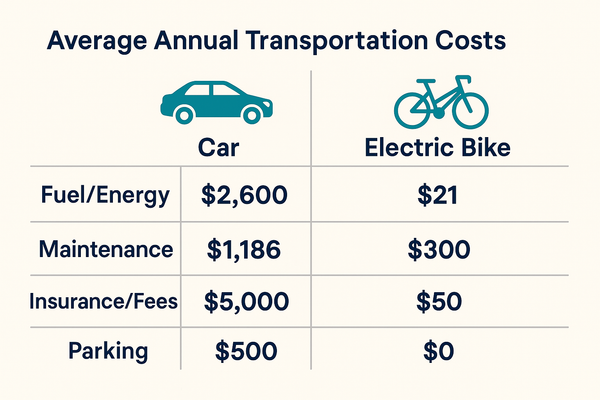
Most people focus on gas prices when calculating car costs, but that's only part of the picture. The true cost of owning a car is surprisingly high and often underestimated. For example, the average annual cost to own and operate a 2023 Honda Civic, a popular and relatively affordable vehicle, is over $10,000, according to AAA.
This $10,000+ breaks down into categories: insurance ($1,600 per year), maintenance ($800), depreciation ($3,300), fuel ($2,000 assuming 15,000 miles driven), loan payments (around $6,000 for a typical financed purchase), and potential repairs. Parking fees, registration costs, and traffic tickets are additional expenses that add up quickly and are often unavoidable.
A YouTube video from a family living car-free in the suburbs illustrates this point. They detailed how eliminating car payments, insurance, and maintenance saved them thousands of dollars annually, allowing them to redirect that money to other priorities and improve their financial health. This is a compelling illustration of the hidden costs of car dependence.
Urban Options: Thriving Without Wheels
Some cities make car-free living easy. New York City, for instance, has an extensive subway system, a growing network of bike lanes, and many amenities within walking distance. Residents can easily live, work, and play in Manhattan without a car.
Portland, Oregon, is another example. The city has invested heavily in public transportation, bike infrastructure, and pedestrian-friendly streets. Its compact urban form and emphasis on sustainability make it a good place for those seeking a car-free lifestyle. Amsterdam, with its cycling culture, is a prime example.
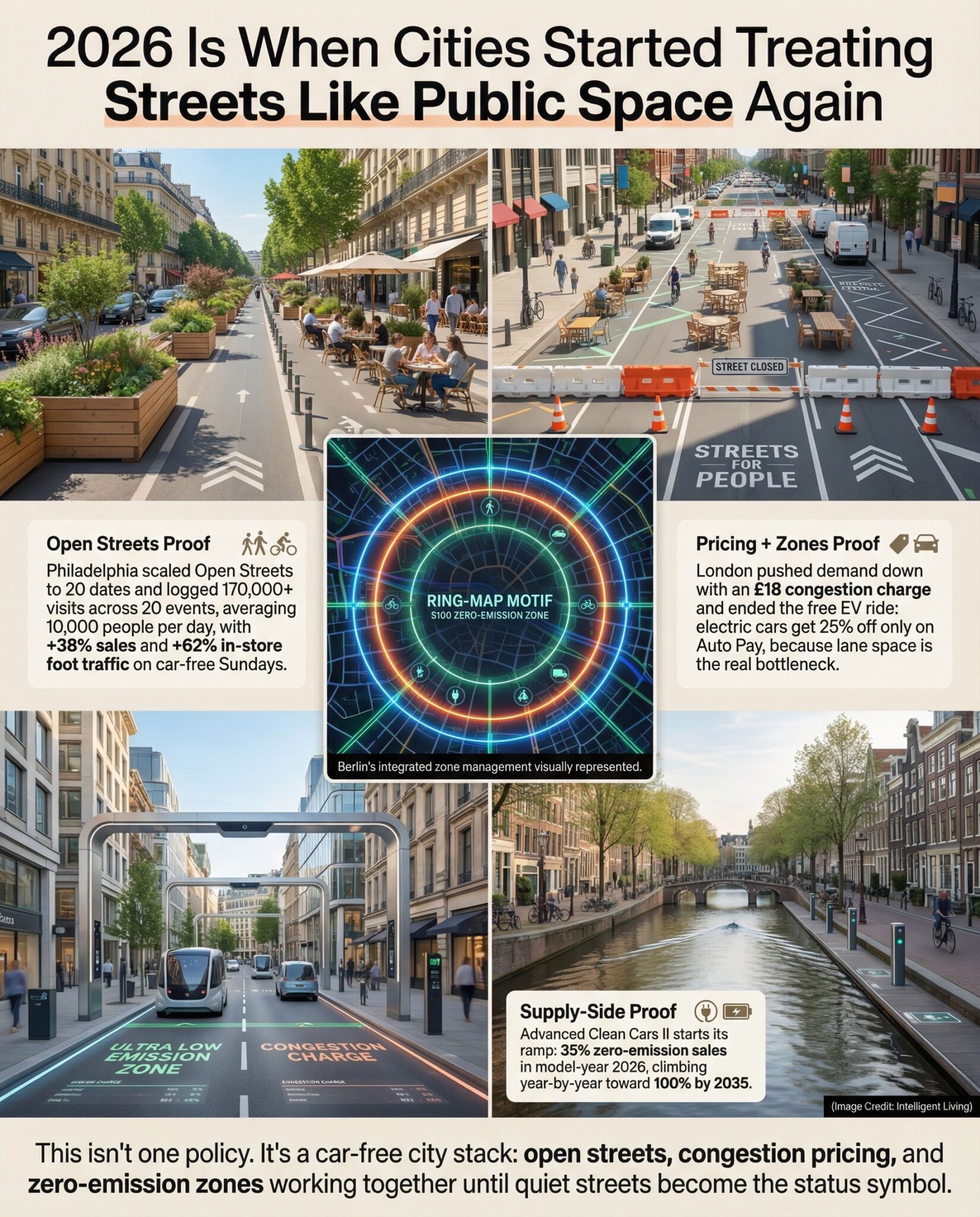
These cities prioritize people over cars. They have invested in public transportation systems, created safe and convenient bike infrastructure, and designed walkable and livable neighborhoods. This is the result of deliberate policy choices and long-term planning, creating a built environment that supports alternative modes of transportation.
Suburban Strategies: It's Not Impossible
The perception that car-free living is only possible in cities is a misconception. While easier in urban environments, it is becoming increasingly feasible in suburban areas. It requires more planning and creativity, but it is possible.
Suburban car-free living strategies include biking, walking, ride-sharing services like Uber and Lyft, and using available public transportation. Some suburbs are also seeing micro-transit services, which provide on-demand transportation within a defined area. The YouTube video mentioned earlier shows how one family navigated suburban life without a car, relying heavily on e-bikes and careful planning.
Suburban car-free living is more challenging than in a city. It often requires longer commutes, more reliance on ride-sharing, and a willingness to adjust your lifestyle. For those committed to reducing car dependence, it can be a rewarding experience. It requires intentionality, but the benefits—financial savings, improved health, and a reduced carbon footprint—can be significant.
Beyond Commuting: Travel and Recreation
A perceived limitation for people considering a car-free lifestyle is travel and recreation. Many assume they need a car to visit family, go on vacation, or enjoy outdoor activities. However, alternatives exist.
Train travel is making a comeback, offering a comfortable and scenic way to explore different regions. Amtrak serves hundreds of destinations across the United States. Bus travel is another affordable option, with companies like Greyhound and FlixBus providing extensive networks. For those who enjoy cycling, bike touring is a way to see the country at your own pace.
Staycations are also popular. Exploring local parks, museums, and attractions can be as enjoyable as traveling further afield and eliminates the need for transportation. Planning car-free trips requires more effort, but resources like Rome2Rio can help map out your journey using various modes of transportation.
The Environmental and Community Benefits
Reducing car dependence has environmental benefits. Cars are a major source of greenhouse gas emissions, contributing to climate change and air pollution. Choosing alternative modes of transportation reduces our carbon footprint and improves air quality.
Less traffic congestion is another positive outcome. Fewer cars on the road mean shorter commute times, reduced stress, and improved productivity. Stronger communities are also a benefit. When people walk, bike, and use public transportation, they interact more with neighbors and build a sense of community.
Initiatives like No Vehicle November, which encourages people to go without a car for a month, demonstrate collective action. This raises awareness about the benefits of car-free living and inspires others to make a change. It is about shifting our mindset and recognizing better ways to get around.
Navigating the Challenges
While the benefits of a car-free lifestyle are compelling, it’s important to acknowledge the challenges. Limited accessibility for people with disabilities is a significant concern. Many public transportation systems are not fully accessible, and sidewalks and bike lanes may not be designed to accommodate everyone.
The need for better infrastructure is also crucial. Investing in more robust public transportation systems, protected bike lanes, and pedestrian-friendly streets is essential to making car-free living a viable option for more people. Transporting large items can also be difficult without a car, requiring creative solutions like delivery services or borrowing a friend’s vehicle.
It's not a one-size-fits-all solution. Car-free living may not be feasible for everyone, depending on their location, job, and personal circumstances. It requires careful planning, a willingness to adapt, and a commitment to finding alternative solutions. We need to be honest about these challenges and work towards creating a more equitable and accessible transportation system.
Resources and Support
If you’re interested in exploring a car-free lifestyle, there are numerous resources available to help you get started. Public transportation websites, such as those for your local transit agency, can provide information on routes, schedules, and fares. Bike advocacy groups can offer advice on cycling safety and infrastructure.
Car-sharing services like Zipcar and Getaround provide access to vehicles when you need them without the cost of ownership. Online communities, such as Reddit’s r/carfree, offer a space to connect with others who are living car-free and share tips and experiences. The PBS guide, “A Beginner’s Guide to Living Car-Free,” is an excellent starting point for learning more about the practicalities of going car-free.
Taking the first step can seem daunting, but there’s a growing community of people who are embracing car-free living and finding it to be a fulfilling and sustainable way to live. These resources can empower you to make informed decisions and navigate the challenges along the way.
No comments yet. Be the first to share your thoughts!