

Beyond the Automobile: A New Way to Travel
For decades, the open road has been synonymous with freedom and adventure. But what if I told you that true exploration doesn't require a steering wheel? A growing number of travelers are discovering the joys of car-free travel, and it’s reshaping how we experience the world. It’s not about sacrificing convenience, it’s about trading asphalt and traffic for cobblestone streets and the rhythm of local life.
The appeal is multifaceted. Environmentally, reducing our reliance on cars is a powerful step toward sustainable tourism. Personally, it encourages a slower pace, a deeper connection with the places we visit, and a surprising amount of serendipity. Economically, ditching the car can free up funds for experiences – better meals, local tours, and unique accommodations.
Thinking about car-free travel isn't about restriction; it's about opportunity. It's about the chance to truly see a city, to wander down hidden alleyways, to strike up conversations with locals, and to discover the heart and soul of a destination in a way that's simply impossible when you're rushing from parking spot to tourist attraction. We’re seeing a shift in priorities, and a growing desire for more meaningful travel experiences.
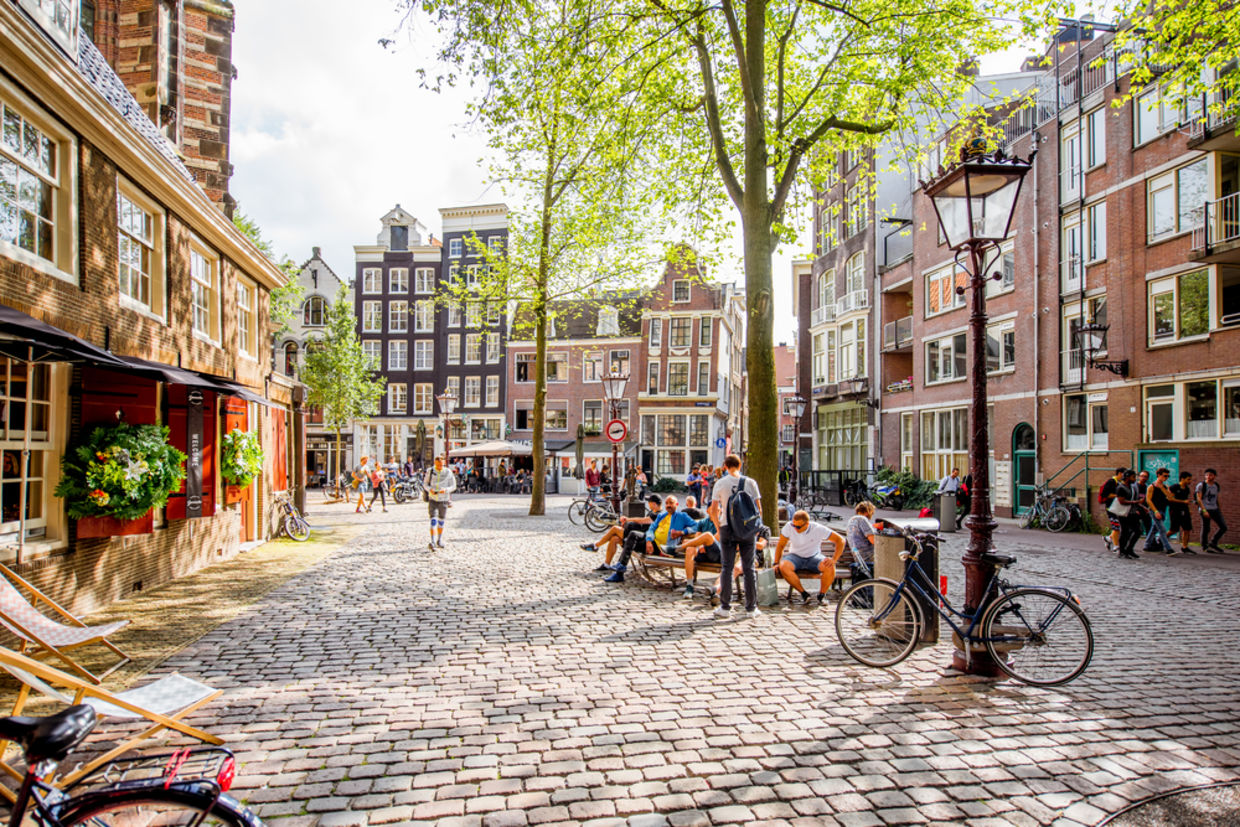
The Top 15 Car-Free Cities of 2026
These cities demonstrate that car-free living enhances the travel experience, offering a different rhythm, a deeper connection to local culture, and a more sustainable way to explore.
- Venice, Italy: The historic center is entirely car-free, navigated by foot and vaporetto (water bus). Getting lost in the labyrinthine streets is part of the charm, and the lack of cars creates an atmosphere of timeless tranquility.
- Fes, Morocco: Fes el Bali, the ancient medina, has narrow, winding streets that are pedestrian-only, a maze of artisan workshops, bustling markets, and hidden courtyards. Be prepared to walk and haggle.
- Zermatt, Switzerland: Combustion engine vehicles are prohibited. Electric cars and horse-drawn carriages are the only permitted modes of transport, preserving the pristine alpine air and scenery.
- Giethoorn, Netherlands: Known as the 'Venice of the North,' Giethoorn has a network of canals instead of roads. Boats, bicycles, and walking are the primary ways to get around, creating a peaceful atmosphere.
- Hydra, Greece: Cars are banned, and donkeys and water taxis are the main forms of transportation, adding to the island's rustic charm.
- Hallstatt, Austria: This lakeside village is remarkably compact and pedestrian-friendly. Its charming streets and stunning alpine backdrop make it a joy to explore on foot.
- Cinque Terre, Italy: Five colorful villages cling to the Ligurian coastline, connected by scenic walking trails and a train line. Cars are discouraged, and exploring on foot allows you to appreciate the rugged beauty of the region.
- Ghent, Belgium: Ghent has an extensive pedestrian zone in its historic center and an excellent public transport system. The city actively promotes cycling, with dedicated bike lanes throughout.
- Copenhagen, Denmark: Copenhagen is a paradise for bike enthusiasts, with world-leading cycling infrastructure. The city is remarkably flat, making it easy to get around by bicycle, and pedestrian zones are plentiful.
- Amsterdam, Netherlands: Amsterdam prioritizes cycling and pedestrian traffic. Canals, bike lanes, and walkable streets make it easy to explore this historic city.
- Ljubljana, Slovenia: Slovenia’s capital has transformed its city center into a largely pedestrian zone, with a focus on green spaces and outdoor cafes. The Ljubljanica River adds to the city’s charm.
- Helsinki, Finland: Helsinki balances modern design with a commitment to walkability. Its efficient public transport system and extensive network of pedestrian streets make it easy to get around without a car.
- Zurich, Switzerland: Zurich offers a blend of urban sophistication and natural beauty, with a well-developed public transport system and pedestrian-friendly areas in the Old Town.
- Freiburg, Germany: Known for its eco-friendly initiatives, Freiburg prioritizes cycling and pedestrian traffic. The city’s Vauban district is a model for sustainable urban living.
- Kyoto, Japan: While not entirely car-free, Kyoto's compact city center and efficient public transport system make it easy to explore without a car. Walking through the historic Gion district is a must.
Top 9 Car-Free Cities for Walkable Exploration (2026)
| City | Walkability Score | Public Transport Quality | Bike Friendliness | Cost of Public Transport | Unique Car-Free Experiences |
|---|---|---|---|---|---|
| Venice, Italy | High | Good | Fair | Moderate | Gondola rides, exploring canals by foot, St. Mark's Square. |
| Fes, Morocco | High | Fair | Low | Cheap | Navigating the labyrinthine medina, artisan workshops, traditional riads. |
| Zermatt, Switzerland | Medium | Good | Fair | Expensive | Hiking trails, electric vehicle access only, views of the Matterhorn. |
| Giethoorn, Netherlands | High | Fair | Good | Moderate | Canal tours, walking and cycling along waterways, thatched-roof houses. |
| Hydra, Greece | High | Fair | Low | Moderate | Donkey rides, water taxis, scenic harbor views, hiking trails. |
| Hallstatt, Austria | High | Good | Fair | Moderate | Lakeside walks, boat tours, charming village center, salt mine tours. |
| Cinque Terre, Italy | High | Good | Medium | Cheap | Hiking between villages, train travel along the coast, Ligurian cuisine. |
| Ghent, Belgium | High | Excellent | Excellent | Moderate | Extensive pedestrian zones, canal cruises, historic architecture, vibrant cultural scene. |
| Copenhagen, Denmark | High | Excellent | Excellent | Moderate | Cycling infrastructure, harbor baths, Tivoli Gardens, Nyhavn harbor. |
Illustrative comparison based on the article research brief. Verify current pricing, limits, and product details in the official docs before relying on it.
Planning Your Car-Free Trip: Logistics
Successfully navigating a car-free vacation requires a bit of pre-trip planning. The first step is getting to your destination. Trains are often the most convenient and sustainable option, especially in Europe and Japan. Companies like Rail Europe offer extensive rail passes. Buses are a more budget-friendly alternative, but generally take longer.
Once you arrive, familiarize yourself with the city’s public transport system. Most cities have apps that provide real-time information on schedules, routes, and fares. Google Maps is also surprisingly useful for navigating public transport, even in unfamiliar cities. Consider purchasing a city pass, which often includes unlimited access to public transport and discounts on attractions.
Accommodation location is crucial. Choose a hotel or Airbnb that's centrally located or close to public transport stops. Walking an extra 20 minutes each day is fine, but avoid places that require long commutes. For airport transfers, research options like airport trains, buses, or pre-booked shared shuttles.
Don’t underestimate the power of a good map – both physical and digital. Offline maps can be a lifesaver if you don’t have data access. And remember to download useful apps like Citymapper, Transit, or Rome2Rio before you go.
Gear Up: Essentials for Walkable Adventures
Packing for a car-free trip is different than packing for a road trip. You’ll be doing a lot of walking, so comfortable shoes are paramount. Invest in a pair of broken-in walking shoes or boots. A lightweight backpack is also essential for carrying essentials like water, snacks, and a map.
A reusable water bottle will save you money and reduce plastic waste. A portable charger is a must for keeping your phone powered up, especially if you're relying on it for navigation. A small travel umbrella can be a lifesaver in unpredictable weather.
Think carefully about your luggage. A rolling suitcase can be cumbersome on cobblestone streets. A backpack with good support or a duffel bag with shoulder straps might be more practical. Pack light – you’ll be grateful you did when you’re navigating public transport.
- Comfortable Walking Shoes: Prioritize fit and support.
- Lightweight Backpack: For carrying daily essentials.
- Reusable Water Bottle: Stay hydrated and reduce waste.
- Portable Charger: Keep your devices powered up.
- Small Travel Umbrella: Be prepared for unexpected rain.
Essential Gear for Exploring Car-Free Cities

Maximum cushioning for ultimate comfort · Engineered knit upper for breathability · Durable rubber outsole for traction
These shoes provide exceptional comfort and support for extensive walking through city streets.

Dedicated laptop sleeve · Multiple organizational pockets · Side water bottle pockets
This versatile backpack offers secure and organized storage for your daily essentials, including a laptop and water bottle.

Built-in water filter reduces chlorine taste and odor · BPA-free durable plastic construction · Reusable design replaces hundreds of single-use plastic bottles
Stay hydrated on the go with this reusable filter bottle, reducing waste and ensuring fresh-tasting water.

High-capacity 10,000mAh battery · PowerIQ technology for fast charging · Compact and travel-ready design
Keep your devices powered up throughout your explorations with this reliable and portable power bank.

Windproof design tested to withstand winds up to 85 MPH · Automatic open and close function · Compact and portable for easy storage
This durable and compact umbrella offers reliable protection from rain and sun, easily fitting into a backpack.
As an Amazon Associate I earn from qualifying purchases. Prices may vary.
Standout Cities: Ghent & Vancouver
Ghent, Belgium truly embodies the car-free spirit. The city center is largely pedestrianized, with traffic limited to residents and deliveries. The Leiestraat is a prime example, transformed into a vibrant pedestrian zone with cafes and shops. Ghent isn't just about restricting cars; it’s about creating a more livable and enjoyable urban space. The city’s commitment extends beyond the center, with an extensive network of bike lanes and affordable bike-sharing schemes.
Exploring Ghent on foot reveals hidden gems around every corner—medieval architecture, picturesque canals, and lively squares. The Graslei and Korenlei, historic quays along the Leie River, are best experienced without the noise and fumes of traffic. The city also boasts a fantastic public transport system, making it easy to reach attractions outside the center.
Vancouver, Canada, has made significant strides in prioritizing pedestrians and cyclists. The city’s Seawall, a scenic path that wraps around Stanley Park, is a favorite among walkers, runners, and cyclists. Vancouver’s commitment to green spaces and pedestrian-friendly infrastructure extends throughout the city, with dedicated bike lanes and walkable neighborhoods like Gastown and Yaletown.
Vancouver's public transport system, TransLink, is efficient and reliable, providing access to all parts of the city and surrounding areas. The city also offers bike-sharing programs, making it easy to explore on two wheels. The combination of walkable neighborhoods, bike infrastructure, and public transport makes Vancouver a truly car-free-friendly destination.
Budgeting for a Car-Free Vacation
While car-free travel often eliminates the significant costs of car rental, gas, and parking, it's not automatically cheaper than a traditional road trip. Public transport can add up, especially if you're traveling long distances or frequently using taxis or ride-sharing services. Bike rentals can also be an ongoing expense.
However, you might save money on other areas. You may be more likely to walk and explore free attractions, and you might choose to stay in more centrally located accommodations, reducing transport costs. Food costs might also be lower if you're eating at local markets and cafes instead of driving to restaurants.
Overall, the cost of a car-free trip depends on your destination, travel style, and spending habits. A budget-conscious traveler can easily enjoy a car-free vacation for less than a road trip, while someone who prefers convenience and luxury might find it more expensive. Careful planning and research are key.
Community Voices: Car-Free Travel Stories
“I used to think a vacation meant driving for hours to get somewhere. But after a trip to Copenhagen, I realized that the journey is the destination. Cycling around the city, stopping at cafes, and soaking up the atmosphere was so much more rewarding than being stuck in a car.” – Sarah M., Travel Blogger.
“Venice was a revelation. Without the noise and pollution of cars, it felt like stepping back in time. We spent hours wandering the streets, getting lost in the maze of canals and bridges. It was a truly magical experience.” – David L., Forum User.

No comments yet. Be the first to share your thoughts!