

Why leave the keys at home
Dropping the car keys at the start of a trip changes the rhythm of the day. Without a vehicle, you are forced to slow down, moving at the pace of your own feet rather than the speed limit. This shift reduces the mental load of navigation, parking, and traffic, replacing it with a sense of discovery. You notice details you would otherwise miss: the smell of salt air, the layout of a local market, the sound of waves against the pier.
Cost is another immediate benefit. Car-free vacations eliminate rental fees, fuel, insurance, and the often surprising expense of coastal parking. Instead of budgeting for a vehicle, those funds can go toward better meals, local tours, or simply staying longer in one place. The savings are tangible, turning a standard getaway into a more accessible experience.
Immersion deepens when you are on foot. You are no longer insulated in a metal box, separated from the environment. You interact more naturally with locals and other travelers. The coastal landscape becomes your immediate context, not just a backdrop seen through a windshield. This direct connection creates memories that stick, anchored by the physical experience of walking along the shore or through historic streets.
Mackinac Island: Horse carriages and historic charm
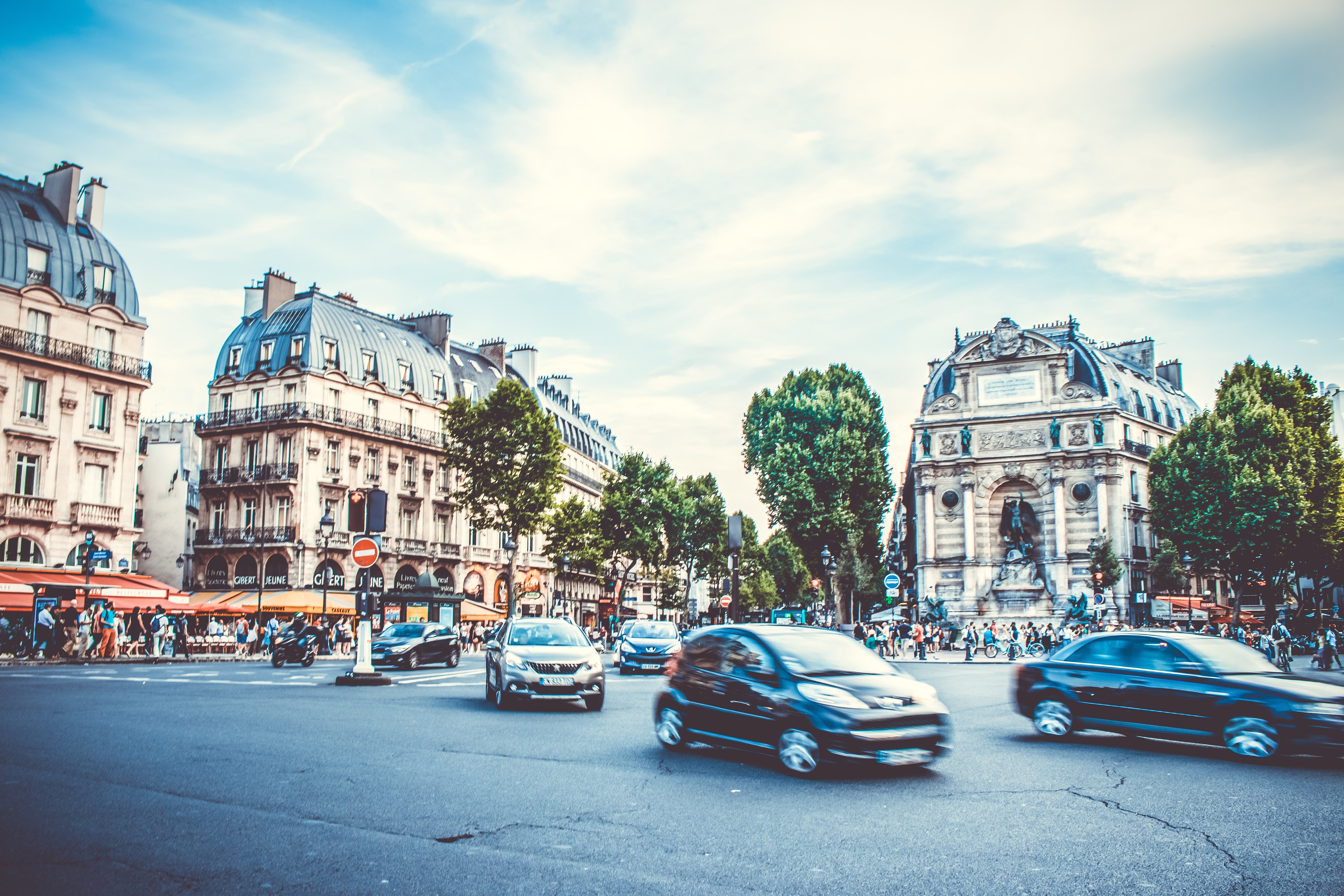
Mackinac Island in Lake Huron is America’s most famous car-free destination. A ban on motor vehicles dating back to 1898 means the streets are quiet, filled only with the clip-clop of horse hooves and the buzz of bicycle wheels. This car-free vacation spot offers a rare pause from modern traffic, letting visitors experience historic charm at a slower, more deliberate pace.
Getting there requires a short ferry ride from either Mackinaw City or St. Ignace, with the trip taking about 15 to 16 minutes. Once you arrive, you can walk everywhere in roughly an hour, but renting a bicycle or joining a horse-drawn carriage tour is the best way to see the island’s highlights. Carriage tours typically cost around $40 per person for a 45-minute ride, offering a comfortable overview of the island’s 1,600 horses and historic homes.
Lodging ranges from budget-friendly motels to historic Victorian hotels. The Grand Hotel, a National Historic Landmark, offers iconic front porches and afternoon tea, while smaller inns provide cozy, walkable bases near the harbor. Dining is centered on the historic downtown, where you can try the island’s famous fudge and fresh seafood while watching the sunset over the straits.
Catalina Island: Two Harbors and Avalon
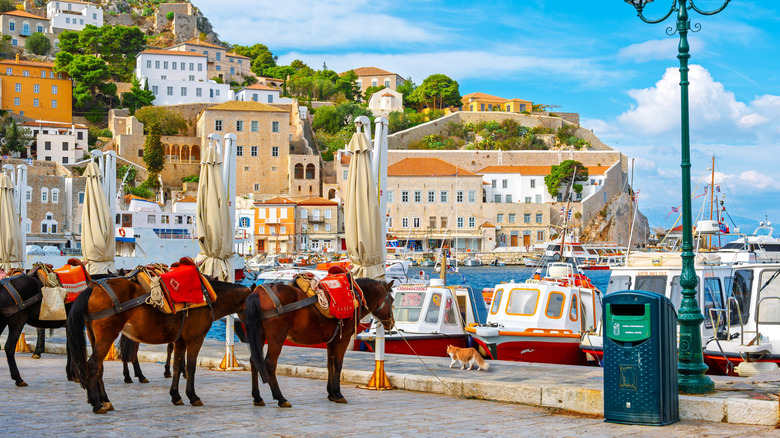
Catalina Island offers a distinct car-free experience divided between two main towns. Avalon is the commercial hub with shops and restaurants, while Two Harbors is a quiet cove known for its rugged beauty. Getting around relies on the Catalina Island Conservancy shuttle and the Catalina Island Company’s public transit bus, making it easy to navigate without a rental car.
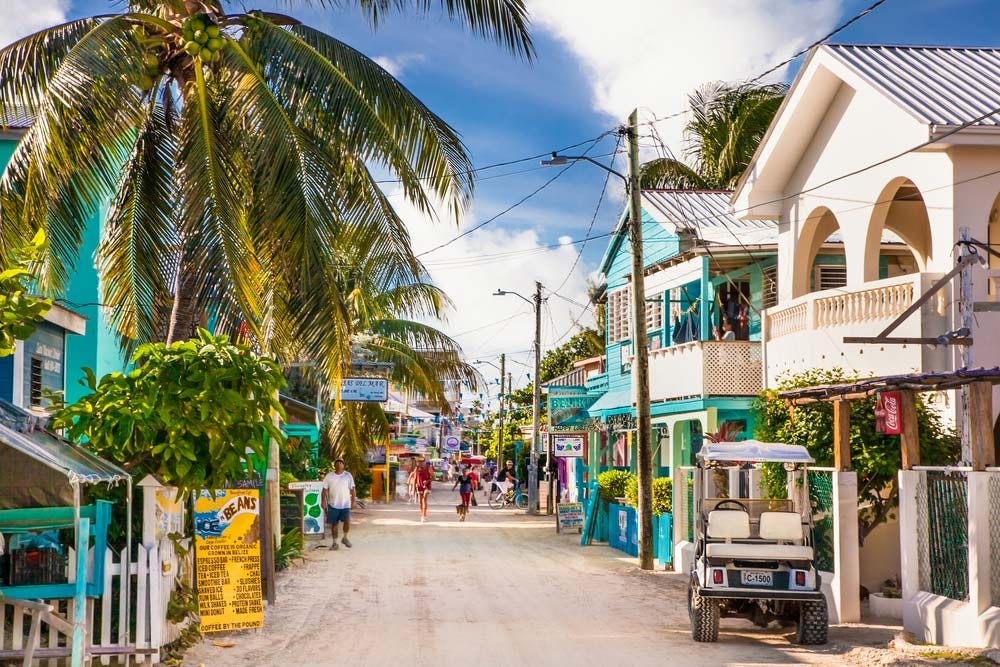
The island shuttle runs frequently between Avalon and Two Harbors, stopping at key points like the airport and various beaches. This service is essential for reaching the more remote parts of the island, such as the historic Catalina Casino or the scenic trails leading to Paradise Cove. The bus system connects the ferry terminal to most major attractions, reducing the need for taxis or private tours.
Beach activities are the main draw in Avalon. Crescent Bay and Casino Beach offer calm waters for swimming and snorkeling. For a more secluded experience, take the shuttle or a short hike to Two Harbors, where you can explore the historic bunkhouse and swim in the clear waters of Avalon Cove. The island’s car-free policy preserves its natural charm, allowing visitors to enjoy the coastal views without the noise of traffic.
Monhegan Island: Remote Coastal Camping
Monhegan Island sits 11 miles off the coast of Maine, offering a car-free escape that feels worlds away from the mainland. Without roads or vehicles, the only sounds are the crashing waves and the occasional gull cry. This isolation is exactly what draws nature lovers seeking a true digital and physical detox.
Reaching the island requires a 45-minute ferry ride from Port Clyde Harbor. Once you arrive, you’ll navigate a network of rugged trails that wind through pine forests and along sheer cliffs. The lack of infrastructure means you must pack all supplies, including food and water, as there are no grocery stores or restaurants on the island.

Camping is the most authentic way to experience Monhegan. Sites are located near the harbor and offer basic amenities like pit toilets and fresh water, but no electricity or hookups. The rugged coastal experience demands sturdy footwear and a tolerance for wind and unpredictable weather. It is not a resort; it is a wilderness retreat.
Planning your car-free coastal trip
A car-free coastal vacation shifts the focus from driving to discovering. Without the burden of a rental car, parking fees, or navigating unfamiliar highways, you can move through destinations like Mackinac Island or Catalina Island at a much more relaxed pace. The logistics of getting around are simple, but they require a different kind of preparation than a typical road trip.
The key to success lies in packing light and understanding the local transport ecosystem. Most car-free coastal towns are compact, designed for walking, cycling, or short shuttle rides. Overpacking with heavy suitcases can turn a leisurely stroll into a chore, while underestimating the cost of local shuttles or ferries can strain your budget. By planning your route and timing in advance, you ensure that your trip remains stress-free and focused on the experience.
Pack for mobility, not just comfort
Leave the heavy luggage behind. You will be carrying your bags over cobblestones, up ferry stairs, or along boardwalks. A sturdy backpack or a small rolling suitcase with smooth wheels is essential. Prioritize versatile clothing that works for both beach days and casual dinners. Don’t forget a reusable water bottle; many coastal towns have public refill stations, saving you money and reducing plastic waste.
Book transport in advance
Ferries and shuttles are the arteries of car-free travel, and they often sell out, especially during peak season. Book your ferry tickets online before you arrive to secure your preferred departure time. If the destination relies on a local shuttle system, check the schedule and fare structure ahead of time. Some shuttles operate on a first-come, first-served basis, so arriving early at the terminal is a smart strategy.
Understand local rules and costs
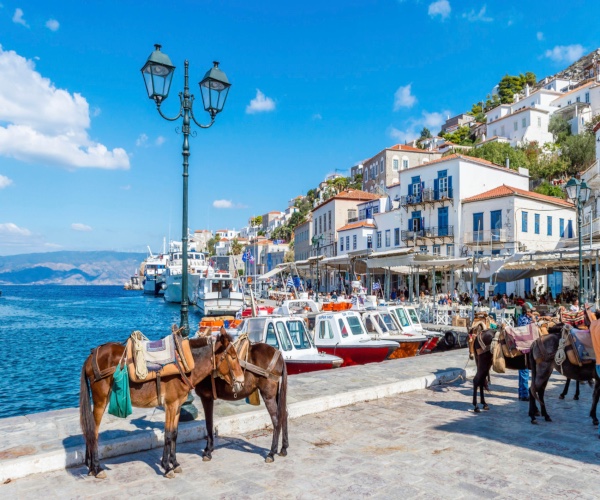
Every car-free destination has its own unique transport culture. On Mackinac Island, horse-drawn carriages and bicycles are the primary modes of transport, and traffic laws differ significantly from those on the mainland. In places like Hydra, Greece, donkeys and small utility vehicles plan around the streets. Familiarize yourself with these local norms to avoid fines or awkward situations. Also, keep small bills handy for tipping carriage drivers or paying for local transit fares.
-
Comfortable walking shoes with grip
-
Reusable water bottle
-
Ferry and shuttle tickets (printed or digital)
-
Lightweight rain jacket
-
Local transit app downloaded
-
Small bills for tips and fares
-
Bike helmet (if renting)
No comments yet. Be the first to share your thoughts!