

The real cost of commuting in 2026
Imagine Sarah, a teacher living in Denver. She faces a 10-mile commute each way to school. For years, she drove, but the costs – gas, insurance, parking – were steadily climbing. Now, she’s considering alternatives, like an electric bike or relying more on the city’s public transportation. Sarah’s situation is increasingly common. Even if you don't drive every day, the baseline costs of car ownership are substantial.
Fuel is the obvious expense, but insurance and parking are the real budget killers. Even if the car sits in the driveway three days a week, those fixed costs don't budge. I'm using Sarah’s 10-mile trek as the benchmark here.
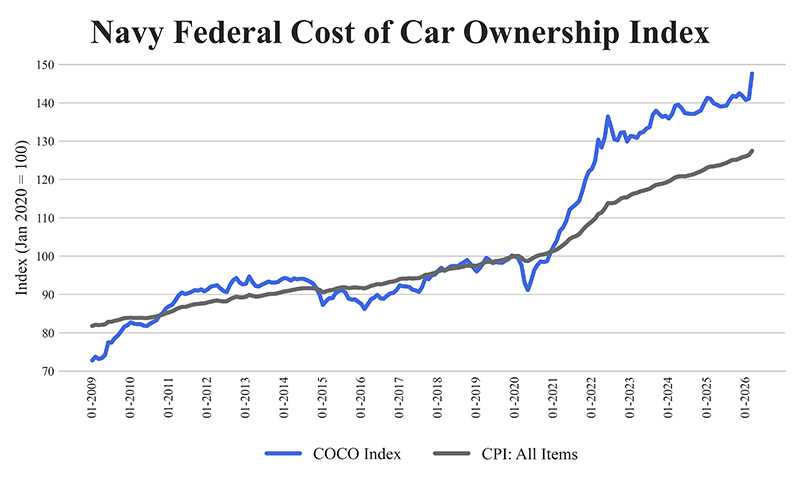
Over the next few years, we can expect continued increases in these traditional transportation costs. Inflation, coupled with rising insurance premiums and parking rates in urban areas, will make owning a car even more expensive. This makes a thorough cost comparison of e-bikes and public transit essential for anyone looking to save money and reduce their environmental impact. We'll look five years out, to 2026, to account for projected cost increases.
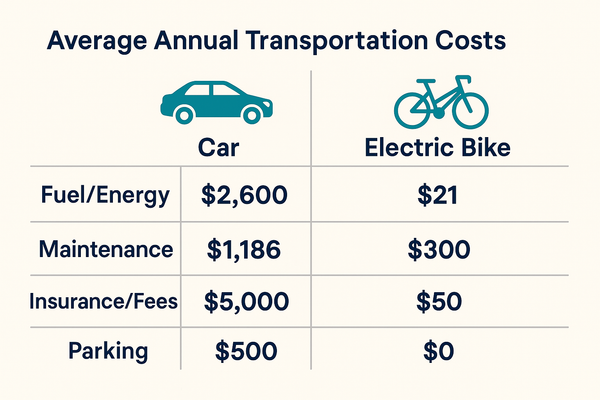
E-bike costs go beyond the sticker price
The initial cost of an e-bike is the most significant barrier to entry. Prices range dramatically, from around $1000 for a basic model to $8000 or more for a high-end commuter bike with advanced features. Let’s assume Sarah opts for a mid-range e-bike costing $3000. That's just the beginning. E-bikes aren’t maintenance free.
The battery is the biggest recurring hit. You'll likely need a new one every four years, which runs about $600. Annual tune-ups and fresh brake pads add another $150. If you want theft insurance—and in a city, you probably do—budget $100 a year. Toss in $200 for a decent helmet and a U-lock that actually works.
Electricity costs for charging are minimal, perhaps $20-30 per year, but should be factored in. Financing an e-bike is also an option, but interest payments will add to the overall cost. Assuming a 5-year loan with a 10% interest rate on a $3000 bike, Sarah would pay an additional $500 in interest. So, over five years, the total cost of e-bike ownership could easily reach $4500 - $5300, depending on battery life and maintenance needs.
Here's a quick breakdown of estimated 5-year costs:
- Bike Purchase: $3000
- Battery Replacement: $600
- Maintenance: $750
- Insurance: $500
- Accessories: $200
- Electricity: $100
- Potential Financing Interest: $500
Featured Products

48V 14Ah 672W capacity · Compatible with select Rad Power Bikes models (RadExpand 5 Plus, RadWagon, RadRunner 2, RadWagon 4, Rad Power Folding Utility E-Bike) · Includes base for mounting
This battery is a replacement or upgrade option for popular e-bike models, representing a potential long-term maintenance cost for e-bike ownership.

1000W peak motor · Up to 55-mile range · 48V removable battery
This e-bike offers a balance of power, range, and accessibility with its step-through design, making it a practical commuter option.

Weighs only 49lbs · 45-mile range · 5 pedal-assist levels
The LECTRIC XP™ Lite 2.0 is a lightweight and foldable option, ideal for those who may need to store their e-bike in smaller spaces or combine it with other transit.

350W hub motor · 27-inch wheel size · Hybrid bike style
This Schwinn electric hybrid bike provides a comfortable and familiar riding experience for daily commutes, suitable for various terrains.

468Wh removable battery · Peak 750W brushless motor · Up to 50 miles range
The ACTBEST Core-Swept offers a solid range and a step-through frame, presenting a cost-effective entry point into e-bike commuting.
As an Amazon Associate I earn from qualifying purchases. Prices may vary.
The transit math isn't as simple as it looks
Public transit appears straightforward: purchase a pass or pay per ride. However, the true cost is often higher than it seems. According to the American Public Transportation Association, the average monthly transit pass in a major US city cost around $98 in December 2023. Projecting a 5% annual increase, that pass could cost approximately $120 per month by 2026.
Single ride fares and transfer costs also add up quickly, especially for commuters who don't live directly on a transit line. Peak-hour surcharges are common in many cities, increasing the cost of travel during rush hour. Beyond the financial costs, there's the 'time cost' – the value of the time spent commuting. This is difficult to quantify, but a 60-minute commute each way represents a significant loss of personal time.
Consider the cost of getting to the transit stop. Sarah might need to bike, walk, or take a ride-sharing service to reach the nearest bus or train station. These additional expenses further increase the overall cost of public transit. For someone living a mile from the station and biking, that's extra wear and tear on another bike and time commitment. For someone using a ride-share, it's a regular added expense.
E-Bike vs. Public Transit: Projected Monthly Costs & Commute Times - 2026
| City | 2024 Monthly Pass Price | Projected 2026 Monthly Pass Price | Average One-Way Commute Time (Public Transit) |
|---|---|---|---|
| New York City | $127 | Approximately $140 - $155 | 40-60 minutes |
| Los Angeles | $75 | Approximately $85 - $95 | 50-70 minutes |
| Chicago | $75 | Approximately $85 - $95 | 35-55 minutes |
| Boston | $90 | Approximately $100 - $115 | 30-50 minutes |
| Washington D.C. | $60 | Approximately $70 - $80 | 30-45 minutes |
| San Francisco | $98 | Approximately $110 - $125 | 45-65 minutes |
| Philadelphia | $96 | Approximately $105 - $120 | 35-50 minutes |
| Atlanta | $99 | Approximately $110 - $125 | 40-60 minutes |
| Miami | $112.50 | Approximately $125 - $140 | 45-65 minutes |
| Seattle | $100 | Approximately $110 - $125 | 35-55 minutes |
Illustrative comparison based on the article research brief. Verify current pricing, limits, and product details in the official docs before relying on it.
City-Specific Considerations
Costs vary significantly depending on the city. Cities with well-developed bike infrastructure – such as Portland, Minneapolis, and Boulder – are particularly well-suited for e-bike commuting. These cities often have dedicated bike lanes, secure bike parking facilities, and supportive policies for cyclists. In contrast, cities with limited bike infrastructure or challenging terrain may make e-bike commuting more difficult.
Public transit availability is another crucial factor. New York City, Chicago, and Washington D.C. have extensive public transit systems that can provide a convenient and affordable alternative to driving. However, these systems are often crowded and may not serve all areas of the city equally well. Local incentives for e-bike purchases, such as tax credits or rebates, can also significantly reduce the upfront cost.
For example, Denver, where Sarah lives, has been investing in bike lanes but still lags behind some other cities. The Regional Transportation District (RTD) offers monthly passes, but service can be infrequent in some areas. This makes the e-bike a potentially more attractive option for Sarah, despite the initial investment.
The 'Hidden' Benefits: Health & Flexibility
Money isn't everything. Riding an e-bike actually wakes you up. You aren't stuck on someone else's schedule, and you can take the scenic route or stop for groceries without hunting for a parking spot or waiting for the next bus.
Public transit, on the other hand, offers the convenience of being able to read, work, or simply relax during the commute. This can be a valuable benefit for those who have long commutes or prefer not to cycle in all weather conditions. It also reduces the mental load of navigating traffic.
Ultimately, the best option depends on individual preferences and priorities. If health, flexibility, and avoiding crowds are important, an e-bike may be the better choice. If convenience and a hands-off commute are preferred, public transit may be more appealing.

No comments yet. Be the first to share your thoughts!