
Beyond the Car: Commuting in 2026
Commuting is changing. For decades, the default assumption was a personal vehicle, but that's rapidly shifting. We’re seeing a growing awareness of the downsides – the cost of gas, insurance, and maintenance, the hours lost in traffic, and the impact on air quality and public health. It’s not just about environmentalism, though that’s a huge driver. It’s about quality of life.
In 2026, the options are far more diverse than they were even five years ago. Electric bikes are becoming mainstream, micro-mobility solutions are popping up in cities everywhere, and smart transit apps are making public transportation easier to navigate than ever before. This isn't a rejection of all convenience; it's a reimagining of what a commute can be.
I'm looking at what actually works in 2026. Forget the hype about self-driving pods; we're talking about the bikes, scooters, and apps you can use right now to ditch the car without losing your mind.
It’s important to acknowledge that eco-friendly commuting isn’t a one-size-fits-all solution. What works in Copenhagen won’t necessarily work in rural Montana. But with a little planning and a willingness to experiment, most people can find ways to reduce their reliance on cars and enjoy a more sustainable, affordable, and enjoyable commute.
E-bikes: The real car killers
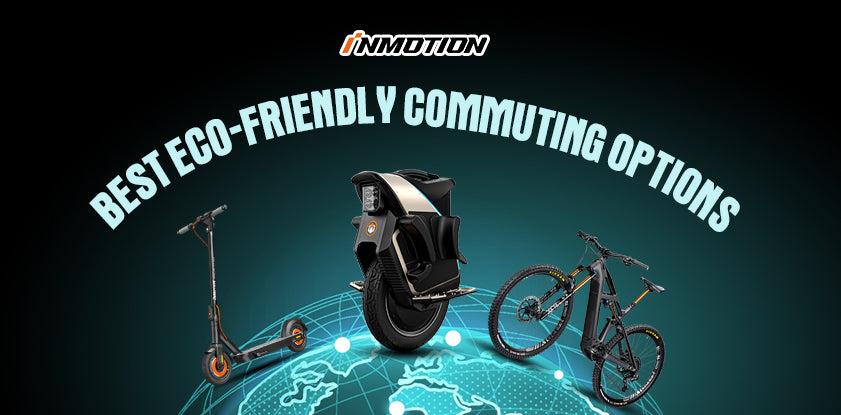
E-bikes are arguably the biggest game-changer in personal transportation in recent years. They offer the benefits of cycling – exercise, fresh air, and avoiding traffic – with the added assistance of an electric motor. This makes cycling accessible to a wider range of people, including those who live in hilly areas or have longer commutes.
E-bikes fall into three buckets. Class 1 and 2 both cut off at 20 mph, but Class 2 has a throttle so you don't have to pedal. Class 3 is the fast one, hitting 28 mph, but many cities ban them from paved bike paths. Check your local rules before you buy the fast one and get a ticket.
Motor types are another key consideration. Hub motors are generally more affordable and easier to maintain, but they can affect the bike’s balance. Mid-drive motors are more expensive, but they provide a more natural riding experience and better weight distribution. Battery technology has improved dramatically, with modern batteries offering ranges of 30-70 miles on a single charge. Charging times vary from 3-8 hours depending on the battery size and charger.
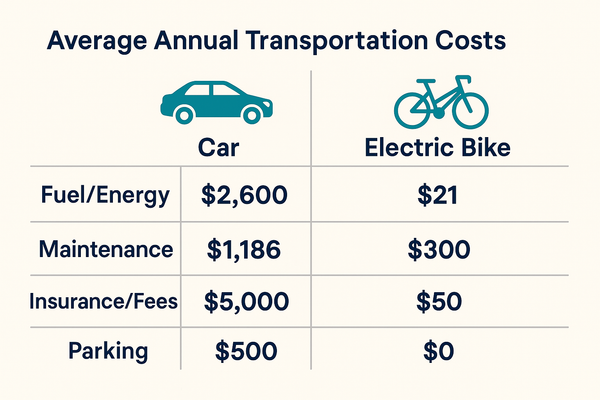
The cost of an e-bike can range from $1,000 for a basic model to $8,000 or more for a high-end one. Maintenance is similar to a traditional bike, plus the occasional battery replacement (typically every 3-5 years, costing around $500-$1000). However, you’ll save money on gas, parking, and potentially car insurance. One important drawback: e-bikes are often heavier than regular bikes, and theft is a concern, so investing in a good lock is essential. Some insurance companies now offer e-bike specific coverage.
Brands like Rad Power Bikes, Trek, and Specialized offer a good range of options. Rad Power Bikes, for instance, focuses on affordable, direct-to-consumer models, while Trek and Specialized offer both entry-level and high-performance e-bikes. It’s worth researching different brands and reading reviews to find the best fit for your needs.
- Class 1: Pedal assist only, up to 20 mph
- Class 2: Throttle and pedal assist, up to 20 mph
- Class 3: Pedal assist, up to 28 mph
E-Bike Class Comparison (2026)
| Class | Max Assisted Speed | Throttle Control | Typical Use Cases | Legal Considerations (US - as of late 2023) |
|---|---|---|---|---|
| Class 1 | Up to 20 mph | No | Recreational riding on bike paths and roads. Suitable for leisure and fitness. | Generally permitted on most bike paths and roads. Regulations vary by state and locality. |
| Class 2 | Up to 20 mph | Yes | Commuting on relatively flat terrain, assisting with headwinds, or for riders who prefer some motor assistance without pedaling. | Often permitted on bike paths, but some jurisdictions restrict their use. Regulations vary significantly. |
| Class 3 | Up to 28 mph | No | Faster commuting, covering longer distances, and tackling hills. Requires more rider awareness and skill. | Often restricted from bike paths. May require a helmet depending on local laws. Regulations are evolving rapidly. |
| Class 3 (with pedal assist only) | Up to 28 mph | No | Similar to Class 3, but requires constant pedaling. Favored in areas with stricter regulations on throttle-equipped e-bikes. | Subject to the same restrictions as Class 3, though some areas may be more accepting of pedal-assist only models. |
| Class 1 (Folding) | Up to 20 mph | No | Commuting combined with public transport, easy storage in apartments or offices. | Subject to the same regulations as standard Class 1 e-bikes, with potential additional rules regarding portability on public transit. |
| Class 2 (Step-Through Frame) | Up to 20 mph | Yes | Accessible commuting option for riders with mobility limitations or those preferring easier mounting and dismounting. | Subject to the same regulations as standard Class 2 e-bikes. |
| Class 3 (Integrated Battery) | Up to 28 mph | No | High-performance commuting with a sleek aesthetic and improved weight distribution. | Subject to the same regulations as standard Class 3 e-bikes. |
Illustrative comparison based on the article research brief. Verify current pricing, limits, and product details in the official docs before relying on it.
Micro-Mobility: Scooters, Mopeds, and More
Beyond e-bikes, a variety of other micro-mobility options are available. Electric scooters, both shared and personal, have exploded in popularity, offering a convenient way to cover short distances. Electric mopeds provide a step up in speed and range, often requiring a motorcycle license depending on their power output.
Electric scooters are incredibly portable, making them ideal for combining with public transportation. However, their range is typically limited to 15-30 miles, and their small wheels can make for a bumpy ride on uneven surfaces. Shared scooter programs, like those operated by Lime and Bird, can be a cost-effective option for occasional use, but availability can be spotty.
Electric mopeds offer a more comfortable and stable ride than scooters, with longer ranges (typically 30-50 miles). They often require registration and insurance, and riders may need a motorcycle license. Electric skateboards are another option, but they require a good sense of balance and are generally less practical for commuting.
City rules for scooters change fast. Some places require helmets or ban them from sidewalks entirely. Despite the red tape, they're working—data from 2025 shows that when scooters are available, people actually stop calling Ubers for short trips.
- Electric scooters: Best for the 'last mile' from the train, though the small wheels hate potholes.
- Electric Mopeds: More comfortable, longer range, may require licensing and insurance.
- Electric Skateboards: Require balance, less practical for commuting.
The only three apps you actually need
Smart transit apps have transformed the way people navigate public transportation. Apps like Citymapper, Transit, and Google Maps (with its integrated transit features) provide real-time tracking of buses and trains, multimodal routing options, and service alerts. This makes it easier to plan efficient and reliable commutes.
Citymapper is particularly strong in major cities, offering detailed maps and step-by-step directions for a variety of transportation modes. Transit excels at providing real-time information and alerts, while Google Maps integrates seamlessly with other Google services. Many apps now integrate with micro-mobility options, showing nearby scooters and bikes for rent.
One often overlooked feature is offline map availability. This can be a lifesaver if you lose cell service during your commute. Most apps allow you to download maps for specific areas, ensuring you can still navigate even without an internet connection. Some apps also allow you to save frequently used routes for quick access.
Beyond basic navigation, some apps offer features like fare payment integration and crowd-sourced reporting of delays or disruptions. These features can further enhance the convenience and reliability of public transportation. The ability to compare different route options – considering time, cost, and environmental impact – is a significant benefit.
Cities that actually get it right
Some cities are far more accommodating to cyclists than others. Copenhagen and Amsterdam are often cited as gold standards, with extensive bike lane networks, dedicated bike parking, and a culture that prioritizes cycling. Utrecht in the Netherlands is another standout, boasting the world’s largest bike parking garage.
In North America, Portland, Oregon, and Minneapolis, Minnesota, consistently rank high in terms of bike-friendliness. Portland has invested heavily in bike infrastructure, including protected bike lanes and off-street paths. Minneapolis has a comprehensive network of bike trails and a strong cycling community. These cities aren’t just building bike lanes; they’re creating environments where cycling is safe, convenient, and enjoyable.
Key factors contributing to bike-friendliness include traffic calming measures (reducing speed limits and prioritizing pedestrian and cyclist safety), secure bike parking facilities, and policies that encourage cycling (e.g., bike-sharing programs, tax incentives for bike purchases). City planning plays a crucial role, with mixed-use developments and shorter distances between residential areas, workplaces, and amenities making cycling a more viable option.
Beyond infrastructure, a supportive culture is essential. This includes driver awareness campaigns, bike education programs, and a general acceptance of cycling as a legitimate mode of transportation. Examining the success of these cities can provide valuable lessons for others looking to improve their bike-friendliness.
Combining Modes: The Art of the Commute
The real power of eco-friendly commuting lies in combining different modes of transportation. Biking to a train station, taking a bus to a scooter share, or walking the last mile from a transit stop can create a surprisingly efficient and enjoyable commute. This flexibility allows you to take advantage of the strengths of each mode.
Multimodal commuting requires a bit of planning. Coordinating schedules, carrying belongings, and dealing with weather are all potential challenges. A good backpack or panniers can help with carrying belongings, while waterproof clothing and a reliable umbrella can protect you from the elements. Utilizing transit apps to plan your route is essential.
The benefits of multimodal commuting extend beyond efficiency. It allows you to incorporate physical activity into your daily routine, reduce stress, and experience your city in a new way. It can also be more affordable than relying solely on a car. For example, combining a bike ride with a train journey can significantly reduce your transportation costs.
Consider these practical tips: check the bike policies of your local transit agency, familiarize yourself with bike parking options at stations, and plan for potential delays. Be prepared to adjust your route based on weather conditions or unexpected disruptions. A little preparation can go a long way in making multimodal commuting a success.
What's the biggest barrier to you adopting more eco-friendly commuting options?
Vote below and tell us which factor most affects your commuting choices.
No comments yet. Be the first to share your thoughts!