
The Real Cost of Car Ownership
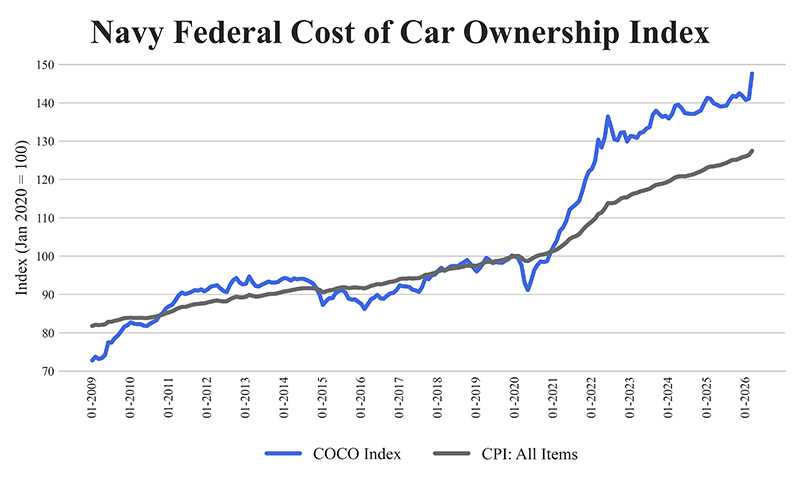
Let's be blunt: owning a car is expensive. Most people focus on the monthly payment, but that's just the tip of the iceberg. In 2026, even a relatively modest new sedan will likely cost you well over $500 a month when you factor in everything. It’s easy to underestimate these ongoing expenses, and they quickly add up.
Depreciation is a huge one. A new car loses a significant chunk of its value the moment you drive it off the lot—around 20% in the first year alone. Then there’s insurance, which, depending on your age, driving record, and location, could easily run $150-$250 a month. Gas prices are unpredictable, but let’s conservatively estimate $4.00 a gallon in 2026, and an average of 150 gallons used per month for a typical commuter.
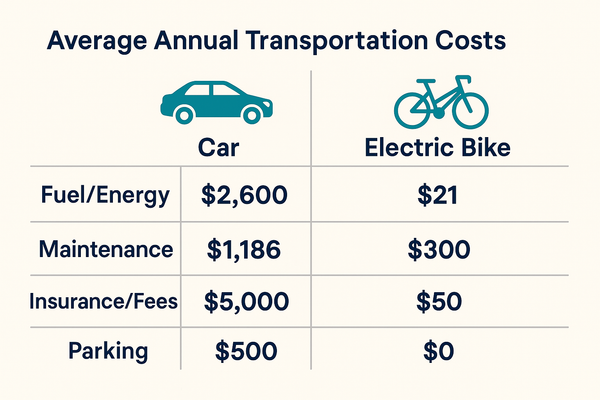
Maintenance isn’t cheap either. Oil changes, tire rotations, brake repairs – these are all necessary and can easily add up to $1000 or more per year. Parking, especially in urban areas, can be exorbitant, sometimes exceeding $300 a month. And if you have a loan, you're paying interest on top of everything else. A $30,000 loan at 7% interest over five years adds another $590 per month.
So, let’s break it down for our baseline sedan: $500 (payment/interest), $200 (insurance), $600 (gas), $83 (maintenance – averaged monthly), and $200 (parking). That’s a total of $1583 per month. That’s a substantial amount of money, and it doesn’t even include unexpected repairs or potential increases in any of these costs.
Calculating Your Personal Car Debt
The $1583 figure is a good starting point, but your actual car costs could be significantly higher or lower. It’s time to get personal. Start by getting a quote from your insurance provider – or several. Websites like NerdWallet and The Zebra can help you compare rates. Don’t just look at the monthly premium; consider your deductible and coverage limits.
Next, estimate your annual mileage. Use a tool like Google Maps to calculate your daily commute and then multiply that by the number of workdays in a year. Divide your mileage by your car’s MPG to determine your annual gas consumption, and then multiply by the estimated 2026 gas price to get your yearly fuel cost. Research average maintenance costs for your specific vehicle model and year. Websites like RepairPal provide detailed estimates.
Don’t forget to factor in registration fees and taxes. These vary by state and can add several hundred dollars to your annual expenses. Even a "cheap’ car isn’t really cheap when you add everything up. Many people are surprised when they actually do the math – and realize just how much they"re spending on their vehicle.
The Alternatives: Transportation Expenses Without a Car
Now for the good part: exploring the alternatives. Public transit is often the most cost-effective option, especially in cities with robust systems. A monthly pass in many major cities can range from $80 to $200, depending on the distance and coverage area. Single fares are typically $2-$5 per ride. Biking is another excellent choice, but there’s an upfront cost for the bike itself (ranging from a few hundred to several thousand dollars) and ongoing maintenance expenses – tires, repairs, and potentially tune-ups.
Ride-sharing services like Uber and Lyft are convenient, but they can quickly become expensive. An average ride can cost $15-$30, depending on the distance and demand. Walking is the cheapest option, but it’s not always practical, especially for longer distances. However, investing in a good pair of walking shoes is a worthwhile expense. Consider the cost of a quality pair at around $100-$150.
It’s important to be realistic. In some areas, particularly rural ones, public transit may be limited or nonexistent, and biking or walking may not be feasible. Ride-sharing can become your primary mode of transport, potentially rivaling the cost of car ownership. The viability of a car-free lifestyle depends heavily on your location and lifestyle. Some people will find it significantly cheaper, while others might only save a modest amount.
Urban vs. Suburban Savings
The savings potential of going car-free is dramatically different depending on where you live. In a dense urban environment with excellent public transit, the savings can be substantial. Cities like New York, Chicago, and Boston offer extensive subway and bus networks, making it easy to get around without a car. Parking is expensive and often difficult to find, further incentivizing car-free living.
In these cities, you can realistically save $1000 or more per month by ditching your car. The cost of a monthly transit pass is far lower than the combined expenses of car ownership, and you’ll avoid the hassle of traffic and parking. Plus, you’re more likely to live within walking or biking distance of amenities, reducing your transportation needs even further.
Suburban areas, on the other hand, present a greater challenge. Public transit is often limited, and distances are typically longer. Ride-sharing becomes more expensive, and biking or walking may not be practical for many trips. The savings potential is significantly reduced, potentially only a few hundred dollars per month. The convenience of a car often outweighs the cost in suburban settings. Here's a quick comparison:
| Location | Monthly Savings (Estimated) | Public Transit Quality | Walkability | |---|---|---|---| | Dense Urban | $1000+ | Excellent | High | | Suburban | $200-$500 | Limited | Low |
Estimated Annual Transportation Costs: Car Owner vs. Car-Free (2026)
| Location | Transportation Mode | Commute | Leisure Travel | Unexpected Expenses | Total Estimated Annual Cost |
|---|---|---|---|---|---|
| Urban | Car Owner | $8,000 - $12,000 | $1,500 - $3,000 | $500 - $2,000 | $10,000 - $17,000 |
| Urban | Car-Free | $1,200 - $2,400 | $500 - $1,500 | $100 - $500 | $1,800 - $4,400 |
| Suburban | Car Owner | $10,000 - $15,000 | $2,000 - $4,000 | $800 - $2,500 | $12,800 - $21,500 |
| Suburban | Car-Free | $2,000 - $4,000 | $800 - $2,000 | $200 - $800 | $3,000 - $6,800 |
| Urban | Car Owner (Electric) | $6,000 - $10,000 | $1,500 - $3,000 | $500 - $2,000 | $8,000 - $15,000 |
| Suburban | Car Owner (Electric) | $8,000 - $13,000 | $2,000 - $4,000 | $800 - $2,500 | $10,800 - $19,500 |
Illustrative comparison based on the article research brief. Verify current pricing, limits, and product details in the official docs before relying on it.
Hidden Savings: Beyond the Monthly Bill
Beyond the obvious monthly expenses, not owning a car can unlock a surprising number of hidden savings. Parking tickets are a thing of the past. The cost of car washes and detailing disappears. You might even be able to downsize your housing, opting for a smaller apartment closer to amenities, further reducing your expenses. This is a real possibility; many people choose housing based on proximity to their car, not their daily needs.
There are also potential health benefits. Walking and biking are excellent forms of exercise, which can lead to lower healthcare costs in the long run. While quantifying this is difficult, it’s a worthwhile consideration. Reduced stress from commuting – avoiding traffic jams and the frustration of finding parking – can also contribute to better health and well-being.
Finally, consider the freedom from car-related financial anxieties. No more worrying about unexpected repairs, accidents, or the declining value of your vehicle. That peace of mind is valuable in itself. People often overlook the mental load that comes with car ownership.
Car-Free Living & Lifestyle Changes
Ditching a car isn’t just about saving money; it can also influence your lifestyle choices. People who live car-free often tend to shop more locally, supporting neighborhood businesses and reducing their carbon footprint. They might take more spontaneous trips using public transit, exploring their city in new ways.
There's a shift in priorities, often towards experiences over possessions. Instead of spending money on a car, you might invest in travel, hobbies, or social activities. The game No Vehicles In The Park (novehiclesinthepark.com) is a clever example of how we subconsciously imbue cars with assumed permission, even in places where they aren’t allowed. It highlights our car dependency.
Car-free living encourages a more mindful and intentional way of life. You become more aware of your surroundings and more connected to your community. It’s a lifestyle shift that can be incredibly rewarding, both financially and personally. It forces you to consider your needs and plan ahead, leading to a more deliberate existence.
What is the biggest benefit of living without a car for you in 2026?
Vote below!
Unexpected Expenses: Preparing for the What-Ifs
Car-free living isn’t always smooth sailing. There will be times when you need access to a car for a weekend trip, a visit to a remote location, or a medical emergency. It’s important to be prepared for these situations. Having an emergency fund set aside specifically for transportation expenses is a good idea.
Ride-sharing apps can be a lifesaver in a pinch, but they can also be expensive for longer trips. Car-sharing services like Zipcar offer a more affordable alternative, allowing you to rent a car by the hour or day. Consider the cost of these services when calculating your overall transportation budget.
It’s also wise to have a backup plan for medical emergencies. Knowing how to access alternative transportation options – such as taxis or medical transport services – can provide peace of mind. Being proactive and prepared will help you navigate the occasional challenges of car-free living.
2026 Trends: Factors Affecting Savings
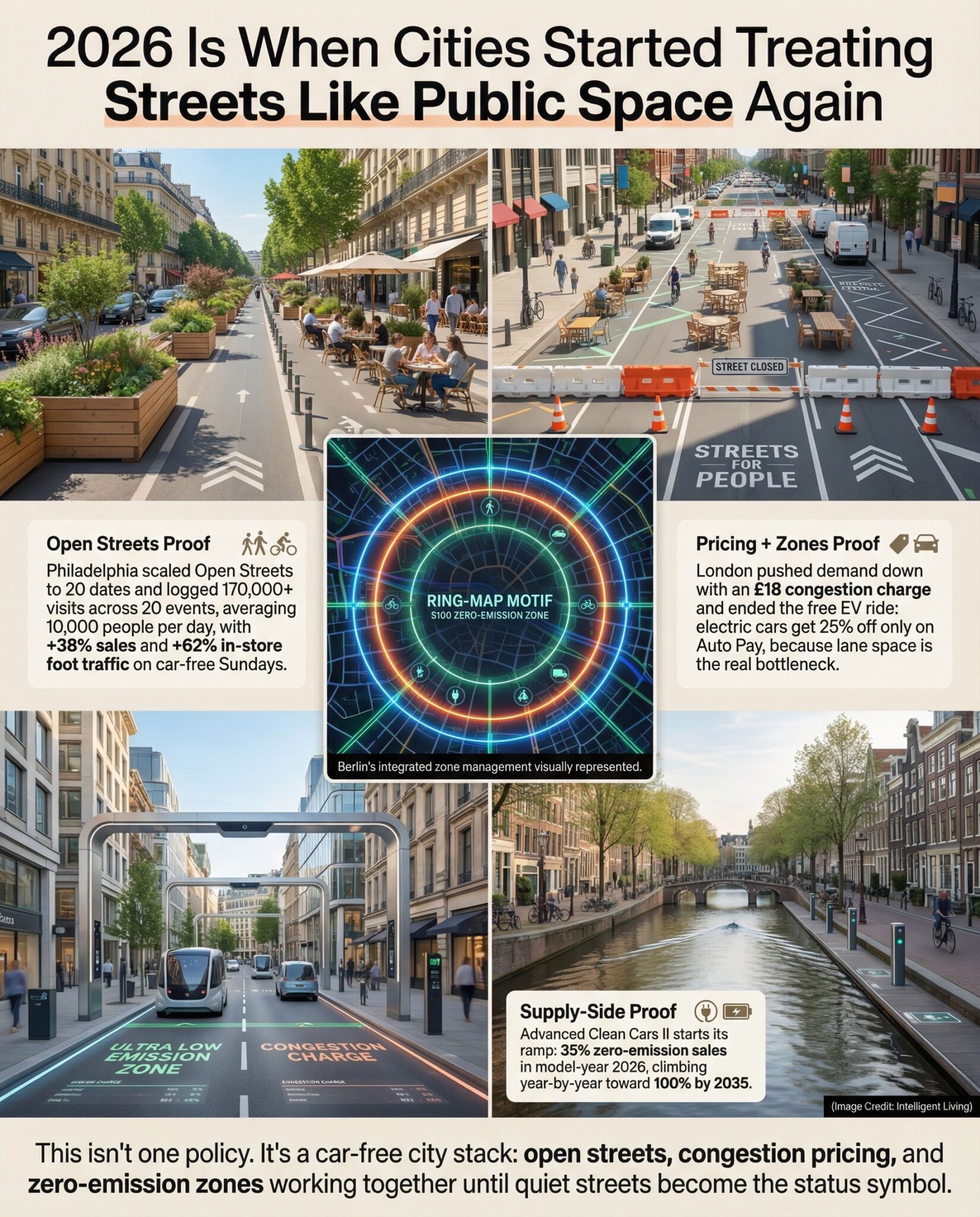
Looking ahead to 2026, several factors could impact the savings potential of car-free living. Rising gas prices are a near certainty, making car ownership even more expensive. Changes in public transit fares – whether increases or decreases – will also play a role. The increasing availability of electric scooters and bikes could provide more affordable and convenient transportation options.
According to data from the Florida Department of Highway Safety and Motor Vehicles (flhsmv.gov), vehicle registrations have been steadily increasing in recent years, but the rate of growth has slowed. This suggests that more people are considering alternatives to car ownership. However, these trends are subject to change, and these estimates are just a snapshot in time.
Ultimately, the decision to go car-free is a personal one. It requires careful consideration of your individual circumstances, lifestyle, and location. But with careful planning and a willingness to embrace alternative transportation options, you can potentially save a significant amount of money and live a more sustainable life.
No comments yet. Be the first to share your thoughts!