

Beyond the Automobile: Why Car-Free Travel?
Our reliance on cars impacts the environment and diminishes travel experiences. Slowing down, ditching the car, and experiencing a place on foot or by public transport unlocks a deeper connection than driving.
Car-free travel offers numerous benefits. It reduces your carbon footprint, encourages more walking for better health, and is often more affordable by eliminating rental, parking, and gas costs. You're also more likely to discover hidden gems and interact with locals.
Cities worldwide are prioritizing pedestrian zones and public transport. This shift in urban planning makes car-free vacations more accessible and appealing.
The 15 Most Walkable Cities (2026)
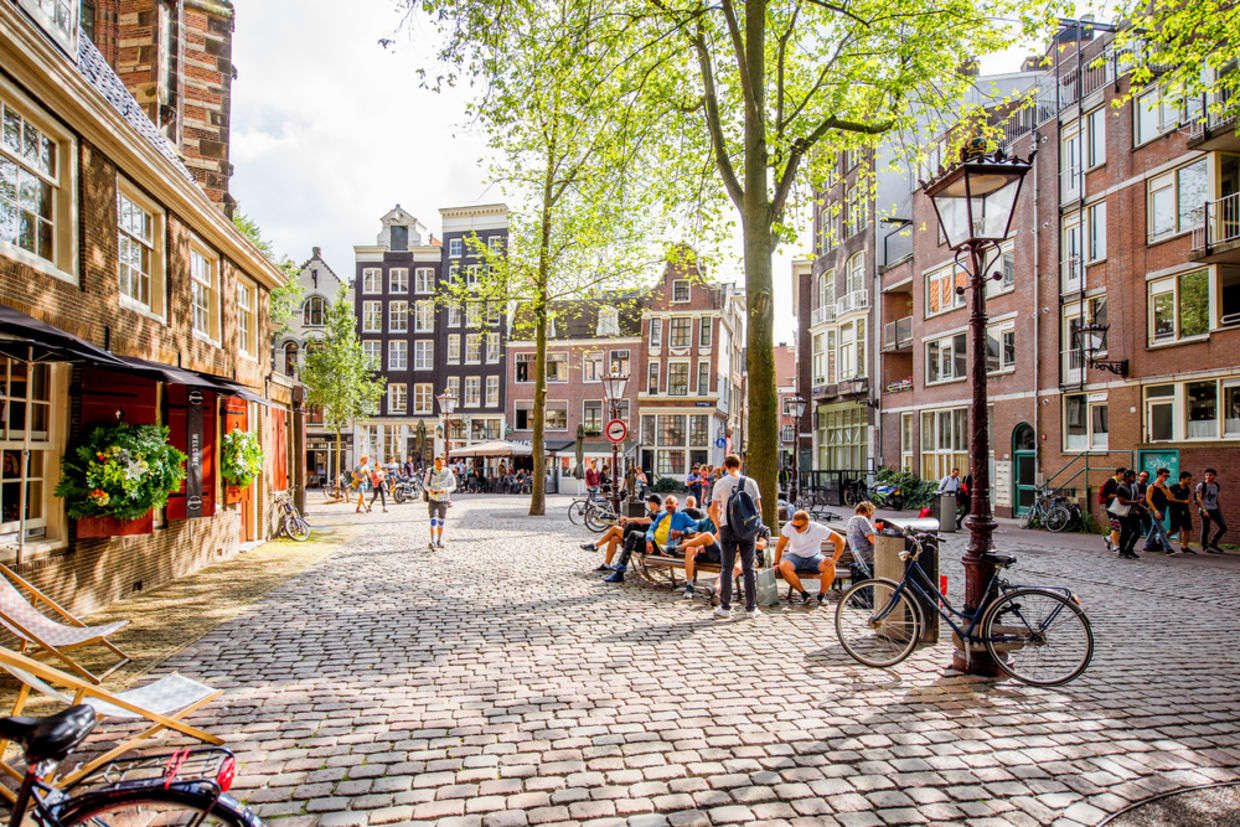
These 15 cities rank high for pedestrian-friendliness, public transport, and car-free accessibility. They actively invest in infrastructure supporting car-free living and offer geographic diversity.
- Venice, Italy: Famously car-free in its historic center, Venice is navigated by foot, boat, or vaporetto. Expect crowds during peak season. Exploring canals and narrow streets is best done slowly.
- Amsterdam, Netherlands: Amsterdam’s extensive bike infrastructure, with over 400 kilometers of cycle paths, makes it a cyclist’s paradise. Public transport is excellent, making it easy to reach areas outside the city center. The city is consistently ranked among the most bike-friendly globally.
- Copenhagen, Denmark: Copenhagen boasts a world-renowned cycling culture and has invested heavily in bike lanes and pedestrian zones. The 'Superkilen' park is an example of urban design prioritizing pedestrians and cyclists.
- Freiburg, Germany: Freiburg is often cited as a pioneer in sustainable urban planning. It features car-free neighborhoods, excellent public transport, and a strong emphasis on green spaces. The Vauban district is a particularly impressive example of a car-reduced community, where residents prioritize walking, cycling, and public transport.
- Barcelona, Spain: Barcelona's 'Superblocks' program is transforming the city by reclaiming streets from cars and creating pedestrian-friendly zones. This initiative, along with an efficient metro system, makes it easy to explore the city's architectural wonders and vibrant neighborhoods. The Gothic Quarter is especially enchanting on foot.
- Ghent, Belgium: Ghent implemented a large car-free city center in 2017, significantly improving air quality and pedestrian safety. The city's historic architecture and lively atmosphere are best appreciated on foot or by bike. It’s a smaller city than Brussels, making it even more manageable to navigate without a car.
- Ljubljana, Slovenia: Ljubljana’s car-free historic center, coupled with a focus on green transportation, makes it a pleasant city to explore. The Ljubljanica River and the city’s numerous parks add to its charm. The city actively promotes cycling and walking, with dedicated paths and infrastructure.
- Pontevedra, Spain: Pontevedra has undertaken a comprehensive pedestrianization of its city center, drastically reducing car traffic and creating a more livable urban environment. This has led to a significant increase in pedestrian activity and a revitalization of the city center. It's a truly remarkable example of what can be achieved through prioritizing people over cars.
- Bruges, Belgium: Often called the 'Venice of the North,' Bruges’ medieval historic core is largely car-free. Exploring the canals and cobblestone streets on foot is a magical experience. The city’s compact size makes it perfect for walking, and boat tours offer a different perspective.
- Zermatt, Switzerland: Zermatt takes car-free living to the extreme – only electric vehicles are allowed, and private cars are prohibited. This ensures clean air and a peaceful atmosphere, allowing visitors to fully appreciate the stunning mountain scenery. Getting around is done by electric buses, horse-drawn carriages, or foot.
- Florence, Italy: While not completely car-free, Florence’s historic center is largely pedestrianized, making it ideal for exploring on foot. The city’s artistic treasures and Renaissance architecture are best appreciated at a slower pace. Be prepared for crowds, especially around popular attractions.
- Kyoto, Japan: Kyoto’s compact size and excellent public transport system make it easy to get around without a car. The city’s numerous temples, shrines, and gardens are best explored on foot or by bicycle. The traditional machiya (wooden townhouses) add to the city’s charm.
- Munich, Germany: Munich has a well-developed public transport system and extensive pedestrian zones, making it easy to explore the city center without a car. The Englischer Garten, one of the world’s largest urban parks, is a great place for a walk or bike ride.
- Vancouver, Canada: Vancouver has invested heavily in cycling infrastructure and public transport, making it a relatively easy city to navigate without a car. The seawall provides a scenic route for walking and cycling, offering stunning views of the ocean and mountains.
- Buenos Aires, Argentina: Buenos Aires has a comprehensive public transport system, including a subway (Subte) and extensive bus network. Many neighborhoods are walkable, and the city’s vibrant culture and architecture are best experienced on foot.
Navigating Without a Car: Essential Tools
Exploring a city car-free relies on the right tools. Apps and resources can help plan routes, find transport, and discover local experiences. Citymapper is useful for public transport, offering real-time information and route planning in many cities.
Transit is another app for public transport with similar features to Citymapper. Google Maps is reliable for walking and cycling routes, while Komoot helps discover scenic and off-the-beaten-path trails. Bike-sharing and scooter-rental apps like Lime and Bird offer convenient short-distance transport in many cities.
Offline maps are valuable. Download maps before your trip to navigate without an internet connection. Maps.me offers detailed offline maps and points of interest. These tools help you explore with confidence.
Essential Tech for Car-Free City Explorers: Portable Power Banks

10,000mAh capacity · PowerIQ charging technology · Compact and travel-ready design
Keep your essential devices charged and ready for navigation, communication, and capturing memories as you explore these incredible walkable cities.

20,000mAh capacity · 45W PD fast charging · Built-in USB-C cable and flight-safe design
Keep your essential devices charged and ready for navigation, communication, and capturing memories as you explore these incredible walkable cities.

10,000mAh capacity · Built-in cables (6 outputs, 3 inputs) · Slim and fast charging design
Keep your essential devices charged and ready for navigation, communication, and capturing memories as you explore these incredible walkable cities.

20,000mAh capacity · 45W PD fast charging · Compact design with built-in USB-C cables
Keep your essential devices charged and ready for navigation, communication, and capturing memories as you explore these incredible walkable cities.
As an Amazon Associate I earn from qualifying purchases. Prices may vary.
Budgeting for Car-Free Trips
Car-free travel offers significant cost savings. Renting a car is expensive with gas, parking, and tolls. Public transport, bike rentals, and ride-shares are often cheaper.
A 2023 AAA study found the average US daily car rental cost is $70, plus $0.67/mile for gas. City parking can add $20-$40 daily. In contrast, a daily public transport pass costs $5-$15, and bike rentals are $10-$20 daily.
Prioritize accommodation near public transport hubs to save time and money. Hostels or Airbnb options are often more affordable than hotels. Smart choices about transport and accommodation lead to a memorable car-free vacation.
Packing Light: The Car-Free Traveler's Guide
Relying on public transport and walking means packing light is essential. A heavy suitcase becomes a burden on train stations, bus terminals, and cobblestone streets. Pack only the essentials.
Choose easy-to-carry luggage. A backpack works for shorter trips; a rolling bag with sturdy wheels is better for longer journeys. Comfortable shoes are essential for walking. Pack versatile clothing that mixes and matches, and a lightweight rain jacket.
You can buy forgotten items at your destination. Don't overpack. Prioritize comfort and practicality for your car-free adventure.
Standout Cities: A Deeper Dive
Venice shines when explored without a car. Its labyrinthine canals and pedestrian-only streets invite getting lost in backstreets, discovering hidden bridges and charming cafes. A gondola ride offers a classic experience, and quieter neighborhoods provide tranquility.
Amsterdam is another great city for car-free exploration. Rent a bike to cycle along canals and through parks. Visit the Anne Frank House, Rijksmuseum, and Albert Cuyp Market. The Zaanse Schans windmills are a short train trip away.
Barcelona’s Superblocks offer a unique way to experience the city. Walk through pedestrianized areas of the Eixample district, admiring modernist architecture. Explore the Gothic Quarter, visit the Sagrada Familia, and stroll Las Ramblas. Enjoy the nightlife and tapas.
Safety and Awareness
Car-free cities are generally safe, but be aware of your surroundings as a pedestrian or cyclist. Pay attention to traffic signals and crosswalks, and be mindful of cyclists and scooters. Avoid walking alone in poorly lit areas at night.
Be aware of pickpockets in crowded tourist areas. Keep valuables secure and avoid displaying expensive items. Report unsafe conditions or incidents to local authorities; many cities have hotlines or online platforms for this.
Familiarize yourself with local traffic laws and customs. Some countries require helmets for cyclists. Knowing the rules helps you stay safe and avoid accidents. Simple precautions ensure a safe and enjoyable car-free travel experience.


No comments yet. Be the first to share your thoughts!