

The rural exodus is reversing
Sarah Miller always loved the charm of Havenwood, Vermont. But a career in marketing meant a life in Boston – and a frustrating daily commute. Then, in early 2025, her company went fully remote. Suddenly, Havenwood wasn’t just a weekend escape; it was a viable place to live. She sold her car, bought a comfortable home within walking distance of the town center, and hasn’t looked back. This isn't an isolated story. Across the country, small towns are experiencing a surprising reversal of the decades-long rural exodus.
For decades, young people left towns like Havenwood because the jobs were elsewhere. You needed a car just to survive the distance between work, home, and the grocery store. Remote work changed that math. Now, you can keep the big-city salary while living somewhere you can actually walk to get a coffee or a bag of groceries.
It’s a change few predicted. Small towns weren’t designed for this influx, and many still lack the infrastructure to fully support a car-free existence. Yet, the demand is there, and communities are beginning to adapt. This isn’t just about escaping the city; it’s about building a different kind of life, one rooted in community, sustainability, and a slower pace.
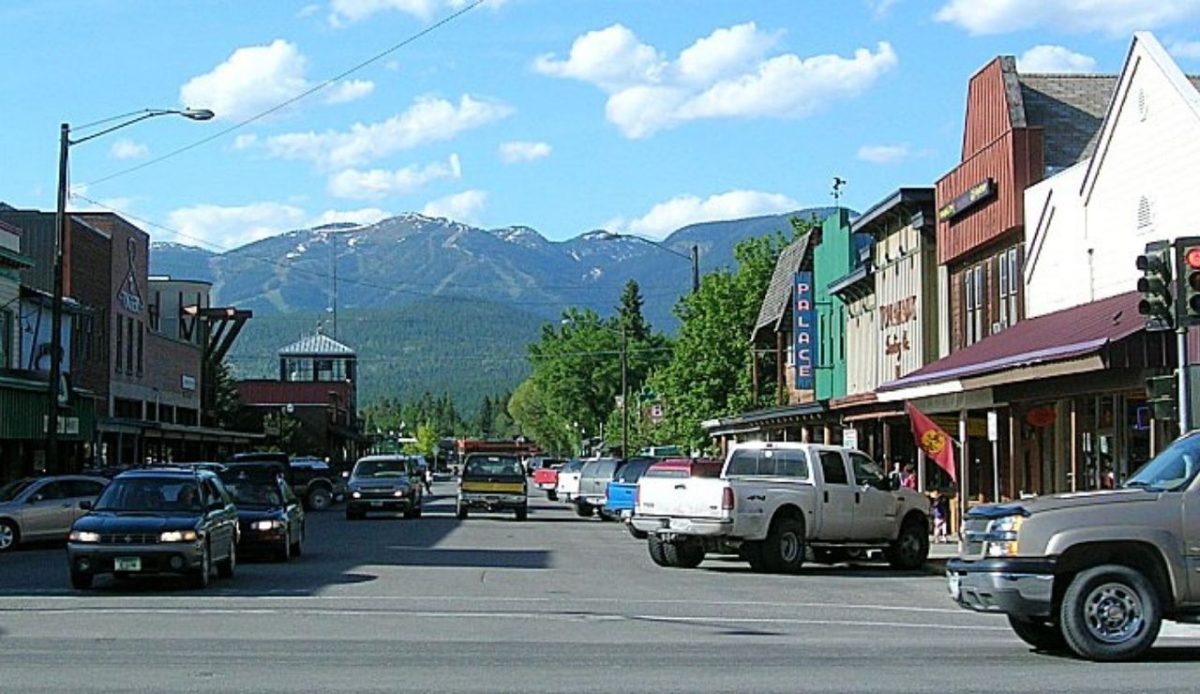
Where remote workers are actually moving
The shift isn’t happening everywhere, of course. Data from the US Census Bureau shows that counties with strong broadband access and proximity to outdoor recreation are seeing the biggest gains in remote workers. Redfin reports a 15% increase in people searching for homes in small towns with a population under 25,000 between 2022 and 2024, a trend directly correlated with the growth of remote work opportunities.
Specific hotspots are emerging. Traverse City, Michigan, with its booming food scene and access to Lake Michigan, has seen a significant influx of young professionals. Asheville, North Carolina, known for its arts community and outdoor adventures, is another popular destination. Smaller towns in the Colorado Rockies and the Pacific Northwest are also experiencing similar trends. These aren't necessarily places with new appeal, but their appeal is now accessible to a wider range of people.
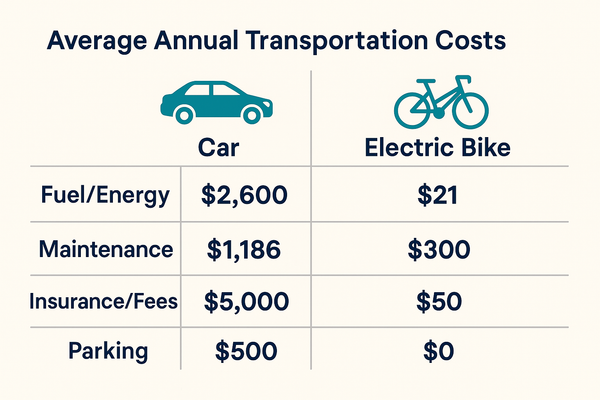
Crucially, the cost of living in these areas is often substantially lower than in major metropolitan areas. A two-bedroom apartment in Boston might cost $3,000 a month, whereas a comparable property in Asheville could be found for $1,800. This financial freedom makes going car-free – and absorbing potential transportation costs like e-bike purchases or occasional ride-shares – much more feasible.
Small Towns Experiencing Remote Work Influx & Car-Free Potential - 2026 Estimates
| Town | State | Median Home Price (2026 estimate) | Walk Score | Bike Score | % of Workforce Remote (2026 estimate) |
|---|---|---|---|---|---|
| Asheville | North Carolina | Approximately $550,000 | 68 | 76 | 35% |
| Bozeman | Montana | Approximately $780,000 | 55 | 70 | 30% |
| Bend | Oregon | Approximately $720,000 | 65 | 82 | 32% |
| Port Townsend | Washington | Approximately $610,000 | 75 | 78 | 28% |
| Traverse City | Michigan | Approximately $480,000 | 62 | 65 | 25% |
| Dahlonega | Georgia | Approximately $420,000 | 58 | 60 | 22% |
| Eureka Springs | Arkansas | Approximately $350,000 | 60 | 55 | 18% |
| Bisbee | Arizona | Approximately $380,000 | 70 | 50 | 20% |
Illustrative comparison based on the article research brief. Verify current pricing, limits, and product details in the official docs before relying on it.
The struggle to update old infrastructure
Most small towns are still hostile to anyone not in a car. Decades of planning for traffic means sidewalks just end mid-block and the only grocery store is a three-mile hike down a highway shoulder. Even the internet is hit-or-miss, though the 2021 Infrastructure Act is finally starting to move the needle on rural fiber optics.
However, towns are starting to respond. Many are applying for grants from the Department of Transportation and the USDA to improve infrastructure. Local initiatives, like volunteer sidewalk repair projects and community bike-sharing programs, are gaining momentum. The No Vehicle November challenge, encouraging people to go car-free for a month, is one example of a grassroots effort to raise awareness and demonstrate the possibilities.
The challenge is significant. Retrofitting existing infrastructure is expensive and time-consuming. But the growing demand from remote workers and car-free residents is creating a powerful incentive for change. It's not just about building bike lanes; it’s about reimagining the town center as a pedestrian-friendly hub, creating safe routes to schools and parks, and ensuring access to essential services for everyone, regardless of their transportation options.
- Connect existing sidewalk gaps so paths don't end abruptly
- Paint dedicated bike lanes on main thoroughfares
- Advocate for expanded public transportation
- Ensure reliable high-speed internet access
- Support local businesses within walking/biking distance
Beyond the Bike: Transportation Options
While walking and biking are central to car-free living, they aren’t always practical for every trip. This is where alternative transportation options come into play. E-bikes and electric scooters are becoming increasingly popular, offering a convenient and affordable way to cover longer distances and tackle hills. They’re also becoming more accessible, with many towns offering rental programs.
Micro-transit solutions are also emerging. Several companies are launching ride-sharing services tailored to small towns, offering on-demand shuttles and shared rides. These services often fill the gaps left by traditional public transportation. Regional bus and train connections, though often limited, can provide access to larger cities and airports.
Long-distance car-sharing is a less developed option, and its viability in small towns is uncertain. The low population density makes it difficult to achieve the scale needed for a sustainable car-sharing program. However, it remains a potential solution, particularly for occasional trips. The town of Holland, Michigan, recently piloted a small-scale car-sharing program with mixed results, highlighting the challenges of implementation.
Community & Connection Without a Car
Car-free living isn’t just about transportation; it’s about lifestyle. It’s about slowing down, connecting with your community, and building relationships with your neighbors. When you’re not isolated in your car, you’re more likely to interact with people, support local businesses, and participate in community events.
A recent article in Business Insider detailed one woman's experience going car-free in the suburbs. She noted a significant increase in her sense of connection to her community, attributing it to the increased frequency of interactions with neighbors while walking or biking. This mirrors the experience of many who choose a car-free lifestyle.
Small towns often have a strong sense of community, with farmers markets, town squares, and local events serving as gathering places. Supporting these spaces and actively participating in community life is essential for building a fulfilling car-free existence. It’s about creating a social network that reduces reliance on a car for errands, social activities, and everyday needs.
How local shops benefit
Car-free living can have a positive impact on the local economy. Increased foot traffic benefits local businesses, as people are more likely to stop and shop when they’re walking or biking. A vibrant town center, filled with pedestrians and cyclists, creates a more attractive and welcoming atmosphere for residents and visitors alike.
The influx of remote workers also boosts the local economy, bringing new income and supporting local services. These residents often prioritize sustainable and locally-sourced products, further benefiting local businesses. Small towns can also attract tourism by promoting their walkability and sustainable lifestyle.
There are potential downsides to consider. Limited parking can be a concern for visitors who do drive. Balancing the needs of car-free residents with those of visitors requires careful planning and consideration. However, the overall economic benefits of car-free living generally outweigh the challenges.
No comments yet. Be the first to share your thoughts!