

The cost of staying put
The dream of homeownership feels increasingly out of reach for many, and it’s not just the mortgage payments driving people to reconsider. Property taxes, insurance premiums, and the constant need for maintenance add layers of expense that often aren’t factored into the initial calculation. In cities like San Francisco, the average homeowner spends over $1,700 a month on housing costs beyond their mortgage, according to a 2023 report by the San Francisco Controller’s Office.
This financial strain hits younger generations and lower-income households particularly hard. The National Association of Realtors reported in late 2023 that first-time homebuyers now account for only 26% of all sales, the lowest percentage in over a decade. It's becoming clear that the traditional path of buying a home and settling down isn’t sustainable for a large portion of the population.
Car ownership is the hidden leak in most household budgets. We plan for the monthly payment but ignore the smaller drains that add up. When you combine a car note with rising rent, the math for middle-class life stops working.
The real price of a car
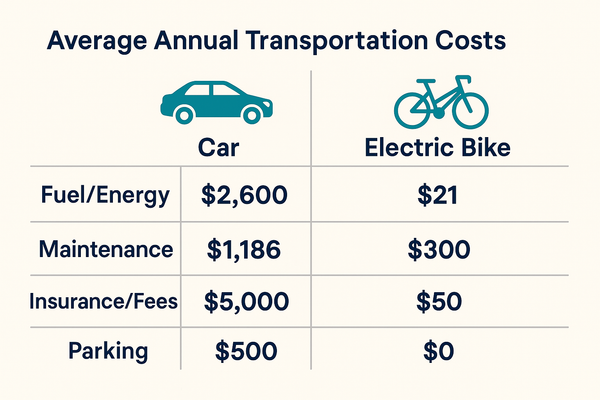
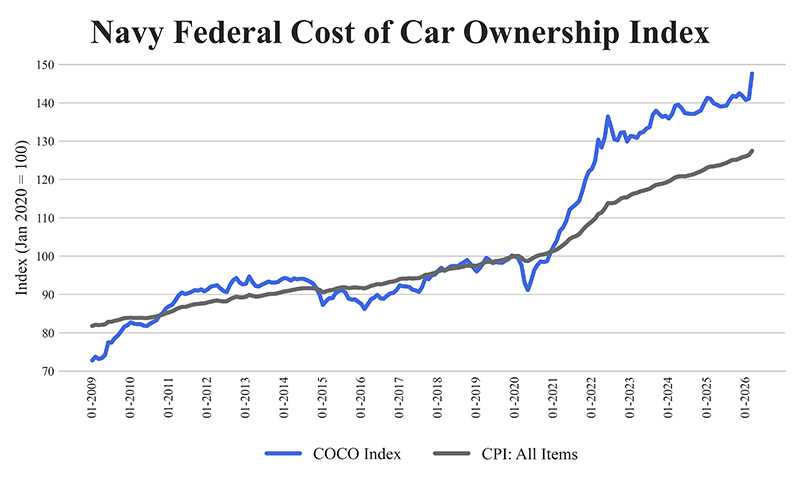
Cars are money pits. AAA found that owning a new vehicle cost over $10,000 in 2023 once you factor in the insurance, gas, and the value the car loses just sitting in the driveway.
Consider a city like New York. Even without factoring in parking – which can easily add another $500+ per month – the annual cost of owning a car can easily exceed $14,000. In Los Angeles, with its sprawling layout, that number climbs even higher, often surpassing $16,000. These are substantial sums that could be allocated to housing, savings, or other priorities.
The environmental impact is also a growing financial consideration. While not a direct cost today, the potential for carbon taxes or significantly increased fuel costs in the future should be on our radar. California, for example, is already exploring mileage-based fees as a potential replacement for the gas tax, which would directly impact drivers.
The 15-minute neighborhood
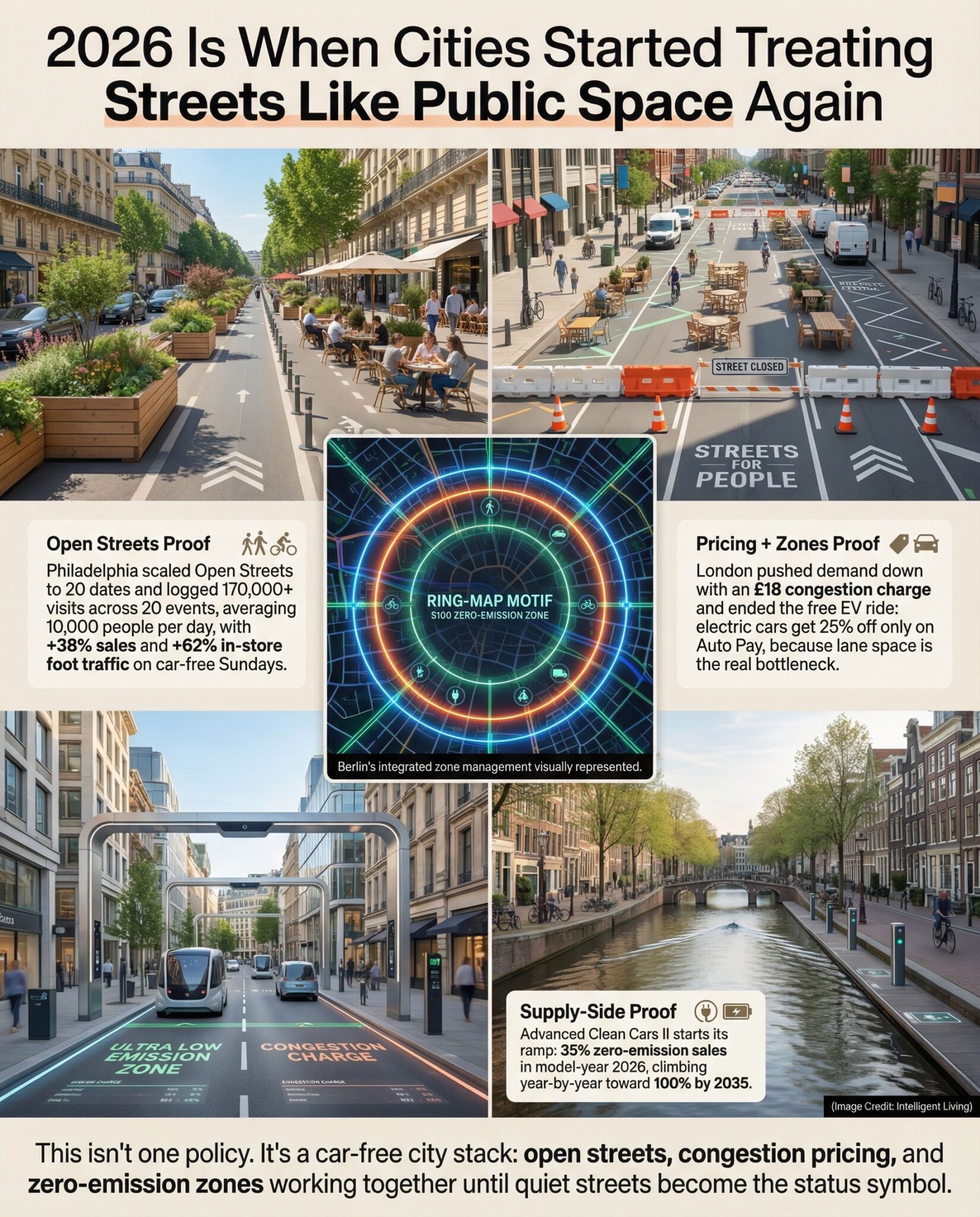
The concept of the 15-minute city is gaining traction as a direct response to the financial and environmental burdens of car-dependent living. The idea, popularized by urban planner Carlos Moreno, is simple: design neighborhoods where residents can access most of their daily needs – work, school, groceries, healthcare – within a 15-minute walk or bike ride.
Paris is arguably the most ambitious example, with Mayor Anne Hidalgo actively reshaping the city to prioritize pedestrians and cyclists over cars. Portland, Oregon, and Melbourne, Australia, are also making significant strides in implementing similar strategies, though they’ve faced pushback from some residents concerned about parking and traffic flow.
It's not a flawless solution, of course. Re-zoning laws and existing infrastructure often present significant hurdles. However, the core principle – reducing reliance on cars by creating more walkable, mixed-use neighborhoods – holds immense promise for improving quality of life and reducing household expenses. It flips the script on decades of suburban sprawl.
Transit Options: More Than Just Buses
Fortunately, most urban areas offer a range of transportation options beyond personal vehicles. Buses remain the workhorse of many transit systems, but subways, light rail, and streetcars provide faster and more efficient alternatives in certain corridors. Bike-sharing programs, like Citi Bike in New York or Divvy in Chicago, offer affordable and convenient short-distance travel.
Ride-sharing services like Uber and Lyft provide on-demand transportation, but their costs can quickly add up, especially during peak hours. It’s important to weigh the convenience against the expense. Microtransit – smaller, on-demand shuttle services – are also emerging as a viable option in some cities, bridging the gap between traditional bus routes and ride-sharing.
Buses and trains are often late or dirty. I've spent plenty of mornings frustrated on a cold platform. But a $100 monthly pass is a fraction of a car payment, and that trade-off is becoming mandatory for anyone trying to save for a down payment.
Comparison of Urban Transit Options
| Mode | Cost | Convenience | Speed | Accessibility | Environmental Impact |
|---|---|---|---|---|---|
| Bus | Medium | Good | Fair | High | Medium |
| Subway | Medium | Excellent | High | Medium | Low |
| Light Rail | Medium | Good | Good | Medium | Low |
| Bike Share | Low | Good | Fair | Medium | Very Low |
| Walking | Low | Fair | Low | Excellent | Very Low |
| Ride-hailing (e.g., Uber/Lyft) | High | Excellent | Good | High | Medium to High |
| Scooter Share | Low to Medium | Good | Fair | Medium | Very Low |
Illustrative comparison based on the article research brief. Verify current pricing, limits, and product details in the official docs before relying on it.
Car-Free Living: Practical Tips & Tools
Transitioning to a car-free lifestyle requires some intentionality. Start by mapping out your common routes and identifying the best transit options. Apps like Citymapper and Transit provide real-time information on bus and train schedules, bike-sharing availability, and ride-sharing prices. Google Maps is also increasingly useful for multimodal trip planning.
Optimize your grocery shopping. Consider smaller, more frequent trips, or utilize grocery delivery services. Explore car-sharing services like Zipcar or Getaround for those occasional needs when a car is essential. These services allow you to access a vehicle by the hour or day, without the long-term commitment of ownership.
Don’t underestimate the power of advocacy. Contact your local representatives and advocate for improved public transit, bike lanes, and pedestrian infrastructure. The more we demand better alternatives to cars, the more likely we are to see them implemented. I've found joining local transportation advocacy groups can be a very effective way to make your voice heard.
Finally, be prepared to adjust your lifestyle. Car-free living may require a bit more planning, walking, or biking, but the financial and environmental benefits are well worth the effort. It’s about prioritizing experiences and community over the convenience of a personal vehicle.
Sharing instead of owning
The sharing economy plays a crucial role in making car-free living more feasible. Car-sharing services provide access to vehicles when needed, without the costs of ownership. Bike-sharing and scooter rentals offer convenient options for short trips. These services collectively offer a more flexible and affordable alternative to owning a car.
Mobility as a Service (MaaS) platforms aim to integrate various transportation options into a single, user-friendly app. These platforms allow users to plan, book, and pay for trips using a combination of public transit, ride-sharing, bike-sharing, and other services. Whim, for example, operates in several European cities, offering a subscription-based MaaS model.
However, the long-term sustainability of these models remains uncertain. Many car-sharing and scooter companies are still struggling to achieve profitability, and regulatory hurdles can be significant. The future of MaaS will likely depend on public-private partnerships and innovative pricing models.
Communities Built for Less
Intentional communities and co-housing projects are actively experimenting with car-free or car-lite living. These communities often prioritize shared resources, communal spaces, and a strong sense of social connection. By reducing the need for individual car ownership, they can significantly lower household expenses and reduce their environmental impact.
Nyland, a co-housing community in Boulder, Colorado, is a prime example. Residents share common facilities, including a dining hall, laundry, and gardens, and prioritize walking, biking, and public transit. Similar communities are emerging across the country, offering a different vision of suburban living.
Forming and maintaining these communities isn’t without its challenges. It requires a significant commitment from residents, a willingness to compromise, and a shared vision for a more sustainable lifestyle. But for those seeking a more connected and affordable way of life, these communities offer a compelling alternative.
Resources for Intentional Communities
- Fellowship for Intentional Community (FIC) - A central hub offering a directory of communities, articles, and resources related to intentional living. They also host events and workshops.
- Cohousing US - Dedicated to promoting cohousing communities across the United States, this organization provides information, networking opportunities, and support for groups forming new cohousing developments.
- IC.org (Intentional Communities website) - This website, maintained by FIC, features an extensive directory searchable by location, type of community, and various lifestyle preferences.
- Open Directory of Intentional Communities - A user-supported directory listing various intentional communities and ecovillages globally, offering community descriptions and contact information.
- Cooperative Housing Federation of Canada - While focused on Canada, this federation provides valuable insights into the cooperative housing model, which often aligns with car-free or car-lite lifestyles.
- LivinHomes - A platform that lists co-living spaces, some of which emphasize sustainable and community-focused living, potentially reducing the need for individual car ownership.
- Meetup.com - Search for local groups focused on intentional communities, cohousing, or sustainable living; these groups can be a great way to connect with like-minded individuals and learn about existing or forming communities.
No comments yet. Be the first to share your thoughts!