

Beyond Copenhagen: Bike City Futures
Cities worldwide are shifting away from car dependency. Growing concerns about climate change, public health, and quality of life are fueling a movement towards alternative transportation. Bike-friendliness signals a city's commitment to sustainable living.
Bike-friendly city rankings have changed significantly since 2020, with new contenders emerging. Infrastructure improvements are part of a global effort to create more livable urban spaces, driven by increased investment and awareness of cycling's benefits.
This list forecasts the top bike-friendly cities for 2026, considering current projects, planned developments, and emerging trends. Data from sources like PeopleForBikes and ErgonBike, alongside urban planning shifts, inform this projection of cities prioritizing cyclists.

The 2026 Top 10: A Ranked List
Ranking bike-friendly cities involves assessing infrastructure, safety, and cultural acceptance. This 2026 list uses the latest data and projected improvements.
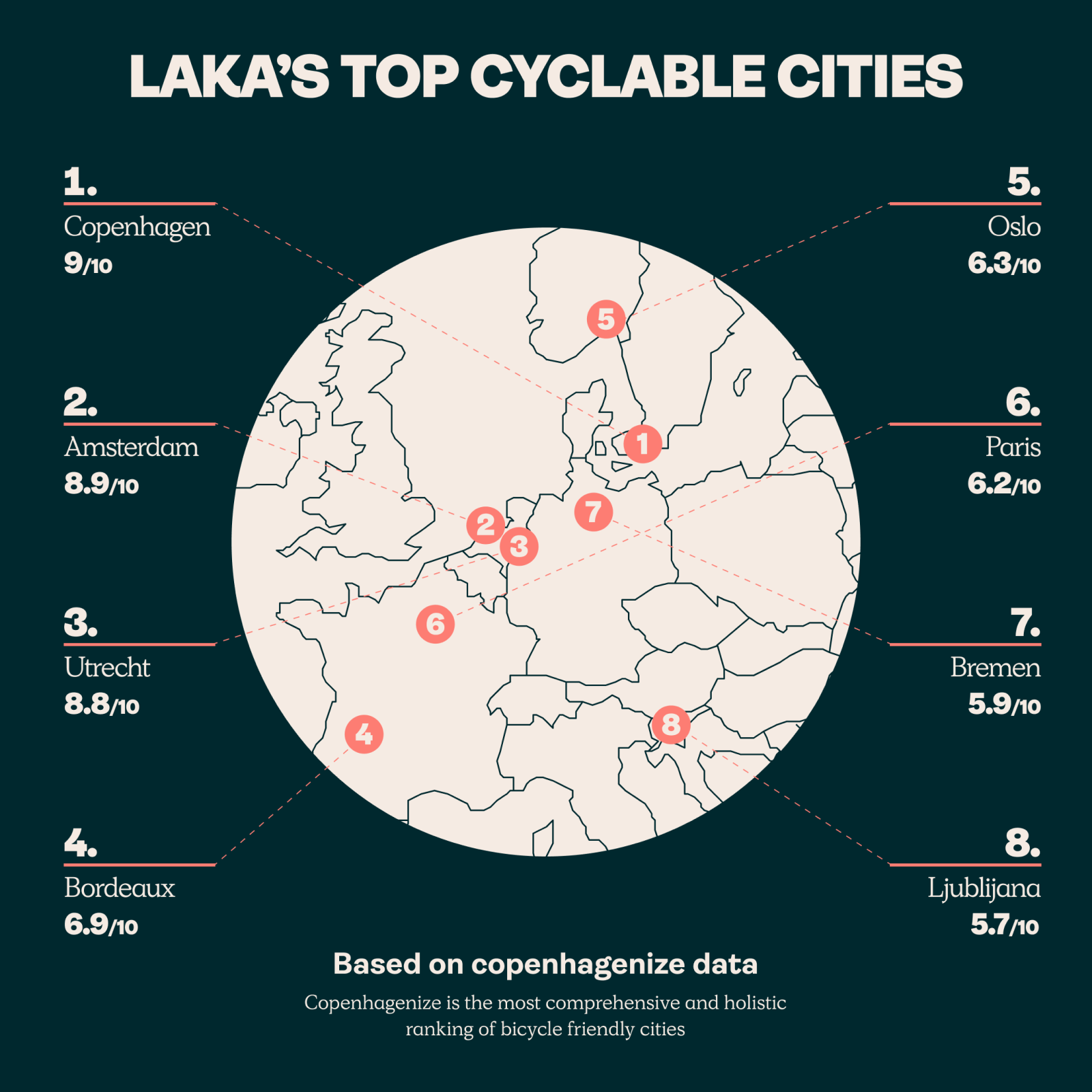
1. Copenhagen, Denmark: Still the gold standard. With over 390 kilometers of dedicated bike lanes, Copenhagen continues to invest in cycling infrastructure. The city’s cycling superhighways—dedicated, fast-cycle routes to neighboring municipalities—are expanding, and new initiatives focus on reducing congestion at key intersections. Cycling accounts for over 62% of all trips in the city center, a testament to its cultural integration.
2. Amsterdam, Netherlands: Boasting over 400 kilometers of bike paths and a remarkable 58% cycling mode share, Amsterdam remains a powerhouse. Recent improvements include wider bike lanes on major arteries and a focus on improving the cycling experience during inclement weather. The city is also experimenting with "bike parking garages" beneath public squares to address storage concerns.
3. Utrecht, Netherlands: Utrecht is rapidly gaining ground, largely thanks to its commitment to innovative infrastructure. The city is home to the world’s largest bike parking garage, capable of holding over 12,500 bikes. They have over 300km of dedicated bike paths. The city actively promotes cycling through campaigns and events, and consistently ranks highly in safety metrics.
4. Strasbourg, France: Strasbourg has quietly become a cycling haven with over 560 kilometers of cycling infrastructure. A comprehensive network of bike paths connects the city center to surrounding areas, and a robust bike-sharing program provides convenient access for residents and tourists. The city also prioritizes cyclists in its urban planning, ensuring that new developments incorporate bike-friendly features.
5. Malmö, Sweden: With over 510 kilometers of bike lanes and bridges, Malmö is a leader in sustainable transportation. The city’s focus on creating a seamless cycling network, combined with its commitment to pedestrian-friendly streets, makes it a highly desirable place to live and cycle. They’ve recently invested in separated bike lanes along major roads.
6. Berlin, Germany: Berlin’s extensive cycling network spans over 1,000 kilometers, but it’s the city’s recent push for separated bike lanes that’s truly impressive. The city is actively converting car lanes into bike lanes, and prioritizing cycling in its long-term urban planning. While still facing challenges with traffic congestion, Berlin is making significant strides.
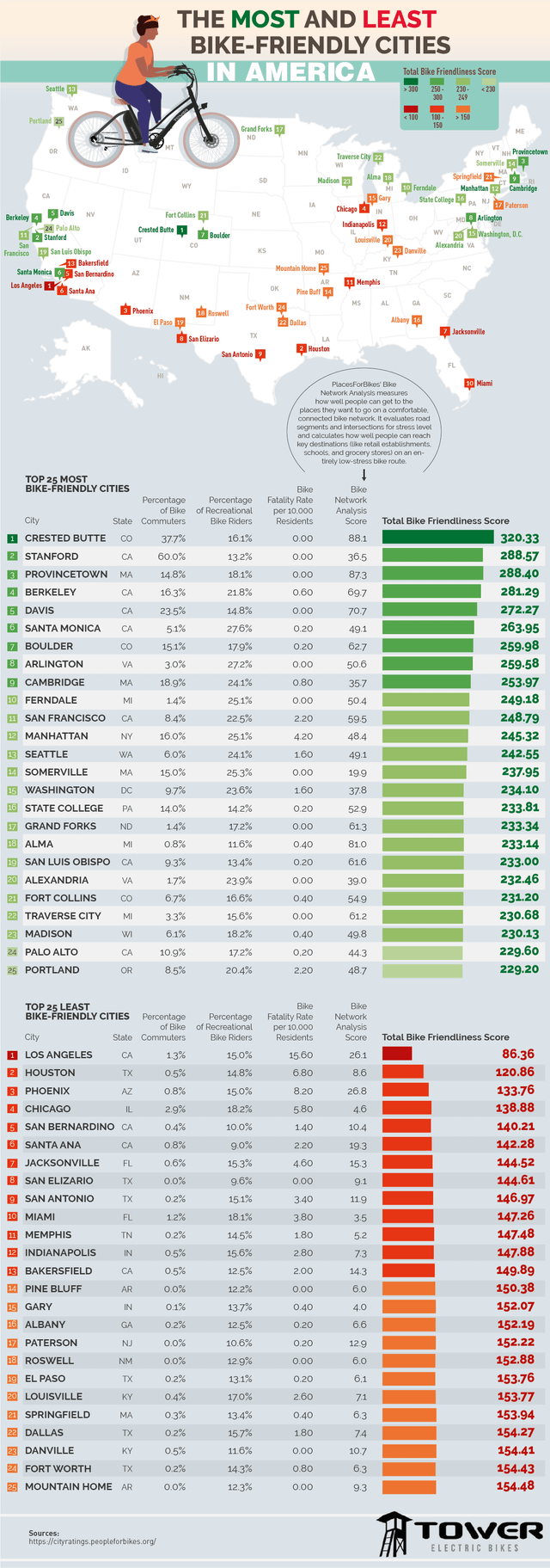
7. Portland, Oregon, USA: Portland has long been a pioneer in cycling advocacy in the United States, with over 350 miles of bikeways. The city’s commitment to creating a complete streets network—streets designed to accommodate all modes of transportation—has made it a popular destination for cyclists. They are currently working on expanding their off-street trail system.
8. Vienna, Austria: Vienna boasts a well-developed cycling infrastructure, including a comprehensive Citybike sharing system and dedicated lanes throughout the city. The city’s focus on safety, combined with its commitment to providing affordable cycling options, makes it a truly bike-friendly destination. They have a strong focus on integrating cycling with public transport.
9. Barcelona, Spain: Barcelona's 200+ kilometers of bike lanes, combined with its popular Bicing bike-sharing system, make it a convenient and enjoyable city for cyclists. The city’s relatively flat terrain and Mediterranean climate also contribute to its bike-friendliness. Recent improvements have focused on creating more protected bike lanes.
10. Montreal, Canada: Montreal’s 800+ kilometers of bike paths, including a dedicated network maintained even during the winter months, set it apart. The city’s commitment to providing safe and accessible cycling infrastructure, combined with its vibrant cycling culture, make it a standout destination. They’ve recently expanded their bike-sharing program and added more bike parking facilities.
Infrastructure That Works: Common Threads
Looking across these top ten cities, certain infrastructure elements consistently emerge. It’s not just about having bike lanes; it’s about the quality and integration of those lanes. Separated bike lanes are perhaps the most critical component. Painted bike lanes offer a minimal level of protection, but physically separated lanes—protected by barriers, bollards, or even parked cars—significantly reduce the risk of collisions.
A low-stress network is also essential. This means creating a connected system of bike routes that avoid busy streets and provide continuous, safe passage. Gaps in the network force cyclists into dangerous situations, undermining the entire purpose of the infrastructure. Continuous routes are key. The best systems prioritize directness and minimize interruptions.
Bike parking availability is often overlooked, but it’s a major factor in encouraging cycling. Secure, convenient bike parking—whether it’s covered racks, bike lockers, or dedicated bike parking garages—makes cycling a more practical option. Finally, integration with public transport is crucial. Allowing bikes on trains and buses, and providing secure bike parking at transit stations, extends the reach of cycling and encourages multimodal commuting.
- Separated bike lanes
- Low-stress network
- Ample bike parking
- Integration with public transport
Comparative Bike Infrastructure – Top 5 Cities (2026 Assessment)
| City Name | Separated Lanes | Bike Parking | Public Transport Integration | Network Continuity |
|---|---|---|---|---|
| Copenhagen, Denmark | Excellent | Good | Excellent | Excellent |
| Amsterdam, Netherlands | Excellent | Excellent | Excellent | Excellent |
| Utrecht, Netherlands | Good | Excellent | Excellent | Good |
| Strasbourg, France | Excellent | Good | Good | Excellent |
| Malmö, Sweden | Good | Good | Good | Excellent |
Illustrative comparison based on the article research brief. Verify current pricing, limits, and product details in the official docs before relying on it.
Safety First: Reducing Risk for Cyclists
Bike infrastructure is only effective if it’s safe. The top bike-friendly cities prioritize cyclist safety through a variety of measures. Lower speed limits in urban areas are a key component. Reducing vehicle speeds gives cyclists more time to react and reduces the severity of collisions.
Enforcement of traffic laws is also critical. This includes enforcing laws against distracted driving, speeding, and illegal parking in bike lanes. Driver education programs that emphasize cyclist awareness and safe passing distances are also important. Many cities are experimenting with innovative intersection designs, such as protected intersections, to separate cyclists and motorists.
Copenhagen and Amsterdam consistently rank highly in safety metrics, thanks in part to their long-standing commitment to cyclist safety. Berlin has also seen a significant reduction in cycling accidents in recent years, following its investment in separated bike lanes and traffic calming measures. Cities are starting to explore technologies like smart traffic lights that detect cyclists and adjust timing accordingly.
Beyond the Core: Emerging Bike Cities
While the top ten cities are well-established cycling destinations, several other cities are making significant progress. Ljubljana, Slovenia, has undergone a remarkable transformation in recent years, pedestrianizing its city center and investing heavily in cycling infrastructure. Seville, Spain, has also made impressive strides, creating a network of bike lanes and a successful bike-sharing program.
Bogotá, Colombia, is another standout example. TransMilenio, the city’s bus rapid transit system, incorporates dedicated bike lanes, and the city hosts weekly "Ciclovía" events, closing major streets to cars and opening them up to cyclists and pedestrians. These events have helped to foster a cycling culture and demonstrate the benefits of car-free streets.
Medellín, Colombia, is also investing in cycling infrastructure and promoting cycling as a sustainable transportation option. These cities demonstrate that bike-friendliness isn’t limited to wealthy, Western nations. With the right investment and political will, any city can become a more bike-friendly place.
Gear Up: Essentials for Urban Cycling
You don’t need a fancy racing bike to enjoy urban cycling. A comfortable city bike or hybrid bike is often the best choice. Look for features like upright handlebars, comfortable saddle, and a rack for carrying groceries or other items. E-bikes are becoming increasingly popular, providing an extra boost for hills or longer commutes.
Essential accessories include a helmet, lights (front and rear), a sturdy lock, and panniers or a basket for carrying cargo. Wearing bright, reflective clothing can also increase your visibility to motorists. Basic maintenance tools, such as a tire lever, pump, and multi-tool, are useful for making minor repairs on the go.
Focus on practicality and affordability. You can find high-quality bike gear at a range of price points. Decathlon offers a good selection of affordable bikes and accessories. REI is a reliable source for more premium gear. Prioritize safety and comfort over aesthetics.
- City bike or hybrid bike
- Helmet
- Lights (front and rear)
- Sturdy lock
- Panniers or basket
- Bright, reflective clothing
- Basic maintenance tools
Essential Gear for Your Car-Free Urban Cycling Adventure

12mm hardened steel shackle for maximum security · Integrated 8mm braided steel cable for added versatility · Includes 2 keys for convenient access
This robust U-lock and cable combination provides essential security for your bicycle in urban environments.

Bright LED lights for enhanced visibility · USB rechargeable for convenience · Waterproof design for all-weather riding
Ensure you are seen by others and can navigate safely at night with this rechargeable LED bike light set.

MIPS (Multi-directional Impact Protection System) for enhanced safety · Adjustable fit system for comfort · Ventilation to keep you cool
Prioritize your safety with this helmet featuring advanced impact protection and a comfortable, adjustable fit.
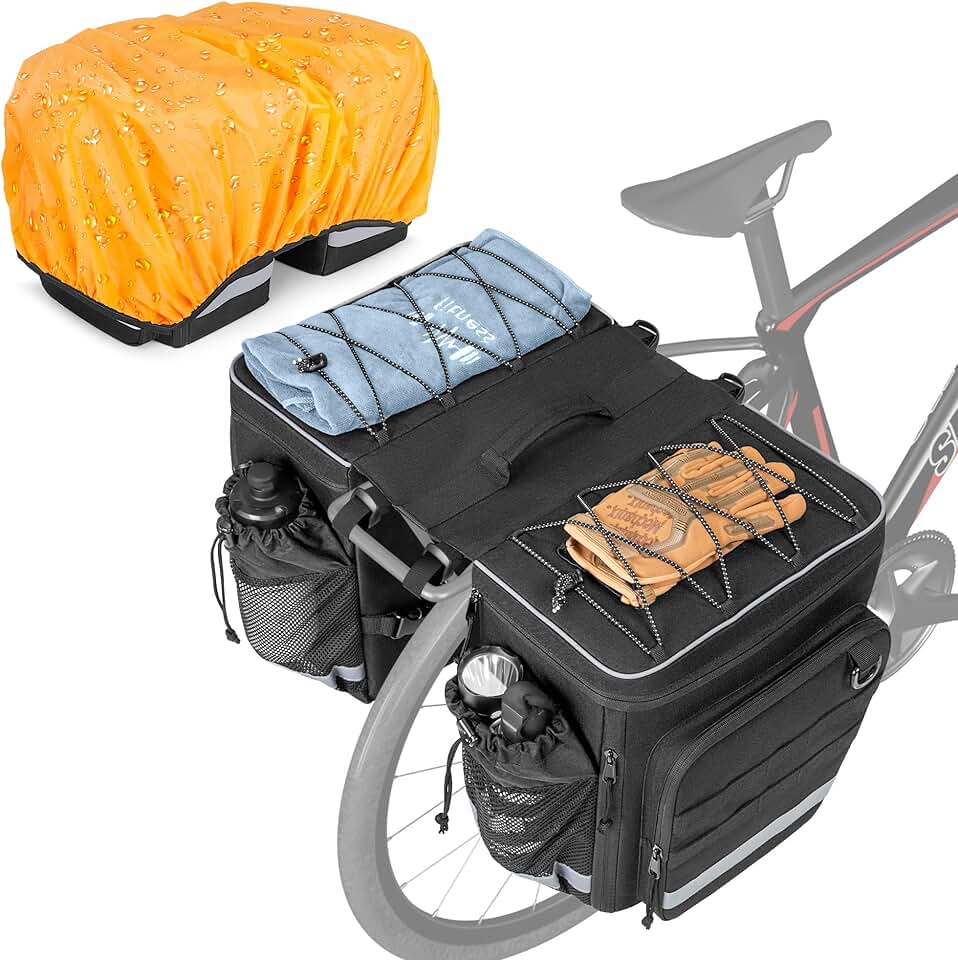
50L large capacity for ample storage · Expandable compartment for increased space · Includes a rain cover to protect contents
Carry all your essentials for commuting or touring with this spacious and weather-resistant pannier set.
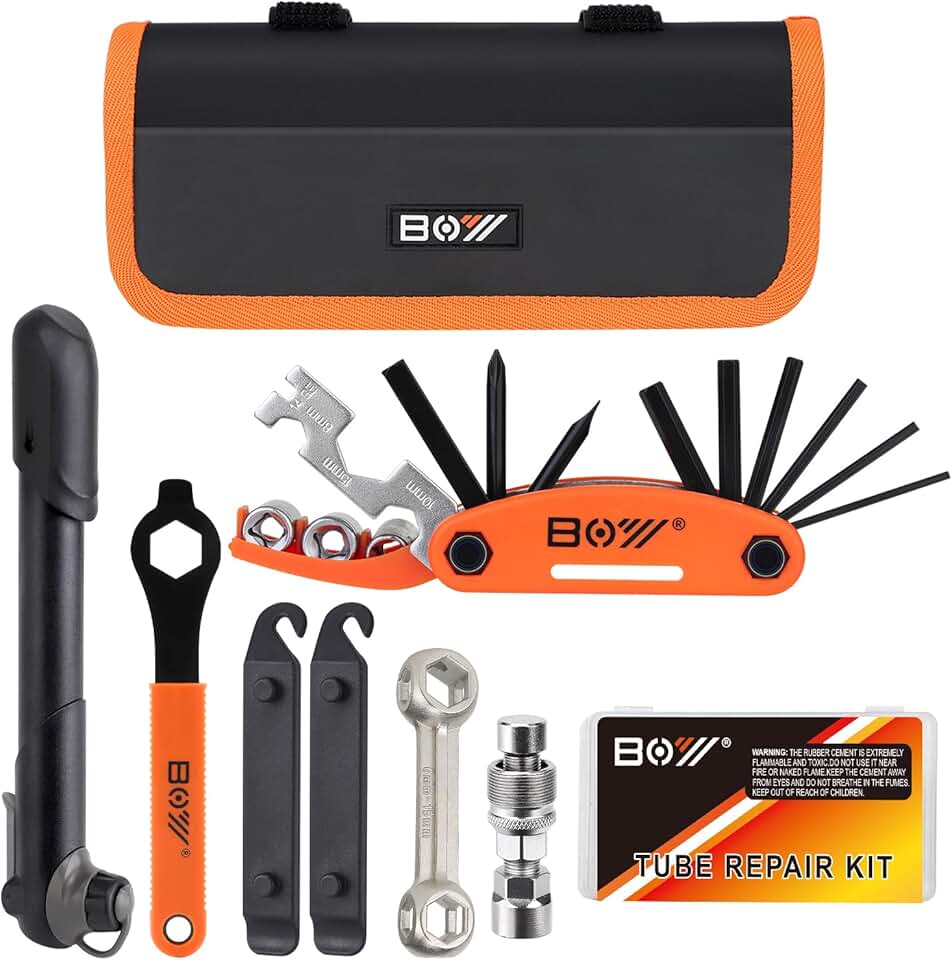
All-in-one repair kit with essential tools · Includes a portable tire pump · Compact and lightweight for easy transport
Be prepared for unexpected mechanical issues with this compact repair kit, ensuring you can fix common problems on the go.
As an Amazon Associate I earn from qualifying purchases. Prices may vary.
Living Car-Free: Realities and Resources
Living car-free in an urban environment requires some adjustments. Grocery shopping can be challenging, but bike trailers or panniers can help you transport larger loads. For occasional bulky items, consider using a car-sharing service or renting a van. Commuting in bad weather requires waterproof clothing and fenders on your bike.
Unexpected situations will inevitably arise. Having a backup plan—such as access to public transport or a ride-sharing service—can provide peace of mind. The benefits of a car-free lifestyle—including improved health, reduced stress, and lower transportation costs—often outweigh the challenges.
Resources for finding bike repair shops, bike-sharing programs, and local cycling advocacy groups are readily available online. PeopleForBikes () offers a directory of bike-friendly businesses and organizations. Local cycling clubs and advocacy groups can provide valuable support and information.
The Future of Bike Cities
The next 5-10 years will likely see continued growth in the popularity of e-bikes, making cycling more accessible to a wider range of people. The development of smart cycling infrastructure—such as traffic lights that adjust to cyclist presence—will further enhance safety and efficiency. The growing demand for sustainable transportation options will continue to drive investment in cycling infrastructure.
Government policy and urban planning will play a crucial role in shaping the future of bike cities. Policies that prioritize cycling, such as congestion pricing and parking restrictions, can encourage more people to choose bikes over cars. Urban planning that incorporates bike-friendly design principles—such as separated bike lanes and pedestrian-friendly streets—will create more livable and sustainable cities.
It’s difficult to predict the exact future, but it’s clear that cycling will play an increasingly important role in urban transportation. The cities that embrace cycling and prioritize cyclist safety will be the most livable and sustainable cities of the future. The momentum is building, and the shift towards car-free urban living is well underway.


No comments yet. Be the first to share your thoughts!