

Beyond Copenhagen
Cities are changing. People are tired of cars and the costs that come with them. In 2026, the shift toward walkable, bikeable streets is finally moving past the experimental phase. It isn't just about the environment; it's about the fact that sitting in traffic is a miserable way to live.
The idea of a "bike-friendly city’ has evolved. It"s no longer enough to simply paint some bike lanes onto existing roads. True bike-friendliness requires a holistic approach that considers safety, accessibility, integration with public transit, and a supportive cultural environment. It's about making cycling the easy choice, the default choice, for everyday trips. This ranking isn’t just about who has the most kilometers of bike paths—it's about who is truly embracing a car-free future.
Ranking cities is, admittedly, a complex undertaking. There’s no single, perfect metric. We’ve drawn on data from organizations like PeopleForBikes and ErgonBike, but also considered qualitative factors and emerging trends. I’m trying to be upfront about the fact that data isn’t always complete, and subjective perceptions inevitably play a role. This list is a snapshot, a conversation starter, and a guide for anyone considering a car-free lifestyle.

How I picked these cities
To create this ranking of bike-friendly cities, we combined several data points and considered a wide range of factors. We heavily relied on the 2025 City Ratings from PeopleForBikes, which assess cities based on infrastructure, safety, and network connectivity. This provided a strong foundation for evaluating the physical environment for cyclists. ErgonBike’s city rankings were also consulted, offering a different perspective, particularly regarding the overall cycling culture and amenities.
Specifically, we looked at a bike infrastructure score—measuring the extent and quality of bike lanes, paths, and trails. Safety ratings were determined by analyzing reported accident data, focusing on incidents involving cyclists. The availability and usage of bike share programs were also key factors, as were policies supporting cycling, such as dedicated funding for bike infrastructure and traffic calming measures. Data from the League of American Bicyclists’ Bicycle Friendly Community program also informed our assessment, especially for US cities.
I didn't just look at spreadsheets. I looked at how easy it is to take a bike on a train and whether drivers actually look for you before turning. Some of this is subjective because data on bike safety is notoriously spotty in certain regions, but these rankings reflect the reality on the ground.
The 15 best cities for bikes
Here's a look at the top 15 bike-friendly cities worldwide in 2026, with a breakdown of what makes each one stand out. Each city also receives a 'car-free living score' out of 10, a subjective assessment of how easily one can live without a car.
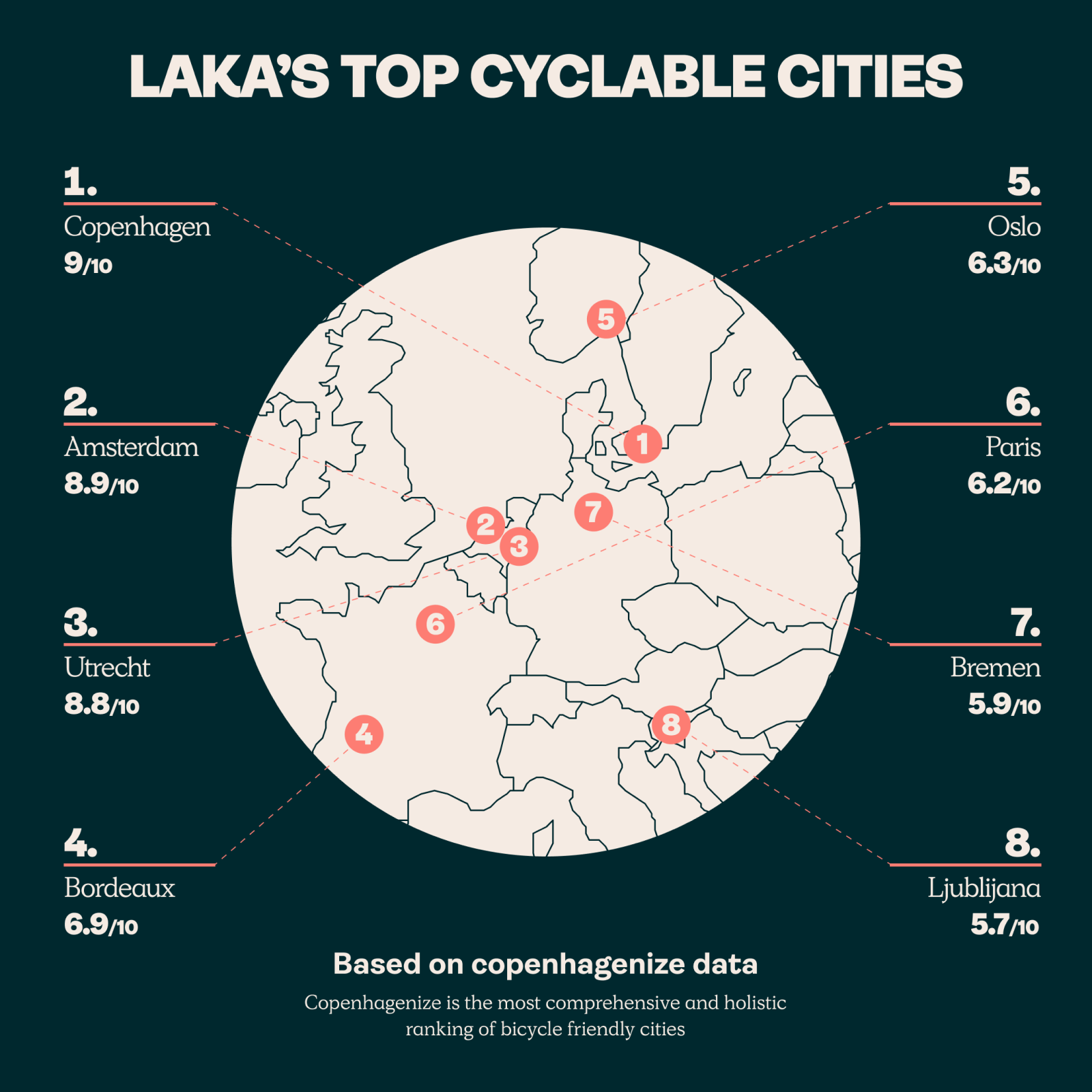
- 1. Copenhagen, Denmark (Car-Free Living Score: 9.5/10): Copenhagen is the gold standard. They have 390 kilometers of lanes and a network of 'bike superhighways' that make commuting from the suburbs faster than driving.
- 2. Amsterdam, Netherlands (Car-Free Living Score: 9/10): About 63% of residents cycle daily. The city is flat and compact, and cyclists have the right-of-way in most situations, which makes driving a car more of a hassle than it's worth.
- 3. Utrecht, Netherlands (Car-Free Living Score: 8.8/10): Utrecht boasts the world’s largest bike parking garage, capable of holding over 12,500 bicycles. This is a clear indication of the city’s dedication to cycling. The city has also invested in a network of dedicated bike routes and prioritized cycling in its urban planning.
- 4. Antwerp, Belgium (Car-Free Living Score: 8.5/10): Antwerp has made significant strides in improving its cycling infrastructure in recent years. The city has implemented a network of protected bike lanes and has launched initiatives to encourage cycling to work and school. They also have a comprehensive bike-sharing scheme.
- 5. Strasbourg, France (Car-Free Living Score: 8.3/10): Strasbourg excels at integrating cycling with its tram system. Cyclists can easily combine cycling with public transit, making it convenient to travel longer distances. The city also has a network of dedicated bike lanes and a bike share program.
- 6. Münster, Germany (Car-Free Living Score: 8.2/10): Münster is a university town with a strong cycling culture. The city has a comprehensive network of bike lanes and paths, and cycling is a popular mode of transportation for students and residents alike. The city actively promotes cycling through various initiatives.
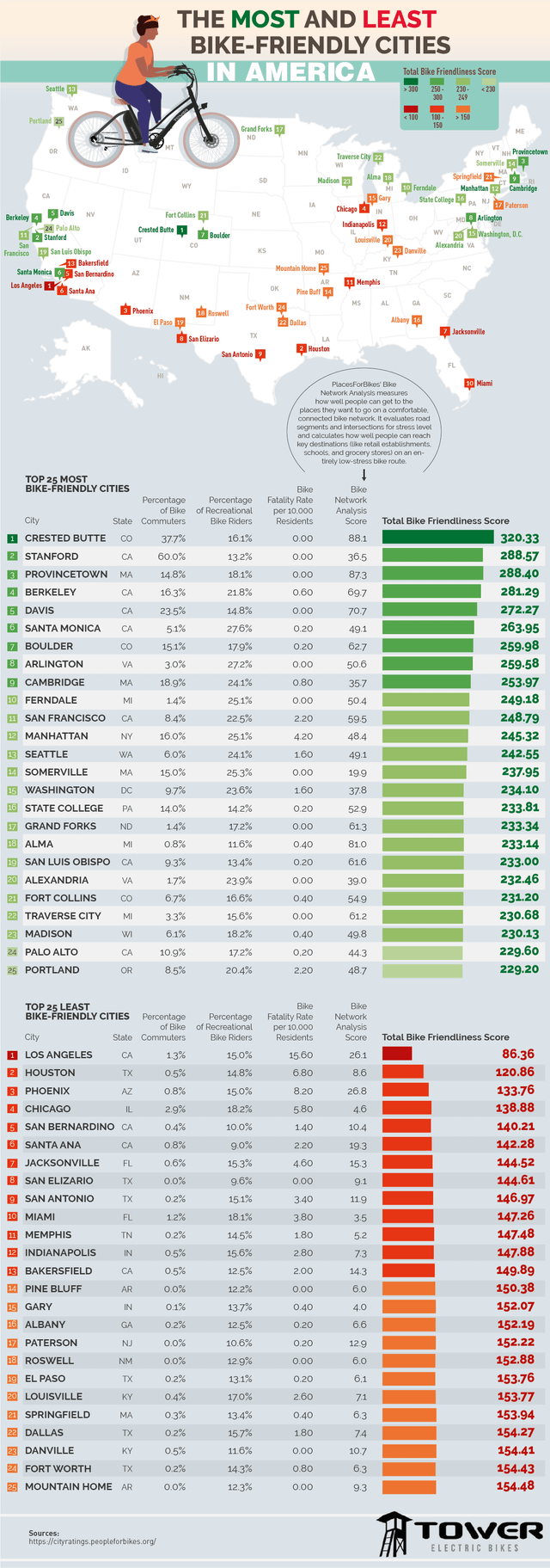
- 7. Portland, Oregon, USA (Car-Free Living Score: 8/10): Portland remains the leader in North American bike infrastructure. The city has a network of protected bike lanes, bike boulevards, and bike parking facilities. However, the hilly terrain can be a challenge for some cyclists.
- 8. Montreal, Canada (Car-Free Living Score: 7.8/10): Montreal has invested heavily in its cycling infrastructure, including year-round maintenance of bike lanes. The city also has a bike share program and a network of dedicated bike routes. The RESO, Montreal’s underground city, also provides some weather-protected cycling routes.
- 9. Berlin, Germany (Car-Free Living Score: 7.7/10): Berlin boasts over 1,000 kilometers of cycling paths, making it easy to get around by bike. The city is relatively flat, and the cycling infrastructure is well-maintained. However, traffic congestion can be a challenge in some areas.
- 10. Barcelona, Spain (Car-Free Living Score: 7.5/10): Barcelona is implementing "superblocks"—pedestrian-prioritized zones that also benefit cyclists. The city also has a bike share program and a network of dedicated bike lanes. The Mediterranean climate makes cycling enjoyable year-round.
- 11. Bologna, Italy (Car-Free Living Score: 7.3/10): Bologna has been rapidly expanding its cycling infrastructure, creating a network of protected bike lanes and pedestrian zones. The city is relatively flat, making it ideal for cycling. They also have a growing bike-sharing program.
- 12. Ljubljana, Slovenia (Car-Free Living Score: 7.2/10): Ljubljana has transformed its city center into a pedestrian and cyclist-friendly zone. The city has invested in a network of bike lanes and paths and has restricted car access to certain areas. This has created a more livable and sustainable urban environment.
- 13. Malmö, Sweden (Car-Free Living Score: 7/10): Malmö has a well-developed cycling infrastructure and a strong commitment to sustainable transportation. The city has a network of bike lanes and paths, and cycling is a popular mode of transportation for residents.
- 14. San Francisco, California, USA (Car-Free Living Score: 6.8/10): San Francisco has made progress in improving its cycling infrastructure, but the hilly terrain and limited space remain challenges. The city has a bike share program and a network of bike lanes, but more investment is needed.
- 15. Tokyo, Japan (Car-Free Living Score: 6.5/10): Despite its reputation for crowded trains, Tokyo is surprisingly bike-friendly. The city has a network of bike lanes and paths, and cycling is a convenient way to get around for short distances. Bike parking is readily available, and theft is relatively low.
Top 8 Bike-Friendly Cities Worldwide in 2026
| City | Country | Car-Free Living Score (1-10) | Bike Infrastructure Score (PeopleForBikes data if available) | Key Feature |
|---|---|---|---|---|
| Copenhagen | Denmark | 9/10 | 91 (PeopleForBikes 2025) | Boasts over 390 km of dedicated bike lanes, prioritizing cycling infrastructure. |
| Amsterdam | Netherlands | 9.5/10 | 86 (PeopleForBikes 2025) | Approximately 63% of residents cycle daily, making it a truly bike-centric city. |
| Utrecht | Netherlands | 8.5/10 | 83 (PeopleForBikes 2025) | Features the world's largest bike parking garage, accommodating thousands of bicycles. |
| Strasbourg | France | 8/10 | 79 (PeopleForBikes 2025) | Offers extensive integration between tram lines and bicycle routes for seamless transport. |
| Portland | Oregon, USA | 7.5/10 | 76 (PeopleForBikes 2025) | Is a leading city in North America for bike infrastructure and accessibility. |
| Berlin | Germany | 8/10 | 73 (PeopleForBikes 2025) | Provides over 1,000 km of cycling paths throughout the city and surrounding areas. |
| Barcelona | Spain | 7/10 | 68 (PeopleForBikes 2025) | Implements superblocks and bike-priority zones to reduce car traffic and enhance cycling safety. |
| Montreal | Canada | 7.5/10 | 65 (PeopleForBikes 2025) | Maintains year-round cycling infrastructure, including winter maintenance for continued usability. |
Illustrative comparison based on the article research brief. Verify current pricing, limits, and product details in the official docs before relying on it.
Infrastructure that actually works
Several cities on this list have implemented particularly impressive bike infrastructure solutions. Utrecht’s bike parking garages are a prime example. Facing a shortage of parking space, the city built massive, multi-story parking facilities specifically for bicycles. This demonstrates a willingness to prioritize cycling and provide the necessary infrastructure to support it. The largest, Station Utrecht Centraal, can hold over 12,500 bikes.
Copenhagen’s "bike superhighways" are another standout feature. These are dedicated bike routes that connect the city center to surrounding suburbs, allowing cyclists to commute long distances quickly and safely. These routes are often physically separated from car traffic, providing a comfortable and efficient cycling experience. The emphasis on directness and speed is key to their success.
Montreal’s integration of the RESO (underground city) with bike routes is a unique and innovative approach. The RESO provides a network of underground tunnels that connect buildings and metro stations. By incorporating bike routes into this network, Montreal offers cyclists a weather-protected and convenient way to travel during the winter months. This is a particularly valuable feature in a city with harsh winters.
Beyond the Bike: Integrated Transit
Car-free living isn't solely about cycling; it’s about creating a comprehensive transportation ecosystem. Integrated public transit is essential. Cities like Copenhagen and Amsterdam excel in this regard, with seamless connections between bike lanes, bike parking at train stations, and the ability to bring bikes on trains and buses. This allows residents to combine cycling with longer-distance travel.
The ease of taking your bike on public transit is a crucial factor. Many cities now allow bikes on trains and buses, often with designated spaces. Secure bike parking facilities at transit hubs are also vital, providing a safe and convenient place to store your bike while you commute. The more convenient it is to combine cycling with public transit, the more attractive car-free living becomes.
Ride-sharing and micro-mobility options (scooters, e-bikes) also play a role. These services can fill gaps in the transportation network and provide convenient options for short trips. However, it’s important to regulate these services to ensure they don’t compete with cycling or create new safety hazards.
- Amazon Products for Integrated Transit:
- Bike Locks:
- Bike Panniers:
- Bike Lights:
Essential Gear for Thriving in Bike-Friendly Cities

Lightweight and versatile design · Durable ripstop fabric · Comfortable shoulder straps
This backpack offers a convenient and comfortable way to carry your essentials while navigating city streets on your bike.
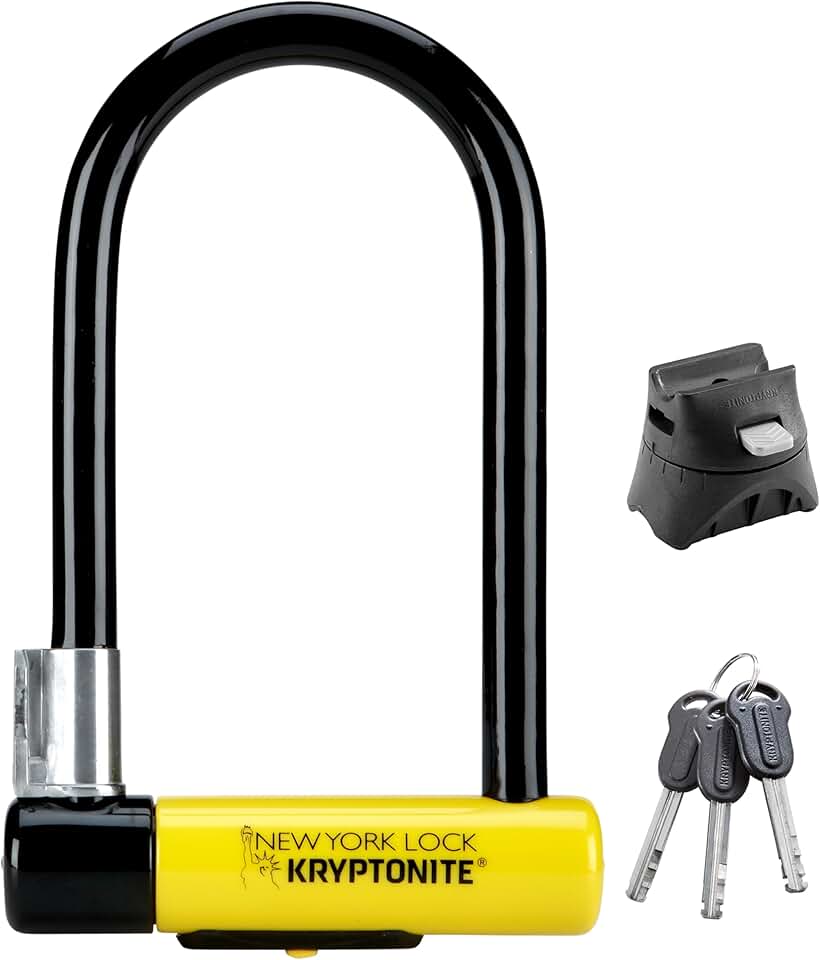
16mm hardened steel shackle · Double deadbolt locking mechanism · Includes mounting bracket
Ensure your bicycle's security with this heavy-duty U-lock, providing peace of mind in urban environments.

Compact and lightweight design · Integrated pressure gauge · Compatible with multiple valve types
Keep your tires properly inflated with this portable pump, essential for maintaining optimal performance on your rides.

MIPS (Multi-directional Impact Protection System) · In-mold polycarbonate shell · Adjustable fit system
Prioritize your safety with this cycling helmet, featuring advanced protection technology for urban cycling.

Waterproof and windproof fabric · Breathable construction · Reflective details for visibility
Stay protected from the elements and visible in traffic with this durable and functional parka coat.
As an Amazon Associate I earn from qualifying purchases. Prices may vary.
The Future of Car-Free Cities
Looking ahead to 2026 and beyond, several trends are likely to shape the future of car-free living. The increasing popularity of e-bikes will make cycling more accessible to a wider range of people, particularly those who live in hilly areas or have longer commutes. Autonomous vehicles could also play a role, potentially reducing the need for personal car ownership.
Changing urban planning philosophies are also important. More cities are adopting "complete streets" designs that prioritize pedestrians, cyclists, and public transit. This involves reallocating road space from cars to other modes of transportation and creating more livable and sustainable urban environments. The biggest challenge, I think, remains convincing people to change their habits.
Overcoming ingrained car dependency will require continued investment in cycling infrastructure, integrated public transit, and public awareness campaigns. It will also require a shift in mindset, recognizing that car-free living isn’t about sacrifice—it’s about creating healthier, more vibrant, and more sustainable communities.
What is the biggest barrier to you living a more car-free lifestyle?
Cities like Copenhagen with 390+ km of dedicated bike lanes and Amsterdam where 63% of residents cycle daily show that car-free living is possible. But what holds you back? Vote below!


No comments yet. Be the first to share your thoughts!