

Why bike-friendly cities matter now
The shift toward car-free living is no longer a niche hobby; it is a practical response to rising costs and urban congestion. Choosing a city where you can rely on a bicycle for daily transport changes your relationship with your environment. It turns commuting into exercise and errands into short, manageable trips. This lifestyle reduces household expenses significantly, as you eliminate fuel, insurance, and maintenance costs associated with a second vehicle.
However, a city labeled "bike-friendly" needs to offer more than just painted lanes. True accessibility requires a connected network of protected infrastructure that accommodates riders of all ages and abilities. Organizations like the League of American Bicyclists and PeopleForBikes evaluate cities based on engineering standards, policy support, and rider safety data rather than just the presence of bike racks. A truly supportive urban environment allows a parent to ride safely to school and a worker to commute efficiently without fear of traffic.
When evaluating where to live, look for cities with high ratings from established cycling organizations. These rankings reflect real-world conditions: separated lanes, clear signage, and secure parking. The goal is to find a place where biking is a viable, safe, and convenient primary mode of transport, not just a weekend recreational activity.
10 Bike-Friendly Cities for Living Without a Car in 2026
Choosing where to live without a car requires looking beyond general reputation. The following ten cities represent the gold standard for urban cycling infrastructure, safety, and car-free viability. Each entry highlights specific infrastructure features, cultural norms, and practical considerations for residents.
1. Copenhagen, Denmark
Copenhagen is widely considered the world’s premier cycling capital. The city boasts over 390 kilometers of cycle tracks, many of which are physically separated from traffic. The "cycle superhighways" connect suburban areas to the city center, allowing commuters to travel long distances efficiently. Winter maintenance is prioritized, ensuring year-round usability. The culture is so entrenched that cycling is the default mode for over 60% of commutes.
2. Utrecht, Netherlands
Utrecht features the world’s largest bicycle parking facility, capable of holding over 12,500 bikes. The city’s infrastructure includes extensive underground parking hubs with repair stations and charging points for e-bikes. Traffic lights are equipped with bicycle-specific signals, reducing wait times. The city center has been largely car-free, creating a pedestrian and cyclist priority zone that enhances safety and comfort.
3. Amsterdam, Netherlands
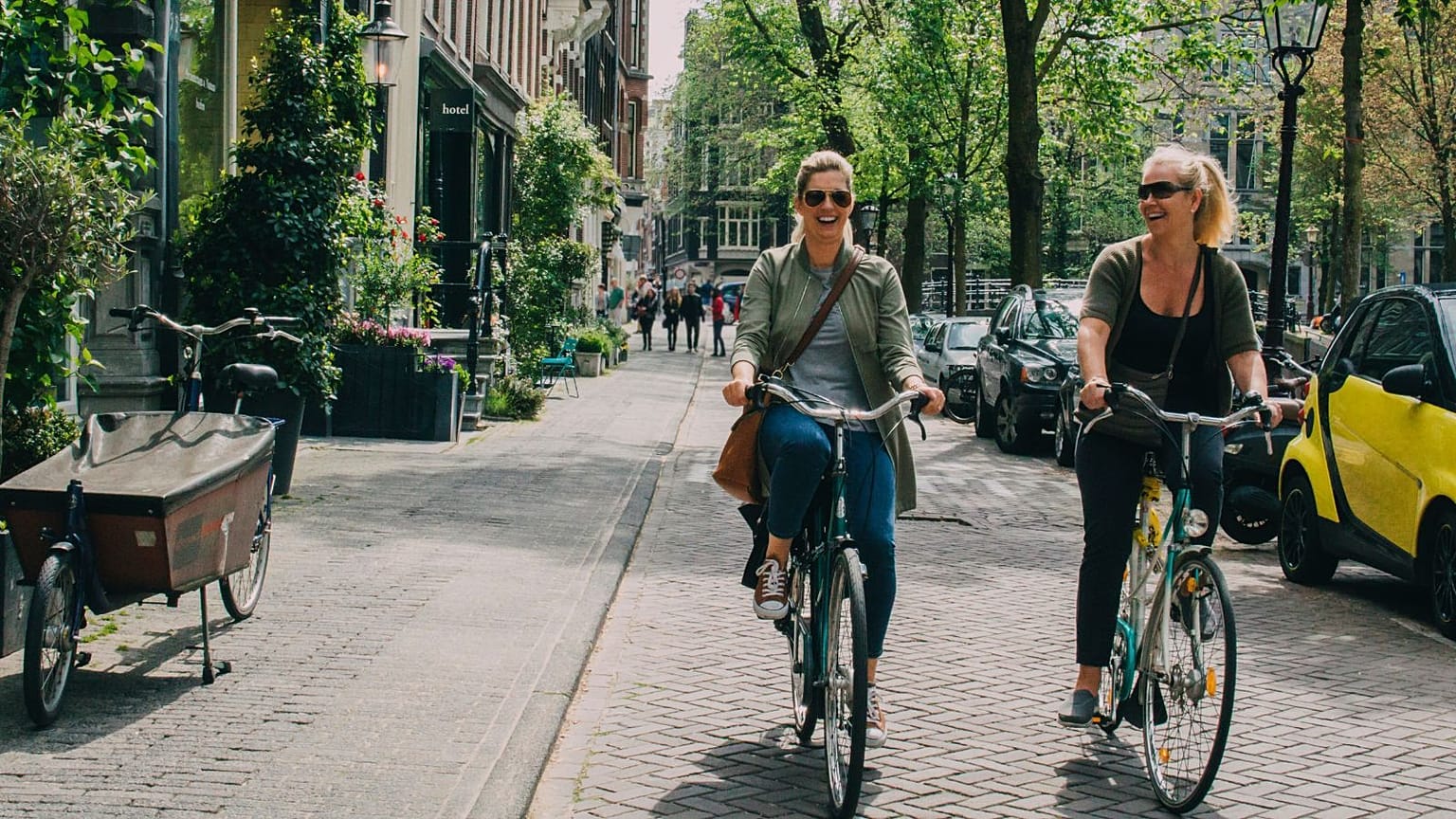
As the historic heart of cycling culture, Amsterdam offers an integrated network of bike paths that cover every neighborhood. The city’s narrow streets and canal bridges are designed with cyclists in mind, often giving them right-of-way. Amsterdam’s approach to traffic calming and separated lanes makes it safe for children and elderly riders. The city also provides ample secure parking at public transport hubs, facilitating multi-modal commuting.
4. Ghent, Belgium
Ghent has transformed its urban landscape by implementing strict car-free zones in the city center. The city has expanded its network of protected bike lanes and introduced "green waves," where traffic lights are synchronized to maintain a steady speed of 30 km/h for cyclists. Ghent’s policy of prioritizing public transport and cycling over private vehicles has significantly reduced traffic congestion and improved air quality.
5. Portland, USA
Portland is a leader in North American cycling infrastructure, featuring a comprehensive network of protected intersections and separated bike lanes. The city’s "Green Loop" provides a low-stress route around downtown, connecting major neighborhoods. Portland’s cycling culture is inclusive, with strong advocacy groups promoting equity and safety. The city also offers bike-share programs and extensive repair facilities, making car-free living accessible to diverse populations.
6. Minneapolis, USA
Minneapolis boasts the "Grand Rounds" system, a 50-mile network of parkways and bike paths that connect the city’s parks and neighborhoods. The city has invested heavily in protected bike lanes and winter maintenance, ensuring year-round accessibility. Minneapolis’s flat terrain and grid-like street layout make it easy to navigate by bike. The city’s strong community of cyclists and supportive local policies create a welcoming environment for car-free residents.
7. Seville, Spain
Seville transformed its cycling culture in just a few years by building a 75-kilometer network of protected bike lanes. The city’s flat terrain and mild climate make it ideal for cycling. Seville’s approach included installing bike racks, traffic signals for cyclists, and public bike-share stations. The rapid expansion of infrastructure led to a dramatic increase in cycling rates, demonstrating how quick policy changes can shift urban mobility habits.
8. Montreal, Canada
Montreal has one of the most extensive cycling networks in North America, with over 1,000 kilometers of bike paths. The city’s "boulevards" are designed to accommodate cyclists, with protected lanes and traffic calming measures. Montreal’s harsh winters are mitigated by aggressive snow removal on bike paths, ensuring year-round usability. The city’s vibrant cycling culture and strong advocacy groups continue to push for further infrastructure improvements.
9. Berlin, Germany
Berlin has rapidly expanded its cycling infrastructure, adding hundreds of kilometers of bike lanes in recent years. The city’s approach includes converting car lanes into bike lanes and creating "bike boulevards" that prioritize cyclists through residential areas. Berlin’s diverse neighborhoods offer varying levels of cycling infrastructure, but the overall trend is toward greater safety and accessibility. The city’s large population of young professionals has fueled a surge in cycling adoption.
10. Bogotá, Colombia
Bogotá pioneered the "Ciclovía" program, where hundreds of kilometers of roads are closed to cars every Sunday and holiday, opening them exclusively for cyclists and pedestrians. The city has since developed a permanent network of "ciclovías," or protected bike lanes, connecting major districts. Bogotá’s commitment to sustainable transport has made it a model for other Latin American cities, demonstrating how infrastructure can promote equity and health in dense urban environments.
Compare Top Bike-Friendly Cities
Choosing where to live without a car requires looking beyond general reputation. The table below compares six leading cities based on infrastructure quality, cultural acceptance, and practical car-free viability. These metrics help you weigh which environment matches your daily commute and lifestyle needs.
| City | Infrastructure | Culture | Car-Free Viability |
|---|---|---|---|
| Copenhagen, Denmark | Dedicated cycle superhighways | High cycling participation | Excellent |
| Utrecht, Netherlands | Massive bike parking hubs | Cycling as default mode | Excellent |
| Amsterdam, Netherlands | Extensive network | Historic cycling capital | Excellent |
| Ghent, Belgium | Growing separated lanes | Strong bike-first policy | Very Good |
| Portland, USA | Protected intersections | Urban cycling community | Good |
| Minneapolis, USA | Grand Rounds system | Recreational to commuter | Good |
Infrastructure determines how safe and efficient your ride is, while culture affects whether you feel comfortable sharing the road. Viability scores reflect how easily you can handle daily errands, work commutes, and social activities without owning a vehicle. Cities like Copenhagen and Utrecht lead because their systems are designed for all ages and abilities, not just enthusiasts.
Essential gear for car-free living
Living without a car shifts your bicycle from a weekend hobby to your primary transport. The right equipment makes daily commuting safer, more comfortable, and more efficient. Rather than buying expensive specialty items, focus on durable basics that handle urban weather and security risks.
Security and Safety
A heavy-duty U-lock is non-negotiable. Lightweight cable locks are easy to cut; a solid U-lock or folding lock resists bolt cutters. Pair this with a bright front light and a rear blinker. Visibility is your best defense against distracted drivers in busy cities like San Francisco or New York.
Cargo and Comfort
You need to carry groceries, laptops, and rain gear. A rear pannier bag distributes weight evenly, keeping your ride stable. For shorter trips, a handlebar bag offers quick access to your phone or wallet. Add a simple fender kit to keep your clothes dry during sudden downpours.


As an Amazon Associate, we may earn from qualifying purchases.
Start with these three categories. Once you have a secure lock, reliable lights, and a way to carry your stuff, you are ready to navigate any bike-friendly city without a car.
No comments yet. Be the first to share your thoughts!