

Why choose car-free beach travel
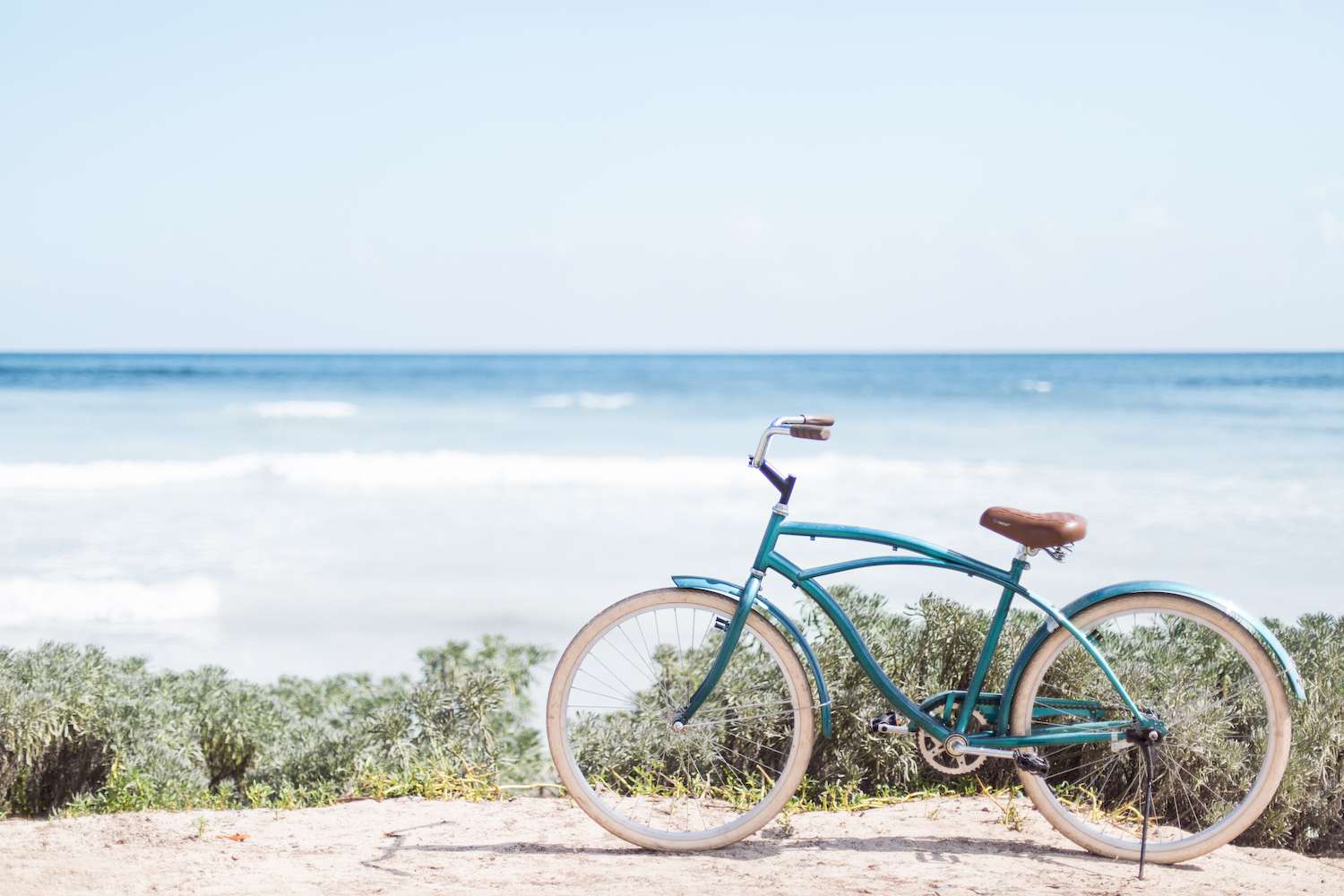
Car-free beach travel shifts the focus from the drive to the destination. By leaving the car behind, you trade the stress of parking fees and traffic for a slower, more deliberate pace. This approach naturally lowers your carbon footprint, allowing you to explore coastal ecosystems with a lighter environmental impact. It also forces a deeper immersion in local communities, where you rely on footpaths, bike lanes, and public transit rather than isolated rental cars.
The value proposition is simple: fewer decisions and more discovery. Without a vehicle, you are more likely to stumble upon local cafes, hidden coves, and neighborhood markets that often go unnoticed by those behind the wheel. This method of travel encourages engagement with the place you are visiting, turning a simple vacation into a more authentic experience.
Consider destinations like Daufuskie Island in South Carolina or Tangier Island in Virginia, where cars are either unnecessary or entirely absent. In these places, golf carts, bicycles, and boats are the primary modes of transport. This constraint actually liberates you from the need to plan every mile of your journey, allowing for spontaneous exploration of the shoreline and local culture.
Top accessible coastal destinations
Choosing the right destination requires balancing accessibility with the promise of a vehicle-free experience. The best options offer reliable public transit or walkable infrastructure, ensuring you can reach the beach and local amenities without needing a personal vehicle.
Mackinac Island, Michigan Cars are banned on this historic island, making it one of the most distinct car-free beach destinations in the United States. Transportation relies on horse-drawn carriages, bicycles, and walking. The island offers a unique blend of Victorian charm and natural beauty, with extensive bike trails connecting the beach to downtown Mackinaw City via ferry.
Daufuskie Island, South Carolina Located near Hilton Head, Daufuskie Island has no traffic lights and very few paved roads. Golf carts are the primary mode of transport, and the island retains a rustic, low-density feel. Visitors arrive by ferry from Hilton Head or Bluffton, and the lack of cars ensures a quiet, nature-focused experience.
Tangier Island, Virginia Accessible only by boat, Tangier Island is a working fishing community with no cars. Visitors navigate by foot, bicycle, or golf cart. The island offers a glimpse into a unique maritime culture and pristine Chesapeake Bay waters, though visitors should be prepared for limited amenities and a remote setting.
Essential gear for car-free beach trips
Traveling to a car-free beach destination changes how you pack. Without a trunk to store bulk items, every ounce counts. You need gear that is lightweight, durable, and easy to carry on public transit, ferries, or shared shuttles. The right equipment turns a logistical challenge into a smooth, enjoyable experience.
Focus on compact luggage that can navigate narrow cobblestone streets or crowded train cars without dragging. A sturdy, wheeled carry-on or a high-quality backpack allows you to move independently between your accommodation and the shore. Pair this with a collapsible beach bag that disappears when empty, leaving you free to explore the local area without bulky clutter.




As an Amazon Associate, we may earn from qualifying purchases.
Beyond luggage, technology and comfort items are vital. A high-capacity portable charger ensures your phone stays powered for maps, transit tickets, and photos throughout the day. Since you won't have a car to return to for comfort, pack a quick-dry towel and a compact umbrella that provide relief from the sun without adding weight to your daily carry.
Plan your car-free beach itinerary
Booking a car-free beach vacation requires a different rhythm than driving. You are trading the flexibility of a personal vehicle for the efficiency of public transit and walking. This shift demands early planning and a lighter pack. If you wait until the last minute, you risk paying premium fares for ferries or trains that sell out during peak summer months.
Start by securing your long-haul transit. Whether you are taking a train to a coastal city or a ferry to an island, buy these tickets weeks in advance. Early booking often unlocks the best prices and ensures you have a seat. Once your arrival is locked in, map out your local connections. Most car-free beach towns have reliable buses or trams, but schedules can be sparse outside of summer.
Packing light is not just a suggestion; it is a necessity. You will be carrying your bags up stairs, onto crowded trains, and along sandy paths. A durable duffel bag or a compact backpack is far easier to manage than a rigid suitcase. Choose versatile clothing that dries quickly and layers well for changing coastal weather.




As an Amazon Associate, we may earn from qualifying purchases.
Frequently asked: what to check next
Is it safe to explore car-free beach towns?
Yes, most car-free beach destinations are designed for pedestrians and cyclists. Places like Mackinac Island prioritize walkability and safety, making them ideal for families and solo travelers who want to avoid traffic risks.
How do I handle luggage without a car?
Choose accommodations near ferry terminals, bus stops, or main streets. Pack light with a durable carry-on or weekender bag to navigate stairs and cobblestones easily. For longer stays, consider luggage storage services at local hotels or transit hubs.
Can I find good food without a car?
Absolutely. Car-free beach towns often cluster restaurants, cafes, and grocery stores within walking distance. In destinations like Mackinac Island or Daufuskie Island, you can easily walk from your hotel to dinner or grab fresh seafood from local markets without needing a vehicle.
No comments yet. Be the first to share your thoughts!