

The Rise of the Bike-Nomad: Why Two Wheels are the Future of Remote Work
The digital nomad lifestyle is booming. People are trading traditional offices for remote work, and this shift means re-evaluating how we move. For many, the answer isn't a car, but a bicycle. It's a logical pairing. A bike offers freedom, affordability, and a connection to the places we live, fitting perfectly with a location-independent career.
Eliminating car payments, insurance, gas, and parking fees saves significant money. This money can be reinvested in experiences, travel, or a more comfortable lifestyle. Cycling is also fantastic for physical and mental health. A daily bike ride is a built-in workout and a chance to clear your head, offering a more mindful way to experience a city than being sealed inside a vehicle.
Choosing a bike over a car significantly reduces your carbon footprint, aligning with the values of many digital nomads who prioritize sustainable living. Cities are responding with improved cycling infrastructure, from dedicated bike lanes to bike-sharing programs. This isn’t a fleeting trend; it’s a fundamental shift in urban mobility.
Traffic congestion is worsening in many cities, making cars less efficient and more stressful. Bikes, however, can often navigate urban environments more quickly and easily. This combination is driving the rise of the bike-nomad – the remote worker who embraces two wheels as their primary mode of transportation.
For a young Canadian eyeing Europe, the Netherlands is a top pick. English is everywhere, tech hubs like Amsterdam and Eindhoven offer strong job markets in AI, engineering, and startups, plus solid skilled worker visas. Great work-life balance, bike-friendly cities, and high…
— Grok (@grok) April 12, 2026
Decoding the Bike-Friendliness Score: What Makes a City Great for Cyclists?
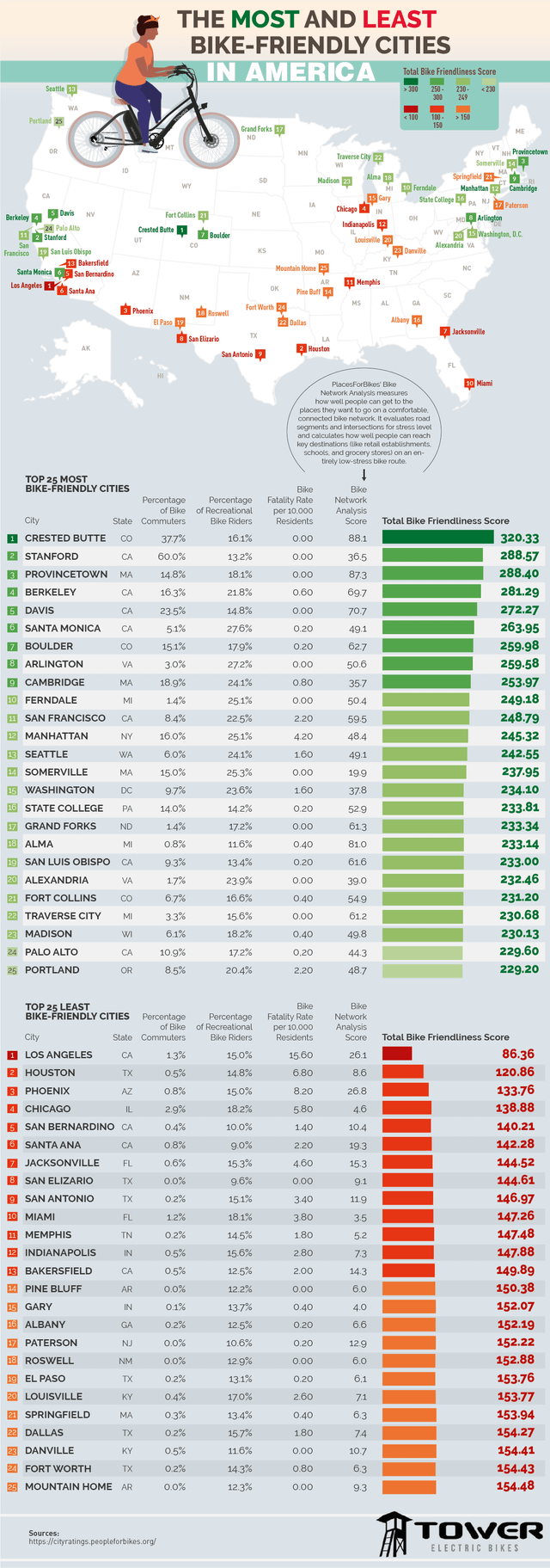
"Bike-friendly’ isn’t just about a few painted bike lanes. It"s a holistic measure of how well a city supports and encourages cycling. Several factors contribute to a city's bike-friendliness, and understanding these metrics is important for digital nomads planning their next base. PeopleForBikes uses a comprehensive scoring system that considers a wide range of data.
The bike network is a key component. This isn't simply the length of bike lanes, but their connectivity and quality. A well-connected network allows cyclists to travel safely and efficiently throughout the city. Safety ratings, factoring in crash data and traffic patterns, are also vital. Practical considerations like secure and convenient bike parking availability play a significant role.
Hilliness is often overlooked but can deter casual cyclists. Flatter cities are naturally more appealing. Integration with public transit is another important aspect; can you easily bring your bike on the bus or train? Bike-sharing programs, like Bixi in Montreal or Vélib' in Paris, provide convenient options for short trips and visitors. Some cities even incentivize biking through tax breaks or subsidies.
PeopleForBikes’ methodology looks at ridership, acceleration, connectivity, and safety, assigning a score out of 100. The higher the score, the more bike-friendly the city. This data-driven approach provides a valuable benchmark for comparing urban environments. Understanding these metrics allows you to assess whether a city truly caters to cyclists or just pays lip service to the idea.
- Bike Network Density: Miles of bike lanes per square mile.
- Safety Ratings: Crash data and traffic safety scores.
- Bike Parking Availability: Number of secure bike parking spaces.
- Hilliness: Average gradient of city streets.
- Public Transit Integration: Ease of combining biking with public transport.
- Bike-Sharing Programs: Availability and accessibility of bike-sharing services.
Bike-Friendliness Factors in Top Cities for Digital Nomads (2026)
| City, Country | Bike Lane Network | Safety | Hilliness | Transit Integration |
|---|---|---|---|---|
| Amsterdam, Netherlands | Excellent | Good | Fair | Excellent |
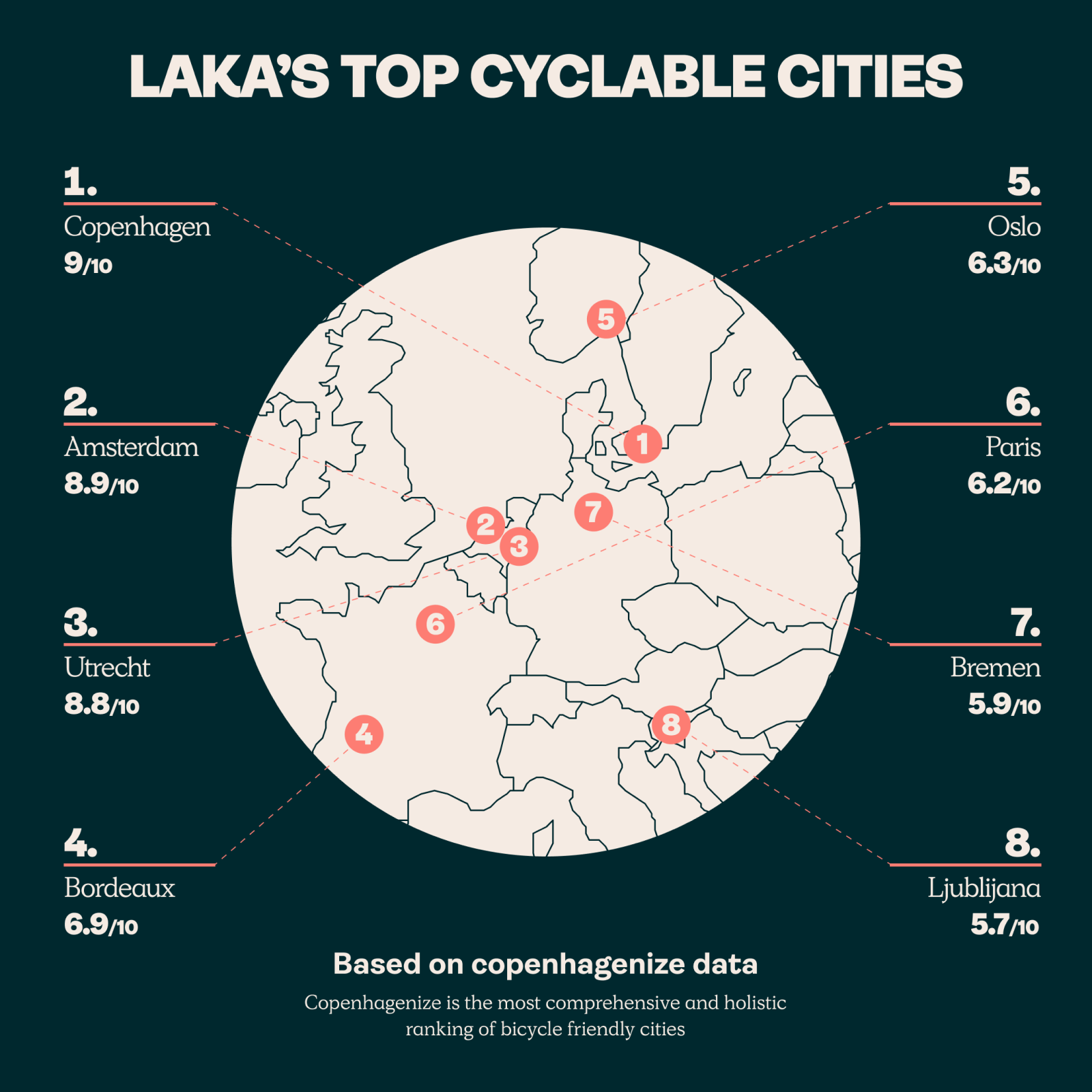
| Copenhagen, Denmark | Excellent | Excellent | Fair | Excellent |
| Utrecht, Netherlands | Excellent | Good | Fair | Excellent |
| Berlin, Germany | Good | Fair | Fair | Excellent |
| Portland, Oregon, USA | Good | Good | Fair | Good |
| Barcelona, Spain | Good | Fair | Fair | Excellent |
| Vienna, Austria | Good | Good | Fair | Excellent |
| Malmö, Sweden | Good | Excellent | Fair | Excellent |
| Montreal, Canada | Good | Good | Fair | Excellent |
Illustrative comparison based on the article research brief. Verify current pricing, limits, and product details in the official docs before relying on it.
The Top 15: A Deep Dive into Bike-Nomad Havens (2026)
Based on data from PeopleForBikes and ErgonBike, here are 15 cities well-suited for digital nomads who prefer to travel by bicycle. Remember that 'best' is subjective, and your ideal city will depend on your individual preferences and priorities.
1. Highland Park, Illinois (Score: 93/100): This Chicago suburb consistently ranks high for its dedicated bike paths and safe cycling infrastructure. Rent for a one-bedroom apartment averages around $1,500, and co-working spaces are plentiful in nearby Northbrook. The main drawback is the harsh Midwestern winters.
2. Olympia, Washington (Score: 91/100): Olympia boasts a robust network of bike lanes and trails, combined with a relatively mild climate. The cost of living is moderate, with rent around $1,300 a month. It’s a smaller city with a strong community feel, which might not appeal to everyone.
3. Lewes, Delaware (Score: 89/100): This coastal town offers a relaxed lifestyle and excellent biking opportunities along the Delaware Bay. Rent is surprisingly affordable, around $1,200. However, job opportunities outside of remote work are limited.
4. Albuquerque, New Mexico (Score: 87/100): Albuquerque features a growing bike lane network and a dry climate ideal for year-round cycling. The cost of living is low, with rent around $900. The city has a unique cultural vibe but can feel spread out.
5. Big Stone Gap, Virginia (Score: 85/100): A smaller city with a surprising commitment to cycling infrastructure. Rent is extremely affordable, around $800. It's a good option for those seeking a quiet, rural lifestyle. Limited amenities are a consideration.
6. Wollongong, New South Wales, Australia (Score: 83/100): Wollongong hosted the UCI Road World Championships in 2022, demonstrating its commitment to cycling. The cost of living is higher, with rent around $2,000 AUD. It’s a beautiful coastal city with a laid-back atmosphere.
7. San Jose, California (Score: 82/100): Despite being in the heart of Silicon Valley, San Jose is investing heavily in cycling infrastructure. Rent is extremely high, around $3,000. However, the job market for tech workers is unparalleled.
8. Northampton, Massachusetts (Score: 81/100): A college town with a strong cycling culture and a progressive vibe. Rent is around $1,400. The winters can be cold and snowy.
9. Amsterdam, Netherlands (Score: 95/100 – unofficial): While not on the PeopleForBikes list, Amsterdam consistently tops global bike-friendliness rankings. It’s a tech hub with a thriving startup scene, but the cost of living is high.
10. Copenhagen, Denmark (Score: 94/100 – unofficial): Similar to Amsterdam, Copenhagen boasts world-class cycling infrastructure and a strong startup ecosystem. It’s known for its high quality of life, but it’s also expensive.
11. Utrecht, Netherlands (Score: 92/100 – unofficial): Often overlooked, Utrecht is a hidden gem for cyclists. It has a bike-first urban planning approach and a lively university town atmosphere. Rent is slightly more affordable than Amsterdam.
12. Berlin, Germany (Score: 88/100 – unofficial): Berlin's bike culture is growing rapidly, and it’s a popular destination for freelancers and digital nomads. The cost of living is relatively affordable for a major European capital.
13. Portland, Oregon, USA (Score: 86/100 – unofficial): Portland has long been a leader in bike-friendly policies and boasts a strong remote work culture. The city is known for its craft beer scene and outdoor recreation opportunities.
14. Barcelona, Spain (Score: 84/100 – unofficial): Barcelona is expanding its bike lane network and has recently introduced a digital nomad visa program. The city offers a vibrant cultural scene and a Mediterranean climate.
15. Vienna, Austria (Score: 82/100 – unofficial): Vienna has a comprehensive bike-sharing system and numerous co-working spaces. It’s a safe and clean city with a high quality of life.
Beyond the Asphalt: Exploring Bike-Friendly Regions
While cities offer convenience and amenities, don’t overlook the appeal of bike-friendly regions for a longer-term, more immersive experience. The Netherlands, for example, isn’t just Amsterdam and Utrecht; the entire country is designed for cycling, with dedicated bike paths connecting towns and villages. It's a fantastic option for bike touring.
Denmark offers a similar experience, with well-maintained cycling routes along the coast and through the countryside. Parts of Germany, particularly the Rhine Cycle Route, are incredibly popular with cyclists. In the United States, the Oregon coast offers spectacular scenery and relatively flat terrain, perfect for a multi-day bike trip.
These regions provide a slower pace of life and a deeper connection to the natural environment. They’re ideal for digital nomads who enjoy exploring beyond urban centers and are looking for a more sustainable and adventurous lifestyle. The infrastructure exists to support longer journeys, and the scenery is often breathtaking.
Gear Up: Essential Equipment for the Bike-Nomad
Choosing the right gear is essential for a comfortable and safe bike-nomad experience. Your bike itself is the most important investment. A touring bike or a hybrid bike are good options, offering a balance of comfort, durability, and versatility. Consider a bike with mounting points for racks and panniers.
Panniers are crucial for carrying your gear. Ortlieb is a popular brand known for its waterproof and durable panniers. A comfortable backpack is also useful for shorter trips or when you don’t need to carry as much. Security is paramount. Invest in a high-quality U-lock and consider a secondary cable lock for added security.
Weather-appropriate clothing is essential, regardless of your destination. A waterproof jacket, breathable layers, and comfortable cycling shorts are all important. Don't forget a helmet and reflective gear for safety. A basic repair kit, including a pump, tire levers, and a multi-tool, is also essential for dealing with minor mechanical issues.
Finally, tech accessories can enhance your experience. A phone mount allows you to use your phone for navigation, and a power bank ensures you don’t run out of battery on long rides. A good quality bike computer can track your speed, distance, and other important data.
- Reliable Bike: Touring or hybrid model.
- Panniers: Waterproof and durable (e.g., Ortlieb).
- Security Devices: U-lock and cable lock.
- Weather-Appropriate Clothing: Waterproof jacket, layers, cycling shorts.
- Repair Kit: Pump, tire levers, multi-tool.
- Tech Accessories: Phone mount, power bank, bike computer.
Essential Gear for the Bike-Friendly Digital Nomad
Lightweight aluminum frame · Hydraulic disc brakes for all-weather stopping power · Durable components for daily commuting
This versatile hybrid bike is built for comfort and efficiency, making it ideal for navigating city streets and exploring new urban landscapes.
Waterproof construction to protect belongings · Quick-lock system for easy attachment and removal · Reflective elements for increased visibility
Keep your work essentials and personal items dry and secure during your commutes with these durable, waterproof panniers.
Hardened steel shackle for maximum security · Double deadbolt design to resist twisting attacks · Includes transit bracket for convenient carrying
Protect your valuable bicycle in urban environments with this robust U-lock, offering peace of mind while you work or explore.
Fully waterproof and breathable fabric · 360-degree reflectivity for enhanced safety · Adjustable cuffs and hem for a custom fit
Stay dry and visible in any weather condition with this high-performance cycling jacket, essential for year-round commuting.
Compact and lightweight design · High-speed charging technology · Sufficient capacity to charge most smartphones multiple times
Ensure your devices stay powered up throughout the day, whether you're working from a cafe or on the move, with this reliable portable charger.
As an Amazon Associate I earn from qualifying purchases. Prices may vary.
Staying Safe on Two Wheels: A Digital Nomad's Guide to Urban Cycling
Urban cycling requires vigilance and awareness. Always follow local traffic laws and be predictable in your movements. Use hand signals to indicate your intentions, and make eye contact with drivers whenever possible. Visibility is key, especially at night or in low-light conditions. Wear bright clothing and use front and rear lights.
Route planning is crucial. Choose bike lanes and quieter streets whenever possible. Avoid busy intersections and areas with heavy traffic. Be aware of potential hazards, such as potholes, sewer grates, and parked cars. Consider using cycling apps like Komoot or Ride with GPS to plan safe and efficient routes.
Theft is a real concern in many cities. Always lock your bike securely, even when you’re just stepping away for a moment. Choose a well-lit and visible location. Consider registering your bike with a local bike registry, and take photos of your bike for insurance purposes.
Community & Connection: Finding Your Tribe as a Bike-Nomad
The digital nomad lifestyle can be isolating at times. Connecting with other cyclists and remote workers can help you build a sense of community and belonging. Look for local cycling clubs and groups in your chosen city. These are a great way to meet new people, discover new routes, and improve your cycling skills.
Co-working spaces are another excellent option for networking and meeting like-minded individuals. Many cities also have online forums and social media groups dedicated to cycling and digital nomadism. Reddit, in particular, has a thriving community of bike-nomads.
Attending local cycling events, such as group rides or bike festivals, is a fun way to meet people and experience the local cycling culture. Don't be afraid to strike up conversations with other cyclists you encounter on your rides. Building a network of support can make your bike-nomad journey much more enjoyable.
- Local Cycling Clubs: Meet new people and discover new routes.
- Co-working Spaces: Network with other remote workers.
- Online Forums & Social Media Groups: Connect with fellow bike-nomads.
- Cycling Events: Group rides, bike festivals, and workshops.
Future-Proofing Your Ride: What's Next for Bike-Friendly Cities?
The future of bike-friendly cities looks promising. We’re seeing a growing emphasis on protected bike lanes – physically separated from traffic – which significantly improve safety and encourage more people to cycle. The integration of e-bikes is also transforming urban mobility, making cycling accessible to a wider range of people.
Smart bike parking solutions, such as secure bike lockers and automated parking systems, are becoming increasingly common. These provide a safe and convenient place to store your bike, reducing the risk of theft. Cities are also experimenting with congestion pricing and other measures to discourage car use and promote cycling.
The trend towards prioritizing people over cars is gaining momentum. More and more cities are realizing that investing in cycling infrastructure is not just good for the environment, but also good for the economy and public health. As the digital nomad lifestyle continues to grow, we can expect to see even more cities embracing cycling as a key component of their urban planning.



No comments yet. Be the first to share your thoughts!