

Beyond Copenhagen: 2026’s Best Bike Cities
There’s a growing energy in cities around the world, a pull towards a life less reliant on cars. It’s not just about environmental concerns anymore, though those are significant. People are realizing the benefits of a slower pace, increased physical activity, and a stronger connection to their communities. This shift is driving demand for urban spaces designed for people, not just vehicles.
But "bike-friendly’ is more than just a network of bike lanes. It"s a holistic concept, encompassing safety, accessibility, cultural acceptance, and seamless integration with public transportation. A truly bike-friendly city makes cycling the logical, convenient, and enjoyable choice for a significant portion of its population.
To compile this list of the top 10 bike-friendly cities for 2026, we looked at data from the PeopleForBikes City Ratings, ergonbike.com’s rankings, and supplemented it with a qualitative assessment of infrastructure quality, community support, and long-term planning. We’ve moved beyond simply counting bike lanes to understand how well these cities actually work for people on two wheels. Here’s what we found.

The Top 10: A Ranked Overview
These cities aren't just accommodating cyclists; they're actively prioritizing them. They understand that investing in cycling infrastructure is an investment in the health, economy, and overall quality of life for their residents. Here’s a closer look at each one, starting with number ten and working our way up.
10. Appleton, Wisconsin, USA
Appleton consistently ranks high for its commitment to safe routes to school and its growing network of off-road trails. The city boasts over 70 miles of paved trails, many of which are separated from traffic, making them ideal for families and recreational cyclists. They’ve also made strides in connecting these trails to key destinations within the city.
While Appleton isn’t a major metropolitan area, its dedication to cycling is impressive. Bike theft is relatively low, and the city actively promotes cycling through community events and educational programs. The Fox Cities Trail network is a major draw, providing a safe and scenic environment for riders of all levels.
Bike Infrastructure Comparison: Key Characteristics
| Infrastructure Type | Safety | Cost | Space Required | Impact on Traffic Flow |
|---|---|---|---|---|
| Protected Bike Lanes | Very High Safety | Higher | Significant | Potential for Moderate Disruption |
| Painted Bike Lanes | Moderate Safety | Low | Minimal | Generally Low Disruption |
| Multi-Use Paths | Moderate Safety | Medium | Moderate to High | Minimal Disruption if Separated |
| Bike Boulevards | Good Safety | Low to Medium | Moderate | Encourages Lower Traffic Speeds |
Qualitative comparison based on the article research brief. Confirm current product details in the official docs before making implementation choices.
9. Fort Collins, Colorado, USA
Fort Collins is a college town with a strong cycling culture, fueled by Colorado State University. The city features an extensive network of bike lanes and trails, and a robust bike-sharing program. It’s a city where you’ll see students and residents alike choosing bikes over cars for everyday commutes.
The Poudre River Trail is a highlight, offering a scenic route along the river. Fort Collins is also known for its bike-friendly breweries, making it a popular destination for cyclists looking to combine their passions. The city’s commitment to sustainability and outdoor recreation contributes to its bike-friendly atmosphere.
8. Corvallis, Oregon, USA
Corvallis is a smaller city that punches above its weight when it comes to cycling infrastructure. Oregon State University plays a role, as does a genuine commitment from city planners. The city has a well-maintained network of bike lanes, paths, and shared-use roads, making it easy to get around without a car.
Corvallis is relatively flat, making it an easy city to cycle in. The city also prioritizes pedestrian and cyclist safety, with clearly marked crosswalks and traffic calming measures. The Willamette Valley Scenic Bikeway passes nearby, offering opportunities for longer rides.
Essential Gear for Navigating Bike-Friendly Cities

7mm hardened performance steel shackle · Integrated 4 ft (120cm) security cable · Double deadbolt locking mechanism
This robust U-lock and cable combo offers strong security against theft, essential for leaving your bike unattended in urban environments.

Premium 3-layer waterproof and breathable shell · Durable water-repellent (DWR) finish · Zippered chest and hand-warmer pockets
Stay dry and comfortable in any weather with this high-performance rain jacket, crucial for year-round commuting and urban exploration.
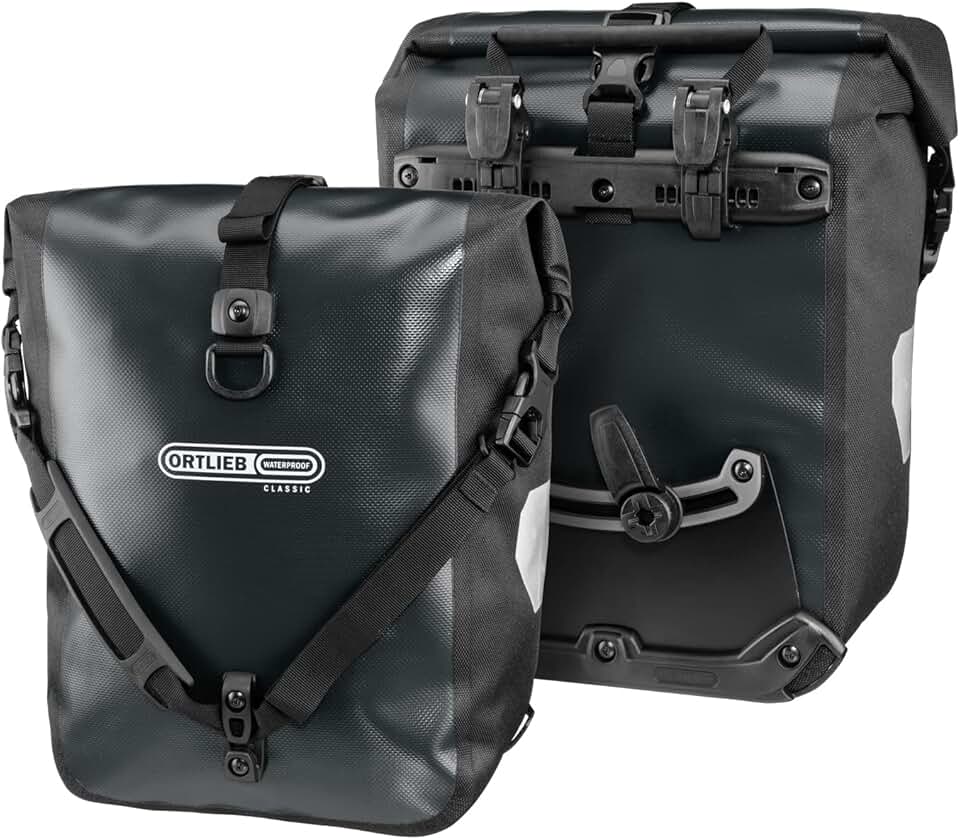
Waterproof construction · Quick-lock system for easy mounting · Durable, abrasion-resistant material
These panniers provide ample, weatherproof storage for groceries, work essentials, or gear, making car-free living more practical.
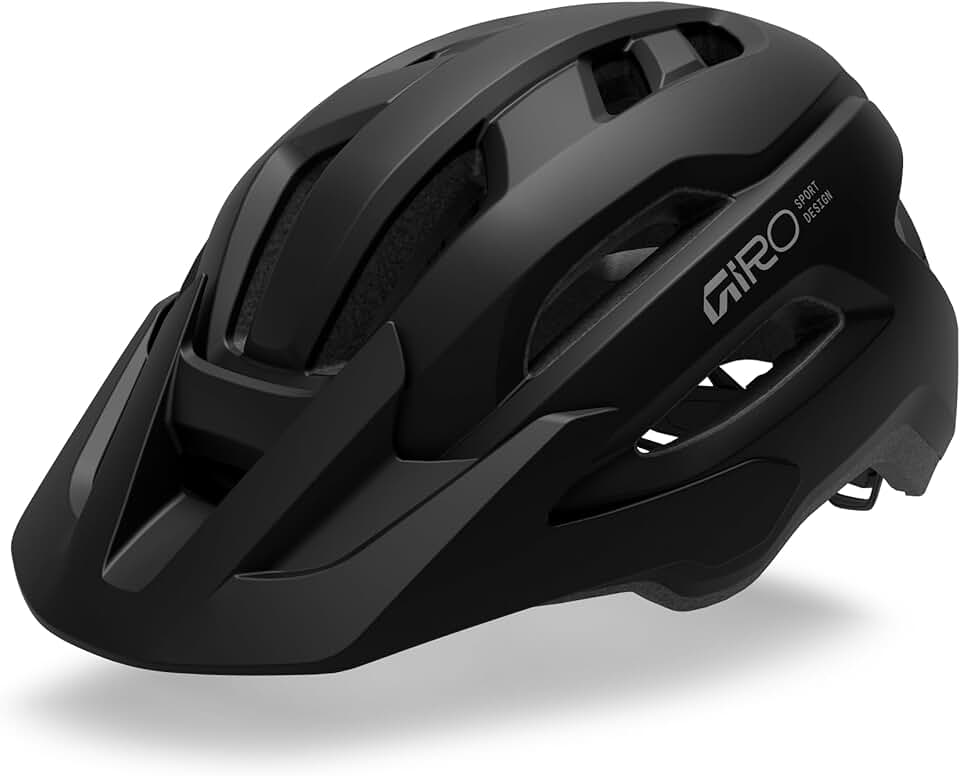
MIPS (Multi-directional Impact Protection System) · In-mold polycarbonate shell · Adjustable fit system
Prioritize safety with this helmet featuring advanced impact protection, a non-negotiable for navigating busy city streets.

High-visibility headlight with OptiCube™ lens technology · USB rechargeable battery · Day and night riding modes
Ensure you are seen by drivers and pedestrians at all times with this powerful, rechargeable bike light, enhancing safety during commutes.
As an Amazon Associate I earn from qualifying purchases. Prices may vary.
7. Davis, California, USA
Davis is often cited as one of the most bike-friendly cities in the United States, and it continues to maintain that reputation. It’s a university town where cycling isn’t just a mode of transportation, it’s a way of life. The city boasts an extensive network of bike lanes, paths, and greenways, making it easy to get around without a car.
Davis has a very high percentage of residents who commute by bike, and the city actively promotes cycling through education and advocacy programs. Bike theft is a concern, as in many university towns, but the city is working to address this issue through increased security measures and public awareness campaigns.
6. Madison, Wisconsin, USA
Madison benefits from its location on the shores of Lake Mendota and Lake Monona, which are surrounded by scenic bike paths. The city has invested heavily in cycling infrastructure, including protected bike lanes and dedicated bike routes. The Capital City State Trail is a particularly popular option.
Madison's bike culture is thriving, with a strong cycling community and numerous bike shops. The city also hosts a variety of cycling events throughout the year. While winters can be harsh, many residents continue to cycle year-round, thanks to the city’s efforts to maintain clear bike paths.
5. Boulder, Colorado, USA
Similar to Fort Collins, Boulder’s bike-friendly atmosphere is fueled by a strong outdoor culture and a large student population. The city features an extensive network of bike paths and lanes, and a robust bike-sharing program. The Boulder Creek Path is a particularly scenic route.
Boulder's hilly terrain can be challenging for some cyclists, but the city has made efforts to provide alternative routes and bike-sharing options. The city also prioritizes cyclist safety, with clearly marked crosswalks and traffic calming measures.
4. Albuquerque, New Mexico, USA
Albuquerque stands out for its commitment to off-road cycling trails, particularly in the foothills of the Sandia Mountains. The city has invested in a network of paved and unpaved trails, catering to both recreational and commuter cyclists. The Rio Grande Valley State Park trail offers a long, scenic route.
Beyond mountain biking opportunities, Albuquerque is also expanding its on-street bike infrastructure. The city is working to create a more connected and safe cycling network. The warm climate allows for year-round cycling, making it an attractive destination for bike enthusiasts.
3. Lewes, Delaware, USA
Lewes, a charming coastal town, has quickly risen in the ranks of bike-friendly cities. Its flat terrain, combined with a growing network of dedicated bike lanes and paths, makes it ideal for cycling. The Junction & Breakwater Trail, a paved path built on a former rail line, is a major asset.
Lewes is a popular destination for tourists, and the city has embraced cycling as a way to promote sustainable tourism. The town offers bike rentals and encourages visitors to explore the area by bike. It’s a smaller city, but its commitment to cycling is impressive.
2. Olympia, Washington, USA
Olympia benefits from a relatively mild climate and a strong cycling community. The city has a well-maintained network of bike lanes and paths, and a growing number of protected bike lanes. The Chehalis-Western Trail, a paved path that follows a former rail line, is a popular route.
Olympia is also working to improve its bike parking facilities and promote cycling through public awareness campaigns. The city's location near Puget Sound offers scenic cycling opportunities. It’s a city that truly values active transportation.
1. Highland Park, Illinois, USA
Highland Park takes the top spot thanks to its comprehensive cycling plan and dedication to creating a safe and accessible environment for cyclists. The city has invested heavily in protected bike lanes, separated bike paths, and bike parking facilities. Their investment in a connected network is key.
Highland Park prioritizes cyclist safety, with clearly marked crosswalks and traffic calming measures. The city also promotes cycling through education and advocacy programs. It's a testament to what can be achieved when a city truly prioritizes cycling as a core component of its transportation system.
Infrastructure Deep Dive: What Makes a City Cycle-Ready?
Looking across these top-ranked cities, certain patterns emerge. It’s not simply about having any bike infrastructure, it’s about the quality and connectedness of that infrastructure. Protected bike lanes – physically separated from vehicle traffic by barriers or bollards – consistently appear in the most successful cities. Painted bike lanes offer some level of safety, but they provide minimal protection from cars and trucks.
Secure bike parking is also essential. Cities that provide ample, covered, and ideally locked bike parking facilities encourage cycling by reducing the risk of theft. Public bike racks are a good start, but secure bike rooms in apartment buildings and workplaces are even more effective. Traffic calming measures, such as speed bumps and raised crosswalks, play a crucial role in reducing vehicle speeds and creating a safer environment for cyclists and pedestrians.
The rise of e-bikes is also influencing urban planning. Cities are beginning to adapt by providing charging stations and accommodating larger bikes in bike parking facilities. We’re also seeing an increased demand for cargo bike infrastructure, as more people use bikes to transport goods and groceries. This means wider bike lanes and designated cargo bike parking areas.
Beyond the Bike Lane: Culture and Community
Infrastructure is the foundation, but a thriving bike culture is what truly makes a city cycle-friendly. This involves active advocacy groups that lobby for improved cycling infrastructure and policies. Local bike shops that provide maintenance, repairs, and advice are also essential. Cities that actively promote cycling through events, workshops, and public awareness campaigns foster a sense of community among cyclists.
Policies that incentivize cycling, such as bike-sharing subsidies and employer bike commuting incentives, can also make a significant difference. Some cities offer tax breaks for employees who bike to work, or provide secure bike parking facilities at workplaces. These initiatives demonstrate a commitment to cycling and encourage more people to choose bikes over cars.
Ultimately, a bike-friendly city is one where cycling is seen not just as a mode of transportation, but as a fun, healthy, and sustainable way to live.
Gear Up: Essentials for Car-Free City Living
Deciding to embrace a car-free lifestyle in a bike-friendly city is exciting, but it requires some preparation. Having the right gear can make all the difference. A reliable bike lock is non-negotiable. Invest in a U-lock or a high-quality chain lock to protect your investment.
Weather-resistant clothing is essential, regardless of your climate. A waterproof jacket and pants will keep you dry in the rain, while layers will help you adjust to changing temperatures. Panniers or a basket are incredibly useful for carrying groceries, books, or other essentials. A comfortable helmet is a must-have for safety, and bright lights are crucial for visibility, especially at night.
Finally, a basic bike repair kit, including a tire lever, pump, and multi-tool, will allow you to handle minor repairs on the go. Learning basic bike maintenance skills will save you money and keep your bike running smoothly.
Safety First: Navigating Urban Roads
Cycling in an urban environment requires awareness and defensive riding techniques. Visibility is paramount. Wear bright clothing, use lights (even during the day), and make eye contact with drivers. Always signal your intentions clearly, and be aware of your surroundings. Anticipate potential hazards, such as opening car doors and pedestrians stepping into the road.
Knowing local traffic laws is also essential. Understand your rights and responsibilities as a cyclist, and follow the rules of the road. Be prepared to assert your presence, but do so respectfully. Remember that you are entitled to share the road with cars, but you also have a responsibility to ride safely and predictably.
While accidents can happen, being prepared and practicing defensive cycling techniques can significantly reduce your risk. Prioritize safety, and enjoy the ride.
Cities to Watch: Emerging Bike-Friendly Hotspots
While the top 10 cities are leading the way, several others are making significant strides in becoming more bike-friendly. Pittsburgh, Pennsylvania is investing heavily in bike lanes and trails, and has a growing cycling community. The city’s hilly terrain presents challenges, but it’s also creating a network of bike boulevards to provide safer and more accessible routes.
Minneapolis, Minnesota continues to expand its cycling infrastructure and improve its winter cycling programs. The city’s extensive network of protected bike lanes and its commitment to year-round cycling make it a standout. Tempe, Arizona is another city to watch, with its focus on sustainable transportation and its growing network of bike paths and lanes. They’re actively working to make cycling a more attractive option for residents and visitors.


No comments yet. Be the first to share your thoughts!