

Beyond the Tourist Trail
The world is changing how people work, and how they travel. More and more people are embracing the digital nomad lifestyle, untethered from a traditional office and seeking experiences over possessions. This shift coincides with a growing desire for sustainable travel, and a rejection of car-centric cultures. It’s a compelling combination, but it does present challenges. Living without a vehicle requires intentionality, planning, and choosing destinations that truly support it.
For many, the idea of a car-free existence feels limiting. Concerns about getting around, accessing amenities, and exploring beyond the usual tourist spots are valid. However, a growing number of cities are actively creating environments where a car isn’t just unnecessary, but a hindrance. These are places prioritizing pedestrians, investing in robust public transportation, and fostering a vibrant street life.
This guide covers walkable destinations where you can thrive as a digital nomad without the expense, stress, and environmental impact of car ownership. We explore twelve locations offering affordability, connectivity, culture, and the freedom to explore on foot, by bike, or via reliable public transit. It’s about embracing a slower pace, connecting with local communities, and discovering the world more meaningfully.
The 12 Walkable Cities
Choosing the right city is crucial. Walkability means more than just sidewalks; it’s a cohesive ecosystem of factors. We considered cities with high Walk Scores (where available from walkscore.com), excellent public transportation, bike-friendly infrastructure, and a reasonable cost of living for remote workers. Here are twelve fantastic options.
Lisbon, Portugal: Lisbon consistently ranks high on lists of walkable European capitals. Its hilly terrain is manageable thanks to efficient trams and funiculars. The Alfama district, with its narrow, winding streets, is best explored on foot. Co-working spaces are plentiful, and the cost of living remains relatively affordable compared to other Western European cities. Expect to spend around $1,200 - $2,000 per month for rent and expenses.
Florence, Italy: The birthplace of the Renaissance is remarkably walkable. Most of the historical center is pedestrianized, making it easy to explore iconic landmarks like the Duomo and Ponte Vecchio. Public transportation is efficient, and the city has a laid-back vibe perfect for remote work. Monthly costs can range from $1,500 - $2,500.
Valencia, Spain: Often overshadowed by Barcelona and Madrid, Valencia offers a superb quality of life at a more affordable price. The Turia Gardens, a former riverbed transformed into a green space, provides a beautiful walking and cycling route through the city. The city also boasts a growing digital nomad community and excellent public transit. Budget around $1,000 - $1,800 a month.
Amsterdam, Netherlands: Famous for its canals and cycling culture, Amsterdam is incredibly easy to navigate without a car. The city has an extensive network of bike lanes, and public transportation is reliable and efficient. While the cost of living is high, the quality of life is exceptional. Expect to pay $1,800 - $3,000 monthly.
Copenhagen, Denmark: Another cycling paradise, Copenhagen prioritizes pedestrians and cyclists. The city is compact and easy to explore on foot, and public transportation is world-class. It’s consistently ranked as one of the most livable cities in the world, but it comes with a hefty price tag – around $2,000 - $3,500 per month.
Kyoto, Japan: Kyoto offers a unique blend of traditional culture and modern convenience. While sprawling, many of the main attractions are within walking distance of each other. The city has an excellent public transportation system, including buses and subways. Cost of living is moderate, around $1,300 - $2,200 per month.
Vancouver, Canada: Surrounded by mountains and ocean, Vancouver is a stunning city with a strong emphasis on outdoor living. The downtown core is very walkable, and the city has a good public transportation system. Rent is high, however, averaging $1,800 - $3,000 a month.
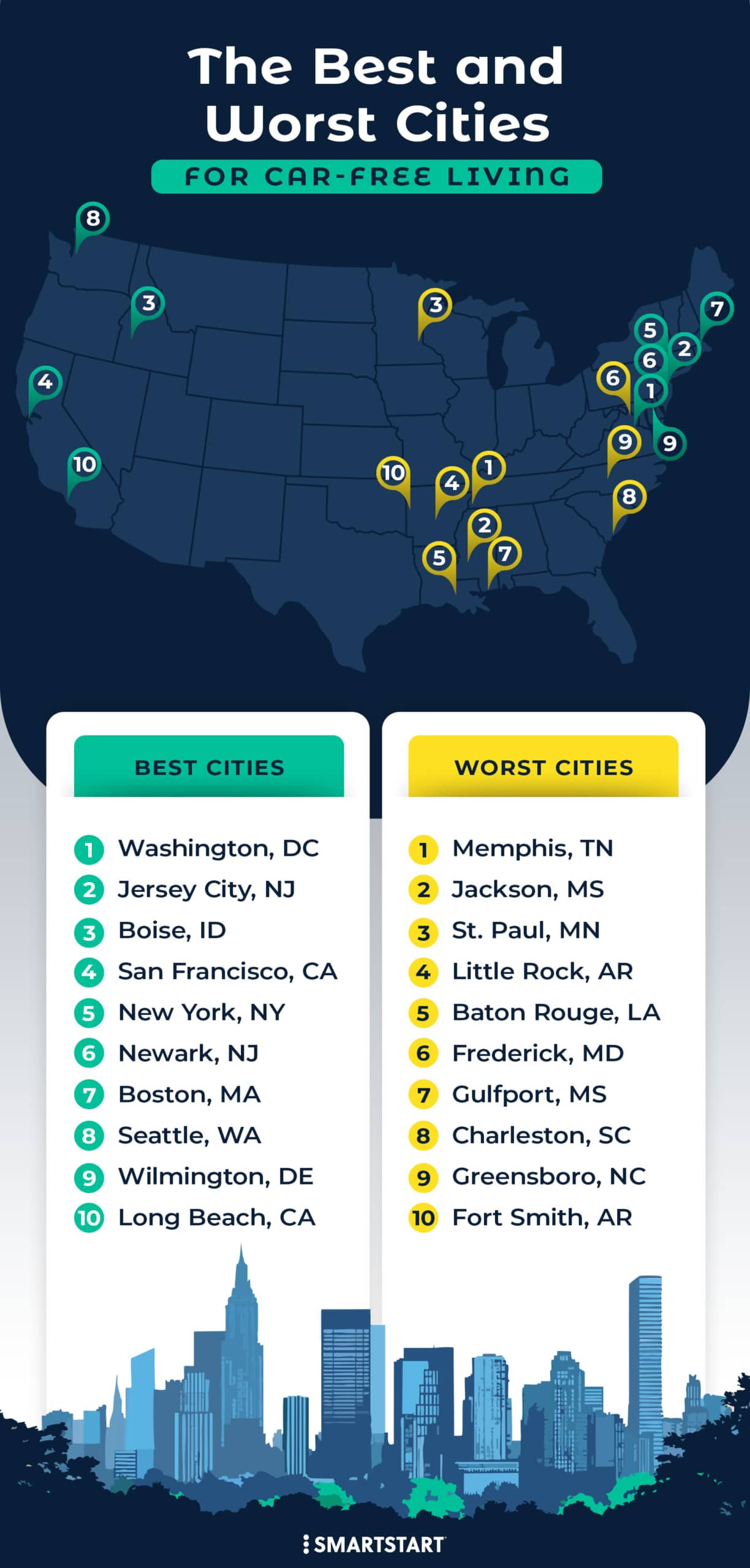
Boston, USA: Steeped in history, Boston is one of the most walkable cities in the United States. Its compact layout and extensive public transportation system make it easy to get around without a car. The cost of living is high, especially for housing, around $2,000 - $3,500 per month.
Asheville, USA: Nestled in the Blue Ridge Mountains of North Carolina, Asheville offers a unique blend of arts, culture, and outdoor recreation. The downtown area is very walkable, and the city has a growing public transportation system. Living expenses are reasonable, around $1,200 - $2,000 monthly.
Savannah, USA: Known for its historic squares and Southern charm, Savannah is a delightful city to explore on foot. The historic district is incredibly walkable, and the city has a free public transportation system. Costs are moderate, around $1,000 - $1,800 per month.
Madison, USA: Home to the University of Wisconsin-Madison, this city has a youthful energy and a strong commitment to sustainability. The downtown area is very walkable, and the city has a good bus system. It’s relatively affordable, with monthly expenses around $1,100 - $1,900.
Honolulu, USA: While often associated with cars, Honolulu’s Waikiki district is remarkably walkable. Public transportation is available, but walking and biking are often the most pleasant ways to get around. The cost of living is high, around $1,700 - $2,800 per month, but the lifestyle is hard to beat.
Car-Free Digital Nomad Hotspots: A Comparison of 12 Walkable Cities (2026)
| City | Walkability | Public Transit | Cost of Living | Safety |
|---|---|---|---|---|
| Portland, OR | Very High | Extensive Network | Moderate to High | Generally Safe |
| Boston, MA | High | Comprehensive System | High | Generally Safe |
| San Francisco, CA | High | Excellent Coverage | Very High | Moderate - Requires Awareness |
| New York, NY | Very High | 24/7 Service | Very High | Moderate - Varies by Borough |
| Chicago, IL | High | Robust System | Moderate | Moderate - Varies by Neighborhood |
| Washington, D.C. | High | Metro & Bus | High | Generally Safe |
| Seattle, WA | High | Developing Network | High | Generally Safe |
| Philadelphia, PA | High | Extensive Coverage | Moderate | Moderate - Requires Awareness |
| Miami, FL | Moderate | Limited but Expanding | Moderate | Moderate - Requires Awareness |
| Asheville, NC | Moderate | Limited Service | Moderate | Generally Safe |
| Savannah, GA | High | Limited Service | Moderate | Generally Safe |
| Charleston, SC | High | Limited Service | Moderate | Generally Safe |
Qualitative comparison based on the article research brief. Confirm current product details in the official docs before making implementation choices.
Navigating Public Transit
Public transportation is essential in these cities. Most offer trains, trams, buses, and subways. Familiarize yourself with the local system upon arrival. Apps like Citymapper and Google Maps are invaluable for route planning and real-time updates. Many cities also have their own transit apps.
Purchasing tickets can vary. Some cities use contactless payment systems, while others require you to purchase tickets from machines or kiosks. Look into city-specific transport cards or passes – they can save you money if you plan to use public transit frequently. For example, Lisbon’s "Viva Viagem’ card and Amsterdam’s ‘OV-chipkaart" offer convenient and cost-effective travel.
Language barriers can sometimes be a challenge, but most transit staff are accustomed to dealing with tourists. Don’t hesitate to ask for help. Learning a few basic phrases in the local language can also go a long way. Google Translate is a useful tool to have on your phone.
Bike Life: Rentals & Infrastructure
Many of these cities have excellent bike-sharing programs. Amsterdam’s "OV-fiets’ (integrated with public transport) and Valencia’s ‘Valenbisi" are popular. These programs often require a subscription but can be an affordable way to get around. Alternatively, rent bikes by the day or week from local shops.
The quality of bike lanes and cycling infrastructure varies. Cities like Copenhagen and Amsterdam are renowned for their dedicated bike lanes, while others are still improving their infrastructure. Always wear a helmet and be aware of traffic. Familiarize yourself with local cycling laws.
E-bikes are a great option for hilly cities like Lisbon or San Francisco. They provide an extra boost, making it easier to tackle challenging terrain. Several rental shops offer e-bikes, but they tend to be more expensive than traditional bikes.
Co-working & Staying Connected
A reliable internet connection is essential for digital nomads. Most of these cities have a well-developed co-working scene. Spaces like Impact Hub (in Lisbon and other cities) and WeWork are common, offering comfortable workspaces and high-speed internet. Costs typically range from $200 - $500 per month, depending on access level.
Many cafes also offer free Wi-Fi, but the quality can vary. Look for cafes with a dedicated workspace area and plenty of outlets. It’s always a good idea to have a backup plan, such as a mobile hotspot or a local SIM card with a data plan. Purchasing a local SIM card is generally the most affordable way to stay connected.
Safety and Local Etiquette
Be aware of your surroundings in any urban environment. Keep belongings secure, especially in crowded areas. Avoid walking alone at night on poorly lit streets. Research local emergency numbers and know how to access assistance if needed.
Respect local customs and etiquette. Learn a few basic phrases in the local language and be mindful of cultural norms. Dress modestly when visiting religious sites. Avoid loud or disruptive behavior. Understanding the local culture goes a long way.
Standout Spots: Lisbon & Kyoto
Lisbon and Kyoto truly shine for car-free travelers. Lisbon offers a unique blend of history, culture, and affordability. The Bairro Alto district is a hub for nightlife and restaurants, easily accessible on foot. For co-working, check out Second Home Lisboa, known for its plant-filled interior and creative atmosphere. Don't miss a ride on Tram 28, a historic tram winding through the city’s narrow streets.
For a quieter experience, explore the Alfama district, Lisbon's oldest neighborhood, with its maze-like streets and traditional Fado houses. Consider a day trip to Sintra, a fairytale town just a short train ride from Lisbon, with palaces and gardens. Lisbon rewards exploration, and you'll discover hidden gems around every corner.
Kyoto offers a more serene and traditional experience. The Gion district, known for its geishas, is best explored on foot. The Fushimi Inari Shrine, with its thousands of red torii gates, is a must-see. For co-working, consider a space like FabSpace, offering a modern and collaborative environment. Use Kyoto’s excellent bus system to reach attractions further afield.


No comments yet. Be the first to share your thoughts!