

Dreaming Car-Free: Why 2026?
Traditional vacations often come with traffic jams, parking fees, and the environmental guilt of carbon emissions. Many people are seeking alternatives. Sustainable travel is a genuine desire for more meaningful experiences, and it's becoming more accessible. 2026 appears to be a good year for this shift, with improvements in public transit, expanding bike infrastructure, and greater awareness of the benefits of slower, intentional travel.
Experimenting with car-free travel for a few years, starting with day trips and extending to longer weekends, has been rewarding. The 'Zero-Emission Travel Challenge 2026' is a personal goal for a completely car-free vacation, and it's a challenge many others are ready for. It proves that exploration doesn't require a vehicle.
Going car-free for a vacation can sound daunting if you're used to driving. With planning and a shift in perspective, it's achievable. This isn't about sacrificing comfort or fun; it's about redefining a great vacation. This guide covers destinations, packing strategies, and a mindset to embrace traveling without a car.
Ten Towns to Start With
For a gentle introduction to car-free travel, small towns are a great starting point. They often have attractions concentrated in one area, making walking or biking convenient. Travel + Leisure and Sherman's Travel have published lists of U.S. small towns that don't require a car, offering good options.
First, Mackinac Island, Michigan, completely prohibits cars. Transportation relies on horse-drawn carriages, bicycles, and walking. It's a unique experience, offering a glimpse into a bygone era. Bar Harbor, Maine, is a gateway to Acadia National Park, easily explored by Island Explorer buses and on foot, perfect for hikers and nature lovers.
Carmel-by-the-Sea, California, has charming art galleries and a beach within walking distance. St. Augustine, Florida, is steeped in history and best explored on foot, wandering its narrow, cobblestone streets. Fredericksburg, Texas, is known for its German heritage and walkable Main Street. These towns offer a slower pace and a chance to connect with local culture.
Consider Cape May, New Jersey, with its Victorian architecture and walkable beachfront. Savannah, Georgia, is famous for its historic squares and pedestrian-friendly layout. Newport, Rhode Island, offers coastal scenery and a compact downtown. Bayfield, Wisconsin, on Lake Superior, is ideal for kayaking and exploring the Apostle Islands (ferry access is important). Solvang, California, is a Danish village with a walkable center.
These towns share a commitment to pedestrian-friendly design and community. They encourage savoring the moment and enjoying simple pleasures, with shops and restaurants within a 10-minute walk, rather than sprawling highways and parking lots.
- Mackinac Island, Michigan: Horse-drawn carriages, bicycles, walking
- Bar Harbor, Maine: Island Explorer buses, walking
- Carmel-by-the-Sea, California: Walking
- St. Augustine, Florida: Walking
- Fredericksburg, Texas: Walking
- Cape May, New Jersey: Walking, biking
- Savannah, Georgia: Walking
- Newport, Rhode Island: Walking
- Bayfield, Wisconsin: Walking, ferries
- Solvang, California: Walking
Towns Ideal for a Car-Free Vacation
| Town Name | State | Primary Transport | Vibe | Best For | Accessibility Score (1-5) |
|---|---|---|---|---|---|
| Bar Harbor | Maine | Walking, Island Explorer Bus | Coastal, Outdoorsy | Families, Couples | 4 |
| Carmel-by-the-Sea | California | Walking, Public Shuttle | Artsy, Relaxed | Couples, Solo Travelers | 5 |
| St. Augustine | Florida | Walking, Pedicabs, Trolley | Historic, Charming | Families, History Buffs | 4 |
| Key West | Florida | Walking, Bicycles, Duval Loop Bus | Laid-back, Tropical | Solo Travelers, Friends | 5 |
| Charleston | South Carolina | Walking, Bike Share, DASH Shuttle | Historic, Southern | Couples, Foodies | 4 |
| Jim Thorpe | Pennsylvania | Walking, Lehigh Gorge Scenic Railway | Historic, Outdoorsy | Couples, Adventure Seekers | 3 |
| Galena | Illinois | Walking, Trolley | Historic, Quaint | Couples, Weekend Getaways | 3 |
| Bayfield | Wisconsin | Walking, Ferry | Coastal, Small Town | Families, Nature Lovers | 3 |
Illustrative comparison based on the article research brief. Verify current pricing, limits, and product details in the official docs before relying on it.
Beyond the Small Town: Urban Adventures
Car-free travel isn't limited to small towns. Many major cities are navigable without a car, thanks to public transportation systems. New York City, Chicago, Boston, and San Francisco offer extensive subway and bus networks. Pre-planning routes and being comfortable with walking are key.
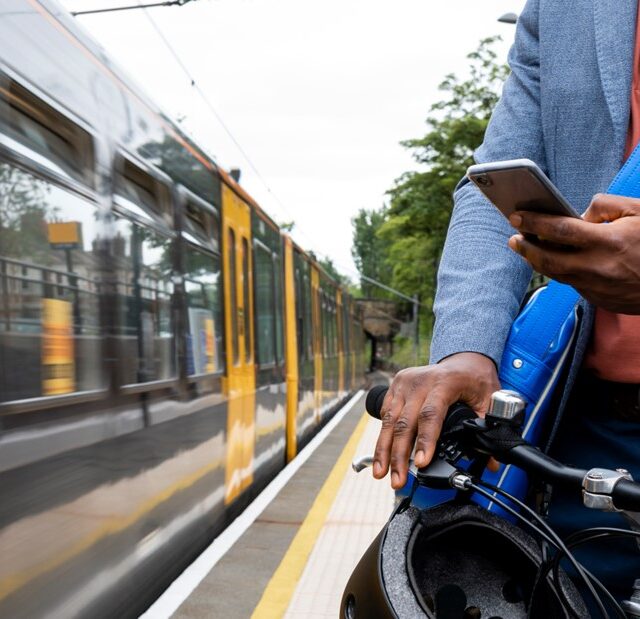
Apps like Citymapper and Transit are invaluable for navigating urban public transit, providing real-time information on schedules, delays, and alternative routes. Mapping out your daily itinerary in advance, identifying key transit hubs and walking distances, is helpful. Good walking shoes are essential.
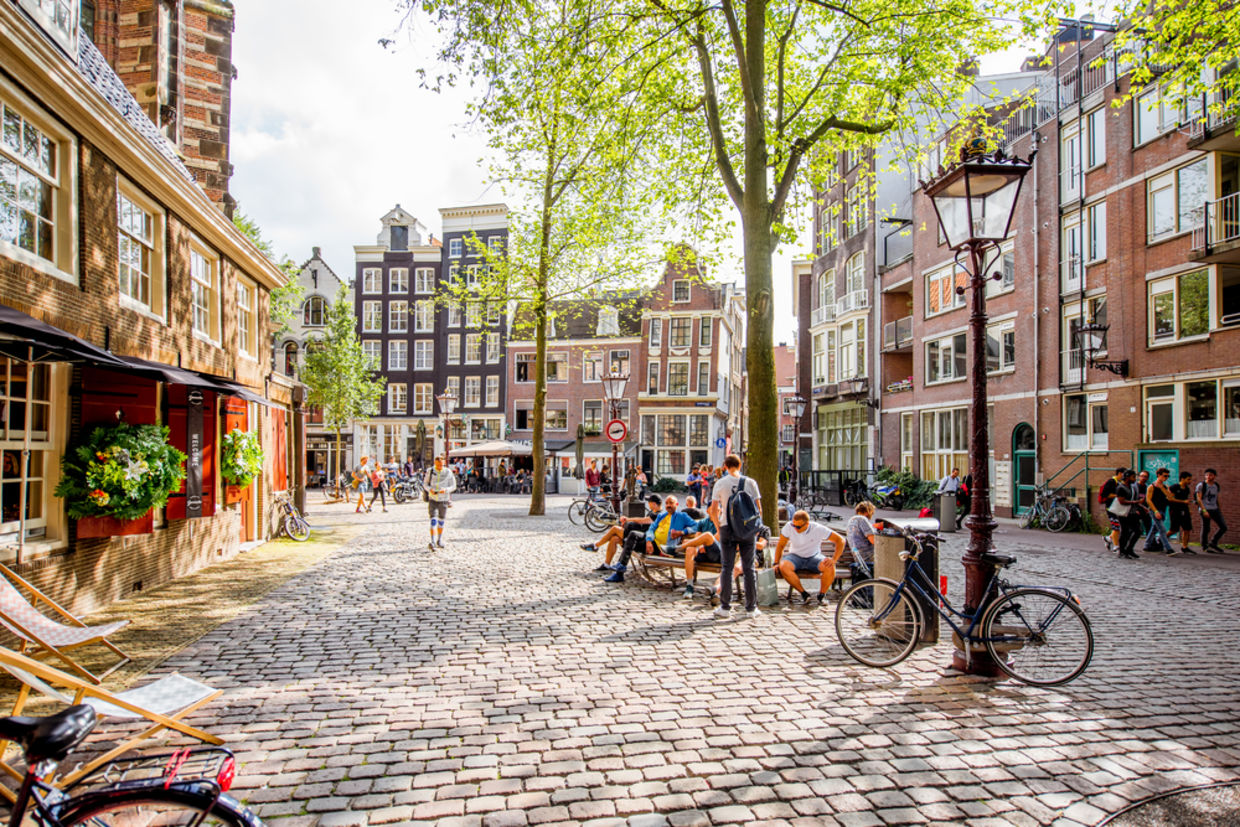
Urban car-free travel offers numerous benefits. You save money on parking, reduce your carbon footprint, and experience the city at street level. You'll notice details missed from inside a car, like street performers, local shops, and the city's energy. While it can take longer to get around, the trade-off is a more immersive experience.
- Download a public transit app (Citymapper, Transit)
- Plan your routes in advance
- Wear comfortable walking shoes
- Allow extra time for travel
Gear Up: Packing for a Car-Free Trip
Packing for a car-free trip requires a different mindset. You'll be carrying your luggage more often, so lightweight is key. Invest in a good-quality backpack or rolling suitcase that's easy to maneuver. Comfortable walking shoes are essential.
A reusable water bottle is a must-have for staying hydrated. A portable charger for your phone is crucial if you're relying on public transit apps for navigation. Pack a small backpack for day trips, allowing you to carry essentials without your larger suitcase. A portable luggage scale can help avoid airline baggage fees.
Consider a foldable duffel bag for souvenirs. A foldable duffel provides extra space without taking up too much room in your initial packing. Don't overpack; you'll regret it when navigating train stations or walking long distances.
Embrace Slow Travel
Car-free travel encourages slow travel. Not relying on a car forces you to slow down and be more present in your surroundings. Slow travel is about savoring the journey, not just rushing to the destination.
Take time to wander down side streets, get lost in local markets, and chat with people you meet. Discover hidden gems you wouldn't find speeding past in a car. Allow yourself to be surprised by the unexpected.
The journey is part of the vacation. Embrace delays, detours, and spontaneous discoveries. These moments make a trip memorable. Let go of controlling every minute of your itinerary and simply be.
Budgeting Beyond Gas
While saving on gas and parking, car-free travel has its own costs. Budget for public transportation fares, bike rentals, ferries, and potentially taxis or ride-sharing for emergencies. Research public transit costs in your destination before you go.
Walkable locations often have higher lodging costs due to higher demand in desirable, pedestrian-friendly areas. Factor this into your budget. You might save money on other aspects of
Consider purchasing a city pass that includes access to public transportation and discounts on attractions. This can be a cost-effective way to explore a new city.
Community Insights: Share Your Plans
I’d love to hear about your own car-free travel plans and experiences. Let’s learn from each other and build a supportive community of like-minded travelers. Are you planning your first car-free vacation? What are your biggest concerns?
What resources have you found helpful? What destinations are on your radar? Share your tips, your challenges, and your successes. The more we share, the easier it will be for others to embrace the freedom and sustainability of car-free travel. Let’s make 2026 a year of zero-emission adventures!
Feel free to share your thoughts in the comments section below or on our social media channels. Let's inspire each other to explore the world in a more sustainable way.
What's the biggest barrier to planning a car-free vacation for you?
Vote below and tell us which challenge matters most as you plan a completely car-free trip.
Resources for the Road
Here are some resources to help you plan your car-free adventure. Travel + Leisure () provides inspiration for walkable towns, and Sherman’s Travel () offers expert advice on car-free vacations. The Facebook community is a good place to find recommendations and share experiences.
For navigating public transit, Citymapper () and Transit (transitapp.com) are excellent apps. Bike sharing programs are available in many cities – check out local websites for details. To find eco-friendly accommodations, consider searching for hotels with sustainability certifications.
Finally, support local businesses whenever possible. Eat at locally-owned restaurants, shop at independent stores, and choose tours led by local guides. This will not only enhance your travel experience but also contribute to the economic well-being of the communities you visit.

No comments yet. Be the first to share your thoughts!