

AI is changing how we wait for the bus
Waiting for a bus used to mean staring at a faded paper schedule and hoping for the best. Now, your phone pings to tell you the 402 is three minutes away but crawling through traffic on 5th Avenue. This isn't a tech demo; it's how transit works now. AI is the reason these apps actually know where the bus is.
For decades, we’ve relied on timetables, routes planned in advance, and a lot of hoping for the best. These systems work, but they're inherently inflexible. AI promises to move beyond this, creating a transit experience that’s responsive, predictive, and personalized. It’s about shifting from knowing the schedule to knowing what to expect.
This isn’t just about convenience, though that’s a huge part of it. It’s about making public transit a more viable option for more people, reducing congestion, and building more sustainable cities. The goal is to make car-free living not just possible, but preferable.
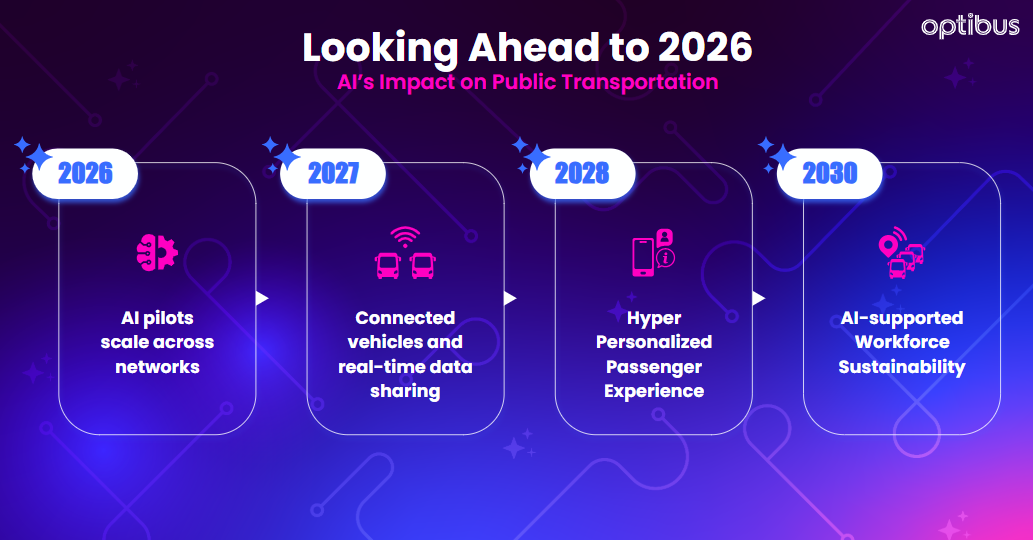
The shift to real-time data
The foundation of this AI revolution is data—and not just the historical data of past schedules. We’re talking about a constant stream of real-time information: GPS locations of buses and trains, passenger counts from automated systems, traffic conditions reported by connected vehicles and sensors, and even weather updates. This is a massive shift in how transit agencies operate.
Traditional transit planning relied on analyzing historical trends—how many people took the 8:15 am bus last Tuesday, for example. That's useful, but it’s looking in the rearview mirror. Real-time data allows agencies to respond to current conditions, making adjustments on the fly. This is where the power of AI truly comes into play.
The US Department of Transportation is pushing for standard data formats so apps can talk to each other across city lines. If a system only works in one zip code, it's useless for commuters. The real hurdle is keeping this data accurate without compromising rider privacy. Agencies have to scrub personal identifiers before this data hits the public cloud.
Predicting delays before they happen
AI algorithms excel at finding patterns, and when fed with a constant stream of real-time and historical data, they can start to predict what will happen. This is far more useful than simply knowing what is happening. Instead of just telling you your bus is 10 minutes late, the app might tell you there’s a high probability of a 15-20 minute delay due to a traffic incident reported on I-95.
These predictions aren’t based on guesswork. They’re based on analyzing thousands of data points, identifying correlations, and running simulations. For example, an algorithm might learn that a specific traffic pattern on a Tuesday afternoon consistently causes delays on a particular bus route. It can then proactively adjust estimated arrival times.
Predictive tech makes the bus feel as reliable as a car. When you know the train is stalled, you can grab a coffee or take a different route instead of pacing the platform. Citymapper and Transit already do some of this, but the math behind their arrival times is getting much better at accounting for rush hour patterns.
Consider the impact on a commuter who has a critical meeting. Knowing, with reasonable certainty, that their train will be significantly delayed allows them to adjust their plans—perhaps joining the meeting remotely or finding an alternative route—rather than being caught off guard.
Routes that learn your habits
AI isn't just about improving the efficiency of the transit system as a whole; it's also about tailoring the experience to individual needs. AI-powered apps can now offer personalized route recommendations based on a variety of factors, going far beyond simply finding the shortest path from point A to point B.
Do you want the fastest route, even if it involves more transfers? Or do you prefer a route with fewer changes, even if it takes a little longer? Do you need a route that's fully accessible? AI can take all of these preferences into account. This is especially important for people with disabilities or those traveling with luggage.
Multimodal routing is another key benefit. AI can seamlessly combine different modes of transportation—buses, trains, bikeshares, scooters, and even ride-hailing services—into a single, optimized journey. Apps are also starting to learn user habits. If you consistently take the train to work, the app might proactively suggest that route each morning, even before you open it.
This level of personalization is a game-changer for the car-free lifestyle. It makes it easier than ever to navigate a city without a car, knowing that the app is working to find the best possible route for you.
Buses that come to you
Imagine a bus that doesn’t follow a fixed route, but instead adjusts its path based on real-time requests from passengers. This is the promise of demand-responsive transit (DRT), and it’s becoming increasingly feasible thanks to AI. Algorithms can optimize DRT services to minimize wait times, maximize efficiency, and serve areas that aren’t well-served by traditional fixed-route transit.
DRT is particularly well-suited for serving underserved areas, off-peak hours, or areas with low population density. It can also be used to provide flexible transportation options for people with disabilities or seniors. Think of it as a more efficient and convenient version of a shared ride.
The Federal Transit Administration (FTA) is actively exploring the role of DRT in the future of public transit (transit.dot.gov). They've issued guidance on best practices and are funding pilot projects to test different DRT models. Regulations surrounding DRT are still evolving, but the focus is on ensuring safety, accessibility, and equitable service.
Accessibility Improvements: Transit for Everyone
AI has the potential to dramatically improve the accessibility of public transit for people with disabilities. Real-time audio announcements can provide crucial information for visually impaired passengers, while visual aids and clear signage can help people with cognitive disabilities navigate stations and vehicles.
Apps are also incorporating features that allow passengers to request personalized assistance, such as help with boarding or alighting. AI can even analyze transit systems to identify and address accessibility gaps, such as missing ramps or inaccessible bus stops.
Several apps specifically cater to accessibility needs, providing detailed information about accessible routes, stations, and vehicles. These apps are empowering people with disabilities to travel more independently and confidently. The focus is on creating a transit system that is truly inclusive and accessible to everyone.

No comments yet. Be the first to share your thoughts!