

Coastal Escapes: Ditch the Car
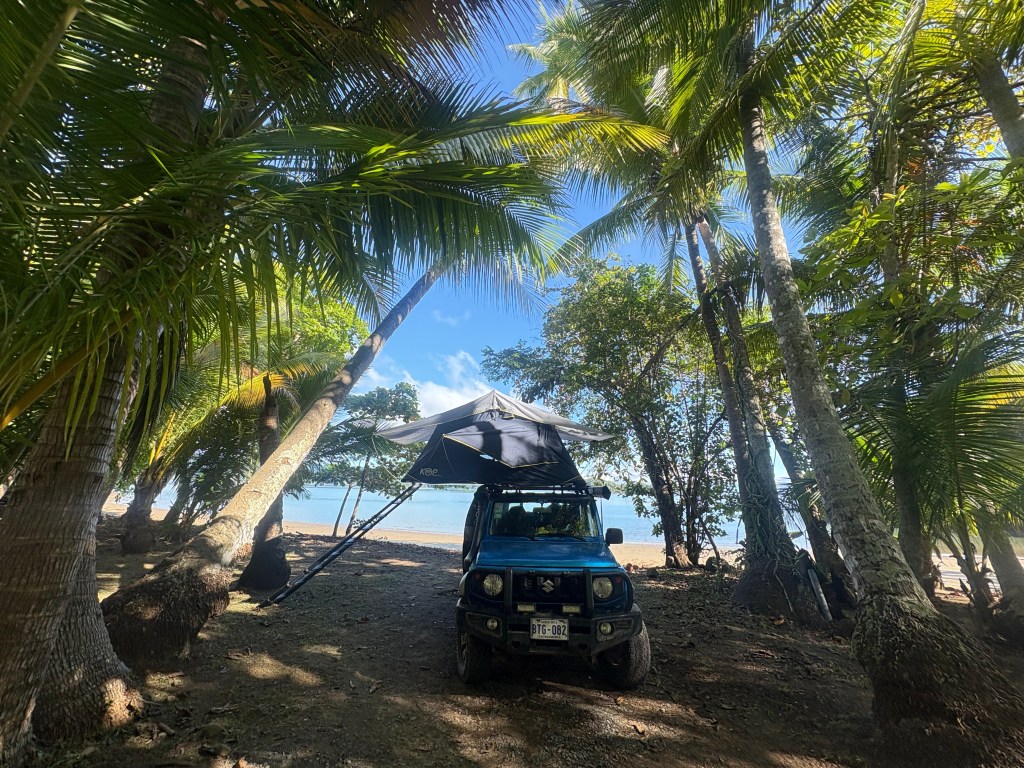
People are increasingly drawn to leaving their cars behind, not just for daily commutes but for vacations too. Car-free beach camping is gaining popularity as travelers look for more sustainable, affordable, and genuinely slower ways to explore. It’s about changing your perspective, not sacrificing comfort or adventure; the journey itself can be a significant part of the fun.
The advantages are clear. Beyond reducing your carbon footprint, there are cost savings: no gas or parking fees, and often cheaper public transport. A car-free trip also encourages a different pace, leading to greater engagement with your surroundings, local communities, and a deeper sense of relaxation.
This guide draws on information from Travel + Leisure’s list of car-free small towns, Facebook travel groups, and the New York Times’ advice on family car-free travel. We’ve also included insights from ShermansTravel and personal experiences to present 15 top car-free beach camping destinations. A great coastal adventure doesn’t require a car.
The 15 Best Car-Free Beach Campsites
Ready to trade asphalt for sand? Here are 15 destinations perfect for a car-free beach camping trip, each offering a unique experience. We’ve included details on how to get there without a car, camping facilities, and local activities.
1. Assateague Island National Seashore, Maryland/Virginia: Accessible via shuttle from nearby towns, Assateague is famous for its wild horses. Campsites require reservations and offer a rustic experience. Beyond the beach, explore hiking trails and wildlife viewing opportunities. This is a great spot for nature lovers.
2. Fire Island National Seashore, New York: A ferry is the only way to reach this barrier island. Camping is available at several locations, but reservations are essential, particularly during peak season. Fire Island is known for its laid-back atmosphere and beautiful beaches. It feels like a world away from the city.
3. Cape Hatteras National Seashore, North Carolina: While a car isn’t required, Cape Hatteras is incredibly bike-friendly with extensive trails and a shuttle service connecting key points. Campsites are available, and the area is a haven for surfers and anglers. Expect strong winds and stunning views.
4. Point Reyes National Seashore, California: Reachable by public transit from San Francisco, Point Reyes offers a dramatic coastline and diverse ecosystems. Several campgrounds are available, but book well in advance. Hiking, whale watching, and exploring the historic lighthouse are popular activities.
5. Acadia National Park - Sand Beach, Maine: The Island Explorer shuttle system provides easy access to Acadia’s attractions, including Sand Beach. Blackwoods and Seawall campgrounds are popular choices, offering a range of amenities. This is a fantastic destination for hiking and enjoying the rugged Maine coast.
6. Olympic National Park - Rialto Beach, Washington: Public transit can get you close to the trailheads leading to Rialto Beach. Camping is permitted with a wilderness permit. This is a wild and remote beach, perfect for those seeking solitude. Be prepared for rain!
7. Channel Islands National Park, California: Boat access only! This is a true escape. Camping is available on several islands, but reservations are crucial. Expect incredible wildlife viewing opportunities, including seals, sea lions, and whales.
8. Padre Island National Seashore, Texas: Shuttle services and bike rentals are available in some areas. Camping is permitted on the beach, but be aware of nesting sea turtles. This is a great option for birdwatchers and those seeking a warm-weather escape.
9. Cape Cod National Seashore, Massachusetts: Extensive bike trails and shuttle services make Cape Cod incredibly accessible without a car. Several campgrounds are available, but reservations are highly recommended. Enjoy charming towns, beautiful beaches, and fresh seafood.
10. Mackinac Island, Michigan: No cars are allowed on this island! Transportation is by horse-drawn carriage, bicycle, or foot. Several hotels and bed and breakfasts offer accommodations, and camping is available at Mackinac Island State Park. It's a unique and charming destination, as highlighted by many travelers on Facebook.
11. Santa Cruz, California: A train connects Santa Cruz to the Bay Area, and the city itself is very bike-friendly. New Brighton State Beach offers camping, and the boardwalk provides classic seaside entertainment.
12. Monterey, California: Accessible by Amtrak, Monterey offers beautiful beaches and the famous Monterey Bay Aquarium. Camping is available nearby, and the city is walkable and bikeable.
13. San Diego, California: San Diego has a robust public transportation system, including buses and trolleys. Coronado Beach is easily accessible, and camping is available at Silver Strand State Beach.
14. Outer Banks, North Carolina: While some areas are car-dependent, the Outer Banks has a growing network of bike paths and shuttle services. Camping is available at several state parks.
15. Block Island, Rhode Island: A ferry provides access to Block Island, a small island with stunning beaches and a relaxed atmosphere. Camping is available, and the island is best explored by bike.
Gear Up: Essential Car-Free Camping Kit
Traveling without a car means carrying everything, so lightweight and packable gear is essential. The focus is on smart, efficient packing with multi-use items and prioritizing quality.
A lightweight tent, ideally under 5 pounds, is a good start. Sleeping bags should be compact and rated for expected temperatures. A versatile cooking system, like a backpacking stove and pot, is important. Consider a stove that uses multiple fuel types for flexibility.
Navigation is important, even near camp. A map and compass serve as reliable backups to your phone, which might lose service. A headlamp or flashlight is also necessary. Pack a first-aid kit, sunscreen, insect repellent, and a reusable water bottle.
Finally, you’ll need a way to carry everything. A comfortable backpack with a good suspension system is key. For longer trips, consider panniers for your bike or a lightweight, foldable camping trailer. Distributing weight properly ensures a comfortable journey.
Essential Gear for Your Car-Free Beach Camping Adventure
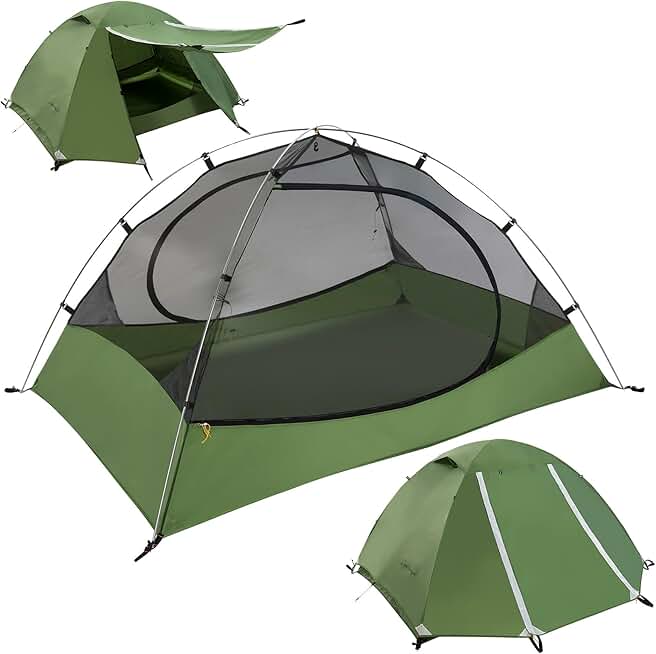
Ultralight design · Waterproof construction · Available in multiple sizes (1-6 person)
This tent provides durable and lightweight shelter essential for comfortable beachside camping.
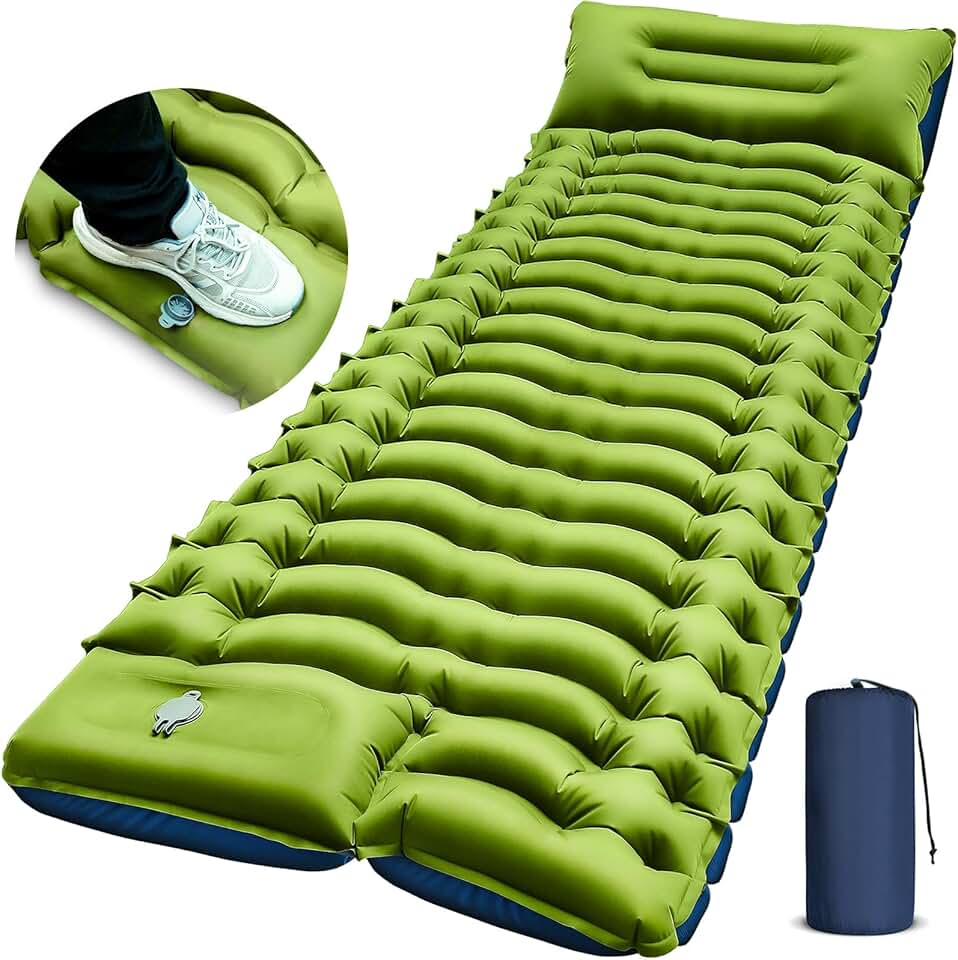
Built-in foot pump · Integrated pillow · Compact and ultralight
Ensures a comfortable night's sleep with its easy inflation and compact design, crucial for rest after a day of coastal exploration.

Dual fuel compatibility (propane/butane) · Portable with carrying case · Patented design
Offers a reliable and portable cooking solution for preparing meals in remote beach locations.

Removes bacteria and protozoa · Squeeze filtration design · Lightweight and portable
Provides access to safe drinking water from natural sources, essential for hydration during car-free adventures.

50L capacity (45+5L) · Waterproof material · Includes rain cover
A durable and waterproof backpack capable of carrying all your essentials comfortably for extended beach camping trips.
As an Amazon Associate I earn from qualifying purchases. Prices may vary.
Transportation Tactics: Beyond the Automobile
Planning a car-free trip requires more forethought than driving, but the effort is rewarded with a more immersive and sustainable travel experience. Here are key transportation options.
Train travel is a great option for longer distances. Amtrak serves many coastal destinations, and regional rail lines connect to smaller towns. Booking in advance is often cheaper; consider a rail pass for extensive travel. Remember to check baggage allowances.
Bus networks like Greyhound and Megabus offer affordable transportation to many destinations. While not always glamorous, they are a budget-friendly way to get around. Expect longer travel times and fewer amenities.
Ferries are essential for island destinations like Fire Island and the Channel Islands. Check schedules and book tickets in advance, especially during peak season. Some ferries allow bicycles, useful for island exploration.
The New York Times offers advice on family car-free travel, stressing the importance of packing light and checking local tourism boards for transportation. A little research goes a long way.
Island Life: Mackinac & Beyond
Mackinac Island, Michigan, exemplifies a car-free vacation. The absence of cars creates a unique atmosphere: a slower pace, focus on pedestrians and bikes, and a strong community feel. Exploring by horse-drawn carriage or bicycle is memorable.
Mackinac isn’t the only place cars are prohibited or limited. The Channel Islands, accessible only by boat, offer a similar escape. Car-free areas of Fire Island also provide a peaceful environment. These destinations show that a car-free lifestyle can be an enhancement, not a compromise.
The charm of these locations is their simplicity. Without traffic noise, you notice your surroundings more: the ocean sounds, forest smells, and people you meet. It’s a chance to disconnect from modern stress and reconnect with yourself and nature.
Many coastal towns are promoting car-free tourism by investing in bike infrastructure and public transportation. They recognize that reducing car dependence improves quality of life for residents and visitors.
Leave No Trace: Sustainable Camping Practices
Traveling car-free is a step toward sustainable tourism, but responsible camping habits are also important. The Leave No Trace principles offer a guide: plan ahead, travel and camp on durable surfaces, dispose of waste properly, leave what you find, minimize campfire impacts, respect wildlife, and be considerate of others.
Coastal environments require specific considerations. Protect dune ecosystems by staying on designated paths. Be mindful of nesting sea turtles and shorebirds. Dispose of all trash, including food scraps, properly to avoid attracting wildlife. Avoid single-use plastics.
Bring a reusable container for washing dishes and use biodegradable soap. Pack out all toilet paper and human waste. Be aware of your activities' impact on the fragile coastal environment and strive to minimize your footprint. Preserving these places for future generations is a collective responsibility.
- Plan ahead and prepare
- Travel and camp on durable surfaces
- Dispose of waste properly
- Leave what you find
- Minimize campfire impacts
- Respect wildlife
- Be considerate of other visitors
Standout Spots: Worth a Second Look
Here are a few destinations
Channel Islands National Park: Getting there requires a boat trip, which adds to the sense of remoteness. Once on the islands, hiking trails abound, offering stunning views of the Pacific Ocean and opportunities to spot unique wildlife. This is a destination for experienced hikers and nature enthusiasts.
Point Reyes National Seashore: Reaching Point Reyes via public transit requires some planning, but it’s well worth the effort. The dramatic coastline, diverse ecosystems, and historic lighthouse create a truly unforgettable experience. Bring your binoculars for whale watching!
Acadia National Park: The Island Explorer shuttle system makes it easy to get around Acadia, but the park is also popular, so book your campsites well in advance. The combination of rugged coastline, granite peaks, and charming towns makes Acadia a must-visit destination. Consider biking the carriage roads for a leisurely exploration of the park.
No comments yet. Be the first to share your thoughts!