

Coastal escapes without a car
There’s a growing appeal in slowing down travel, and a desire to lessen our impact on the environment. Car-free beach camping offers both. It’s about choosing destinations where you can truly disconnect – from traffic, from the constant hum of engines, and reconnect with the natural world. This isn’t necessarily about completely eliminating all vehicle use, but rather prioritizing places accessible by public transport, ferries, or bicycles.
The benefits are numerous. Reducing your carbon footprint is a significant one, of course. But there’s also a unique intimacy that comes with experiencing a place without the buffer of a car. You notice more details, interact more with local communities, and gain a deeper appreciation for the landscape. It demands a bit more planning, admittedly, but the rewards are well worth the effort.
Ditching the car for a beach trip sounds like a logistical headache, but several US coastal spots are built for it. You don't need a steering wheel to reach these sites—just a ferry ticket or a sturdy bike rack.
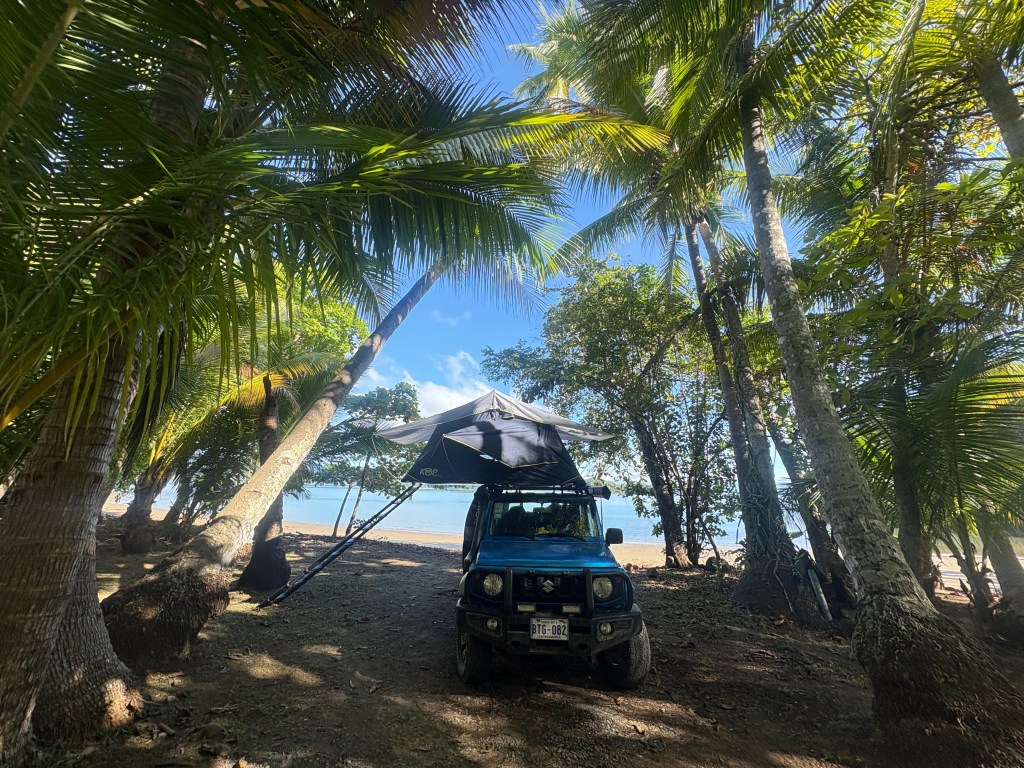
Assateague Island National Seashore, Maryland & Virginia
Assateague Island, famous for its wild horses, is a fantastic option for car-free campers. The island itself is largely undeveloped, preserving its natural beauty. Access is primarily via ferry from Chincoteague, Virginia, or Crisfield, Maryland. The ferry ride offers a scenic introduction to the island, and immediately sets a slower pace for your trip.
Once on Chincoteague, you can easily rent bicycles to explore the town and access the island’s trails. Camping permits are required, and reservations are highly recommended, especially during peak season. You can find information and make reservations through the National Park Service website (). Be prepared for fairly primitive campsites – there are limited amenities, and you’ll need to pack in everything you need.
The biggest challenge on Assateague is the bugs, particularly mosquitoes and biting flies. Late summer can be especially bad, so bring plenty of insect repellent. Pack light, but thoroughly. You’ll need to carry all your gear from the ferry landing to your campsite, so minimize weight where possible. And remember to pack out everything you pack in – leave no trace of your visit. The wild horses are accustomed to people, but maintain a respectful distance and never feed them.
Channel Islands National Park, California
Often called the “Galapagos of North America,” Channel Islands National Park offers a truly unique camping experience. Reaching the islands car-free requires a bit of effort, but the reward is well worth it. The primary access point is via ferry from Ventura and Oxnard, California. Island Packers () is the official ferry concessionaire.
Santa Cruz Island is the most accessible for camping, with several established campgrounds. The ferry ride itself is an opportunity for whale watching – gray whales migrate past the islands during the winter and spring. Once on the island, you’ll find a network of hiking trails, ranging from easy strolls to challenging climbs. Kayaking and snorkeling are also popular activities, allowing you to explore the island’s rugged coastline and underwater kelp forests.
Transporting camping gear onto the island is the biggest logistical hurdle. Island Packers allows passengers to bring a limited amount of gear on the ferry, but you’ll need to be prepared to carry it from the landing to your campsite – sometimes a considerable distance. Pack strategically, prioritizing lightweight gear and minimizing bulk. The solitude and natural beauty of the Channel Islands are unparalleled. It’s a place to truly disconnect and immerse yourself in nature. Don't underestimate the power of the sun and wind – bring layers and sun protection.
Cape Cod National Seashore, Massachusetts
Cape Cod offers a surprising number of car-free options, thanks to its extensive bike trail network and relatively good public transportation. The Cape Cod Regional Transit Authority (CCRTA) provides bus service throughout the peninsula, making it easy to reach many of the National Seashore’s campgrounds. Several campgrounds are directly accessible by bus or bike, offering a convenient base for exploring the area.
The charming towns of Provincetown and Wellfleet are particularly bike-friendly, with bike rentals readily available. The National Seashore itself boasts miles of paved bike trails, winding through dunes, forests, and along the coastline. Seasonal ferries connect Cape Cod to the islands of Nantucket and Martha’s Vineyard, extending your car-free adventure even further.
Campgrounds here fill up months in advance for July and August. Even in the heat of summer, the Atlantic fog rolls in fast, so bring a heavy fleece. If the wind gets too rough on the dunes, the shops in Wellfleet offer a solid backup plan.
Outer Banks, North Carolina (Hatteras Island)
While the Outer Banks are generally car-dependent, Hatteras Island stands out as the most car-free friendly portion. A free ferry system connects Hatteras Island to Ocracoke Island, eliminating the need for a car to explore both. The Hatteras Island ferry is a convenient way to travel, and offers beautiful views of Pamlico Sound.
Hatteras Island itself has relatively flat terrain, making it ideal for biking. Several rental shops offer bikes, and the roads are generally bike-friendly. Kayak and paddleboard rentals are also available, allowing you to explore the sound and the ocean. The Cape Hatteras Lighthouse is a must-see attraction, and the area is renowned for its birdwatching opportunities.
Getting to Hatteras Island without a car requires a bit more planning. Bus connections are available from larger cities like Raleigh and Norfolk, but may require transfers. Check schedules carefully and book in advance. Once on the island, you can rely on biking, walking, and the free ferry to get around. Pack light, and be prepared for potential delays due to weather conditions. Remember to bring sunscreen, a hat, and plenty of water.
Gear for the trail and ferry
When you’re relying on your own two feet (or two wheels) to transport your gear, weight and packability become paramount. A lightweight tent is essential – look for models under 4 pounds. Similarly, a compact sleeping bag that compresses well will save valuable space. Consider a backpacking stove and cookware set for preparing meals. Remember to pack all food in bear-resistant containers where required.
Transportation solutions are key. A bike trailer can be invaluable for hauling gear on Cape Cod or Assateague. A kayak cart can help you move your kayak (and camping supplies) from the ferry landing to your campsite. Packing cubes are a lifesaver for organizing your gear and compressing clothing. A good backpack (50-70 liters) is crucial for carrying everything.
Every ounce of trash you create is something you have to haul back to the ferry. Stick to beeswax wraps instead of plastic baggies and bring a basic multi-tool for gear repairs. If you haven't used an item in your last three trips, leave it at home.
Essential Gear for Your Car-Free Beach Camping Adventure

Sets up in as little as 5 minutes · Weatherproof design with rainfly · Offers 20% more headroom than traditional canopies
This tent provides a quick and spacious shelter solution, ideal for car-free campers prioritizing ease of setup and comfort.

Filters bacteria and parasites from water sources · 1-liter capacity · Ultra-compact and versatile design
Ensures access to safe drinking water from natural sources, a critical element for sustainable and remote camping.

Puncture-free wheels for all-terrain use · Assembles and disassembles in seconds without tools · Adjustable straps for secure kayak or canoe transport
This cart simplifies the transport of watercraft over varied terrain, making beach access more manageable for car-free adventurers.
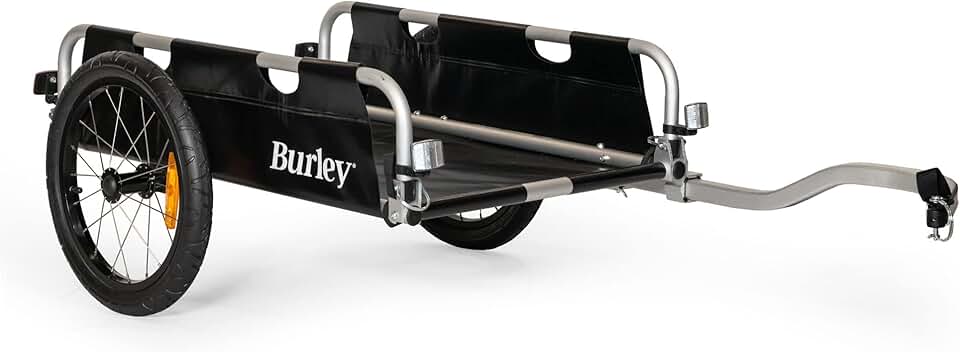
Aluminum construction for lightweight durability · 100 lb weight capacity for larger loads · Compact fold for easy storage
A robust and adaptable trailer for carrying gear, this cargo bike trailer is essential for car-free campers needing to transport substantial supplies.

Ultralight and waterproof material · Set includes 3L, 5L, and 8L sizes · Protects gear from water and dust
These dry bags offer essential protection for gear in a coastal environment, keeping items dry and organized without adding significant weight.
As an Amazon Associate I earn from qualifying purchases. Prices may vary.
Leaving the beach as you found it
Responsible travel is essential for preserving the beauty of these coastal destinations. The seven principles of Leave No Trace provide a framework for minimizing your impact: Plan Ahead and Prepare, Travel and Camp on Durable Surfaces, Dispose of Waste Properly, Leave What You Find, Minimize Campfire Impacts, Respect Wildlife, and Be Considerate of Other Visitors.
Respecting wildlife is particularly important. Maintain a safe distance from animals, and never feed them. Minimize campfire impacts by using established fire rings or stoves. Properly dispose of all waste – pack out everything you pack in. Avoid using single-use plastics, and bring reusable alternatives.
Car-free travel inherently reduces your environmental impact. By choosing not to drive, you’re lowering your carbon footprint and contributing to cleaner air. I'm a big believer in giving back to the places we visit – consider volunteering for a local conservation organization or donating to a park fund. Sustainable travel is about more than just minimizing harm; it's about actively contributing to the health of the environment.
Ferry Services to Car-Free Beach Camping Destinations (2026 Estimates)
| Destination | Ferry Operator | Frequency | Approximate Cost (Roundtrip) | Bike/Kayak Policy | Reservations Required? |
|---|---|---|---|---|---|
| Assateague Island National Seashore (MD/VA) | None - Bridge Access Primarily | N/A - Bridge | N/A - Bridge Tolls Apply | Bikes permitted on designated paths; Kayaks allowed with permits | No, for bridge access. Permits required for kayak launch. |
| Fire Island (NY) | Sayville Ferry Service | Frequent - Hourly during peak season | Approximately $20 - $30 per person | Bikes allowed; Kayaks can be carried on for a small fee | Highly Recommended, especially during peak season |
| Block Island (RI) | Block Island Ferry | Multiple Daily Departures | Approximately $30 - $60 per person, depending on origin port | Bikes are welcome; Kayaks can be transported with restrictions | Reservations strongly advised, particularly for vehicles (though this guide focuses on car-free travel) |
| Isle of Palms (SC) | None - Bridge Access Primarily | N/A - Bridge | N/A - Bridge Tolls Apply | Bikes permitted on roads and paths; Kayaks allowed with permits | No, for bridge access. Permits required for kayak launch. |
| Orcas Island (WA) | Washington State Ferries | Variable - Several sailings daily | Approximately $15 - $30 per person, plus potential vehicle fee (not applicable for walk-ons) | Bikes are permitted; Kayaks require separate arrangements and may have restrictions | Reservations highly recommended, especially during summer months |
| Tangier Island (VA) | Tangier Cruises | Limited - Twice Daily | Approximately $40 - $50 per person | Bikes are generally not practical due to island size and terrain; Kayaks allowed with local permission | Reservations essential |
Illustrative comparison based on the article research brief. Verify current pricing, limits, and product details in the official docs before relying on it.
No comments yet. Be the first to share your thoughts!