

The appeal of leaving the car behind
I've found that arriving at a beach by train or ferry changes the trip entirely. You aren't just rushing to a parking spot; you're forced to slow down. It turns a standard weekend away into a real expedition where you actually see the coast instead of just driving past it.
The benefits are numerous. You’ll reduce your carbon footprint, avoid the stress of traffic and parking, and often save money on gas and vehicle wear and tear. Beyond the practical advantages, you experience the coastline in a way most tourists don’t. You notice the small towns you pass through, the local businesses, and the subtle shifts in the environment. It’s a more immersive experience, period.
I've seen firsthand how a car-free approach transforms a simple camping trip into something truly special. It forces you to pack lighter, plan more carefully, and rely on your own resourcefulness. It’s challenging, yes, but that challenge is part of the appeal. And with a little planning, amazing beach experiences are absolutely within reach, even without a vehicle. The growing movement towards sustainable travel is making these options more accessible than ever before.
This isn’t just a trend; it’s a response to a desire for more meaningful travel. People are seeking experiences that align with their values, and car-free camping offers a way to connect with nature while minimizing your impact. It’s about proving that you don’t need a lot of stuff to have a great time; you just need a spirit of adventure.
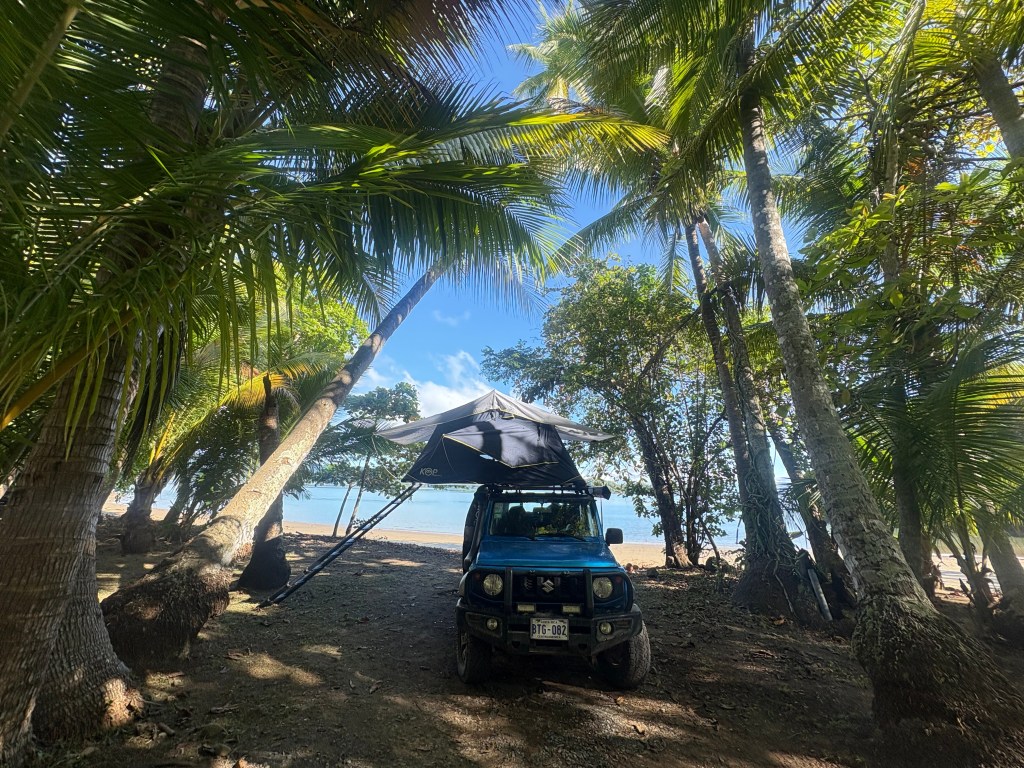
14 reliable car-free beach spots
Finding a beach camping spot accessible without a car requires a bit of research, but the rewards are well worth the effort. Here are 15 destinations, with details on how to get there, camping specifics, and what to expect. Keep in mind that ferry schedules and public transport routes can change, so always double-check before you travel.
Fire Island National Seashore, New York: Accessible by ferry from Long Island (Sayville, Bay Shore, Patchogue). Several campgrounds available, reservations essential through Recreation.gov. Expect pristine beaches, dunes, and a car-free community. The ferry costs around $30-$40 roundtrip per person.
Assateague Island National Seashore, Maryland/Virginia: The Maryland side is more accessible via public transport. Take the E2 bus from Berlin, MD, to the visitor center, then a shuttle to the campgrounds. Reservations are required. Famous for its wild horses, it's a truly unique experience. Camping fees are around $30 per night.
Cape Lookout National Seashore, North Carolina: Requires a ferry from Harkers Island. Limited public transport to Harkers Island, so combining bus and ride-sharing might be necessary. Primitive camping only, permits required. This is a remote and unspoiled barrier island.
Channel Islands National Park, California: Ferries run from Ventura and Santa Barbara. Amtrak trains connect to both cities. Camping reservations are extremely competitive, book well in advance. Expect incredible wildlife viewing and hiking opportunities. Ferry cost is approximately $60-$80 roundtrip.
Dry Tortugas National Park, Florida: Accessible by ferry or seaplane from Key West. Key West is accessible by bus from Miami. Camping reservations are essential, and space is limited. Snorkeling and diving are exceptional. The ferry is around $180 roundtrip, a significant expense.
Point Reyes National Seashore, California: Accessible by a combination of bus (Golden Gate Transit) and hiking. Several campgrounds available, reservations recommended. Stunning coastal scenery and abundant wildlife. A great option for experienced hikers.
Olympic National Park - Rialto Beach, Washington: Public transit (Clallam Transit) goes to Forks, WA, from which you can access the Rialto Beach trailhead. Dispersed camping is allowed with a permit. Be prepared for rain and rugged terrain. This is a classic Pacific Northwest experience.
Acadia National Park - Blackwoods Campground, Maine: The Island Explorer shuttle provides free transportation around the park, including to the campgrounds. The bus connects to Bar Harbor, which is accessible by bus from Bangor. Reservations are essential, especially during peak season. Enjoy granite peaks, rocky coastline, and stunning views.
Oregon Dunes National Recreation Area, Oregon: Accessible by the Coast Starlight Amtrak train to Florence, and then local bus service. Several campgrounds available, some with direct beach access. Explore the impressive sand dunes. Camping fees range from $15-$30 per night.
Montauk Point State Park, New York: Accessible by the Long Island Rail Road (LIRR) to Montauk. Campgrounds are available, reservations recommended. Offers excellent fishing and hiking opportunities. A popular destination, so book early.
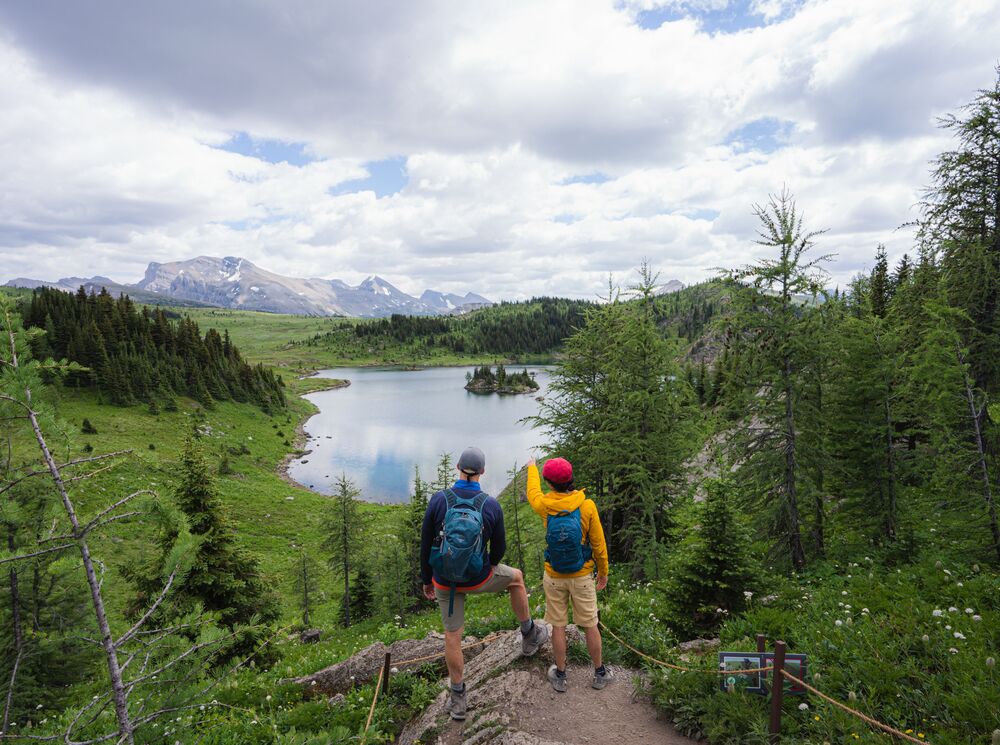
Assiniboine Provincial Park, Manitoba, Canada: A more adventurous option! Accessible by a combination of train and a long hike. Backcountry camping only, permits required. Offers stunning wilderness and pristine lakes.
South Padre Island, Texas: Accessible by bus (Greyhound) to Brownsville, TX, then a local shuttle or ride-sharing service. Several RV parks and campgrounds offer tent camping. Known for its birdwatching and warm waters.
Outer Banks, North Carolina: Public buses serve some areas of the Outer Banks, but getting to more remote camping spots will require some planning and potentially ride-sharing. Offers historic lighthouses and wild beaches.
San Elijo State Beach, California: Accessible by the Coaster train to Solana Beach, then a short walk or bus ride. Popular for surfing and camping, reservations are highly recommended. Expect crowds, especially on weekends.
Gear that fits on your back
When you’re relying on public transportation and your own two feet, every ounce counts. Lightweight and packable gear is critical. Forget about bringing everything but the kitchen sink. Focus on essential items that serve multiple purposes.
A good backpack (50-70 liters) is your foundation. Look for one with a comfortable suspension system and plenty of pockets. Comfortable walking shoes are equally important; broken-in hiking boots or trail runners are ideal. A lightweight tent – ideally under 4 pounds – is a must. Consider a backpacking tent designed for one or two people.
For sleeping, a compact sleeping bag rated for the expected temperatures is essential. A sleeping pad provides insulation and comfort. A versatile cooking system – a small stove and pot – allows you to prepare simple meals. A water filter or purification tablets are non-negotiable. Finally, a headlamp or small flashlight is crucial for navigating in the dark. Don't forget a small first-aid kit!
- A 50-70L backpack with a solid suspension system to handle the weight of your water and gear.
- Hiking Boots/Trail Runners: Broken-in and supportive.
- A tent weighing under 4 pounds. Since you're carrying it on your back, every ounce matters.
- Sleeping Bag & Pad: Rated for expected temperatures.
- Compact Cooking System: Stove, pot, utensils.
- Water Filter/Purification Tablets: Essential for safe drinking water.
- Headlamp/Flashlight: For navigating in the dark.
- First-Aid Kit: Be prepared for minor injuries.
Essential Gear for Your Car-Free Beach Camping Adventure

Lightweight and waterproof design · Suitable for 1-2 persons · Made with Global Recycled Standard certified materials
This tent is ideal for car-free beach camping due to its lightweight, waterproof, and eco-friendly construction, making it easy to transport and set up.

Filters bacteria and protozoa · Attaches to standard water bottles or collapsible pouches · Long-lasting filtration element
The Sawyer Squeeze ensures access to safe drinking water from natural sources, a critical element for sustainable beach camping where potable water may be scarce.
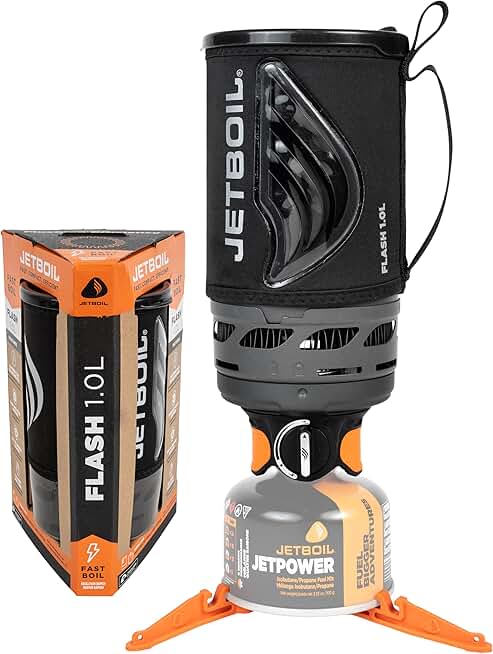
Fast boil times · One-step auto ignition · Compact and portable design
This stove provides a quick and efficient way to heat water for meals and beverages, essential for comfortable car-free camping without the need for a campfire.

400 lumens brightness with dimmable settings · Waterproof and durable construction · Operates on 3x AAA batteries (included)
A reliable and bright headlamp is vital for navigating campsites and trails after dark, ensuring safety and convenience during evening hours.
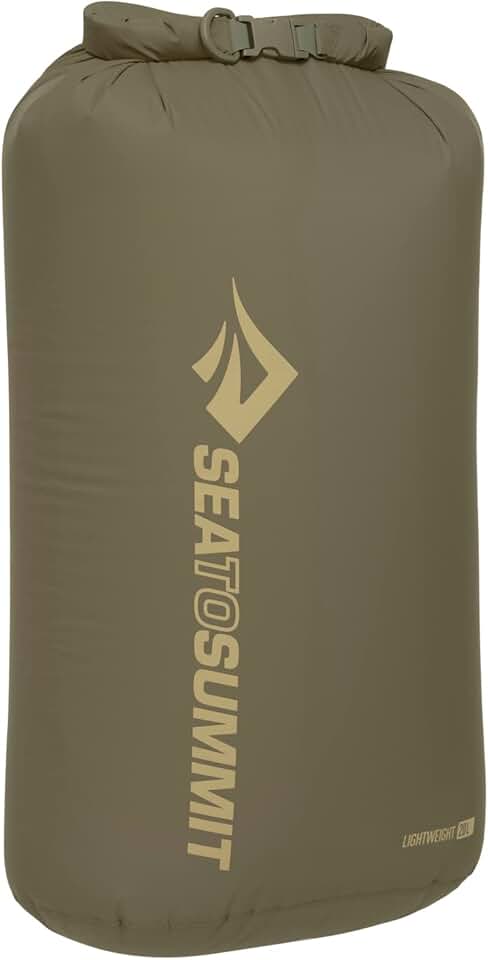
Lightweight and durable material · Waterproof protection for gear · Various sizes available for different needs
Dry bags are essential for protecting electronics, clothing, and other valuables from sand and sea spray, keeping your gear dry and functional.
As an Amazon Associate I earn from qualifying purchases. Prices may vary.
Navigating Public Transport & Last-Mile Solutions
Getting to your car-free beach camping destination is often the most complex part of the trip. Apps like Citymapper, Transit, and Rome2Rio can be invaluable for planning routes and identifying public transport options. These apps combine data from various sources to provide comprehensive travel information.
Be prepared to combine different modes of transport. A typical journey might involve a train, a bus, and a bike ride. Flexibility is key. Don’t be afraid to adjust your plans if a particular route isn’t working out. The 'last mile' – the distance between the bus stop or train station and the beach itself – can be the trickiest part.
Bike rentals are a great option for covering that last mile. Many coastal towns offer bike rental services. Ride-sharing services (Uber, Lyft) can also be useful, but availability may be limited in more remote areas. And sometimes, the only option is to walk. Factor in extra time for walking, especially if you’re carrying a heavy pack. Knowing the local bus schedules is also key to navigating the area.
Leaving the coast as you found it
Protecting the fragile coastal ecosystems is paramount. Practicing the seven Leave No Trace principles is essential for minimizing your impact. These principles include planning ahead and preparing, traveling and camping on durable surfaces, disposing of waste properly, leaving what you find, minimizing campfire impacts, respecting wildlife, and being considerate of other visitors.
Proper waste disposal is particularly important on beaches. Pack out everything you pack in, including food wrappers, bottles, and cigarette butts. Minimize campfire impacts by using established fire rings or stoves. Never leave a fire unattended, and make sure it’s completely extinguished before leaving. Respect wildlife by observing animals from a distance and never feeding them.
The Bureau of Land Management provides specific guidelines for coastal areas on their site. The most effective thing you can do is leave your site better than you found it—pick up the micro-plastics or stray bottle caps that others missed.
Avoid disturbing vegetation, especially dune grasses, which are critical for preventing erosion. Stay on designated trails and boardwalks whenever possible. Be mindful of your impact on sensitive habitats, such as nesting bird areas. Let's ensure these beautiful coastal areas remain pristine for years to come.
- Plan Ahead & Prepare: Know regulations and potential hazards.
- Travel & Camp on Durable Surfaces: Stick to trails and established campsites.
- Dispose of Waste Properly: Pack it in, pack it out.
- Leave What You Find: Don't collect souvenirs.
- Minimize Campfire Impacts: Use stoves or established fire rings.
- Respect Wildlife: Observe from a distance.
- Be Considerate of Others: Keep noise levels down.
No comments yet. Be the first to share your thoughts!