

the case for leaving the car behind
For decades, the default assumption for a vacation involved securing a rental car. That’s changing, and for good reason. Ditching the rental car makes a trip cheaper and cuts out the stress of navigating unfamiliar traffic. It's not always easier, I'll admit. Planning takes more effort, and you trade spontaneous detours for reliance on schedules. But the benefits are compelling.
The financial advantages are substantial. Beyond the daily rental fee, you’re looking at gas, parking (which can be exorbitant in many cities), and potential insurance costs. Public transportation, in contrast, frequently proves much cheaper, especially with rail passes or city-specific transit options. This allows you to allocate more of your budget to experiences, food, or better accommodations.
Trains and ferries are just better for the planet. Beyond the carbon footprint, you actually see the neighborhood instead of a highway shoulder. I've found that sitting on a local bus is the fastest way to figure out how a city actually functions.
Attitudes are shifting. People are realizing that a car isn’t always necessary to have a fulfilling vacation. In fact, sometimes not having a car enhances the experience. It pushes you to explore differently, to embrace the local rhythm, and to discover hidden gems you’d likely overlook otherwise. It’s about prioritizing experiences over convenience, and that can lead to truly unforgettable trips.
ten us cities where you don't need a car
The United States, despite its reputation for car dependency, offers a surprising number of destinations easily explored without a vehicle. Many cities have invested in robust public transportation systems, and some towns are intentionally car-free. Here are ten places to start planning your next car-free adventure.
New York City, New York: Perhaps the most obvious choice, New York City’s subway system is extensive and efficient. You can reach almost any corner of the five boroughs without ever needing a taxi or rental car. Beyond the subway, buses, ferries, and even the Staten Island Railway provide ample transportation options. Walking is also a fantastic way to explore neighborhoods like Greenwich Village or the Upper West Side.
San Francisco, California: San Francisco boasts a comprehensive public transportation network including Muni buses, streetcars, cable cars, and BART (Bay Area Rapid Transit). Combine this with a walkable urban core and a growing bike share program, and you have a city perfectly suited for car-free exploration. A ride on a cable car is a must-do, even if just for the experience.
Boston, Massachusetts: Boston’s “T” (Massachusetts Bay Transportation Authority) provides access to most of the city’s attractions and neighborhoods. Walking the Freedom Trail is a great way to experience history, and the city is relatively compact, making it easy to get around on foot. The commuter rail also offers connections to surrounding towns and suburbs.
Washington, D.C.: The nation’s capital has a clean and efficient Metro system that connects to major monuments, museums, and neighborhoods. The Circulator bus provides affordable access to popular tourist areas, and Capital Bikeshare offers a convenient way to explore the city at your own pace.
Chicago, Illinois: Chicago’s "L" train provides extensive coverage of the city. Buses and bike lanes complement the train system, offering a variety of transportation options. Walking along the Riverwalk or exploring Millennium Park are essential car-free activities.
New Orleans, Louisiana: While sometimes sprawling, New Orleans’ French Quarter and Garden District are easily walkable. The streetcar system provides access to other neighborhoods, and the city is relatively bike-friendly. Just be prepared for the humidity!
Portland, Oregon: Portland is renowned for its commitment to public transportation and cycling. MAX Light Rail, buses, and an extensive network of bike lanes make it easy to get around without a car. The city’s compact size also makes walking a viable option.
Mackinac Island, Michigan: As reported on Facebook, this island prohibits cars. Transportation is limited to horse-drawn carriages, bicycles, and walking. It's a truly unique experience, stepping back in time to a slower, more peaceful way of life. It's a popular weekend getaway for a reason.
Santa Barbara, California: This coastal city is remarkably walkable, especially the downtown area and State Street. The Santa Barbara Metropolitan Transit District provides bus service throughout the city and surrounding areas. The Amtrak station offers connections to other California destinations.
Asheville, North Carolina: Asheville is becoming increasingly bike-friendly, and the downtown area is very walkable. The ART (Asheville Redefines Transit) bus system provides service to various parts of the city and surrounding areas.
Car-Free Destinations in 2026
| Destination | Primary Transportation Mode(s) | Estimated Daily Transportation Cost | Accessibility Score (1-5) | Vibe |
|---|---|---|---|---|
| Mostar, Bosnia and Herzegovina | Walking, Local Buses, Trains | Low: $5 - High: $15 | 4 | Historic and Cultural |
| Tuscany, Italy | Trains, Buses, Cycling | Low: $10 - High: $25 | 4 | Rolling Hills & Wine Country |
| Palau, Micronesia | Walking, Kayak, Boat Tours | Low: $20 - High: $50 | 3 | Relaxed Island Paradise |
| New York City, USA | Subway, Buses, Walking, Ferries | Low: $8 - High: $30 | 5 | Fast-Paced Urban Adventure |
| London, England | Underground (Tube), Buses, Walking, Trains | Low: $12 - High: $40 | 5 | Historic City with Modern Flair |
| Puerto Rico, USA | Public Buses, Walking, Ferries | Low: $5 - High: $20 | 4 | Tropical Beaches & Vibrant Culture |
| Croatia (Coastal Towns) | Ferries, Buses, Walking | Low: $15 - High: $35 | 4 | Coastal Relaxation & Island Hopping |
| Bali, Indonesia | Bemo (local minibus), Walking, Scooter (rental available, but not essential) | Low: $3 - High: $10 | 3 | Spiritual Retreat & Natural Beauty |
Illustrative comparison based on the article research brief. Verify current pricing, limits, and product details in the official docs before relying on it.
apps and maps for the route
Successful car-free travel hinges on careful planning. Unlike driving, where you can change direction on a whim, relying on public transportation requires knowing schedules, routes, and potential connections. Fortunately, a wealth of resources are available to help you navigate.
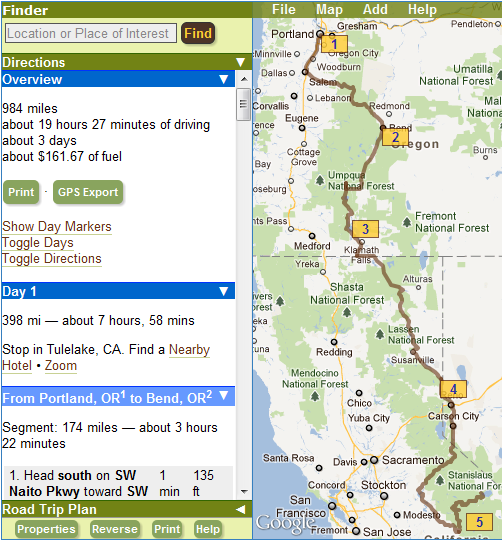
Rome2Rio (rome2rio.com) is an excellent starting point. It displays how to get from point A to point B using any combination of transportation modes—trains, buses, planes, ferries, and even walking. Citymapper is a fantastic app for navigating public transportation within major cities, providing real-time information on schedules, delays, and platform changes. Google Maps, with the public transportation option selected, is also a valuable tool.
For long-distance travel within the US, Amtrak (amtrak.com) offers a network of passenger rail service. While not as extensive as in Europe or Asia, Amtrak can be a comfortable and scenic way to travel between cities. Greyhound (greyhound.com) provides bus service to a wide range of destinations. Don’t overlook local transit authority websites – they often have the most up-to-date information on routes, fares, and service alerts. Don’t assume these will be easy to find; sometimes a little digging is required.
Combining modes of transportation is often necessary. For example, you might take a train to a major city, then use the local subway system to reach your final destination. Be sure to factor in transfer times and potential delays when planning your itinerary. A little extra time built into your schedule can save a lot of stress.
Family Adventures: Car-Free with Kids
Taking kids on a train requires a different strategy than a road trip. You have to be okay with moving slower and planning your stops around station amenities.
Packing strategically is crucial. Bring plenty of snacks, books, and small games to keep kids entertained on trains and buses. Consider a portable DVD player or tablet loaded with movies and shows. A well-stocked backpack for each child can also be a lifesaver. Choose destinations that are family-friendly and offer a variety of activities.
Be realistic about distances and travel times. Don’t try to cram too much into a single day. Allow for frequent breaks and downtime. Look for destinations with parks, playgrounds, and other kid-friendly attractions. When possible, choose accommodations that are close to public transportation stops.
Extra planning is essential. Research the accessibility of attractions and restaurants. Consider the logistics of getting around with strollers or diaper bags. Be prepared for unexpected delays and have a backup plan in place. But remember, the shared experience of navigating a new place together can create lasting memories.
Budgeting for Public Transport
One of the key benefits of car-free travel is potential cost savings. However, it's important to factor in the cost of public transportation when budgeting for your trip. These costs can vary significantly depending on the destination and the length of your stay.
Renting a car usually runs $50 to $100 a day before you even hit the gas pump or pay $40 for hotel parking. In New York, a $2.90 subway ride covers the same ground. If you're going long-distance, an Amtrak USA Rail Pass costs $499 for 10 segments, which usually beats the price of gas and wear-and-tear on a cross-country drive.
Several strategies can help you save money on public transportation. Rail passes, such as the Eurail pass (for Europe) or Amtrak’s USA Rail Pass, can offer significant discounts for unlimited travel within a certain period. City passes often include free or discounted access to public transportation and attractions. Traveling during off-peak hours can also save you money, as fares are often lower.
Walking and biking are free and healthy ways to explore a city. Many cities have bike share programs that offer affordable rentals. Taking advantage of these options can significantly reduce your transportation costs and allow you to see more of your destination.
Packing Light: The Car-Free Traveler's Secret
When you’re relying on public transportation, packing light is not just a convenience—it's essential. Lugging heavy suitcases onto trains, buses, and up stairs is a recipe for misery. The less you bring, the easier it will be to navigate your destination.
A capsule wardrobe is your friend. Choose versatile clothing items that can be mixed and matched to create multiple outfits. Pack travel-sized toiletries to save space and weight. Consider multi-purpose items, such as a scarf that can be used as a blanket or a sarong that can be used as a beach cover-up.
Roll your clothes instead of folding them to save space and minimize wrinkles. Use packing cubes to organize your belongings and compress your clothes. Wear your heaviest shoes and jacket on the plane or train to avoid packing them.
Remember, you can always buy things you need at your destination. Don’t be afraid to leave non-essential items at home. A lighter suitcase will make your car-free adventure much more enjoyable.
handling the inevitable delays
Even with the most meticulous planning, things don’t always go according to plan. Train delays, missed connections, and other unexpected disruptions are a reality of travel. The key is to be prepared and to remain flexible.
Download offline maps and schedules to your phone in case you lose internet access. Have a backup plan in place for getting to your destination if your original route is disrupted. Know the contact information for local transit authorities and emergency services.
If your train is delayed, check with the conductor for updates and alternative routes. Don’t be afraid to ask for help from station staff or fellow passengers. Consider using a ride-sharing service or taxi as a last resort, but be aware of the cost.
Most importantly, maintain a positive attitude. Delays are frustrating, but they’re also an opportunity to slow down, observe your surroundings, and embrace the unexpected. A little bit of patience and a sense of humor can go a long way.

No comments yet. Be the first to share your thoughts!