

What the budget buys
Living without a car in a small town shifts your spending from depreciation and insurance to maintenance and mobility hacks. Your budget dictates the quality of your alternatives. A tight budget means relying on human legs, public transit schedules, and the occasional ride-share. A larger budget buys reliability: a high-end e-bike, a reliable scooter, or the flexibility to call a private driver for grocery runs.
The $500–$1,000 Range: Basic Mobility
At this level, you are buying entry-level gear. A basic hybrid bike or a used scooter can handle flat terrain and short trips. However, these options lack the range and speed needed for rural distances. You will spend significant time planning routes around hills and weather. This tier is viable only if your daily needs are within a two-mile radius.
The $1,000–$3,000 Range: E-Bikes and Scooters
This is the sweet spot for small-town car-free living. An e-bike with a 40-mile range changes the equation. It turns a 10-mile grocery run into a 30-minute commute rather than a half-day ordeal. You can haul groceries in panniers and tackle moderate hills without breaking a sweat. This investment reduces reliance on gas prices and public transit schedules.
The $3,000+ Range: Premium Options and Services
Higher budgets allow for premium e-bikes with better batteries and suspension, or even a low-speed neighborhood electric vehicle (NEV) if local laws permit. More importantly, this budget supports a "mobility subscription." You can pay for ride-share credits, car-share memberships, or private driver services for bulk shopping trips. This hybrid approach offers the freedom of car ownership without the full cost.
Hidden Costs to Watch
Don't forget maintenance. E-bike tires, brake pads, and battery replacements add up. In rural areas, repair shops are scarce, so you may need to order parts online or travel to the nearest town. Factor in a 10–15% annual maintenance buffer for any vehicle you choose.
Models worth checking first
Living without a car in a small town is less about finding a single magic vehicle and more about matching your daily radius to the right tool. The "strongest" option depends entirely on how far you need to travel for groceries, medical appointments, and social events. In rural America, the margin for error is thin, and convenience often comes at the price of flexibility.
The most common successful strategy involves a two-tier approach: a primary mode for short distances and a secondary backup for heavier loads or longer trips. This isn't about owning a car; it's about owning the right non-car asset for the job. Below is a comparison of the most viable lifestyle models reported by those who have made it work long-term.
| Lifestyle Model | Effective Range | Best For | Key Tradeoff |
|---|---|---|---|
| E-Bike + Transit | 5-15 miles | Commuting and light errands | Weather dependent; limited cargo |
| Electric Scooter | 10-20 miles | Quick trips to nearby stores | Poor stability on rough roads |
| Compact Car Share | Any distance | Grocery runs and medical visits | Cost adds up quickly; availability varies |
| Walking + Local Network | <2 miles | Social connection and health | Requires high-density housing |
The data suggests that pure walking or scooting only works if your town has a true "15-minute" layout. For most small towns, the distance to a grocery store or pharmacy exceeds comfortable human limits. This is where the electric bike emerges as the strongest contender. It bridges the gap between physical exertion and motorized convenience, allowing you to carry a week's worth of groceries without breaking a sweat.
However, no single model covers every base. The most resilient car-free residents in rural areas typically combine a personal e-bike for daily use with a strategic membership to a car-sharing service like Zipcar or a local co-op. This hybrid approach mimics the utility of car ownership without the depreciation, insurance, and maintenance costs. It turns transportation from a fixed burden into a variable expense you only pay when you actually need it.
As one Reddit user noted, survival is possible, but convenience is rare. The key is accepting that some trips will require planning and patience. If you prioritize efficiency over spontaneity, these models provide a realistic path forward.
Check before you buy
Living without a car in a small town is possible, but it requires a vehicle that can handle long distances and rough roads without breaking the bank. The margin for error is thin; a major repair can isolate you for weeks. Before committing to a purchase, inspect these expensive failure points first.


As an Amazon Associate, we may earn from qualifying purchases.
Costs that change the math
Owning a car in a small town isn't just a monthly payment; it's a tax on your time and convenience. When you calculate the total cost of ownership, you're paying for insurance, fuel, maintenance, and the inevitable depreciation of a vehicle that takes a beating on gravel roads and potholed streets. For many, this expense is the primary reason they stay tethered to their driveway.
But the real financial shock often comes from maintenance surprises. Rural driving conditions are harsher than city commuting. You'll face more wear on tires, suspension components, and undercarriages. A simple oil change might cost more due to limited service options, and emergency repairs can take days instead of hours if you have to tow your vehicle to the nearest mechanic in a neighboring county.
There comes a point where a "cheap" used car stops being cheap. If you're buying a vehicle specifically to avoid public transit gaps or to haul groceries for a household, the cost of ownership adds up quickly. A $3,000 car that needs $500 in repairs every few months is far more expensive than a reliable, slightly more expensive alternative. Before committing to a car purchase, factor in the full lifecycle cost, not just the sticker price.
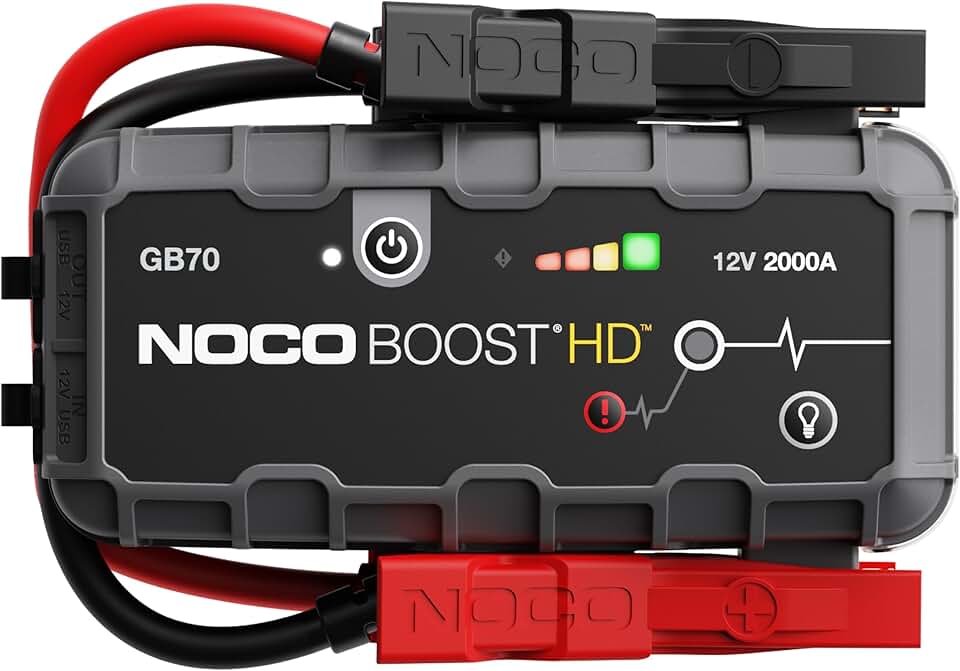
If you are still considering buying a vehicle, here are some practical options that balance reliability with cost:


As an Amazon Associate, we may earn from qualifying purchases.
Common questions about living without a car in small towns
Living car-free in a small town is possible, but it requires a different set of tradeoffs than city living. Most experts agree that while it is inconvenient, it is not impossible if you are willing to adapt your daily routine.
No comments yet. Be the first to share your thoughts!