

The actual cost of driving in 2026
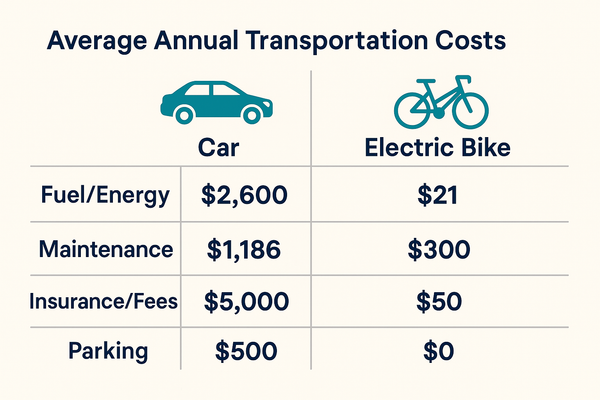
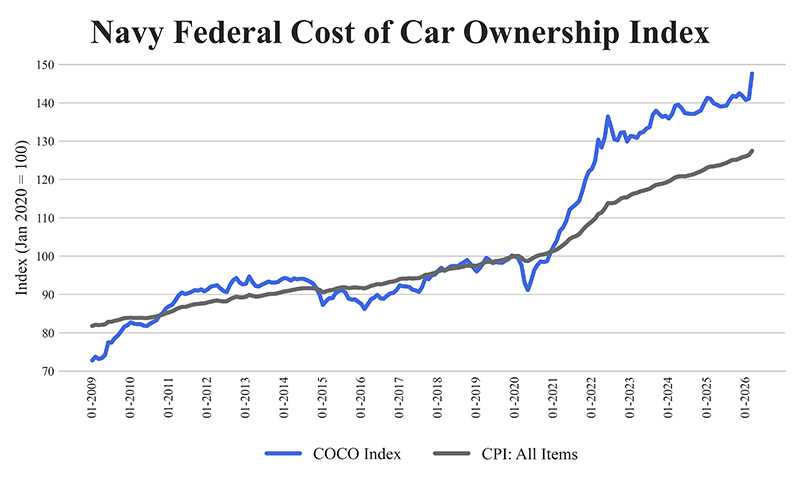
A car costs more than the monthly loan payment. Between insurance, fuel, and maintenance, the bills pile up fast. AAA estimates the average annual cost of owning a new car is roughly $10,728. That is nearly $900 every month before you even drive it off the lot.
Let’s look at a couple of examples. A 2026 Honda Civic, a popular and relatively affordable choice, could easily run you $650 for the car payment, $150 for insurance, $200 for gas, and another $100 for maintenance and potential repairs. That’s $1100 a month before even considering depreciation. A larger vehicle, like a 2026 Ford Explorer, will likely be even more expensive – potentially exceeding $1400 per month. These numbers add up quickly.
Ditching a car is mostly a financial move. That extra $900 a month goes toward travel or savings instead of sitting in a driveway. While the lower carbon footprint is a nice side effect, the bank account balance is the real motivator for most people I talk to.

Monthly Budget: Car-Free vs. Car-Dependent
To illustrate the potential savings, let's compare a monthly budget for a single person living in a mid-sized US city like Pittsburgh or Minneapolis – one with decent public transit options. We’ll look at both a car-dependent lifestyle and a car-free one. These figures are estimates, of course, and will vary based on individual choices and location, but they provide a solid comparison.
The car-dependent budget assumes owning a moderately priced vehicle, like the Honda Civic mentioned earlier. The car-free budget assumes reliance on public transportation, biking, walking, and occasional ride-sharing. Housing costs are assumed to be similar in both scenarios, though we’ll discuss location later.
Here’s a breakdown – keep in mind these are monthly costs:
- Housing: $1500 (rent/mortgage)
- Food: $400
- Utilities: $200
- Healthcare: $300
- Entertainment: $200
- Personal Care: $100
- Car-Dependent Transportation: $1100 (payment, insurance, gas, maintenance)
- Car-Free Transportation: $150 (public transit pass, bike maintenance, occasional ride-share)
- Total (Car-Dependent): $3800
- Total (Car-Free): $2850
Car-Dependent vs. Car-Free Lifestyle: Monthly Budget Comparison (2026 Estimates)
| Category | Car-Dependent | Car-Free | Difference |
|---|---|---|---|
| Housing | Potentially Higher (location choices often dictated by commute) | Better for Flexibility (more location options) | Location flexibility |
| Food | Similar | Similar | Generally comparable |
| Transportation | Higher | Lower | Significant savings potential |
| Transportation - Vehicle Costs | Car Payment, Insurance, Gas, Maintenance | Transit Pass, Bike Maintenance, Ride-Sharing | Reduced fixed costs, potential for increased variable costs |
| Entertainment | Similar | Potentially Lower (more local focus) | May encourage community-based activities |
| Healthcare | Similar | Similar | Generally comparable |
| Personal Care | Similar | Similar | Generally comparable |
| Total | Generally Higher | Generally Lower | Overall cost reduction possible |
Qualitative comparison based on the article research brief. Confirm current product details in the official docs before making implementation choices.
Getting around without a steering wheel
The beauty of a car-free life is that 'transportation' isn’t limited to one mode. Many cities are investing in a diverse range of options. Buses remain the workhorse of most public transit systems, but trains, subways, light rail, and even streetcars are becoming increasingly common. Check what's available in your area; you might be surprised.
Bikes and scooters fill the gaps. Programs like Citi Bike in New York or Divvy in Chicago work for short trips that are too long to walk but too short for a bus. These options solve the 'last mile' problem—getting you from the train station to your actual front door without a taxi.
Apps like Citymapper and Transit are invaluable tools for navigating public transit. They provide real-time arrival information, route planning, and even compare the cost and time of different options. On-demand transit services, like Via or Uber Pool, are also expanding, offering a more flexible alternative to traditional buses and trains. Some cities are even experimenting with public microtransit options, essentially on-demand buses that operate in specific zones.
Urban Living: Location, Location, Location
Where you live is paramount when embracing a car-free lifestyle. Choosing a walkable, transit-accessible neighborhood is crucial. Proximity to work, shops, restaurants, and amenities drastically reduces your need for transportation. Think about everything you do in a typical week – how many of those trips could be made on foot, by bike, or via public transit?
I use Walk Score and Transit Score to vet neighborhoods. These tools rank areas based on how many errands you can run on foot or how often the bus actually shows up. If a neighborhood scores below a 70, you'll likely struggle without a vehicle.
It’s true that housing costs tend to be higher in desirable, transit-rich neighborhoods. However, the savings on transportation can often offset this difference. Consider it an investment in your quality of life – less time commuting, more time doing things you enjoy. Finding car-free-friendly housing can sometimes be a challenge; it requires prioritizing location over square footage or other amenities.
Hidden savings you might miss
Car ownership creates a ripple effect of expenses beyond the obvious. Parking fees, especially in urban areas, can be substantial. Regular car washes and detailing add up over time. Even seemingly small costs, like air fresheners and windshield wiper fluid, contribute to the overall expense.
Going car-free can also lead to savings on auto-related health expenses. The stress of commuting in traffic can negatively impact your health. A more active lifestyle – walking and biking – improves physical and mental well-being. Lowering your stress and improving your health are both valuable benefits.
Finally, consider insurance costs. Renter’s insurance is generally much cheaper than auto insurance. And you might even qualify for discounts on your health insurance if you demonstrate a healthy, active lifestyle. These savings, while not always dramatic, contribute to the overall financial benefits of a car-free life.
When living car-free gets difficult
Let’s be realistic: a car-free life isn’t always easy. There will be challenges. Grocery shopping can be tricky, especially if you don’t live near a supermarket. Moving large items requires some planning. And visiting family or friends in rural areas might necessitate a rental car.
Fortunately, there are solutions. Grocery delivery services, like Instacart or Amazon Fresh, can save you time and effort. TaskRabbit can connect you with people who can help with hauling furniture or running errands. Renting a car for occasional trips is a viable option – services like Zipcar offer hourly or daily rentals. Strategic planning can make visiting distant locations manageable.
Advocating for better public transit in your community is also essential. Attend city council meetings, contact your elected officials, and support initiatives that promote sustainable transportation. A car-free life is easier when there's a robust and reliable transit system in place. It requires effort, but the benefits – financial savings, environmental responsibility, and a more active lifestyle – are well worth it.
No comments yet. Be the first to share your thoughts!