

Check the city’s cycling rating
Subjective impressions of a bike-friendly city can be misleading. A city might have great weather or scenic routes, but if the infrastructure is fragmented or unsafe, those assets won’t matter for your daily commute or trip. To filter candidates effectively, rely on objective data from established organizations that measure infrastructure, safety, and equity.
Two primary sources provide the most comprehensive ratings for U.S. cities: PeopleForBikes and the League of American Bicyclists. PeopleForBikes evaluates cities based on three pillars: rider confidence, network connectivity, and equity. The League of American Bicyclists uses the Bicycle Friendly America (BFA) program to rate cities on policy, engineering, education, enforcement, and encouragement. These frameworks strip away the "vibes" and replace them with measurable metrics.
When comparing bike-friendly cities, look beyond the overall score. A high overall rating might mask poor conditions for specific types of riders, such as children or older adults. Check the sub-scores to ensure the city meets your specific needs, whether that’s protected lanes for safety or a dense network for connectivity.
The table below compares three top-rated cities across key metrics. This side-by-side view helps you quickly identify which city’s infrastructure aligns with your riding style and safety requirements.
| City | PeopleForBikes Rank | League BFA Level | Key Strength |
|---|---|---|---|
| Minneapolis, MN | Top 5 | Platinum | Extensive multi-use trails |
| Eugene, OR | Top 5 | Platinum | Early adopter infrastructure |
| Brooklyn, NY | Top 10 | Gold | Urban network connectivity |
Use these ratings as a starting point for your research. If a city ranks highly in safety but poorly in connectivity, it might be great for casual rides but less ideal for utilitarian commuting. Cross-reference these scores with local maps and recent rider reviews to get a complete picture of what it’s like to ride there.
Map the route to your hotel
Finding a bike-friendly city is only half the battle; the other half is ensuring the infrastructure actually connects your accommodation to the places you want to visit. Many travelers assume that because a city has a reputation for cycling, every street is safe. This is rarely true. You need to verify that the protected lanes and quiet streets link directly to your hotel and key attractions, avoiding dangerous gaps or high-speed arterial roads.
Start by opening a mapping app like Google Maps or Citymapper and switching the transit mode to "Bicycling." Enter your hotel as the starting point and a major downtown attraction as the destination. Look closely at the suggested route. Does it hug the curb with green shading or dedicated lane indicators? Or does it zigzag onto busy avenues with heavy traffic? If the primary route feels exposed, look for alternatives that use side streets or parks.
Use the satellite view to check the physical reality of the map. Sometimes a mapped bike lane is merely a painted stripe on a wide, fast-moving road. In true bike-friendly cities like Copenhagen or Amsterdam, you will see physical separation between cars and bikes. If you are in a U.S. city like San Francisco or Seattle, look for protected intersections or buffered lanes. If the map shows a route that feels risky, it is. Trust your instincts and choose a longer, safer path.
Finally, check the elevation profile if your app provides one. A route might look short on paper but involve steep hills that are exhausting to climb with luggage. For most travelers, a flat, direct route is preferable to a slightly shorter one that requires significant physical exertion. By planning your route in advance, you ensure your trip starts with confidence, not caution.
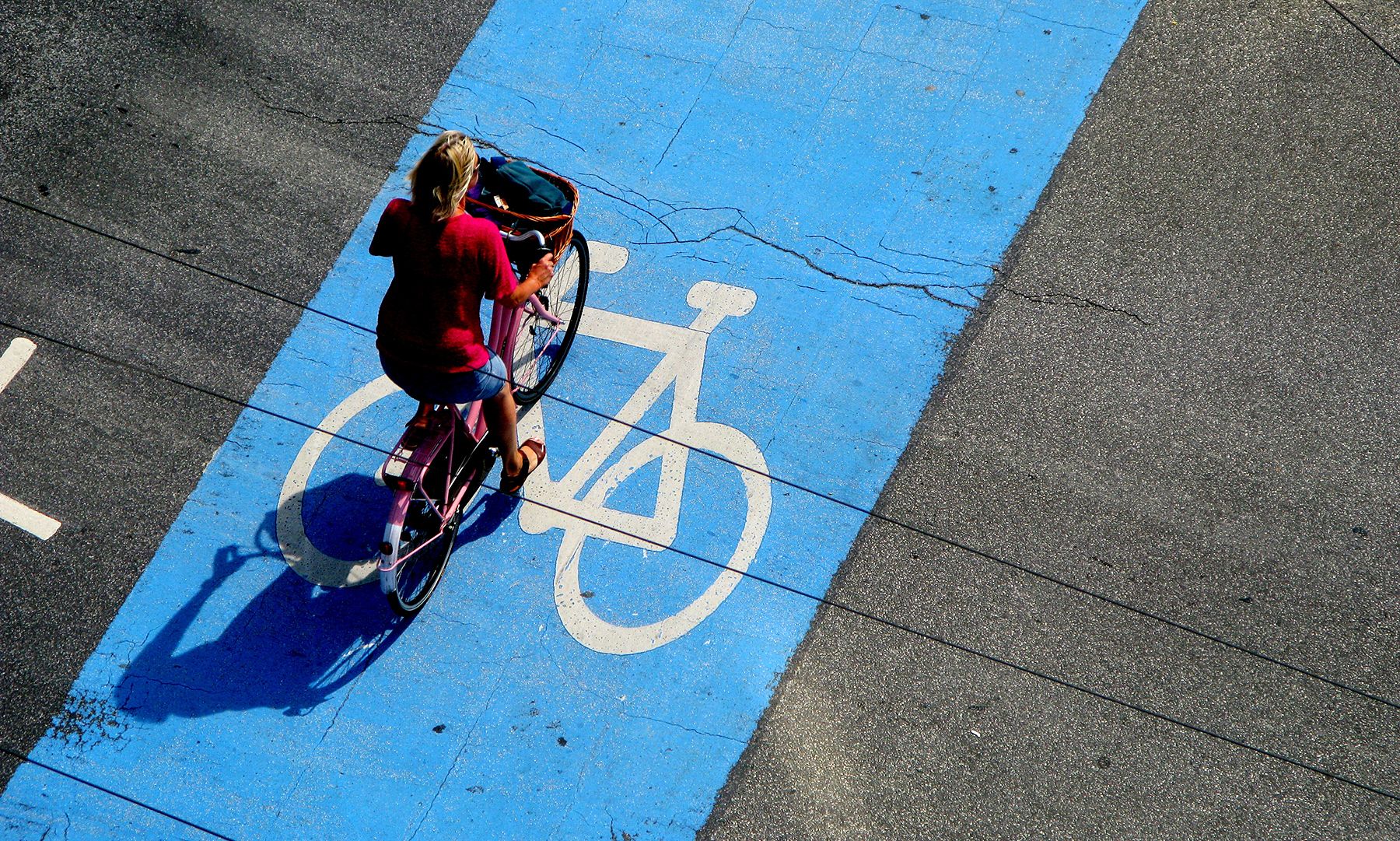
Open your preferred mapping application and switch the travel mode from "Driving" or "Transit" to "Bicycling." This ensures the algorithm prioritizes bike lanes, quiet streets, and safe crossings over the fastest car route.
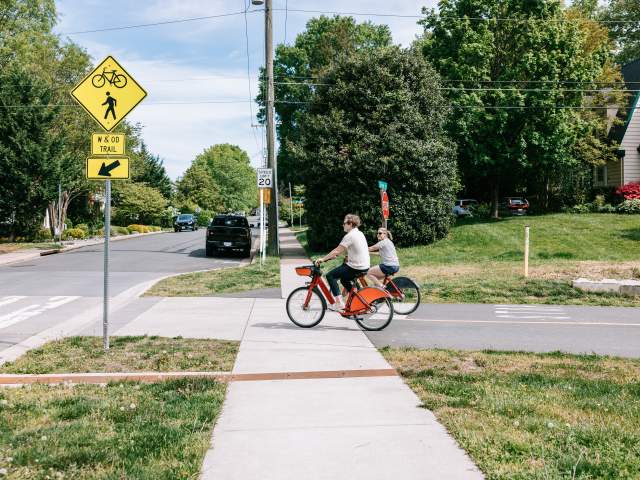
Input your exact hotel address and the specific attraction you plan to visit. Avoid using generic city centers, as bike infrastructure varies significantly between neighborhoods. Precision helps you identify if your specific lodging is connected to the network.
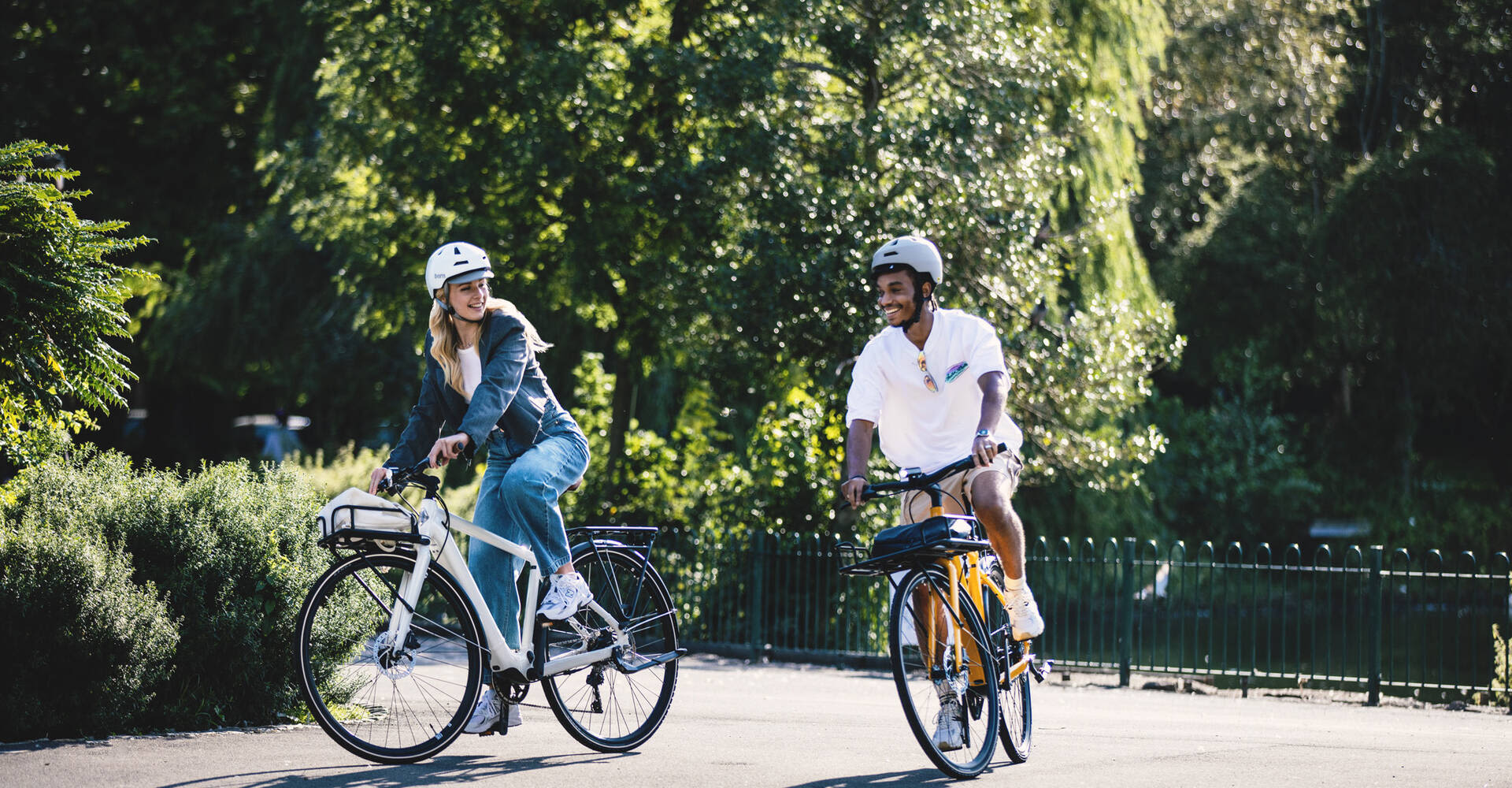
Toggle to satellite or street view to verify the physical infrastructure. Look for painted lanes, physical barriers, or traffic calming measures. If the map shows a lane on a wide, multi-lane highway, it is likely unsafe for casual riders.
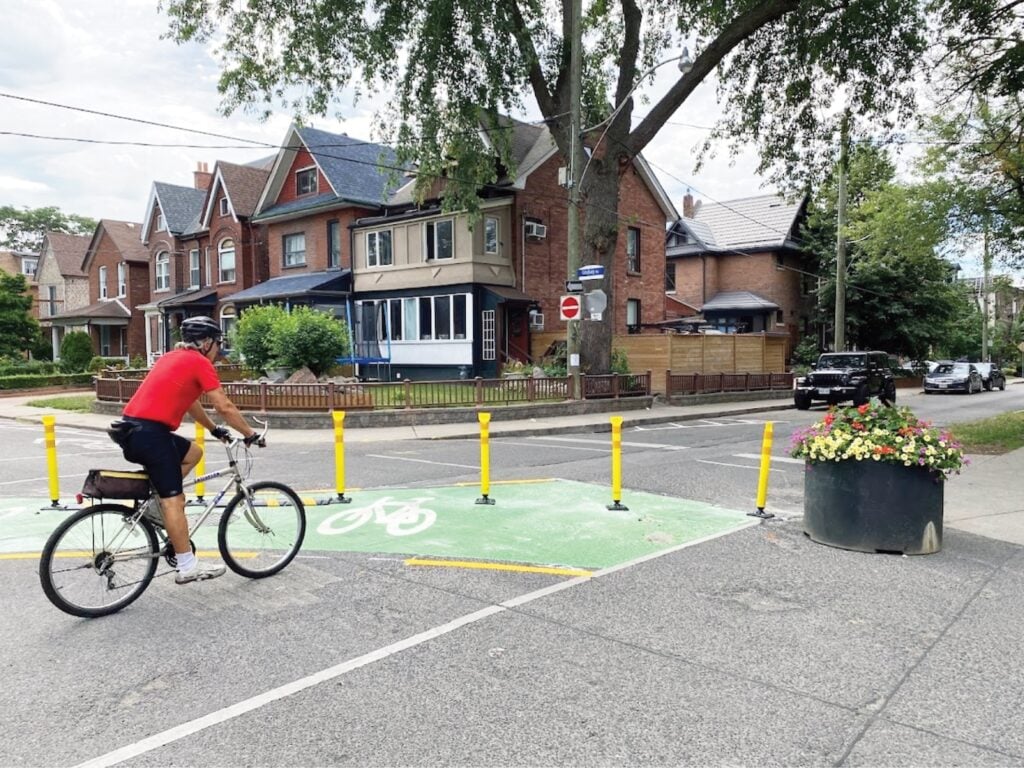
Review the elevation profile to avoid steep climbs if you are traveling with gear. Additionally, look for areas marked as "busy" or "heavy traffic" in the app's legend and reroute to quieter residential or park paths if possible.
Verify transit and bike share access
Integrating biking with public transportation is the final step in planning a car-free trip. Before you book your stay, check how easily your bike connects to local transit networks. This integration turns a simple commute into a flexible exploration tool, allowing you to cover more ground without fatigue.
Start by identifying the local bike-share program. Most major bike-friendly cities have extensive networks, but access rules vary significantly. Some systems require a local residency for discounted rates, while others offer daily passes. Check if the system accepts mobile payments or if you need to download a specific app before arrival.
Next, review the transit authority’s bike policy. Not all buses or trains allow bicycles during peak hours. Look for designated bike racks on buses or reserved carriages on trains. Understanding these restrictions prevents last-minute stress and ensures you can seamlessly switch between riding and riding the train.
Finally, map out the first leg of your journey. Locate the nearest bike-share station to your accommodation and the closest transit hub to your primary destination. This small planning step guarantees that your bike-friendly cities experience remains smooth from the moment you step off the plane or train.
Avoid common cycling mistakes
Even in the best bike-friendly cities, travelers often stumble on small details that turn a smooth ride into a safety hazard. You don’t need to be a local pro to stay safe, but you do need to respect the specific rules of the road where you are visiting. Skipping these basics can lead to fines, accidents, or just a ruined trip.
Underestimating the terrain
Many riders pick cities based on flat maps, only to find steep hills that drain their energy before they reach their hotel. This is especially common in coastal cities or historic centers built on uneven ground. Check the elevation profile of your route before you leave. If you aren’t used to steep climbs, consider an e-bike rental or plan a flatter loop. Pushing a heavy bike up a steep grade is dangerous and exhausting.
Ignoring local traffic laws
Bike laws vary significantly by city and country. In some places, riding against traffic on one-way streets is illegal and highly dangerous. In others, you must stop at red lights just like cars. Failing to follow local rules doesn’t just risk a ticket; it makes you unpredictable to drivers. Always observe how local cyclists behave for the first few minutes of your ride. Look for bike lanes, signage, and right-of-way norms specific to that area.
Riding in the wrong lane
A common mistake is hugging the curb or riding in the middle of the street without signaling. Both are risky. Hugging the curb puts you in the "door zone" of parked cars, where a driver might open a door without looking. Riding in the middle of the lane without signaling confuses drivers who don’t know your intent. Position yourself clearly in the lane and use hand signals for turns. This makes your intentions obvious and keeps you visible.
Not securing your bike properly
Travelers often underestimate the value of their gear or the theft risk in busy urban centers. Using a flimsy U-lock or leaving the bike unattended for even a minute can result in loss. Always use a high-quality lock and secure both the frame and the wheels to a fixed object. If you are staying overnight, bring your bike inside or lock it in a designated, monitored bike room. Never leave valuables in panniers or baskets.
Pack the right gear for urban riding
Riding in bike-friendly cities means navigating dense traffic, sudden stops, and unpredictable pedestrians. Your gear needs to balance visibility with security. Don't bring heavy touring equipment; bring what keeps you safe and your bike secure in a high-density environment.
Essential urban cycling checklist
- Heavy-duty U-lock: Chain locks are too bulky and slow for quick city stops. A compact U-lock is the standard for securing your bike to fixed objects.
- Helmet: Non-negotiable for safety. Look for one with MIPS technology if available, as urban accidents often involve low-speed impacts.
- Front and rear lights: Even if you ride during the day, urban canyons and tunnels can be dark. Flashing modes increase visibility in traffic.
- Phone mount: Essential for navigation. Secure mounts prevent fumbling with maps while stopped at intersections.
- Lightweight rain jacket: Weather changes quickly. A packable shell keeps you comfortable without adding bulk to your backpack.
-
Heavy-duty U-lock
-
Helmet
-
Front and rear lights
-
Phone mount
-
Lightweight rain jacket
No comments yet. Be the first to share your thoughts!