

Plan your car-free route
Mapping a car-free commute requires treating your journey like a logistics problem rather than a single drive. You need to stitch together different modes—walking, cycling, and public transit—into one continuous path. This approach minimizes carbon emissions and often reduces travel time by bypassing congested roadways.
Start by identifying the primary legs of your trip. Walking and cycling are the most eco-friendly options for short distances, producing zero emissions while offering health benefits. For longer segments, public transit provides the necessary scale to move efficiently. Use official transit apps to find real-time schedules and route options that connect these modes seamlessly.
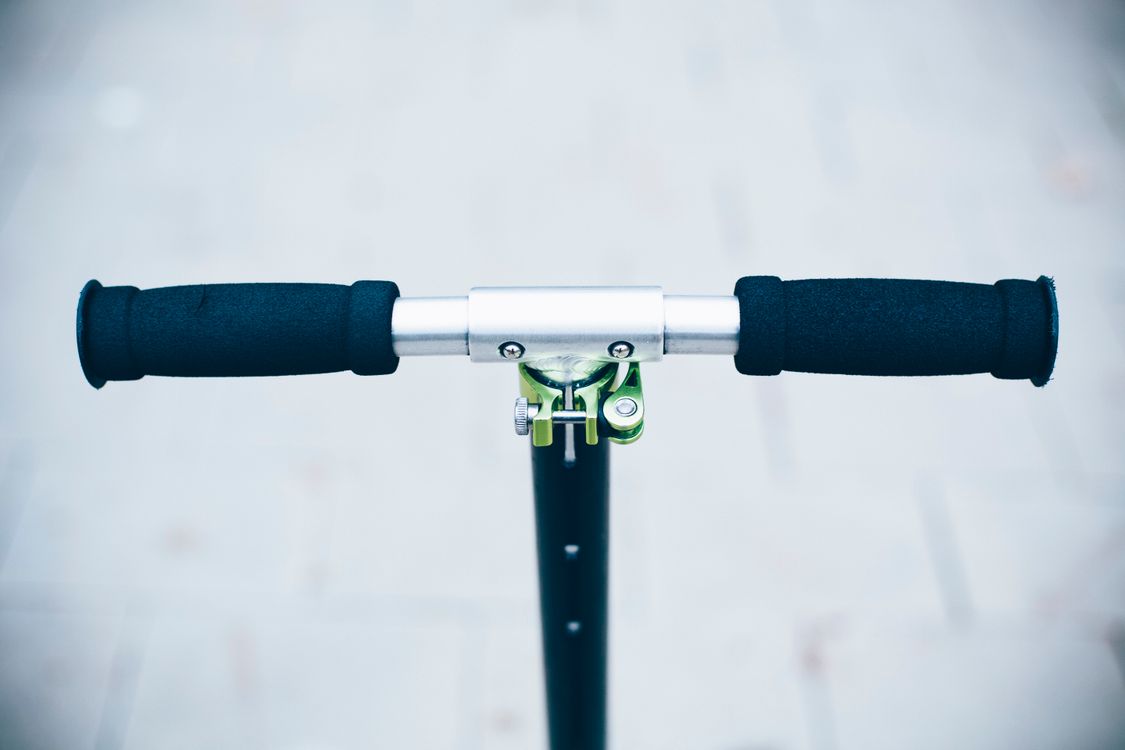
Input your home and workplace addresses into a multi-modal transit planner. These tools, often powered by official city transit data, calculate the fastest and most sustainable routes. Look for options that combine walking with bus or train services, as this reduces reliance on fossil fuels.

Check the transfer points between modes. Ensure that bike racks are available at transit hubs if you plan to cycle part of the way. Verify that walking paths to and from stations are safe and well-lit. A smooth connection between modes prevents delays and makes the car-free experience more reliable.
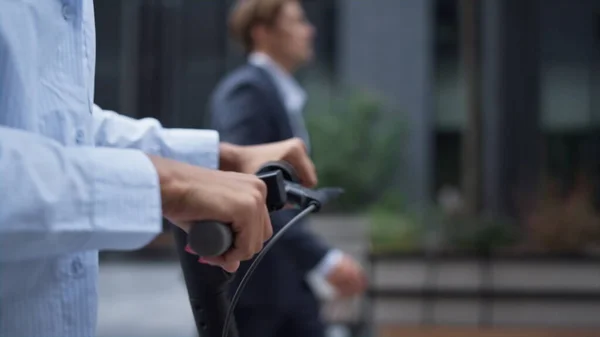
Simulate your commute during actual rush hour conditions. Public transit schedules and traffic patterns change significantly between 7 AM and 9 AM. This trial run reveals potential bottlenecks, such as crowded trains or busy intersections, allowing you to adjust your departure time or route before committing fully.

No route is immune to disruptions. Identify alternative transit lines or nearby bike-share stations in case of service delays. Having a secondary plan ensures you can still reach work on time without resorting to a private car, maintaining the sustainability of your daily routine.
By following these steps, you create a robust plan that leverages existing infrastructure. This methodical approach transforms car-free living from a challenge into a structured, efficient habit.
Compare transit and bike options
Choosing the right eco-friendly commuting method depends on your specific constraints: distance, budget, and schedule flexibility. Public transit, e-bikes, and walking each offer distinct trade-offs between speed, cost, and reliability. Use the comparison below to evaluate which mode fits your daily routine.
| Mode | Monthly Cost | Avg. Speed | Reliability |
|---|---|---|---|
| Public Bus/Train | $50-$150 | 10-20 mph | Moderate (subject to traffic/schedule) |
| E-Bike | $0-$20 (charging) | 12-20 mph | High (weather dependent) |
| Walking | $0 | 3-4 mph | Very High |
| Car Sharing | $100-$300+ | 15-25 mph | High (vehicle availability) |
Public Transit is often the most cost-effective option for longer commutes, with monthly passes significantly cheaper than car ownership. However, reliability can vary based on local infrastructure and traffic conditions. E-Bikes offer a middle ground, providing electric assistance for hills and longer distances while remaining far cheaper than cars. Walking is the most eco-friendly and healthy option for short distances under two miles, requiring no financial investment.
When evaluating these options, consider your total door-to-door time, not just travel speed. E-bikes often beat public transit on short-to-medium trips due to the lack of transfers or waiting times. For those without a car, combining modes—such as taking a bus for the first leg and an e-bike for the last mile—can optimize both speed and cost.
Set up your gear and subscriptions
Eco-Friendly Commuting works best as a sequence, not a scramble through settings. Do the minimum first: confirm compatibility, connect the core hardware, update only when needed, and test the result before adding optional features. That order keeps the task understandable and makes failures easier to isolate. After each step, pause long enough for the interface to finish syncing. Many setup problems are timing problems disguised as configuration problems. If the same step fails twice, record the exact error, restart the smallest affected piece, and retry before moving deeper.
The simplest way to use this section is to keep the setup small, verify each change, and record the stable configuration before adding optional accessories.
Handle weather and safety risks
Commuting without a car removes the insulated comfort of a private vehicle, making you directly exposed to environmental conditions and transit reliability issues. Success in car-free living depends less on motivation and more on preparation for the variables you cannot control. You must treat weather and safety not as occasional inconveniences, but as daily logistical constraints that require concrete mitigation strategies.
Build a layered weather plan
Your commute strategy must adapt to seasonal shifts. In winter, prioritize layers over bulk; wet socks and frozen fingers end a day faster than fatigue. Carry a compact, packable rain shell even in summer, as sudden downpours can derail a bike or walk route instantly. If you cycle, invest in fenders and reflective gear; visibility and dryness are safety multipliers. For public transit users, check real-time alerts for delays caused by snow or heat, which can stretch commute times significantly.
Prepare for transit failures
No system is immune to strikes, mechanical failures, or unexpected closures. Your primary route is only as good as your backup. Identify at least two alternative paths to work—whether that means a different bus line, a bike share station further away, or a walking route that bypasses a frequent bottleneck. Keep a small emergency kit in your bag: a phone charger, a bottle of water, and a small amount of cash for unexpected taxi or ride-share costs if your primary option fails completely.
Prioritize personal safety
Walking and cycling require heightened situational awareness. Stick to well-lit, populated routes whenever possible, especially during early morning or late evening hours. If you cycle, wear high-visibility clothing and use hand signals to communicate with traffic. For public transit, stay alert in stations and keep valuables secure. Knowing the location of police stations or safe public spaces along your route provides a psychological safety net that makes navigating unfamiliar areas less stressful.
FAQs about eco-friendly commuting
Addressing common questions about car-free travel helps clarify how to transition away from private vehicles. These answers focus on practical steps for daily work travel and reducing emissions.
No comments yet. Be the first to share your thoughts!