

Why skip the rental car
Renting a car is often the most expensive and stressful part of a US vacation. Beyond the daily rate, you are paying for insurance, fuel, and the mental load of navigating unfamiliar traffic. For a typical week-long trip in a major city, rental costs can easily exceed $500 before you even leave the airport. Public transit, rideshares, and walking are not just cheaper; they offer a more authentic connection to the destination.
Car-free travel forces you to slow down. You notice street food vendors, local architecture, and conversations you would miss from behind a windshield. This approach reduces stress by eliminating the hunt for parking and the anxiety of driving in dense urban environments. You move through the city like a local, not a transient visitor.
The average daily cost of a rental car in major US cities often exceeds the total daily spending on food and entertainment combined.
Skipping the rental car also opens up destinations that are difficult or impossible to access by vehicle. Islands like Bald Head Island, North Carolina, and Mackinac Island, Michigan, ban private cars entirely. In these places, mobility is defined by bicycles, golf carts, or foot traffic, creating a unique, relaxed atmosphere that cars would disrupt. Even in cities like New Orleans or Philadelphia, neighborhoods are best explored on foot or via streetcar, revealing hidden gems that are invisible from the highway.
Top Walkable Cities for Transit
Some of the best car-free vacations in the US happen in cities where public transit and walking are not just alternatives, but the primary way to experience the destination. Los Angeles, often misunderstood as purely car-dependent, has quietly transformed into a walkable hub for visitors who know where to look. The city’s diverse neighborhoods offer distinct cultural experiences that are best explored on foot or via its expanding Metro rail system.
Los Angeles
Los Angeles challenges the stereotype of endless sprawl by offering dense, walkable pockets in areas like Downtown LA, Santa Monica, and Venice. The Metro Rail system connects many of these key tourist spots, allowing you to skip traffic and park once. For a truly authentic experience, follow the self-guided itineraries offered by Discover Los Angeles, which highlight hidden gems accessible without a vehicle.
To make the most of your urban exploration, pack light. A sturdy backpack is essential for carrying water, souvenirs, and layers as you move between neighborhoods. The Los Angeles Metro provides real-time tracking for trains and buses, making navigation straightforward even for first-time visitors. Focus on staying in walkable districts to minimize transit time and maximize your sightseeing.
| Neighborhood | Walk Score | Best Transit Option |
|---|---|---|
| Downtown LA | 88 | Metro Red/Purple Lines |
| Santa Monica | 85 | Metro Expo Line |
| Venice | 82 | Bus Line 732 |
Best islands without roads
Some of the most compelling car-free vacations happen on islands where the geography or local laws make driving impossible. These destinations offer a unique twist on the typical getaway: you arrive by ferry or seaplane, and your journey continues on foot, by bicycle, or on a golf cart. The absence of cars forces a slower pace, turning the island itself into a quiet, pedestrian-friendly sanctuary.
Bald Head Island, North Carolina
Bald Head Island is one of the few places in the United States where private cars are banned. Located just south of Wilmington, this barrier island is accessible only by ferry or private boat. Once you arrive, the only way to get around is on foot, by bicycle, or using the island’s electric golf carts, which are provided for residents and guests. The lack of asphalt and traffic creates a peaceful atmosphere where the sounds of nature replace engine noise.
The island is known for its pristine beaches and historic lighthouse. Visitors can explore the Bald Head Island Conservancy’s nature trails, which wind through maritime forests and salt marshes. The island’s strict building codes preserve its natural beauty, ensuring that development remains low-density and unobtrusive. It’s an ideal spot for those seeking solitude and a genuine disconnection from the modern, car-centric world.
Daufuskie Island, South Carolina
Just off the coast of Hilton Head, Daufuskie Island offers a rugged, car-free experience that feels worlds away from the mainland. The island has no paved roads, and private vehicles are not allowed. Transportation is limited to golf carts, bicycles, and walking. This restriction preserves the island’s wild, untouched character, with vast stretches of beach and marshland remaining undeveloped.
Daufuskie is known for its Gullah culture and historic sites, including the Daufuskie Island Museum and the remnants of the Sea Pines Resort. The island’s main settlement, Folly Field, is a small community of cottages and guesthouses. Visitors can rent golf carts to explore the island’s many trails and beaches. The lack of cars allows for a more immersive experience, where the sounds of birds and waves are the primary soundtrack.
Tangier Island, Virginia
Tangier Island is a small, remote community in the Chesapeake Bay, accessible only by boat or seaplane. The island has no paved roads, and private cars are not permitted. Transportation is limited to walking, bicycles, and golf carts. The island’s unique culture and dialect, known as Tangier English, are a testament to its isolation and independence.
Tangier is famous for its oyster industry and maritime traditions. Visitors can take boat tours to see the island’s changing landscape, which is slowly eroding due to sea-level rise. The island’s small population and lack of modern infrastructure create a sense of timelessness. It’s a destination for those interested in history, culture, and the challenges of living on the edge of the sea.
Catalina Island, California
While not entirely car-free, Avalon, the main town on Catalina Island, restricts private car ownership. Visitors typically arrive by ferry or seaplane from Long Beach or San Pedro. Within Avalon, the primary modes of transportation are the Catalina Island Conservancy’s shuttle buses, bicycles, and golf carts. The island’s interior is largely protected by the Catalina Island Conservancy, which manages large tracts of land for conservation and recreation.
Catalina Island offers a mix of urban and natural experiences. Avalon has a vibrant downtown with shops, restaurants, and entertainment. The island’s interior features hiking trails, camping sites, and historic sites like the Casino Building. The restriction on cars in Avalon helps maintain the town’s charming, pedestrian-friendly atmosphere. It’s a popular destination for day-trippers and weekend getaways alike.
Monhegan Island, Maine
Monhegan Island is a small, rocky island off the coast of Maine, accessible only by ferry from Port Clyde. The island has no paved roads, and private cars are not allowed. Transportation is limited to walking, bicycles, and the island’s small shuttle bus. The island’s rugged landscape and limited infrastructure create a unique, isolated experience.
Monhegan is known for its artistic heritage and stunning views. The island has been a haven for painters and writers for over a century. Visitors can hike to the lighthouse, explore the rocky shores, and enjoy the fresh seafood at the island’s few restaurants. The lack of cars and modern distractions allows for a deep connection with nature and a sense of community that is rare in today’s fast-paced world.
Essential gear for car-free travel
Packing for a car-free vacation requires a different mindset than a road trip. You aren't just packing for the destination; you are packing for the entire journey, including trains, ferries, and long walks between shuttles. The right luggage can make the difference between a smooth transit and a sweaty, stressful ordeal.
Durable carry-on backpacks
A high-quality carry-on backpack is the cornerstone of car-free travel. It keeps your hands free for holding tickets, balancing on a ferry, or navigating crowded train stations. Look for models with multiple compartments to separate clean clothes from dirty ones, and ensure it fits within standard airline overhead bin dimensions to avoid checked baggage fees and wait times.


As an Amazon Associate, we may earn from qualifying purchases.
Compact packing cubes
Packing cubes are not just for organization; they are for speed. When you are moving from a train to a hotel room or a ferry terminal, you need to find your toothbrush or a clean shirt in seconds. Compression cubes also reduce bulk, allowing you to fit more into a smaller bag, which is essential when you are carrying everything yourself.

Foldable daypack
Even if you travel light, you will need a bag for daily excursions. A foldable daypack weighs almost nothing when packed away but expands to hold water, souvenirs, or a rain jacket. Choose one with a water-resistant bottom and a secure zippered pocket for your phone or wallet while you are navigating public transit or walking through tourist areas.

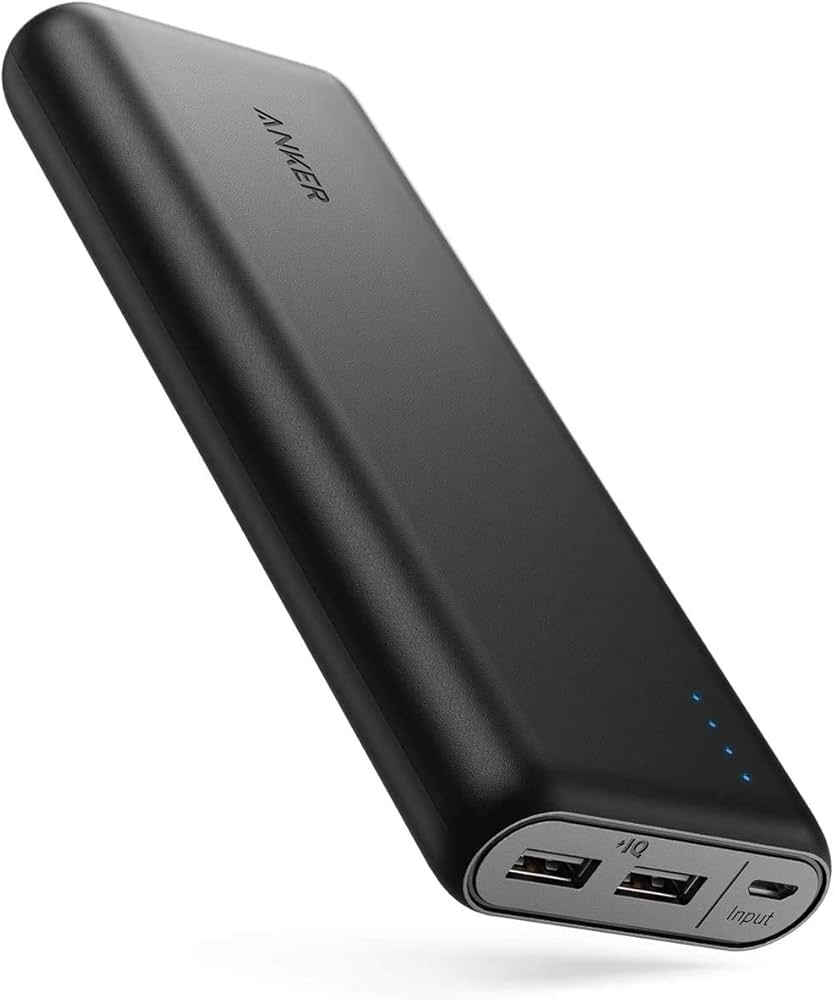
Reliable power bank
When you are navigating a new city without a car, your phone is your map, your ticket, and your translator. A high-capacity power bank ensures you never run out of battery while waiting for a shuttle or exploring a remote island. Look for one with at least 10,000mAh capacity and fast-charging capabilities to top up your device quickly during short breaks.
Planning your car-free itinerary
Best Car-Free Vacations in the US for works best as a clear sequence: define the constraint, compare the realistic options, test the tradeoff, and choose the path with the fewest hidden costs. That order keeps the advice usable instead of decorative. After each step, pause long enough to check whether the recommendation still fits the reader's actual situation. If it depends on perfect timing, unusual access, or a best-case budget, include a simpler fallback.


Common questions about car-free trips
Traveling without a rental car is entirely feasible in the US, provided you plan around transit hubs and luggage logistics. Most car-free destinations, from New Orleans to Las Vegas, have robust public transit or ride-share networks that make getting around easy.
How do I handle luggage without a car?
The biggest challenge is moving bags between transit points. Use a compact, durable suitcase like the Away The Carry-On to navigate stairs and crowded trains with ease. For heavier loads, check if your hotel offers luggage storage or concierge services to shuttle bags to your next destination.
Are car-free destinations safe for solo travelers?
Yes. Cities like New York, Chicago, and Philadelphia are well-lit and heavily patrolled. Stick to main corridors and use reputable ride-share apps like Uber or Lyft for late-night returns. Avoid isolated areas, and keep your phone charged for navigation and emergency calls.
What if I need to visit places outside the city center?
Many car-free spots rely on regional trains or buses. For example, Amtrak connects major East Coast cities, while local shuttles serve areas like Mackinac Island. Always check the latest schedules on official transit sites, as frequency can drop on weekends or holidays.
No comments yet. Be the first to share your thoughts!