

Pick a walkable beach campground
Finding a car-free beach campground means prioritizing proximity to public transit, bike paths, or ferry terminals over remote wilderness. This approach narrows your search to established campgrounds within state parks, national seashores, or county reserves that are accessible without a personal vehicle.
When selecting a site, verify the specific entry points. Some beach campgrounds require a hike over dunes or through dense vegetation, which can be difficult with gear. Others are directly adjacent to bus stops or have dedicated bike lanes leading to the tent pads. The goal is to ensure your gear can move from the transit drop-off to your campsite without needing a shuttle or a long, heavy carry.
Here is a comparison of popular car-free beach camping options to help you weigh transit access against booking difficulty.

| Campground | Location | Transit Access | Booking Difficulty |
|---|---|---|---|
| Half Moon Bay State Beach | California | Bus + Short Walk | High |
| Cape Lookout National Seashore | North Carolina | Ferry + Shuttle | Medium |
| Pismo State Beach | California | Bus + Bike Path | Medium |
| Gold Bluffs Beach | California | Limited Transit | High |
Reservations for these sites often fill months in advance, especially during peak summer months. For California state parks, you can secure spots through the official state reservation system, which typically opens bookings six months ahead. National seashores like Cape Lookout operate on a first-come, first-served basis for some areas, but others require federal reservations. Always check the specific park’s website for the most current transit schedules and reservation requirements before you pack.
Book your site and transit passes early
Securing a beach camping spot without a car requires a different booking strategy than driving up. You are juggling two separate reservations: the campsite itself and the transportation ticket to get there. If you miss one, the other is useless. Treat these as a single, locked-in itinerary.
Reserve the campsite first
Start with the land. Most popular coastal campgrounds operate on a rolling six-month release schedule. For California state parks, for example, spots open exactly 180 days out at 8:00 AM local time [1]. These slots vanish in minutes during peak season. Secure your tent or RV pad before looking at transit options. This guarantees you have a destination.
Lock in transit tickets immediately
Once your campsite is confirmed, book your ferry, train, or bus tickets right away. Car-free travel relies on limited capacity. Ferries often have strict vehicle and passenger limits that fill up weeks in advance. Trains and shuttle buses to remote beaches also have finite seats. Waiting to buy these after you arrive is a common mistake that leaves travelers stranded.
Sync your dates
Ensure your transit arrival time aligns with campground check-in windows. Many sites do not allow early entry if you arrive before the standard 2:00 PM or 4:00 PM window. If your train is delayed, you might miss the check-in desk entirely. Plan for a buffer day or hour to avoid this bottleneck.
Keep confirmation emails accessible
Save digital copies of both your campsite reservation and transit tickets. Cell service is unreliable on many beaches and in transit hubs. Have these documents ready on your phone or printed out for quick verification by park rangers or transit staff.
Pack light gear for easy transport
Carrying your campsite on public transit or a long walk changes the packing equation entirely. Every ounce and every inch counts when you are navigating crowded train cars or sandy paths without a trunk to hide bulky items. The goal is to move fast and stay comfortable without breaking your back.
Start by choosing a single large duffel bag or a wheeled backpack as your main hauler. Duffels are superior to hard-shell suitcases because they squish into tight corners of bus racks and subway seats. If you choose a backpack, ensure it has a hip belt to distribute weight away from your shoulders during that final stretch to the beach.
Ditch the heavy cast-iron cookware and multi-tool chests. A single titanium spork, a compact stove, and a small pot are all you need for beach camping meals. Bring a small, foldable water filter or large water bottles if your site lacks tap access, but remember that water is heavy—plan to fill up at the nearest source before you head out.
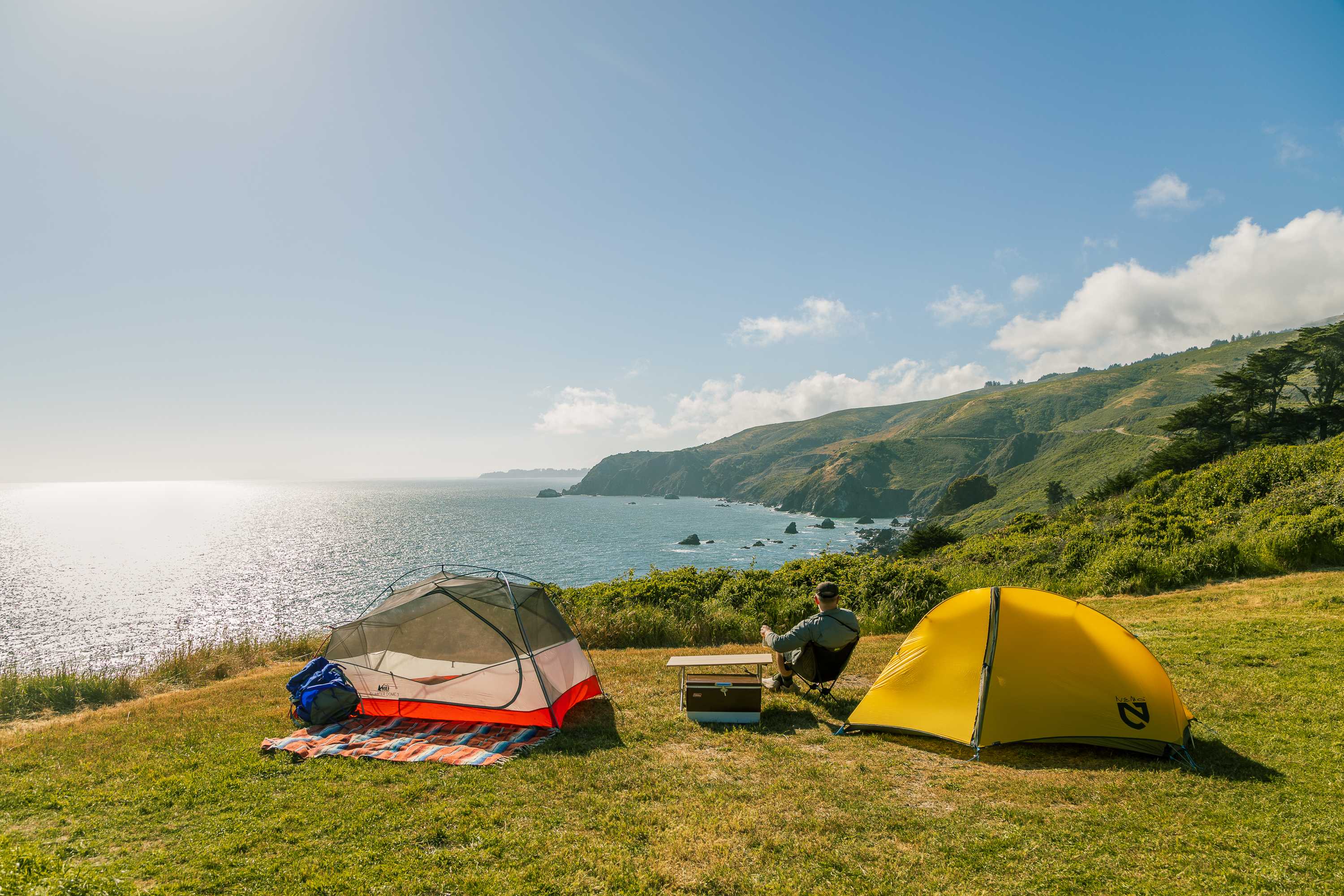
For shelter, a lightweight hammock with a tarp often weighs less than a traditional tent and packs down to the size of a water bottle. If you prefer a tent, choose a "backpacking" model rather than a standard camping tent. These are designed for two people but weigh half as much, making them much easier to carry.
Finally, pack a small dry bag for your phone, wallet, and keys. Sand and saltwater are the enemies of electronics. Keeping these essentials in a waterproof, compact pouch ensures they stay safe and accessible without taking up much space in your main bag.
Navigate to the beach on arrival day
Getting from the transit hub to your beach campsite without a car requires a bit more planning than a standard road trip, but the logistics are manageable if you treat the final leg of your journey like a relay race. Your goal is to move your gear efficiently from the bus or train station to the sand, minimizing the distance you carry heavy bags.
Start by confirming your drop-off point. Most state parks and beach access zones do not allow vehicles to drive directly onto the sand or into the immediate camping loop without a permit. Check the specific park rules for shuttle services or designated drop-off zones. For example, California State Parks often require reservations and have specific vehicle access limits, so knowing exactly where to exit your taxi or shuttle is critical California State Parks.
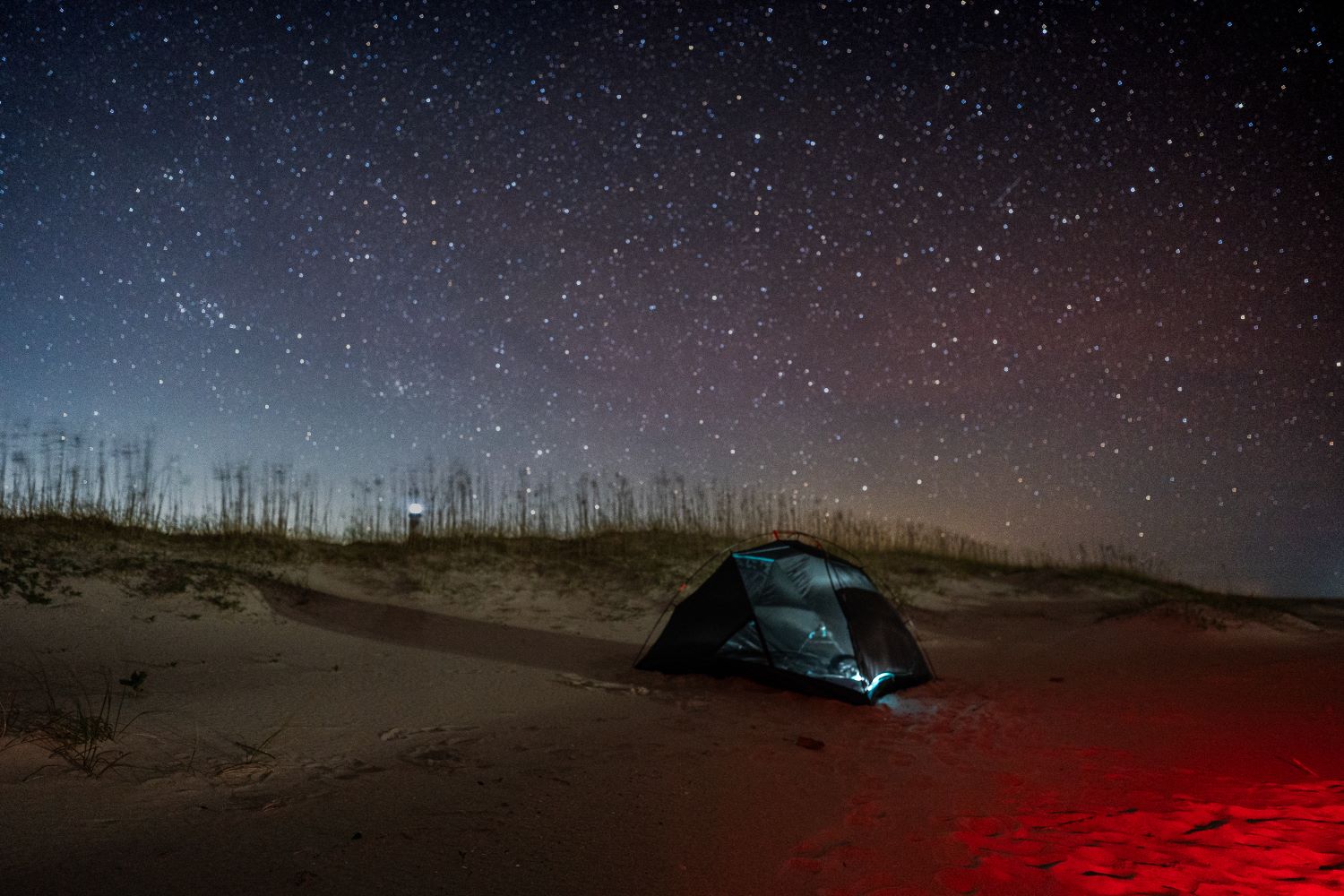
Before you leave the transit hub, ensure your bags are organized for quick movement. Use a duffel bag or a backpack with a hip belt for your sleeping gear, and keep a separate small bag for immediate needs like water, snacks, and a headlamp. Avoid rolling suitcases; they are difficult to maneuver on sand and uneven paths.
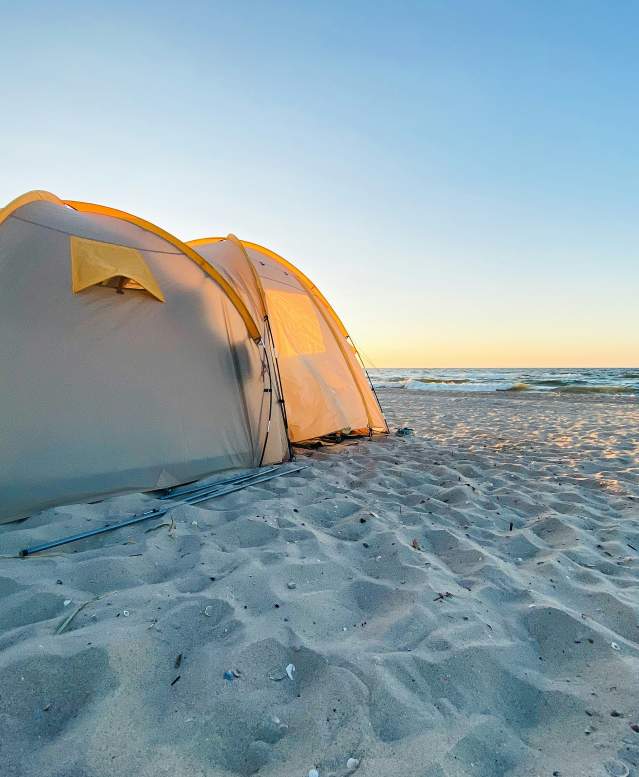
If the campsite is more than a quarter-mile from the transit stop, book a local shuttle, taxi, or rideshare in advance. Many beach towns have limited ride availability during peak season. If public transit is an option, verify the schedule for the return trip so you aren't stranded at the campsite at dusk.
Walk to your site using the designated paths. If you have multiple trips to make, establish a base camp near your site and make short, frequent trips rather than one exhausting haul. Keep your phone and keys in a secure, easily accessible pocket.
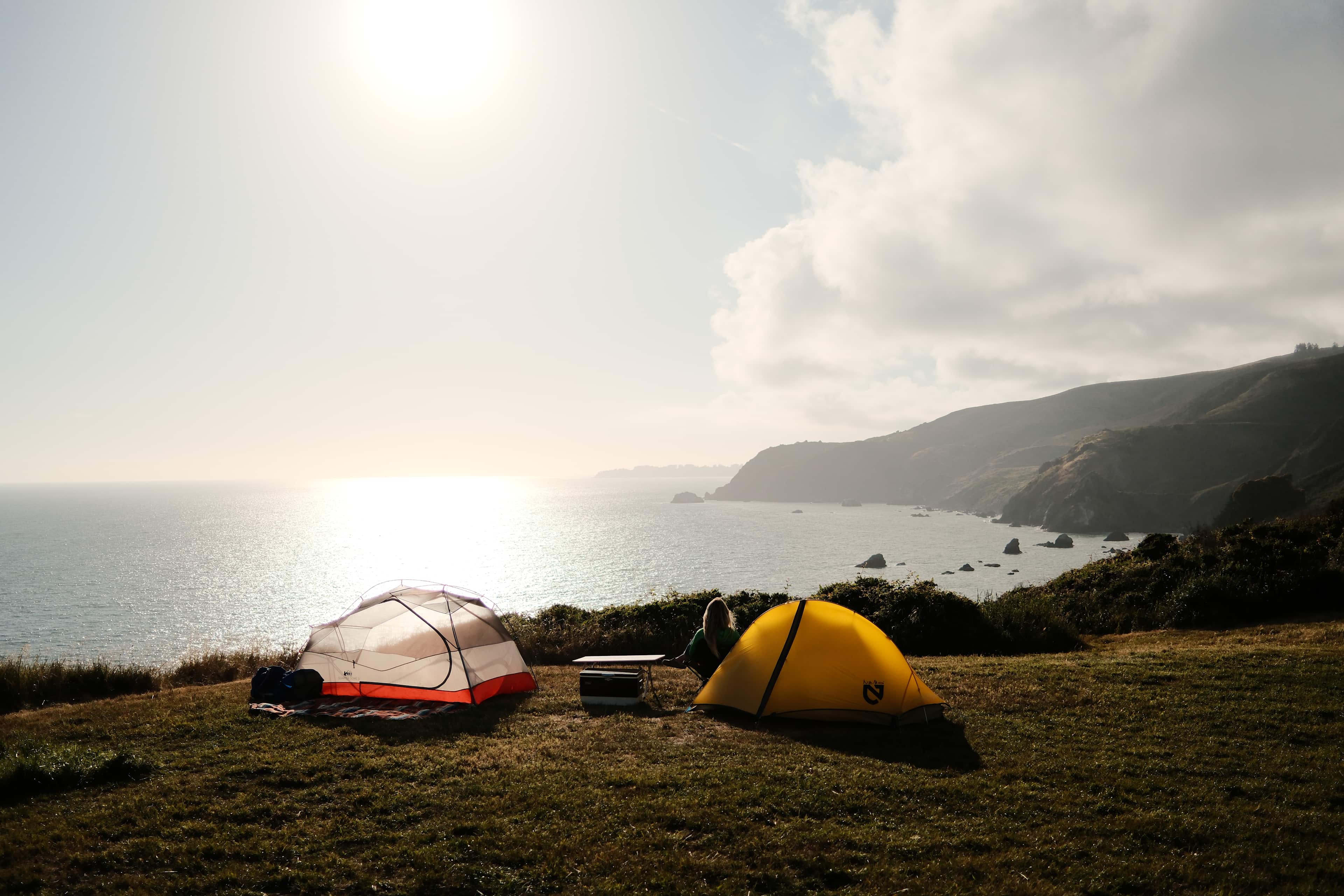
Beach conditions change rapidly with the tide and wind. Pitch your tent or tarp as soon as you arrive to secure your gear. Use sand stakes instead of regular ground stakes, as they hold better in loose soil. Once your shelter is up, you can relax and explore the immediate area.
Once your shelter is secure, you can focus on the rest of your stay. The effort to navigate this final stretch pays off with a quiet, car-free beach experience. Remember to pack out all trash and respect local wildlife regulations to keep the beach pristine for your return.
Avoid common car-free camping mistakes
Traveling without a car gives you freedom, but it also removes the safety net of trunk space and engine power. When you are walking or biking to your site, every item you pack has a physical weight. The biggest errors happen when campers treat a beach trip like a day visit, forgetting that they need to carry all their supplies back and forth for the entire stay.
Underestimate walking distances
Maps often make campgrounds look compact, but the distance from a bus stop or parking lot to the actual beach site can be deceptive. A 200-meter walk might feel fine once, but doing it three times a day with a cooler, tent, and chairs adds up quickly. Check the specific layout of the campground before you go. If the site is more than a five-minute walk from amenities, bring a sturdy wagon or a heavy-duty backpack.
Skip the food supply plan
Without a car, you cannot make a quick run to the grocery store if you forget the coffee filters or bug spray. You must calculate your food and water needs for the entire duration, plus a small buffer for emergencies. Plan meals that require minimal cooking equipment since you are limited by what you can carry. Pack extra water if the site does not have potable taps nearby.
Ignore shuttle schedules
Your ride to the beach is only as reliable as the bus or ferry schedule. If you miss the last shuttle back, you are stuck. Always check the return times for public transit or ride-share availability in the area. Build in a 15-minute buffer for your departure to account for delays. Knowing the exact last bus time prevents you from being stranded miles from home after dark.
No comments yet. Be the first to share your thoughts!