

Ditching the car for the coast
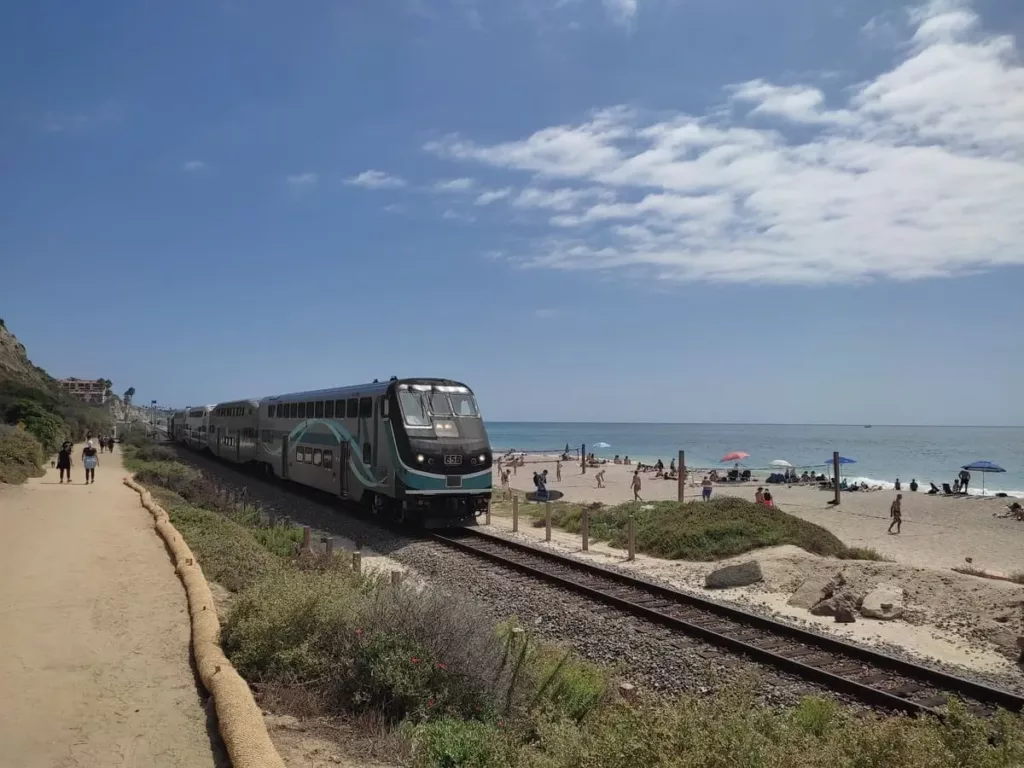
Waking up to waves hitting the shore is better when you didn't spend four hours fighting highway traffic to get there. Gas prices and the hunt for a parking spot usually kill the mood before you even pitch a tent. Leaving the car behind isn't just about the environment; it's about making the trip feel like a vacation from the moment you sit down on the train.
For many, car dependency is a given when planning a coastal getaway. It shouldn’t be. A growing number of us are realizing the benefits of sustainable travel, and car-free camping is a fantastic way to embrace it. It’s about more than just reducing your carbon footprint. It’s about slowing down, being more intentional, and experiencing a different kind of freedom.
The good news is that getting to the beach without a car is becoming easier. Amtrak has expanded its routes, regional rail lines are improving, and a network of coastal trails is growing. This isn’t a limiting factor; it’s an opportunity to discover hidden gems and support local communities. It’s about trading the highway for the rails, and embracing a more mindful way to travel.
Car-free beach camping isn’t about roughing it; it's about thoughtful travel. It’s about choosing experiences over convenience, and connecting with the coast on a deeper level. It's a chance to truly savor the journey, not just the destination.
How to plan a train-based camping trip
Successful car-free beach camping hinges on careful planning. Gear is the first consideration. You’ll need to prioritize lightweight options – a tent that packs down small, a backpacking stove, and a reliable water filtration system. Think multi-use; a bandana can be a towel, a head covering, or a first-aid component.
Train schedules are your new best friend. Check Amtrak’s website (amtrak.com) and regional rail lines well in advance, especially if traveling during peak season. Booking ahead is often essential, and understanding connection times is crucial. Don’t underestimate the walking or biking distance from the train station to your campground. Factor that into your schedule.
You have to carry everything you bring, so skip the heavy cotton hoodies and the extra pair of boots. Stick to one change of clothes made of synthetic fabrics that dry fast. I usually lay out my gear on the floor and force myself to put a quarter of it back in the closet before I zip the bag.
Perhaps most importantly, embrace Leave No Trace principles. Pack out everything you pack in, minimize campfire impacts, respect wildlife, and be considerate of other campers. Responsible camping ensures these beautiful spaces remain pristine for future generations. Resources like the Bureau of Land Management (blm.gov) offer comprehensive guidance.
- Check train schedules and book tickets early to avoid sell-outs.
- Stick to lightweight, multi-use gear to keep your pack manageable.
- Prioritize Leave No Trace principles.
- Research campground regulations and amenities.
- Inform someone of your itinerary.
14 coastal spots you can reach by rail
Finding a beach camping spot accessible by train takes some research, but the reward is well worth the effort. Here are 15 destinations to get you started, spanning both coasts and offering a variety of experiences.
Maine – Old Orchard Beach: Amtrak’s Downeaster line stops in Saco, about 3 miles from Old Orchard Beach. Several private campgrounds offer tent sites and amenities. The beach is known for its pier, amusement park, and long stretch of sand.
Massachusetts – Salisbury Beach: Easily accessible via the MBTA Commuter Rail from Boston’s North Station. Salisbury Beach State Reservation offers camping, but reservations are highly recommended. It’s a lively beach with arcades and restaurants.
New York – Jones Beach State Park: The Long Island Rail Road (LIRR) provides service to Freeport, a short taxi ride from Jones Beach. The park offers camping during select periods and boasts a beautiful, well-maintained beach.
Maryland – Assateague Island National Seashore: Amtrak stops in Salisbury, Maryland, with connecting bus service to Assateague. The seashore is famous for its wild horses and pristine beaches. Camping is available, but reservations are essential.
North Carolina – Fort Macon State Park: Accessible via Amtrak to New Bern, then a local bus or taxi. Fort Macon offers a historic fort, beautiful beaches, and camping facilities. It's a great spot for history buffs and beach lovers.
Florida – St. Augustine Beach: Amtrak serves St. Augustine, a walkable distance from the beach. Anastasia State Park offers camping with beach access. St. Augustine is a charming city with a rich history.
Alabama – Gulf Shores: Amtrak stops in Mobile, Alabama, requiring a connecting bus or ride-share to Gulf Shores. Gulf Shores offers sugar-white sand, clear waters, and several campgrounds.
Texas – Mustang Island State Park: Amtrak serves Corpus Christi, with a short drive to Mustang Island. The park offers primitive beach camping and opportunities for birdwatching and fishing.
California – Pismo Beach: Amtrak’s Coast Starlight line stops in Grover Beach, a short walk or bike ride from Pismo Beach. Several campgrounds are nearby, and the beach is known for its dunes and clamming.
California – San Elijo State Beach: The Coaster train stops in Solana Beach, within walking distance of San Elijo. This is a popular surf spot with limited camping options, so book well in advance.
Oregon – Cannon Beach: Amtrak serves Portland, with connecting bus service to Cannon Beach. The iconic Haystack Rock dominates the coastline, and several campgrounds are nearby.
Washington – Olympic National Park (Kalaloch): Amtrak stops in Olympia, requiring a connecting bus or ride-share to Kalaloch. This rugged coastline offers stunning scenery and camping opportunities.
Washington – Westport: Amtrak serves Aberdeen, with connecting bus service to Westport. Westport is a popular destination for surfing, fishing, and beach camping.
Virginia – First Landing State Park: Amtrak serves Norfolk, Virginia, with a short bus or taxi ride to First Landing State Park. This park features cypress swamps, maritime forests, and beaches, and offers a variety of camping options.
Gear that actually fits in a backpack
Choosing the right gear is critical for car-free beach camping, where every ounce counts. You'll want to invest in quality items that pack down small and are durable enough to withstand the elements.
For shelter, the Big Agnes Copper Spur HV UL series is a popular choice, known for its lightweight design and spacious interior. The Nemo Hornet is an even lighter option, ideal for solo adventurers. Consider a tarp for added weather protection.
Cooking requires a compact stove. The MSR PocketRocket 2 is a reliable and affordable option. Pair it with a lightweight pot and utensils. Remember to check campground regulations regarding campfires.
Staying hydrated is essential. The Sawyer Squeeze water filter is a favorite among backpackers, removing bacteria and protozoa from water sources. A hydration reservoir or reusable water bottles are also important. For carrying it all, the Osprey Atmos AG 65 is known for its comfort and adjustability.
Hammock camping is a viable alternative to traditional tents, offering a comfortable and lightweight option. However, be sure to check campground regulations regarding hammock use.
Lightweight Backpacking Tent Comparison (2026)
| Weight | Capacity | Price Range | Weather Resistance | Ease of Setup |
|---|---|---|---|---|
| Approximately 3 lbs 2 oz | 2 Person | Generally $450 - $600 | Good - Suitable for 3-season use, may require additional guylines in strong winds | Relatively Easy - Color-coded poles and straightforward design |
| Around 2 lbs 5 oz | 2 Person | Typically $500 - $700 | Moderate - Designed for fair weather, less robust in heavy rain or wind | Simple - Minimalist design, quick pitch, but requires careful staking |
| About 3 lbs 7 oz | 2 Person | Around $400 - $550 | Very Good - Durable construction, performs well in varied conditions | Moderate - Requires some practice, but generally intuitive |
| Approximately 2 lbs 12 oz | 1 Person | Around $350 - $500 | Good - Offers protection in moderate conditions, not ideal for extreme weather | Easy - Single-pole design allows for quick and easy setup |
| Around 3 lbs | 3 Person | Generally $550 - $750 | Good - Offers a balance of weight and weather protection for group camping | Moderate - Requires more space and effort for setup than smaller tents |
Illustrative comparison based on the article research brief. Verify current pricing, limits, and product details in the official docs before relying on it.
Beyond the Beach: Exploring Local Towns
Car-free camping isn’t just about the beach itself. It’s an opportunity to explore the charming towns and cities accessible by train. Many coastal destinations offer a wealth of cultural and historical attractions.
Take Old Orchard Beach, Maine, for example. Beyond the pier and amusement park, the town has a vibrant local scene with art galleries and restaurants. Or consider St. Augustine, Florida, the oldest city in the United States, with its historic fort and cobblestone streets.
Supporting local businesses is a key aspect of sustainable travel. Visit farmers markets, dine at locally-owned restaurants, and browse unique shops. You’ll not only have a more authentic experience but also contribute to the local economy.
Don’t be afraid to venture off the beaten path. Many smaller towns near the coast offer hidden gems waiting to be discovered. A little research can uncover local museums, art galleries, and historical sites.
Safety First: Coastal Camping Considerations
Beach camping presents unique safety challenges. Tides can rise unexpectedly, so be sure to set up camp well above the high-tide line. Be aware of rip currents and know how to escape them. Never swim alone.
Wildlife is another consideration. Bears, raccoons, and insects can be attracted to food, so store your provisions properly in bear-resistant containers or hung from a tree. Be respectful of wildlife and maintain a safe distance.
Weather conditions can change rapidly on the coast. Check the forecast before heading out and be prepared for rain, wind, and temperature fluctuations. Pack appropriate clothing and gear.
Tell someone where you're going and when you'll be back. If you're heading to a spot with no cell service, a basic satellite messenger is a smart backup. It's a small weight penalty for a lot of peace of mind.




No comments yet. Be the first to share your thoughts!