
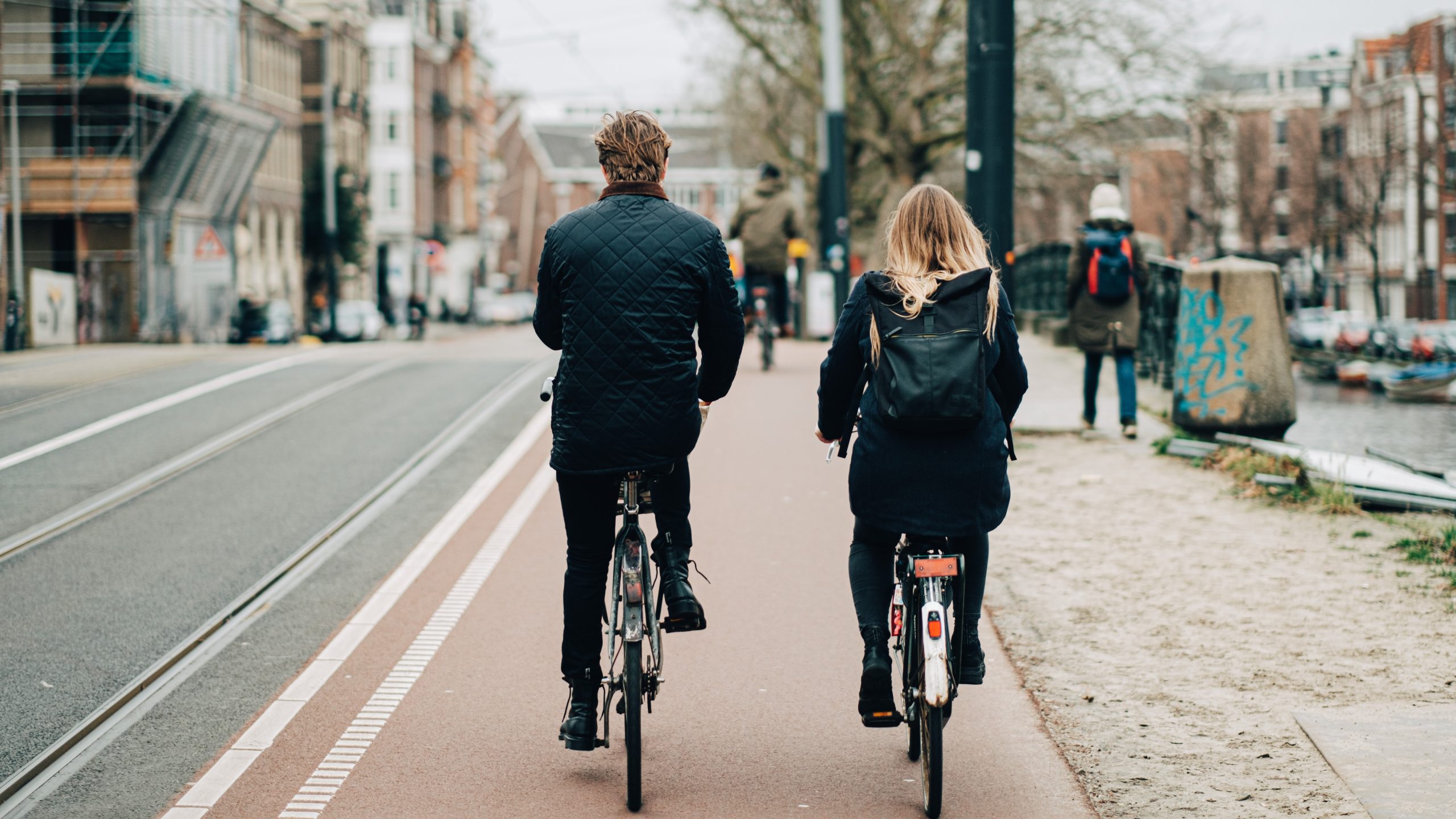

How we picked the top bike-friendly cities
Selecting the best cities for a car-free lifestyle requires looking beyond the number of miles paved. We evaluated the 2026 rankings from the League of American Bicyclists and PeopleForBikes, focusing on concrete infrastructure that supports daily utility. A city earns its spot when protected lanes connect residential zones to commercial hubs, not just when it boasts scenic park paths.
True bike-friendliness is measured by safety and connectivity. We prioritized cities with separated infrastructure that shields riders from traffic, reliable traffic signal timing for cyclists, and secure storage options at transit hubs. These features reduce the mental load of commuting, making a car a choice rather than a necessity.
The data highlights a clear shift toward protected networks. Cities like Copenhagen continue to lead, but American municipalities are closing the gap with significant investment in separated lanes and traffic calming measures. This infrastructure growth signals a reliable environment for riders who need durability and consistency in their daily commute.
Minneapolis leads US infrastructure rankings
Minneapolis has secured the top spot in the 2025 Ergonbike rankings for US bike-friendliness, trailing only Brooklyn in overall points. The city’s dominance stems from its extensive network of protected lanes and dedicated traffic signals, which prioritize cyclist safety over vehicle throughput. This infrastructure is not just a convenience; it is the backbone of a car-free lifestyle, allowing residents to commute reliably year-round.
The city’s approach to urban planning treats bicycles as primary transport rather than recreational toys. With a dense grid of separated paths and high-quality winter maintenance, Minneapolis ensures that biking remains a viable option even in harsh conditions. This level of infrastructure support reduces the anxiety of sharing the road with cars, making it easier for new riders to commit to a car-free existence.
Infrastructure Comparison
To understand why Minneapolis ranks so highly, it helps to compare its infrastructure metrics against other leading US cities known for cycling culture. The following table highlights the differences in lane mileage, safety scores, and weather adaptability.
| City | Protected Lane Mileage | Safety Score (1-10) | Winter Adaptability |
|---|---|---|---|
| Minneapolis | 160+ | 9.2 | Excellent |
| Boulder | 50+ | 8.8 | Good |
| San Francisco | 25+ | 7.5 | Fair |
For residents looking to fully embrace this infrastructure, the right equipment is essential. A durable, low-maintenance commuter bike is the most critical investment for a car-free lifestyle in Minneapolis. Unlike road bikes designed for speed, commuter bikes offer upright visibility, integrated lighting, and rack mounts for grocery storage.
As an Amazon Associate, we may earn from qualifying purchases.
The combination of protected lanes and reliable gear transforms Minneapolis into a practical alternative to car ownership. Residents can plan around the city efficiently, carrying groceries and commuting to work without the burden of parking or fuel costs. This infrastructure-first approach makes Minneapolis the most logical choice for those prioritizing safety and convenience in their car-free transition.
Brooklyn: The Unexpected Champion
Brooklyn has claimed the top spot in the 2025 rankings, earning 73 points for its dense urban cycling culture and high walkability. Unlike sprawling suburbs, this borough offers a metropolitan experience where daily errands and commutes are handled on two wheels. The infrastructure supports this density with a growing network of protected bike lanes and traffic signals designed specifically for cyclists.
Living car-free here requires gear that can handle heavy daily use. You need a bicycle built for durability and storage capacity to manage the urban environment. The following products are selected for their ability to support a practical, car-free lifestyle in a dense city like Brooklyn.


As an Amazon Associate, we may earn from qualifying purchases.
Copenhagen sets the global standard
Copenhagen consistently ranks at the top of global bicycle-friendliness indices, including the 2025 rankings where it sits in second place behind Utrecht. For car-free commuters, the city offers a masterclass in infrastructure that prioritizes speed and safety over car convenience. The network features over 390 kilometers of dedicated cycle tracks, physically separated from both traffic and pedestrians.
The infrastructure is designed for flow. Copenhagen’s "green waves" synchronize traffic lights to allow cyclists traveling at 20 km/h to hit every green light, reducing stop-and-go friction. Intersections are raised to pedestrian level, forcing cars to slow down while giving cyclists clear visibility. This level of engineering detail is why the city sees more than 400,000 bike trips daily.
For those considering relocation, the city’s car-free lifestyle is supported by robust storage solutions. Secure bike parking is ubiquitous, from underground facilities near train stations to simple racks on every corner. The durability of bicycles used in such high-volume environments is paramount; riders often prefer robust, low-maintenance models that can withstand daily use in harsh weather without frequent repairs.
Essential gear for car-free urban living
Living car-free in cities like Minneapolis or Brooklyn requires equipment that handles daily transit demands rather than weekend recreation. The infrastructure in top-ranked bike-friendly cities offers protected lanes, but it also exposes riders to unpredictable weather, potholes, and heavy traffic. Your gear needs to bridge the gap between utility and durability.
Start with a reliable commuter bicycle. You do not need a high-end carbon road bike; a steel-framed hybrid or city bike with internal gearing offers the maintenance-free reliability needed for year-round commuting. Look for models that come equipped with fenders and racks from the factory, as these are non-negotiable for carrying groceries or work gear without a backpack.
Storage is the next priority. A front rack with a sturdy pannier bag allows you to carry a laptop, lunch, and change of clothes without compromising your posture or balance. Unlike a backpack, panniers keep your weight centered and low, making the bike easier to handle in stop-and-go traffic. Pair this with high-quality lights—both front and rear—that are bright enough to be seen in urban shadows and can be charged via USB.
Finally, secure your investment. A heavy-duty U-lock is essential for locking up at offices, transit hubs, or apartment buildings. Cable locks are insufficient for urban environments where theft is a constant risk. Choose a lock rated for high-security use to ensure peace of mind while you plan around the city.


As an Amazon Associate, we may earn from qualifying purchases.
Evaluate infrastructure before you move
Choosing a car-free home requires looking past marketing slogans and checking the actual pavement. High rankings from the League of American Bicyclists matter, but you need to verify that protected lanes connect your potential neighborhood to major employment hubs. A city like Copenhagen leads globally for its continuous network, but even top-tier US cities vary block by block.
Use the League’s Bicycle Friendly America program as a baseline. Their roadmap highlights jurisdictions that have invested in physical separation between cars and bikes. Look for concrete barriers or painted buffer zones rather than just shared lanes. If the infrastructure ends at your street, your car-free lifestyle will quickly become frustrating.
Walk the route during peak hours. Does the sidewalk have enough width for strollers or wheelchairs? Are traffic lights timed for pedestrians, not just vehicles? These details determine whether you can actually live without a second vehicle. Prioritize cities where the grid supports slow, safe movement for everyone, not just cyclists.
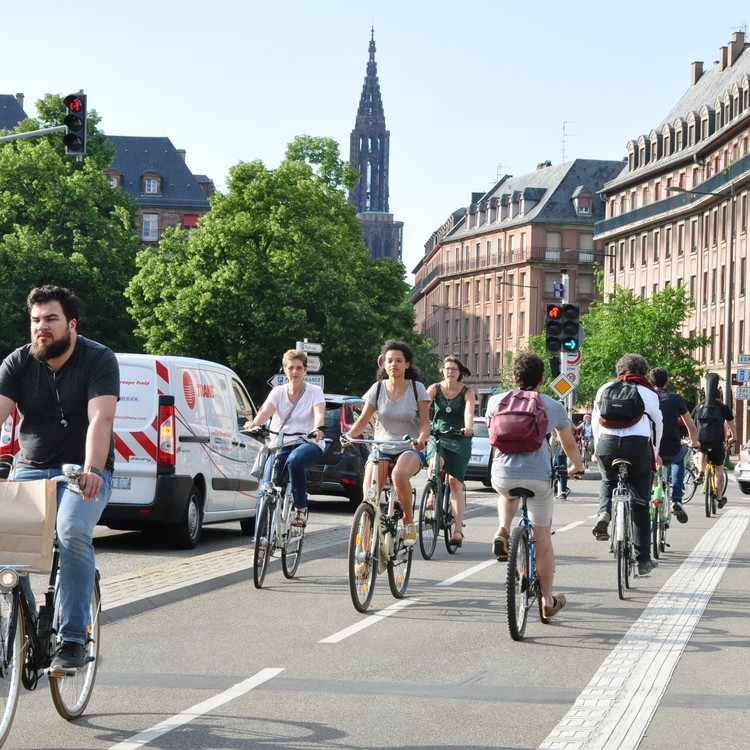
Verify that protected bike lanes connect your target apartment to grocery stores, schools, and transit hubs. Disconnected lanes force you into dangerous traffic.
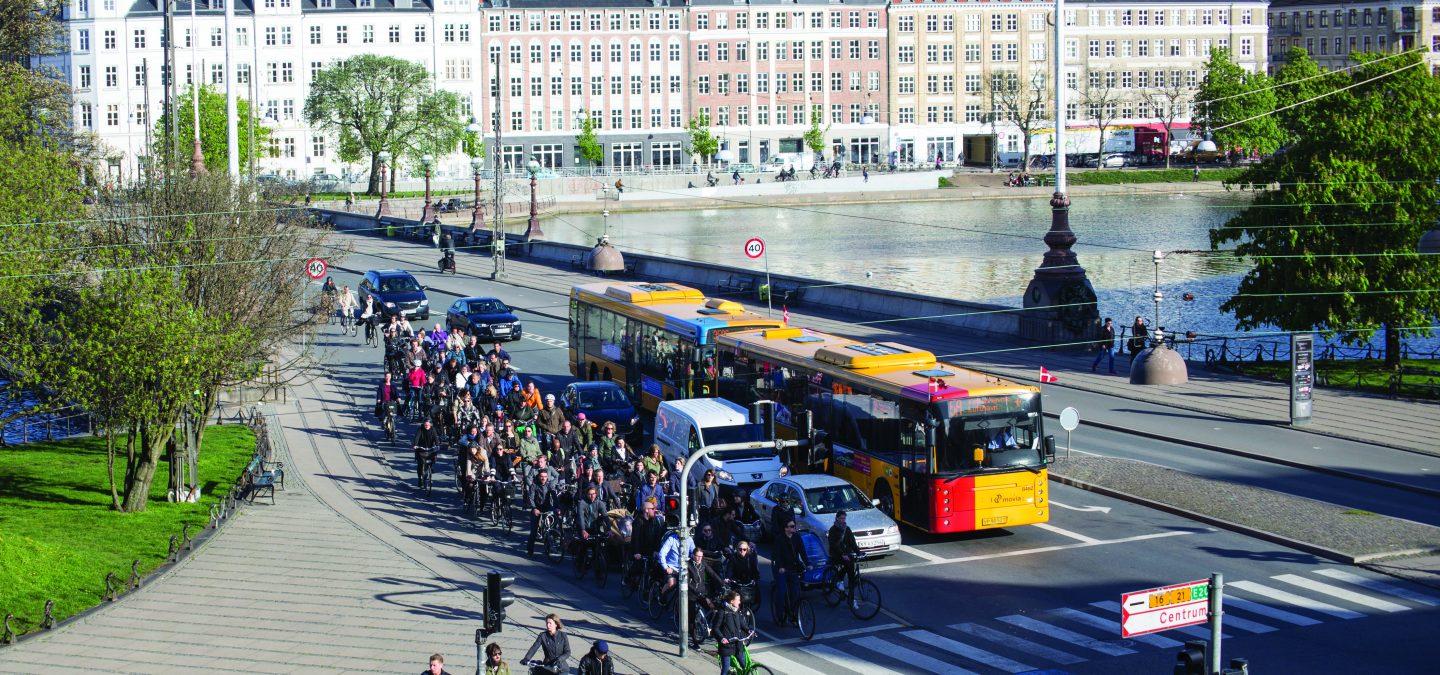
Walk the neighborhood at rush hour. Look for wide sidewalks, accessible crosswalks, and traffic lights that give pedestrians enough time to cross safely.
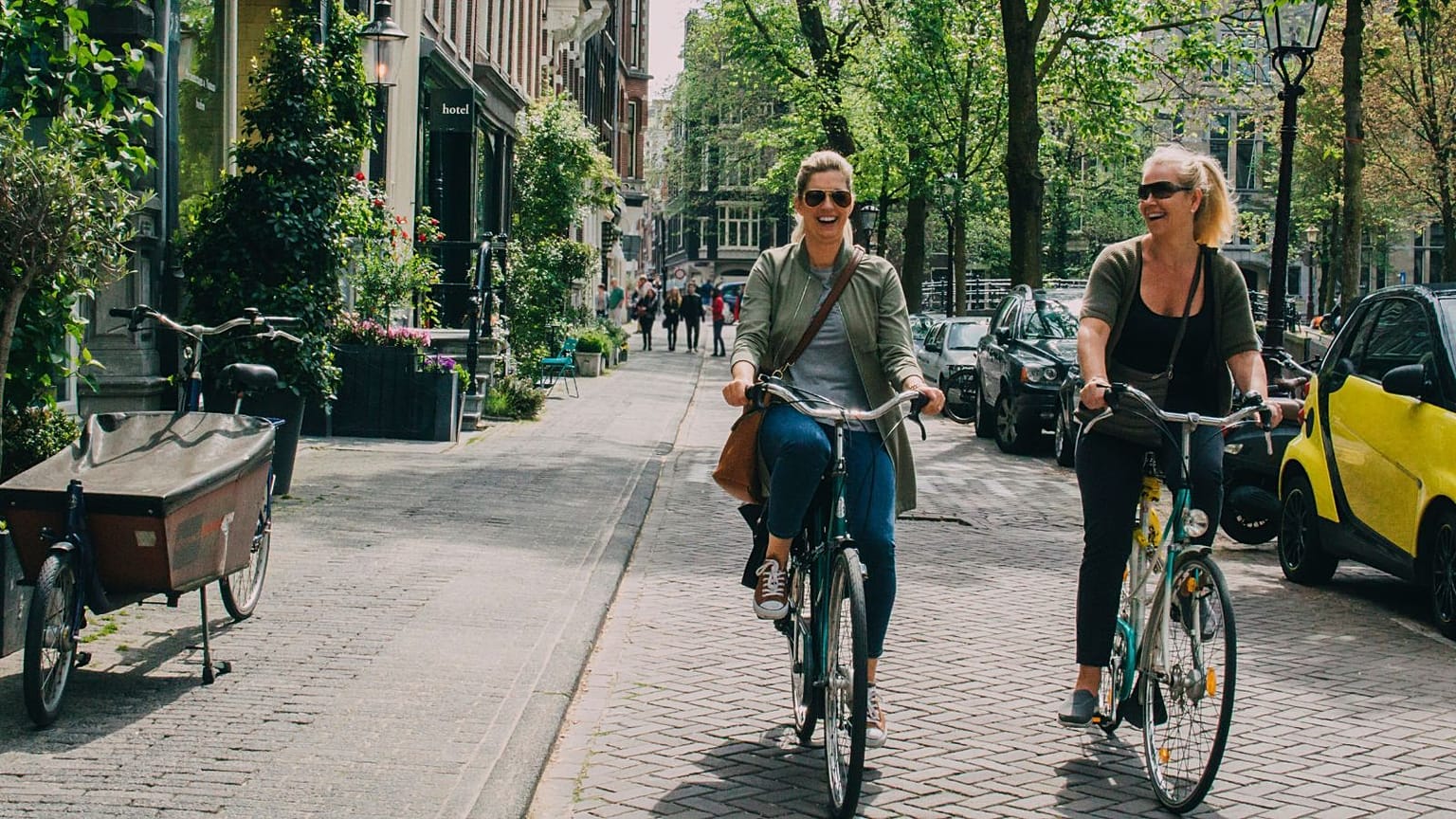
Consult the League of American Bicyclists ratings and local city planning documents. Look for recent investments in infrastructure, not just historical accolades.
Which city is the most bike-friendly?
Copenhagen holds the title for the most bike-friendly city in the world, a distinction it has maintained through decades of deliberate urban planning. The city’s infrastructure is built for utility rather than aesthetics, featuring a dense network of protected lanes that physically separate cyclists from car traffic. This design allows residents to commute safely in all weather conditions, making car-free living a practical daily reality rather than a seasonal hobby.
While cities like Utrecht and Amsterdam rank closely behind, Copenhagen’s integration of traffic signals specifically for cyclists sets it apart. These dedicated lights reduce conflict points with motor vehicles, creating a predictable flow that encourages even casual riders to choose a bike over a car. For those considering a car-free lifestyle, the priority is finding a city with this level of physical separation and signal priority.
To support this lifestyle, reliable equipment is essential. Look for bikes with robust frames and integrated storage to handle daily commuting needs without a backpack. Durability matters more than lightweight performance when you are riding year-round on potentially slushy or wet roads.
No comments yet. Be the first to share your thoughts!