

Find car-accessible beach campsites
Finding car-accessible beach campsites means choosing between two distinct models: primitive walk-in sites and developed campgrounds with shuttle services. Both options eliminate the need for a personal vehicle at the campsite, but they require different planning strategies and offer different levels of comfort.
Primitive walk-in sites are usually located within state parks or national forests. You drive to a designated trailhead or parking lot, then carry your gear to the beach. These spots offer the most isolation but require you to haul everything from tents to water. Developed sites with shuttles are typically found in larger state parks or private campgrounds. You park your car in a secure lot and take a scheduled vehicle to your site. This option is heavier on amenities but relies on strict shuttle schedules.

Use this comparison to decide which type fits your gear and comfort level.
| Feature | Primitive Walk-In | Shuttle-Accessible | Reservation Difficulty |
|---|---|---|---|
| Gear Haul | High effort (carry all) | Low effort (drop off) | Moderate |
| Privacy | High | Medium | Moderate |
| Amenities | None or minimal | Restrooms/showers nearby | High |
| Flexibility | High | Tied to schedule | Low |
Walk-in sites often fill up months in advance, especially in popular coastal regions like California or North Carolina. Reserve these spots as soon as the booking window opens. Shuttle-accessible sites may have more availability but require you to align your arrival with shuttle times. Always check the specific park’s reservation policy before booking, as rules vary significantly by location.
Book reservations months ahead
When you don’t have a car, your options shrink dramatically. You are limited to campsites within walking or biking distance of public transit, ferry terminals, or major bike paths. These spots are scarce, and they are the first to vanish when release dates drop. Treating beach camping like a standard vacation booking will leave you stranded or forced into expensive last-minute hotels.
Most state and national park systems open their reservation windows six months in advance. For popular coastal destinations, this is not a suggestion but a hard constraint. If you wait until the spring to plan a summer beach trip, the car-free sites will likely be gone. You need to know the exact release date for your target park and be ready to book the moment the portal opens.
Speed matters more than negotiation. Campsite portals often crash or lag during high-traffic release windows. Have your account logged in, payment information saved, and alternative dates ready before the clock hits zero. If your first choice fails, immediately pivot to the next available site. Do not refresh the page repeatedly; use the "hold" or "queue" features if the system offers them. Your ability to secure a spot depends entirely on how quickly you can react when the doors open.
Pack light for car-free logistics
Without a car trunk, every ounce and cubic inch matters. Your gear needs to fit into a backpack, beach wagon, or bike trailer, and survive the walk from your parking spot or transit stop to the sand. The strategy is simple: cut the weight, double the utility, and leave the bulky stuff behind.
1. Choose a low-profile shelter
Ditch the heavy family tent. A two-person ultralight tent or a compact tarp setup weighs a fraction of standard camping gear. You only need enough space to sleep and store your pack. Look for tents with a footprint under five pounds that pack down small enough to strap to the outside of your bag. If you are camping in a dry area, a simple bivy sack might be all you need.
2. Bring one multi-use cooking system
Car campers often bring separate stoves, pots, and utensils. You should bring one lightweight backpacking stove (like a canister stove) and one nesting pot set that includes a lid and a spork. This eliminates the need for a cooler, heavy pots, and extra dishes. Cook simple meals like dehydrated pasta or rice and beans that require minimal water and cleanup. Avoid cast iron or bulky non-stick sets that add unnecessary weight.
3. Limit clothing to quick-dry layers
Beach environments are humid and salty. Cotton holds moisture and takes forever to dry, making it a heavy, uncomfortable burden. Pack only quick-dry synthetic or merino wool layers. One swimsuit, one set of dry clothes, and one light windbreaker are usually enough. Roll your clothes tightly to save space and prevent wrinkles. You can wash socks and underwear in the ocean and hang them to dry in the sun.
4. Pack a compact first aid and hygiene kit
Sand gets everywhere. A small, zippered pouch with bandages, antiseptic wipes, sunscreen, and a toothbrush is all you need. Avoid full-sized bottles of shampoo or lotion; use solid alternatives like soap bars that don’t leak and weigh less. A small microfiber towel dries quickly and packs into a tiny ball, replacing bulky bath towels.
5. Use a rigid or semi-rigid container
If you are using a backpack, ensure it has a frame or internal structure to keep the load comfortable. If you are using a beach wagon, choose one with large, air-filled tires that can roll over sand and boardwalks without sinking. A hard-shell bike pannier is another excellent option if you are cycling to the site. The container itself should be lightweight but durable enough to handle rough terrain.
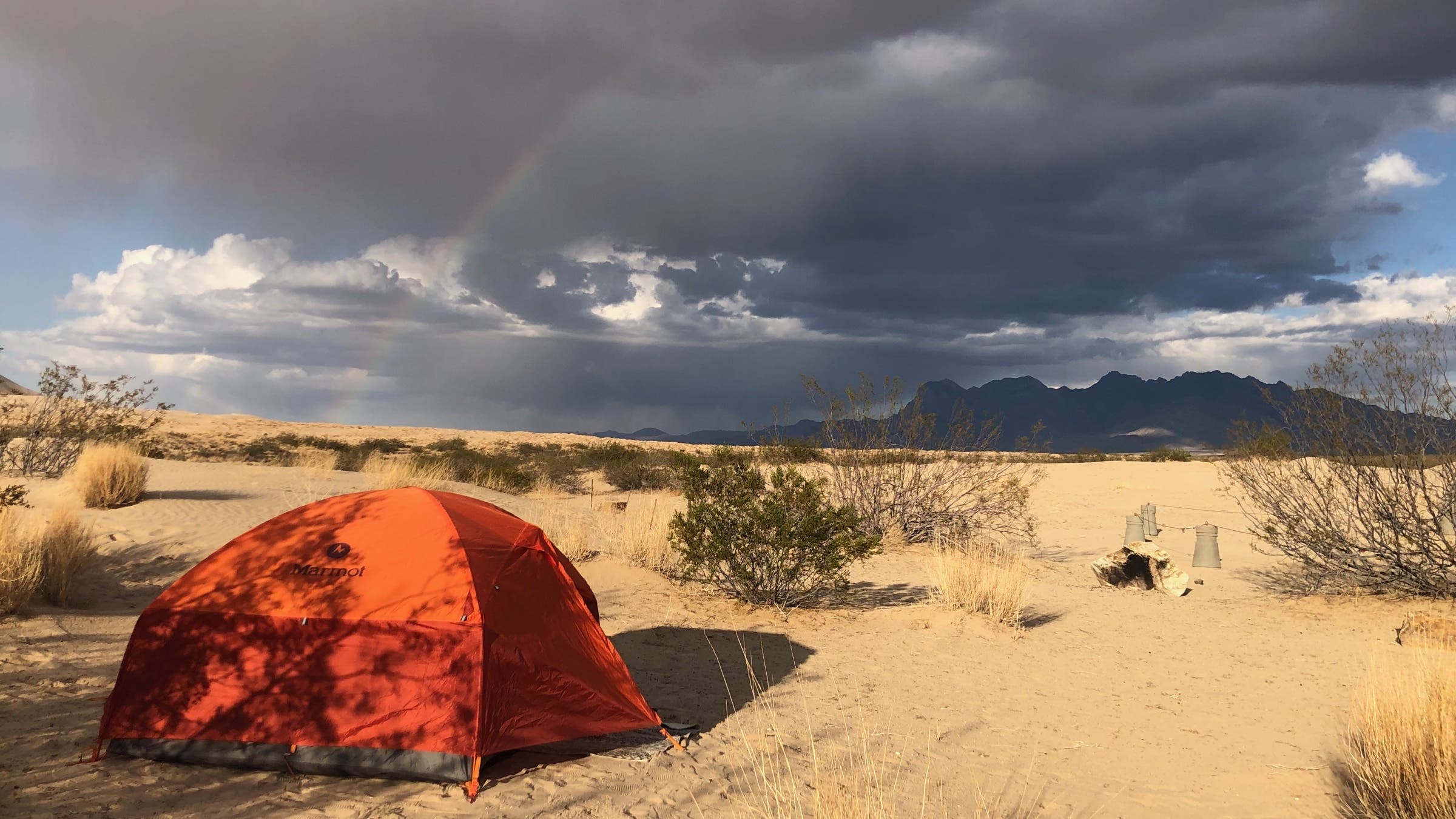
Pack everything into your chosen transport method and walk a block. If it feels too heavy or awkward, remove one item. Your goal is to arrive at the beach feeling energized, not exhausted from the carry-in.
Sand infiltrates everything. Use compression sacks for clothing and stuff sacks for smaller items. Seal all food in hard-sided containers to keep out insects and prevent odors from attracting wildlife.
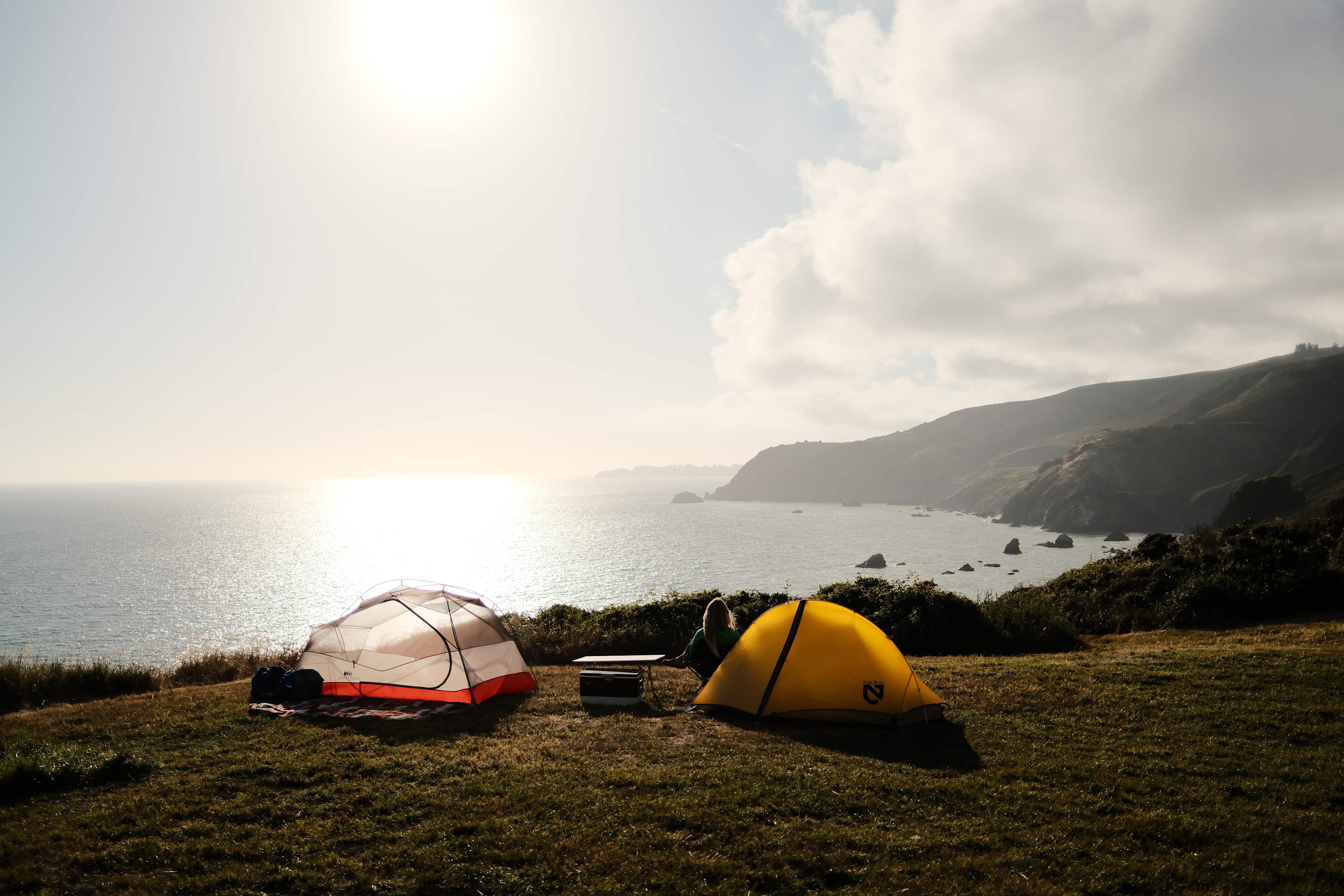
You have to carry everything back out. Do not pack your bag to its absolute limit. Leave 10-15% empty space for water, snacks, or trash you collect on the way out. A lighter pack makes the hike back much easier.
Navigate to the campsite
The final leg of the journey is often the most physically demanding. You are bridging the gap between public transit drops or distant parking lots and your actual tent site, carrying everything you need to survive the night. This section covers the logistics of that journey, focusing on tide awareness and gear transport.
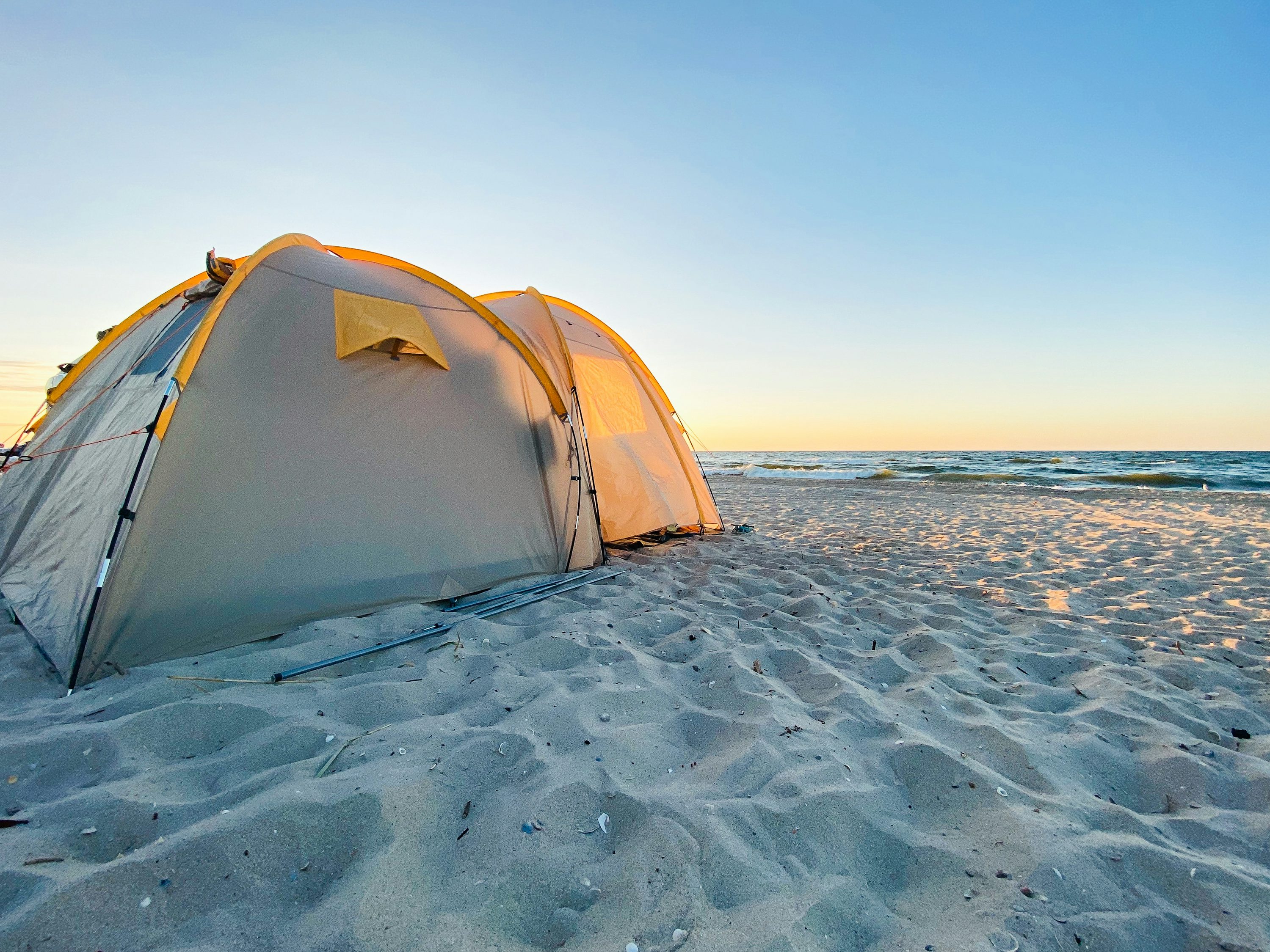
Sand is a difficult surface to traverse, especially when wet. High tide can wash out access paths or make the sand near the waterline impossibly soft. Consult a local tide table immediately after arriving at your transit hub. If the tide is rising or near its peak, aim for a campsite further inland or on firmer, drier sand to avoid getting stuck or having your gear soaked.
Dragging a backpack over dry sand is exhausting and inefficient. A wide-wheeled beach wagon is the single best tool for non-car camping. It allows you to transport tents, coolers, and chairs in bulk without straining your back. Load the heaviest items at the bottom for stability, and ensure the wagon has a brake if you are camping on a slope.
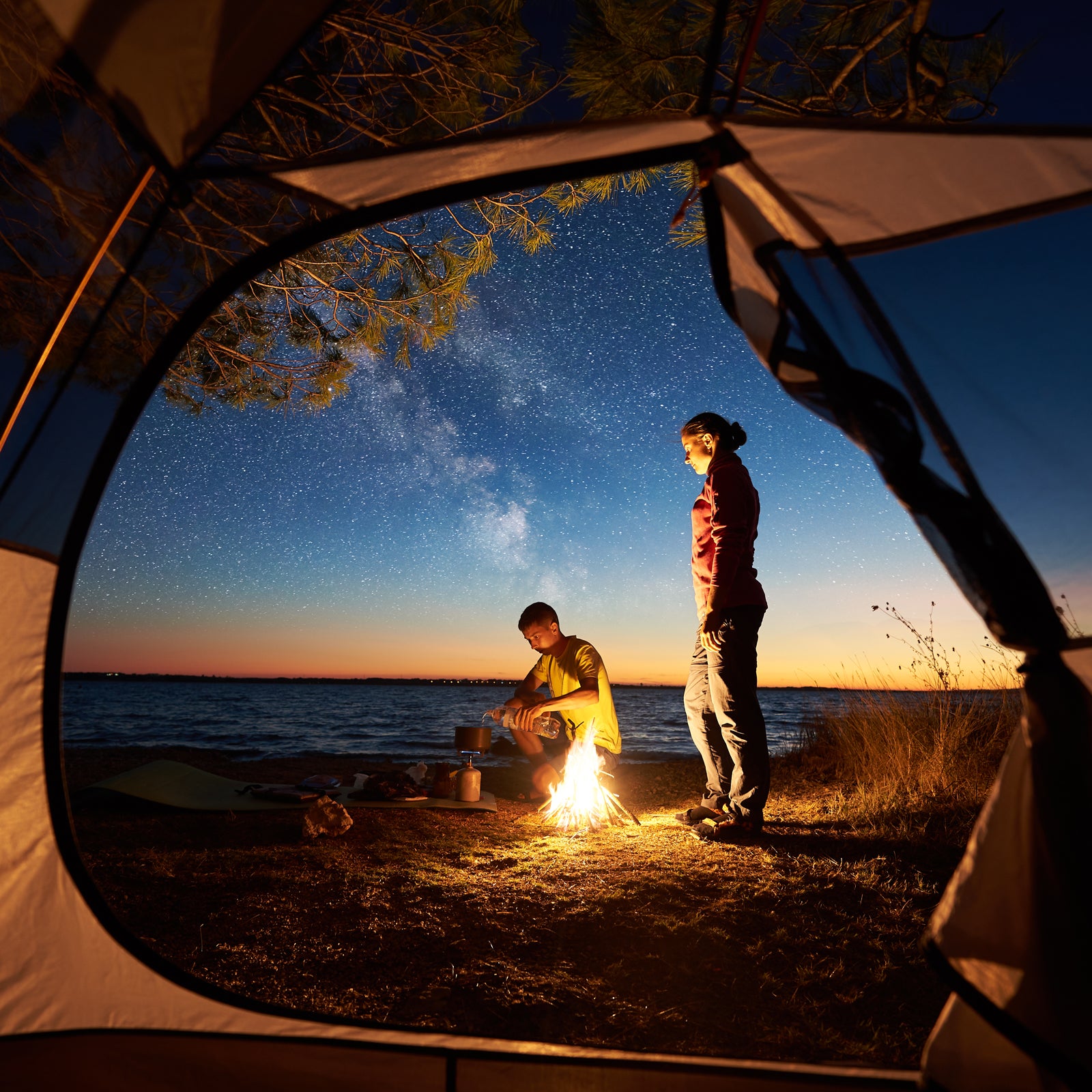
If a wagon is too large for your transit route, a small, collapsible utility cart is a viable alternative. Keep it simple: one cart for food and water, and a backpack for essentials like water bottles, first aid, and electronics. Avoid overpacking; every extra pound is harder to move on sand than on pavement.
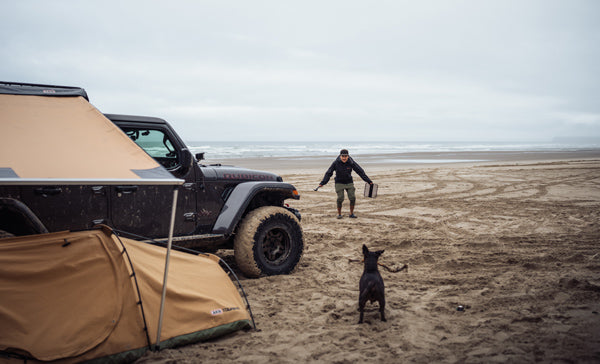
Once you reach your general area, do not drop your gear immediately. Walk a few yards in each direction to check for hidden obstacles like driftwood, sharp shells, or low tide pools. Ensure the ground is flat and free of debris that could puncture your tent floor or make sleeping uncomfortable.
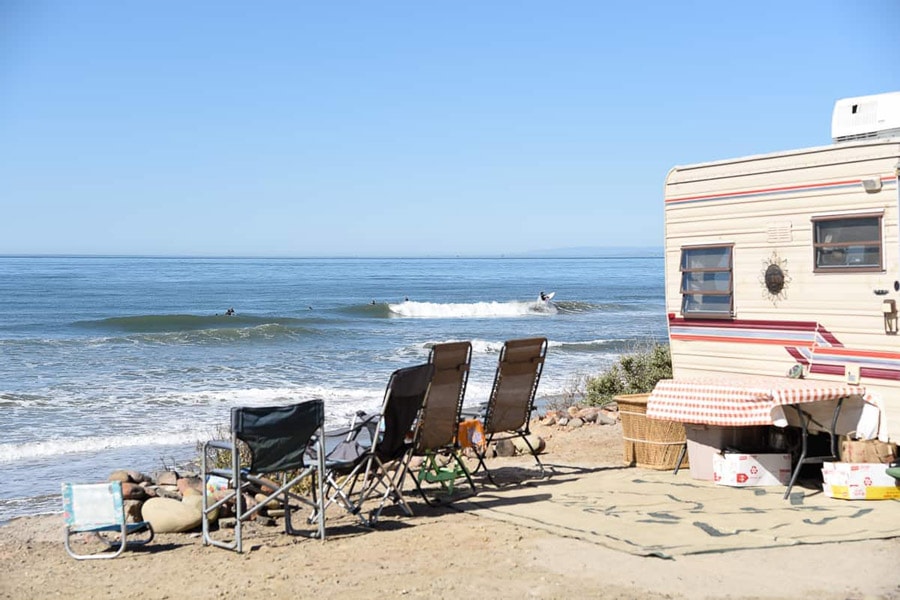
Beach winds are stronger and more persistent than inland breezes. Use sand stakes for your tent, which are longer and sharper than standard grass stakes. Bury your wagon or cart under a tarp if you are leaving it unattended, as loose items can be blown away or become hazards in the wind.
Follow leave-no-trace rules
Beach camping without a car changes your relationship with waste. You are not just a visitor; you are the sole custodian of your campsite until you leave. Without a vehicle to haul heavy bags of trash or recyclables to a distant dumpster, every item you bring onto the sand must be accounted for when you depart. This constraint forces a stricter adherence to Leave No Trace principles, turning minimal impact into a logistical necessity rather than just an ethical choice.
Start by packing out everything you pack in. This includes food scraps, packaging, and even biodegradable items like fruit peels, which can disrupt local wildlife and attract pests. On a beach, wind and tides move debris quickly, so secure all trash in sealed, odor-proof bags. If you are camping near a state park or managed beach, check if they provide specific disposal stations, but never assume you can bury or burn waste. Buried trash attracts scavengers, and burning plastic or treated wood releases toxins into the dune ecosystem.
Think of your campsite as a temporary bubble. When you deflate it, nothing should remain but footprints. Bring a small, dedicated trash bag that stays with you at all times. Use this for everything from coffee grounds to toilet paper if you are practicing wild camping. By keeping your site pristine, you ensure the beach remains safe for wildlife and enjoyable for the next camper who arrives with nothing but a backpack and a tent.
Common beach camping: what to check next
Planning beach camping without a car requires precise logistics. You must account for water, waste, and safety before you leave home.
Where can I get drinking water?
Most primitive beach campsites lack potable water. Bring enough for drinking, cooking, and hygiene, or plan to filter lake or ocean water. Check state park reservations for amenities like freshwater showers parks.ca.gov. If you camp near established grounds, verify water access in advance.
How do I dispose of waste without a car?
Pack out all trash, food scraps, and gray water. Beaches often lack bins to prevent wildlife attraction. Use a portable toilet system or follow local regulations for human waste burial. Never leave trash behind, as it harms marine life and attracts pests.
Is it safe to camp alone on the beach?
Beach camping carries unique risks, including high tides, cold water, and limited cell service. Camp near other people if possible. Check tide charts daily to avoid being stranded. Inform someone of your location and expected return time. Carry a whistle and a fully charged power bank.
No comments yet. Be the first to share your thoughts!