


Why these cities lead the car-free movement
Living without a car in a major metro isn't about deprivation; it's about swapping the burden of ownership for the freedom of mobility. The cities that make this lifestyle viable share two non-negotiable pillars: protected infrastructure and a supportive culture of shared transit. Without physical separation from traffic, cycling remains a stressful gamble rather than a daily commute. Without reliable ridesharing and dense public transit networks, a flat tire or a sudden rainstorm can derail an entire day.
The shift from car ownership to mobility access changes how you interact with your environment. You aren't just transporting yourself from point A to point B; you are engaging with a living system. This transition demands concrete planning—outfitting your bike for everyday errands and accepting help from friends for bulky groceries—but the payoff is immediate. As many who have made the switch report, the result is not just savings, but a significant increase in daily activity, sun exposure, and overall happiness.
Being car-free is a lifestyle choice that prioritizes active engagement with your city over the isolation of a private vehicle. It requires a robust network of protected lanes and a community willing to share rides, turning the commute into a productive part of your day rather than a waste of time.
The cities on this list have already solved the infrastructure puzzle. They offer protected bike lanes that feel safer than many residential streets and transit systems that run with clockwork precision. In these places, leaving the car at home isn't a heroic act of endurance; it is the most logical, efficient, and enjoyable way to move.
5 Bike-Friendly Cities for a Car-Free Lifestyle
Ditching your car doesn't mean sacrificing convenience; it requires choosing cities built for two wheels. These five destinations offer the infrastructure and culture to make a car-free lifestyle practical and enjoyable.
-
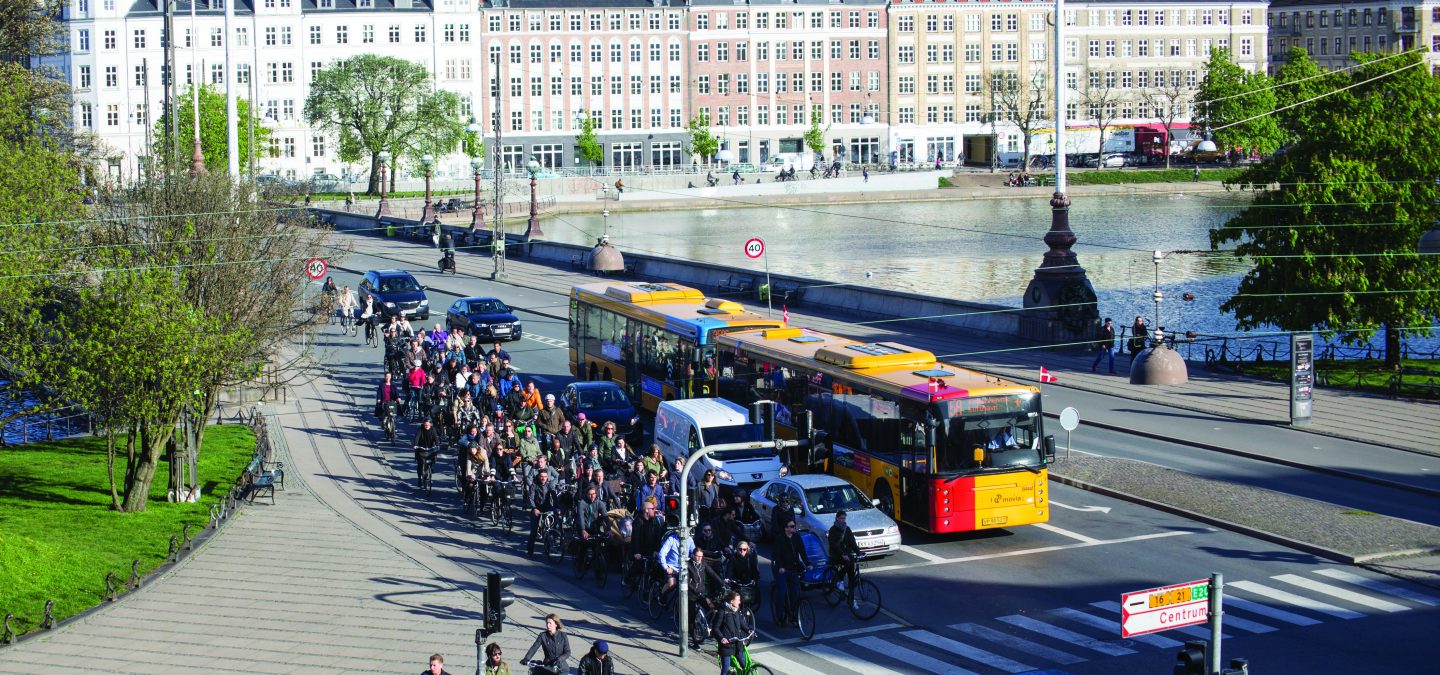
Copenhagen: The gold standard for cycling
Copenhagen redefines urban mobility with its dedicated cycle superhighways and synchronized traffic lights that prioritize two wheels over four. The city’s infrastructure ensures safe, efficient commutes for residents who use robust cargo bikes and sleek roadsters. This systematic approach to cycling has made car ownership optional for many, setting a global benchmark for how cities can seamlessly integrate active transportation into daily life. -
Amsterdam: Culture meets infrastructure
Amsterdam’s bike-friendly lifestyle is woven into the cultural fabric, where narrow canals and historic streets naturally discourage high-speed car traffic. Cyclists use a dense network of separated lanes and secure parking hubs, enjoying a rhythm of movement that feels both historic and modern. The city’s design prioritizes human scale, making the bicycle the most practical and socially accepted mode of transport for locals and visitors alike. -

Portland: American car-free pioneer
Portland pioneered the American car-free movement by retrofitting its grid with protected bike lanes and extensive greenways. The city’s commitment to multimodal transit allows residents to commute safely through urban corridors without relying on automobiles. By integrating cycling infrastructure with public transit hubs, Portland demonstrates how a car-centric nation can transition toward sustainable, bicycle-first living while maintaining accessibility and convenience for all users. -

Berlin: Green spaces and bike paths
Berlin leverages its abundant green spaces and repurposed industrial zones to create a sprawling network of off-road bike paths. The city’s diverse terrain offers cyclists scenic routes through parks and along the Spree River, providing a peaceful alternative to busy streets. This integration of nature and infrastructure encourages a relaxed, health-focused cycling culture that appeals to those seeking to escape the density of traditional urban commuting. -
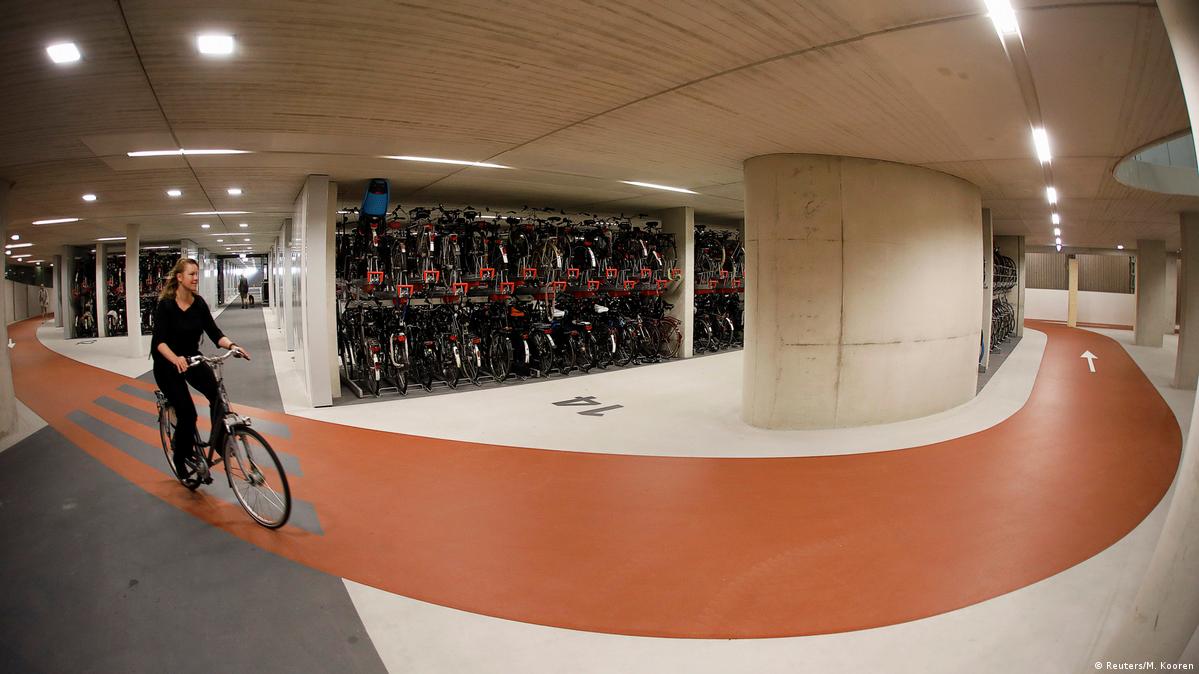
Utrecht: World’s largest bicycle parking facility
Utrecht sets the standard for bicycle storage with the world’s largest underground parking facility, accommodating over 12,000 bikes. This massive infrastructure project eliminates the anxiety of theft and weather damage, encouraging year-round cycling among residents. By combining secure, high-capacity parking with extensive lane networks, Utrecht proves that robust logistical support is essential for sustaining a truly car-free lifestyle in a modern metropolis.
Essential gear for your new car-free life
Ditching the keys doesn't mean you're stranded without tools. The right equipment turns your bicycle from a weekend toy into a reliable daily driver, carrying groceries, laptops, and rain gear with ease. Think of your bike setup as your new vehicle's dashboard and glovebox combined.
Start with security. A heavy-duty U-lock is non-negotiable in any car-free city, protecting your investment when you stop for coffee or work. Pair it with a bright front and rear light combo; visibility keeps you safe during early morning commutes or rainy evenings when drivers might not see you.
For cargo, skip the backpack to avoid back sweat and choose panniers or a sturdy rear rack. These allow you to haul more weight without straining your posture, making grocery runs or tool transport practical. Finally, a compact repair kit with spare tubes and a multi-tool ensures you can handle a flat tire on the spot, keeping your mobility uninterrupted.


As an Amazon Associate, we may earn from qualifying purchases.
Comparing the top 5 cities for cyclists
Choosing where to live without a car comes down to how well the city supports your daily routine. The best cities for cyclists offer more than just bike lanes; they provide a cohesive ecosystem of infrastructure, affordability, and community culture that makes car-free living sustainable.
The table below compares Copenhagen, Amsterdam, Portland, Berlin, and Utrecht across three key metrics: infrastructure quality, cost of living, and bike culture. Use this to gauge which city aligns with your priorities, whether you value low costs or world-class cycling facilities.
| City | Infrastructure | Cost of Living | Bike Culture |
|---|---|---|---|
| Copenhagen | Excellent separated lanes | High | Universal daily commuting |
| Amsterdam | Dense network, traffic calming | Very High | Integrated into daily life |
| Portland | Growing protected network | Moderate to High | Strong advocacy, diverse riders |
| Berlin | Mixed quality, improving fast | Moderate | Rebellious, growing fast |
| Utrecht | Largest bike parking, dedicated paths | High | Seamless public transit integration |
No comments yet. Be the first to share your thoughts!