


Why choose car-free beach camping


As an Amazon Associate, we may earn from qualifying purchases.
How to plan a car-free coastal trip
Skipping the car changes how you pack and move. You trade trunk space for backpacks and rely on ferries, trains, and local shuttles. Planning ahead keeps the trip simple.
Book ferries and trains early
Coastal transit runs on fixed schedules. Ferries fill up on weekends, and trains have limited evening departures. Buy tickets before you arrive to avoid sold-out days. Check the official transit site for your destination to see current timetables and any seasonal changes.
Pack light for camping
You will carry your gear from the station or ferry terminal to the campsite. Choose a lightweight tent and a compact sleeping bag. Bring a collapsible cooler instead of a heavy cooler. Leave bulky items at home; you can buy ice and snacks at the destination.
Check local transit at your destination
Most car-free coastal towns have bus routes, water taxis, or bike rentals. Download the local transit app or print a paper map. Know the last bus time so you can plan your return from the beach or town center.
Reserve your campsite in advance
Popular coastal campsites book months ahead. Reserve your spot online before you travel. Confirm if the site allows tent-only camping or requires RV hookups. Bring a reservation confirmation printed or saved offline.
Plan your gear transport
If you take a train or ferry, check baggage rules. Some services charge for extra bags or limit size. Use a wheeled duffel for easy rolling through stations. If you rent a bike, reserve it early for the same reason.
Best car-free beach camping spots
Reaching the coast without a car requires trading highway miles for ferry tickets and shuttle routes. The following five destinations offer reliable public transit access and established camping infrastructure, allowing you to set up camp without hauling gear across parking lots. Each spot prioritizes pedestrian and bicycle mobility, ensuring the beach remains the primary focus rather than the commute.
1. Daufuskie Island, South Carolina
Daufuskie Island sits off the coast of Hilton Head and is accessible only by ferry from the mainland or via small aircraft. Once on the island, vehicles are restricted to golf carts and bicycles, preserving the quiet, rural atmosphere. Camping is permitted in designated areas, often near the beachfront where the Atlantic meets the marshlands. Public transport is limited to island shuttles, so planning your gear around what you can carry or bike is essential. The lack of cars means the night sky is unobstructed by streetlights, offering exceptional stargazing conditions.
2. Tangier Island, Virginia
Located in the Chesapeake Bay, Tangier Island is a remote community reachable by boat or small plane. The island has no traffic lights and very few cars, with residents relying on walking and small utility vehicles. Camping options are limited and often require coordination with local hosts or designated sites, but the trade-off is a genuine off-grid experience. The ferry service runs on a fixed schedule, so timing your arrival is critical. This spot is ideal for those seeking isolation and a glimpse into a unique maritime culture that has existed for centuries.
3. Two Harbors, Catalina Island, California
Catalina Island offers two main entry points for car-free visitors: Avalon and Two Harbors. Two Harbors is particularly suited for camping, with the Catalina Island Conservancy managing several backcountry campsites that require a short hike or bike ride from the ferry dock. Public transit on the island includes the Catalina Express ferry and local shuttle buses. The infrastructure supports bicycle rentals and walking paths, making it easy to explore the island’s interior without a car. Camping here provides access to pristine beaches and clear waters for snorkeling.
4. Halibut Cove, Alaska
Halibut Cove is a small fishing village accessible by ferry from Seward or by water taxi. Cars are largely absent, with residents and visitors relying on foot traffic and occasional utility vehicles. Camping is available in nearby state parks or designated sites, often requiring a short walk from the ferry landing. The cold, rugged environment demands proper gear, but the payoff is dramatic scenery and abundant wildlife. Public transport is minimal, so you must be prepared to carry your own supplies, but the lack of roads ensures a peaceful, uninterrupted natural setting.
5. Monhegan Island, Maine
Monhegan Island is a rugged coastal destination reachable by ferry from Port Clyde. The island has no cars, and all supplies are delivered by boat or carried by hand. Camping is allowed in designated areas, though space is limited and often requires booking well in advance. The island’s small size makes it easy to navigate on foot, and the lack of motorized vehicles preserves its serene atmosphere. This spot is best for experienced campers who appreciate rough conditions and want to disconnect from modern conveniences.
| Destination | Primary Transit | Camping Type | Best Season |
|---|---|---|---|
| Daufuskie Island | Ferry | Designated beachfront | Spring-Fall |
| Tangier Island | Boat/Plane | Host-coordinated | Summer |
| Catalina Island (Two Harbors) | Ferry/Shuttle | Backcountry sites | Year-round |
| Halibut Cove | Ferry/Water Taxi | Nearby state parks | Summer |
| Monhegan Island | Ferry | Designated sites | Summer |
Essential gear for car-free camping
When you are carrying your shelter and supplies on public transit, every ounce matters. The goal is to pack light enough to navigate train stations and bus transfers without strain, but durable enough to withstand coastal winds and salt spray. You are trading the trunk space of a car for the capacity of a backpack, so your gear must serve multiple purposes or compress into small footprints.
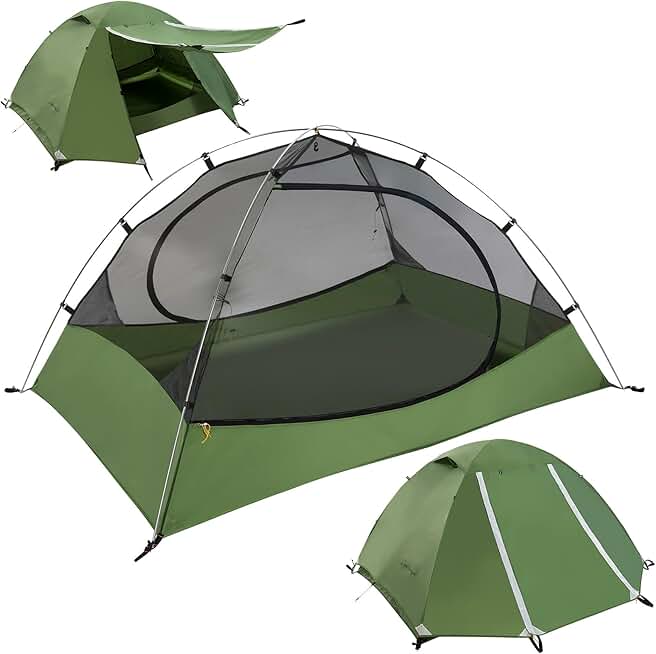
Start with a lightweight tent that packs down small. A two-person shelter that weighs under five pounds leaves room for food and water. Pair this with a compact sleeping bag rated for coastal nights, which can get chilly even in summer. A sleeping pad that inflates quickly and insulates against damp sand is non-negotiable for comfort.
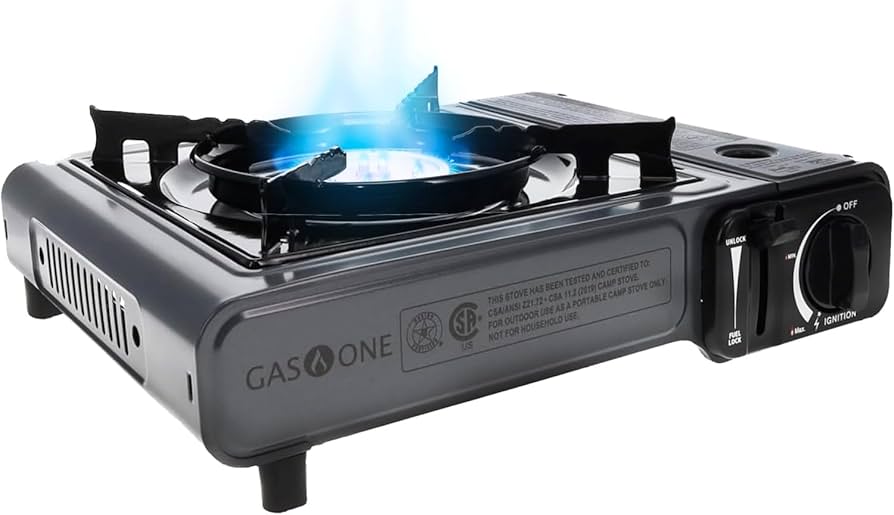
Don't forget the small items that become heavy burdens when carried far. A reusable water bottle or hydration bladder reduces waste and bulk. A compact cooking system allows you to prepare simple meals without relying on expensive beachside restaurants. These choices keep your load manageable and your experience focused on the coast, not your luggage.

As an Amazon Associate, we may earn from qualifying purchases.
No comments yet. Be the first to share your thoughts!