

Get car-free vacations right
Start Sustainable Travel with the constraint that matters most in real life: space, timing, budget, skill level, maintenance, or availability. That first constraint should shape the rest of the plan instead of appearing as an afterthought. Keep the first pass simple enough to verify. Compare the main options against the same criteria, remove choices that only work in ideal conditions, and save optional upgrades for later.
The simplest way to use this section is to write down the real constraint first, compare each option against it, and choose the path that still works outside ideal conditions.
Work through the steps
Planning a car-free vacation requires shifting from driving to weaving together different transit modes. The process is straightforward if you treat each leg of the journey as a distinct puzzle piece. Follow this sequence to build a schedule that minimizes waiting time and maximizes exploration.
Start by selecting a location where public infrastructure is the default, not an afterthought. International hubs like Paris, Amsterdam, and Vienna have dense networks that make cars redundant. In the US, cities like Boston, Charleston, and Austin offer walkable cores with reliable bus and rail links. Avoid sprawling metros where attractions are spread across counties without connecting rail.
Identify your three or four must-see attractions first. Then, work backward to find the public transit routes that connect them. Use official city transit apps to check real-time schedules and route maps. If an attraction requires two bus transfers and a 45-minute walk, it may not be worth the effort unless you have ample time. Prioritize destinations accessible by a single direct line or a short walk from a subway station.
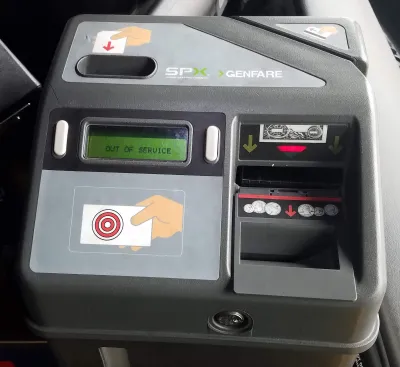
Buying single-ride tickets adds up quickly and wastes time at ticket machines. Look for daily, weekly, or city-wide passes that cover all zones you plan to visit. In many European cities, these passes also include discounts on museums and tourist buses. Load the digital version of your pass into your phone’s wallet app before you arrive to bypass ticketing queues entirely.

Your luggage is your vehicle. Choose a carry-on suitcase or a large daypack that can navigate stairs, crowded trains, and cobblestone streets. Avoid large rolling suitcases that require elevators or wide aisles. Pack light enough that you can carry your bags comfortably during transfers. This flexibility allows you to take shortcuts through parks or alleys that cars cannot access.
Public transit is subject to strikes, maintenance, and rush hour congestion. Add 15-20 minutes to every estimated travel time in your schedule. This buffer prevents you from rushing between connections or missing reservations. Use this extra time to explore a neighborhood near your transit hub rather than sitting in a station. Patience is the most valuable tool in a car-free itinerary.
-
Verify last train/bus times for your return trip
-
Download offline maps for your transit app
-
Check if your hotel offers bike rentals for last-mile travel
-
Confirm luggage storage options at major stations
Common mistakes when planning car-free travel
Skipping the last-mile check is the most frequent error in car-free planning. Many travelers assume that because a city has a metro system, they can reach their hotel without walking or transferring. In reality, stations are often located miles from the actual accommodation. Always verify the distance between the nearest transit hub and your lodging on a map. If the walk is more than twenty minutes, look for a hotel closer to the station or check for local shuttle services.
Another major pitfall is underestimating luggage logistics. Public transportation is not designed for large suitcases. Stairs at subway entrances, lack of elevator access at older stations, and crowded buses can turn a simple commute into a physical ordeal. Pack light. Use a backpack or a small rolling bag that fits under the seat. If you must bring larger items, research whether your train line offers designated luggage cars or if your hotel provides storage for early arrivals.
Finally, many travelers fail to account for payment methods. Not all systems accept credit cards, and some require specific mobile apps or physical transit cards. Buying a ticket from a driver is often impossible or significantly more expensive. Research the exact payment system for your destination before you leave. Download the required apps, link your payment method, and ensure you have some local currency for cash-only ticket machines. This preparation prevents panic when you arrive at the station.
No comments yet. Be the first to share your thoughts!