

Why bike-friendly cities lead urban living
The shift toward car-free mobility is reshaping how we experience urban life. A truly bike-friendly city does more than paint a few lanes on the road; it builds a complete network where cycling is a safe, practical, and enjoyable way to get anywhere. This infrastructure shift reduces congestion, lowers emissions, and creates streets that belong to people rather than vehicles.
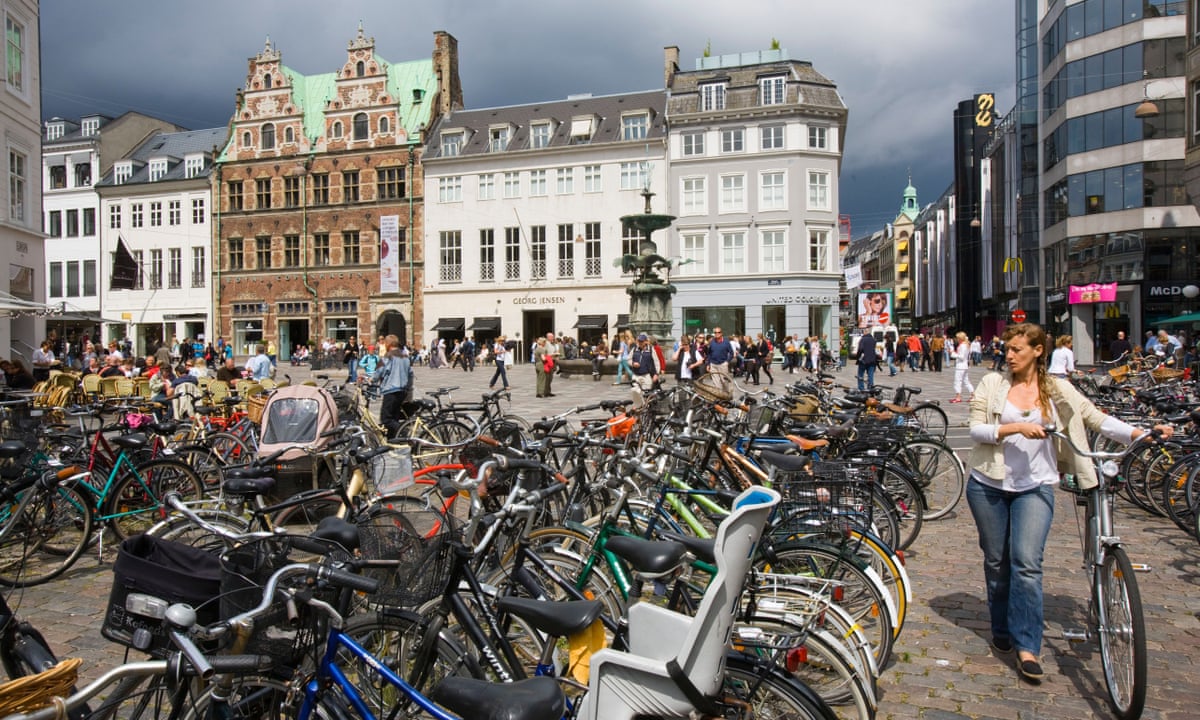
Cities like Copenhagen have long proven that dedicated infrastructure works. When separated bike lanes, secure parking, and traffic calming measures are combined, cycling becomes accessible to everyone, not just experienced riders. This accessibility drives higher adoption rates and makes the city more livable for residents and visitors alike.
The benefits extend beyond environmental impact. Bike-friendly cities often see improved public health due to increased physical activity and reduced stress from traffic. They also boost local economies as cyclists stop more frequently at neighborhood businesses compared to drivers passing through at speed.
Organizations like the League of American Bicyclists and PeopleForBikes provide frameworks to evaluate and improve city ratings. These tools help communities identify gaps in their networks and prioritize investments that make cycling a viable transportation option for all ages and abilities.
Copenhagen and Utrecht set the global standard
Utrecht and Copenhagen lead the world in bicycle-friendly infrastructure, offering blueprints for car-free urban living. These cities prove that cycling is not just a hobby but a primary mode of transport, supported by decades of intentional design.
Utrecht boasts the world’s largest bicycle parking facility, a multi-level structure beneath the central station that holds over 12,500 bikes. The city’s approach prioritizes secure, weather-protected storage and direct, flat routes that bypass traffic lights, making the bike the fastest option for most trips. This scale of infrastructure signals that cycling is a serious, everyday necessity.
Copenhagen’s Cykelbroen bridge exemplifies their commitment to separating cyclists from pedestrians and cars. This dedicated, elevated roadway allows commuters to cross the harbor without stopping, maintaining momentum and safety. The city’s "green wave" traffic signals synchronize with typical cycling speeds, reducing stops and encouraging consistent flow.
Minneapolis and Portland lead US cycling
While European capitals often grab the headlines, Minneapolis and Portland have quietly built the most functional bike networks in North America. Both cities prove that you can design for cyclists even with harsh winters or a legacy of car-centric sprawl. The difference lies in treating bike lanes as essential infrastructure, not afterthoughts.
Minneapolis has mastered the art of year-round cycling. The city’s Grand Rounds system connects parks and neighborhoods with a continuous loop of paved paths. Unlike many northern cities that abandon bikes when the snow falls, Minneapolis maintains its network with aggressive plowing schedules, allowing commuters to ride comfortably in January and February. This consistency turns cycling from a seasonal hobby into a reliable daily commute.
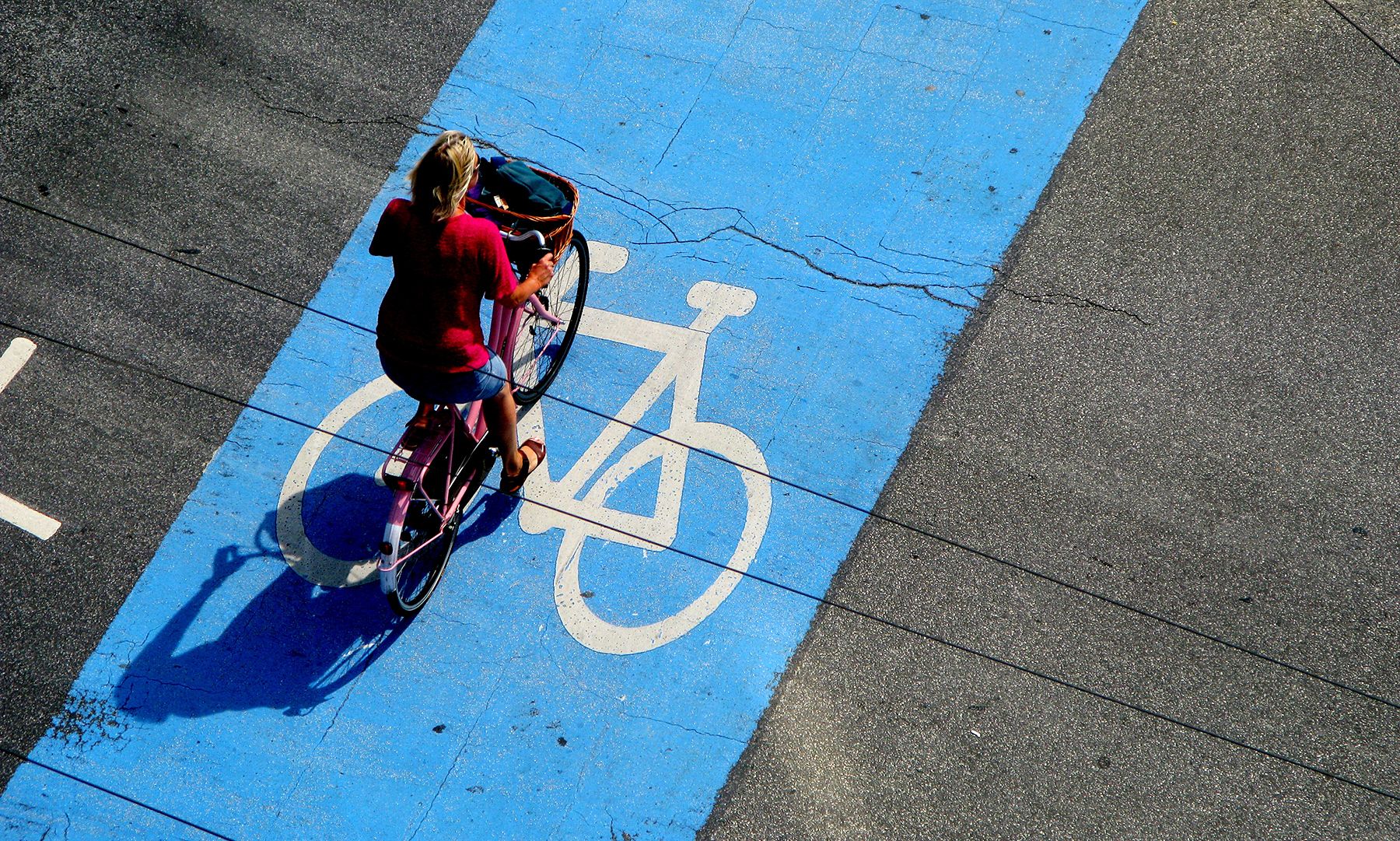
Portland takes a different approach by focusing on high-visibility connectivity. The city’s "Greenway" network prioritizes low-traffic residential streets that serve as safe arteries for cyclists. Combined with protected intersections and dedicated signal phases, these routes make it possible to move through the city without ever stepping onto a busy highway. The result is a bike-friendly ecosystem that feels as natural as driving a car.
Infrastructure Highlights
- Minneapolis: 200+ miles of paved multi-use paths and year-round snow removal on bike lanes.
- Portland: Extensive Greenway network with low-traffic residential streets and protected intersections.
- Shared Goal: Both cities integrate cycling into public transit planning, allowing easy bike-and-ride commutes.
Brooklyn and SF bring cycling to dense metros
Brooklyn and San Francisco prove that high-density, car-heavy environments can still support serious cycling infrastructure. These cities don’t just tolerate bikes; they’ve integrated them into the daily rhythm of urban life, offering practical lessons for other major metros.
In Brooklyn, the network has expanded rapidly with protected lanes connecting residential neighborhoods to commercial hubs. The borough’s ranking as a top bike-friendly city stems from this dense, interconnected web of infrastructure, making short car-free trips feasible for thousands of residents.
San Francisco takes a different approach, leveraging its topography and compact layout. Dedicated bike lanes weave through steep hills and busy corridors, supported by robust bike-share programs and traffic-calming measures. The result is a city where commuting by bike is not just a hobby, but a viable, efficient alternative to driving.
What makes a city truly bike-friendly
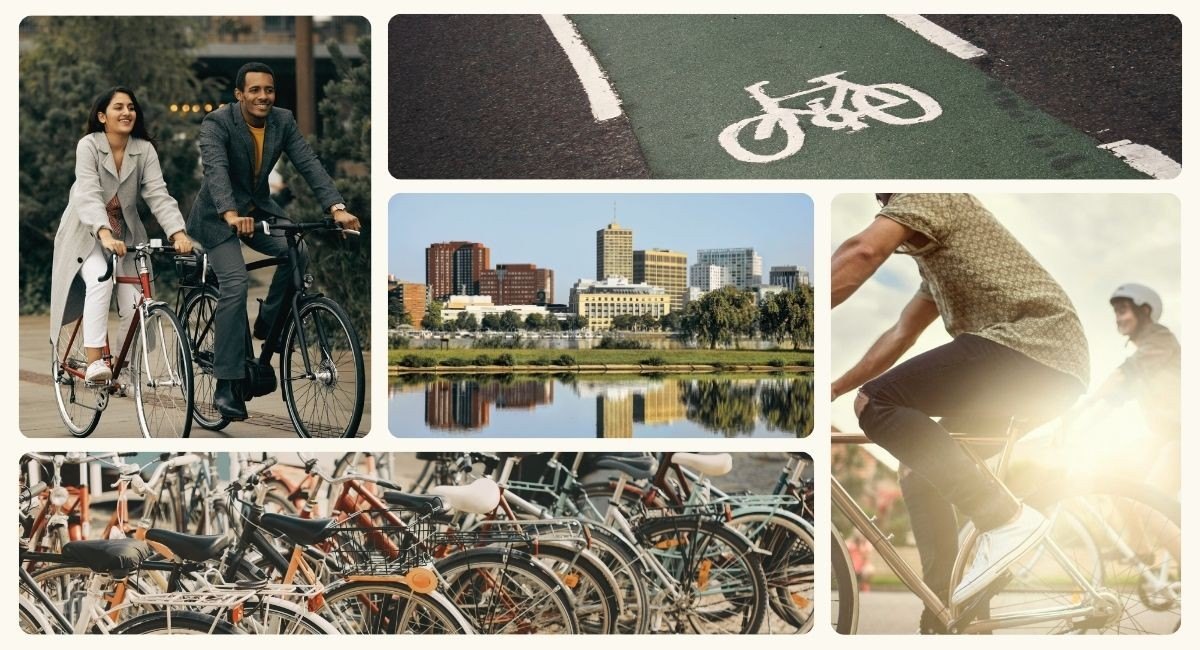
Evaluating a city for car-free living goes beyond counting bike lanes. You need to look at how the infrastructure connects, how safe the streets feel, and whether amenities support daily cycling. The best bike-friendly cities treat bicycles as essential transport, not just recreation.
| City | Infrastructure Quality | Safety Rating | Culture & Amenities |
|---|---|---|---|
| Copenhagen | Excellent (protected lanes) | High | Bike-first traffic laws |
| Amsterdam | Excellent (network density) | High | Ubiquitous parking/storage |
| Portland | Good (green lanes) | Moderate | Strong community groups |
| Berlin | Developing (mixed types) | Moderate | Growing rental market |
Look for protected lanes that separate riders from cars. Check if the network connects key destinations like work, schools, and grocery stores without forcing riders onto busy roads. Finally, consider the local culture: do drivers yield? Are there ample bike parking spots at transit hubs and shops? These factors determine if you can actually live without a car.
No comments yet. Be the first to share your thoughts!