

Why car-free beach camping works
Combining beach camping with public transit removes the logistical friction that often ruins coastal trips. Without a vehicle, you eliminate the stress of navigating narrow, sand-choked roads, paying for expensive daily parking, and dealing with the wear and tear of driving on loose gravel. This approach transforms the journey into a slower, more intentional experience, allowing you to focus on the destination rather than the drive.
The environmental impact is immediate and measurable. By skipping the rental car or personal vehicle, you significantly reduce the carbon footprint associated with your trip. Coastal ecosystems are particularly vulnerable to pollution and habitat disruption caused by increased traffic. Choosing transit-friendly camping spots helps preserve the natural beauty of these areas, ensuring they remain pristine for future visitors.
Note: Skipping rental cars for coastal trips reduces both your travel costs and environmental impact, making the adventure more sustainable and less stressful.
This mode of travel also encourages a deeper connection with the local community. Without the isolation of a car, you are more likely to interact with residents, use local businesses, and discover hidden gems that aren't accessible by road. The convenience of transit access means you can leave heavy gear at your accommodation or campsite and explore the beach and surrounding areas with ease.
The appeal lies in the simplicity. You pack light, rely on efficient public transport, and enjoy the freedom of not having to worry about vehicle maintenance or fuel costs. This method of travel is not just a logistical choice; it is a lifestyle shift that prioritizes experience over convenience, leading to more memorable and relaxing beach camping adventures.
Best car-free beach camping destinations
Finding a beach campsite that doesn't require a car is less about luck and more about knowing where the transit infrastructure meets the shoreline. These destinations remove the logistical friction of hauling gear from a parking lot, allowing you to arrive with just a backpack or a small wheeled cart. Whether you are taking a ferry, a scenic train, or a public bus, these spots offer direct access to sand and sea without the noise or footprint of a vehicle.
Mackinac Island, Michigan
Mackinac Island bans almost all motor vehicles, creating a car-free environment that extends right to its sandy beaches. You can reach the island via a short ferry ride from Mackinaw City or St. Ignace. Once there, the island's extensive network of bike paths and horse-drawn carriages makes it easy to transport camping gear to designated campgrounds like Arch Rock Campground. The absence of traffic means you can hear the waves clearly, and the island's strict preservation laws keep the beaches clean and uncrowded. For gear, a lightweight, durable tent like the REI Co-op Half Dome SL 2+ is ideal for the breezy conditions common on the Great Lakes.
Fire Island, New York
Accessing Fire Island requires a ferry from either Bay Shore or Patchogue, a ride that takes about 30 to 40 minutes. The ferry drops you directly into the heart of the island's communities, many of which are within walking distance of public beach access points. While camping on Fire Island is restricted to specific areas like the Fire Island National Seashore, the transit access is seamless. You can dock and walk to your campsite without ever touching a steering wheel. The public transit options, including the Long Island Rail Road to the ferry terminals, make this one of the most accessible car-free beach destinations in the Northeast. A compact, quick-pitch tent like the Big Agnes Tiger Wall UL2 saves space in your ferry bag and sets up quickly after a long day of travel.
Catalina Island, California
Catalina Island is reached by a 40-minute ferry ride from Long Beach or Avalon. While the island is known for its town of Avalon, the western side offers more rugged, car-free camping opportunities near Two Harbors. The Catalina Island Conservancy manages several campgrounds that are accessible via the island's free shuttle bus system from the ferry docks. This setup allows you to leave your car behind in Los Angeles and still enjoy a secluded beach campsite. The ferry itself is part of the experience, offering ocean views before you even hit the sand. For this destination, a waterproof dry bag like the Sea to Summit eVent Dry Bag is essential to protect your gear from the salt spray and occasional coastal fog.
Daufuskie Island, South Carolina
Reaching Daufuskie Island involves a short ferry ride from Hilton Head Island, followed by a ride on a golf cart or bicycle, as cars are largely prohibited. This island offers a raw, untouched beach camping experience at locations like the Daufuskie Island Campground. The transit system is informal but effective, with golf carts serving as the primary mode of transport for visitors and residents alike. You can bring your camping gear on the ferry and rent a golf cart on the island to haul it to your site. The island's remote location means you are far from the crowds, offering a true car-free retreat. A rugged, all-terrain cooler like the Yeti Tundra 45 ensures your food stays cold during the hot, humid days on this barrier island.
| Destination | Transit Method | Camping Type |
|---|---|---|
| Mackinac Island | Ferry | Designated Campgrounds |
| Fire Island | Ferry + LIRR | National Seashore Sites |
| Catalina Island | Ferry | Conservancy Campgrounds |
| Daufuskie Island | Ferry + Golf Cart | Rural Campgrounds |
Essential gear for transit-friendly camping
When you leave the car at the station, every ounce in your pack matters. You are no longer hauling a trunk full of spare tires and bulk groceries; you are carrying your entire home on your back until you reach the campsite. The right equipment for car-free camping isn't just about luxury—it is about survival, mobility, and ease of transit. You need gear that shrinks small enough to fit under a bus seat or in an overhead bin, yet expands into something sturdy enough to withstand coastal winds and sand.
The foundation of any transit-friendly trip is a lightweight tent that can survive a hike from the nearest transit stop. A freestanding, two-person shelter made from lightweight nylon or polyester is ideal. It should pack down to the size of a water bottle or slightly larger. Look for models with a pre-attached footprint or a separate, lightweight groundsheet to protect against the sharp shells and grit common on beach campsites. The goal is to find a shelter that offers headroom without adding unnecessary weight, allowing you to walk several miles with it comfortably.
Your sleeping system must handle the damp, salty air of the coast. A sleeping bag rated for temperatures slightly lower than the expected nighttime low is a safe bet, but a high-quality sleeping pad is equally critical. On a beach, the ground can be uneven or soft; a pad with good insulation and support prevents heat loss and provides a stable surface. Inflatable pads are popular for their small packed size, but they require careful handling to avoid punctures from shells or twigs. Alternatively, a compact foam pad is indestructible and light, though it takes up more space in your pack.
Water and food storage are where car-free camping often fails. Without a car, you cannot bring a cooler full of ice. You need durable, reusable water bottles that can be refilled at transit stations or public fountains. A large-capacity bladder or rigid bottles (two 1-liter bottles are easier to manage than one large jug) are best. For food, focus on dehydrated meals and non-perishable items that do not require refrigeration. A small, efficient camping stove and a single pot are usually sufficient, as you will be eating simple meals to save weight. Avoid heavy cast iron or complex cookware systems.
Finally, do not underestimate the importance of a sturdy backpack. You need a pack with a comfortable hip belt to transfer the weight from your shoulders to your hips, especially when walking on sand or gravel paths from the transit hub. A 40-50 liter pack is typically the sweet spot for a weekend car-free beach trip, offering enough volume for gear while remaining manageable for public transport. Remember to use compression sacks to keep your gear tight and compact, making it easier to navigate crowded buses or trains.


As an Amazon Associate, we may earn from qualifying purchases.
Planning your car-free beach trip
Booking a car-free beach camping trip requires a different rhythm than driving up with a full trunk. You are trading vehicle space for transit flexibility, which means every item you pack needs to earn its place in your bag. The process breaks down into three concrete actions: securing transit, locking in a campsite, and packing light enough to carry.
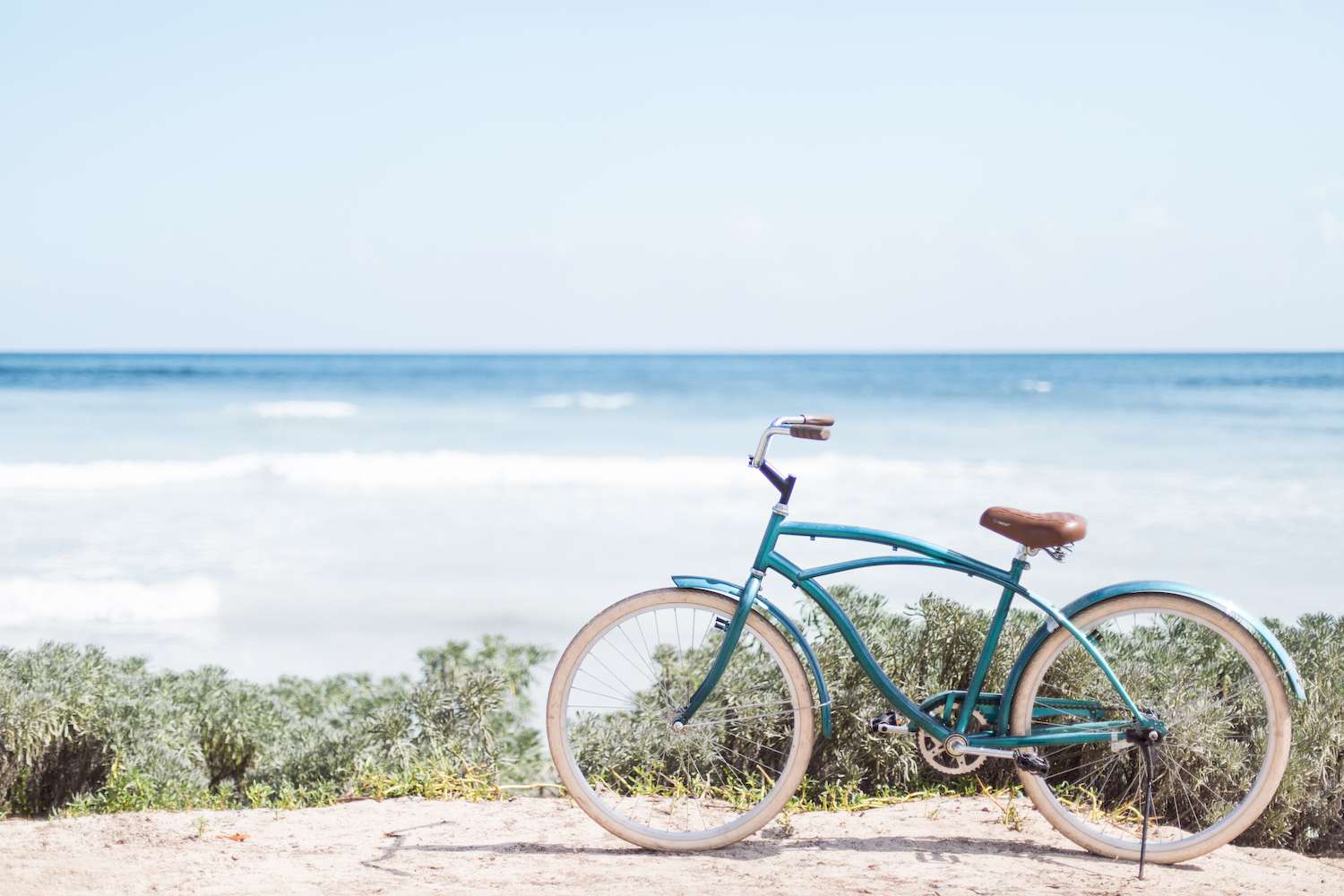
Transit schedules dictate your timeline, not the other way around. Check local bus, ferry, or train timetables before you book anything else. Many coastal routes have limited evening service, so ensure your arrival and departure times align with the last available ride. If you are traveling to a remote beach, verify if the transit stop is within walking distance of the campsite or if you need a shuttle connection.

Car-free campsites often have stricter capacity limits because they rely on foot traffic and shared facilities. Popular beach spots fill up months in advance, especially during summer. Use official park reservation systems to secure your spot. If a site is unavailable, look for nearby public lands that allow dispersed camping but still offer transit access to the shoreline.

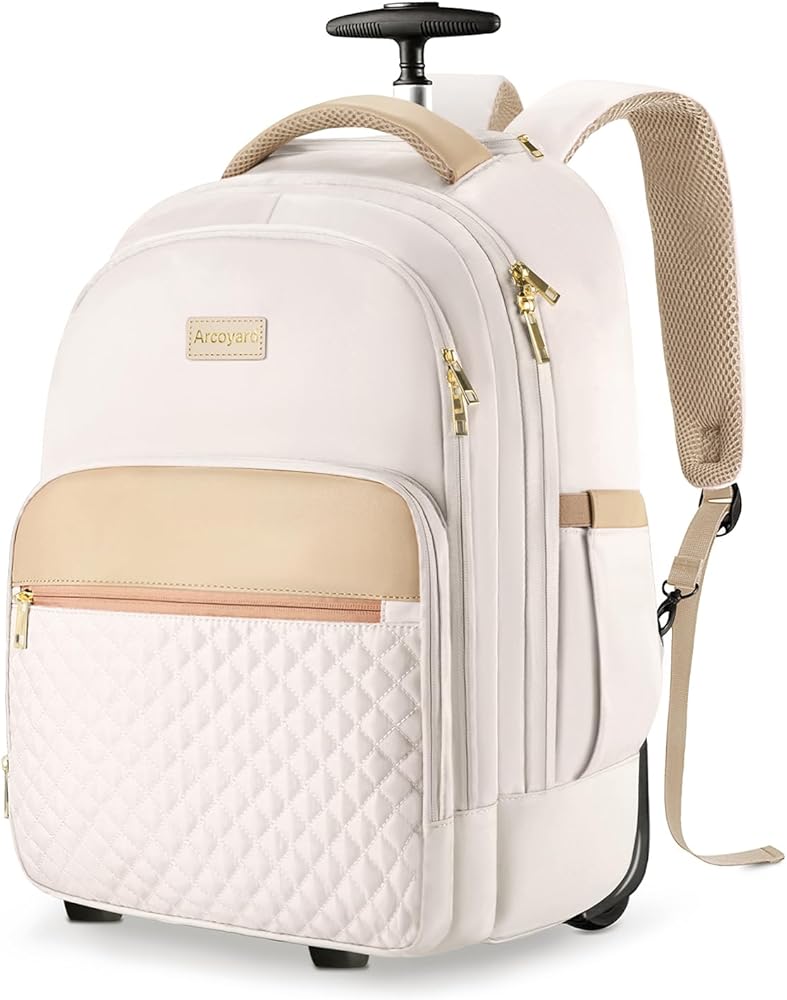
You cannot carry a heavy duffel bag over sand or up steep transit steps. A 40-50 liter rolling backpack is the standard for car-free beach camping. It allows you to glide over pavement at the station and then tip it onto its wheels to drag it through soft sand. Choose a model with a sturdy handle and smooth wheels to handle the transition from transit hub to beach.

While your backpack carries your personal items, you will need to move heavier gear like coolers, chairs, and cooking setups from the transit stop to the campsite. A collapsible utility cart is essential for this final mile. Look for one with large, balloon-style tires that won’t sink into the sand. These carts fold down small enough to fit in a transit vehicle or under a seat.

As an Amazon Associate, we may earn from qualifying purchases.
The key to a smooth car-free beach trip is minimizing what you carry. By booking transit first and using the right gear, you can enjoy the beach without the burden of a car. Focus on essentials: shelter, water, and a way to move your gear across the sand.
Frequently asked questions about car-free beach camping
Planning a beach camping trip without a car requires specific logistical knowledge. Here are answers to common questions about transit access and gear transport for car-free beach camping.
No comments yet. Be the first to share your thoughts!