

Why choose car-free beach travel
Traveling without a rental car shifts the focus from logistics to experience. When you leave the keys behind, you shed the stress of unfamiliar coastal roads, hunting for parking spots, and paying daily resort fees. Instead of being isolated inside a metal box, you move through destinations at a human pace, noticing details you would otherwise miss.
This approach also significantly lowers your carbon footprint. Public transit, ferries, and walking generate far fewer emissions than individual car rentals. By choosing train routes or island ferries, you participate in a more sustainable form of tourism that respects the delicate ecosystems of coastal regions.
Skipping the rental car reduces travel costs and environmental impact while encouraging deeper immersion in local culture.
Car-free beach vacations often lead to richer cultural immersion. Without a car, you rely on local infrastructure, which naturally draws you into community hubs, independent shops, and neighborhood restaurants. You interact more with residents and other travelers, gaining insights into the area’s authentic character rather than its tourist traps.
Many popular coastal destinations, such as Daufuskie Island in South Carolina or Tangier Island in Virginia, are inherently designed for pedestrian or boat access. These locations offer a unique sense of escape, where the absence of traffic creates a quieter, more relaxed atmosphere perfect for unwinding.
Top car-free island destinations
Islands offer the most natural car-free environments in the US, where geography dictates that visitors arrive by ferry or plane and stay on foot or bicycle. These destinations remove the need for rental cars entirely, replacing traffic with tidal rhythms and pedestrian paths. You trade highway noise for the sound of waves and the convenience of nearby amenities.
Daufuskie Island, South Carolina
Located off the coast of Hilton Head, Daufuskie Island is one of the few inhabited islands in the US with no cars allowed on the main roads. The only motorized vehicles are golf carts and maintenance vehicles, making the island exceptionally quiet and safe for walking. Visitors typically stay in cottages or resorts where everything is within a short stroll. The lack of cars preserves the island's historic Gullah culture and natural marshlands, offering a slow-paced beach vacation that feels disconnected from the mainland rush.
Catalina Island, California
Avalon, the main town on Catalina Island, bans private cars from its central district. Visitors move through the compact waterfront and downtown area entirely on foot, using the iconic pink Catalina Express ferry for transport from the mainland. The island offers a unique blend of beach access and mountain hiking, all without the hassle of parking. While cars are restricted in Avalon, golf carts and shuttle buses provide easy transit to other parts of the island for those who want to explore further.
Tangier Island, Virginia
Tangier Island sits in the middle of the Chesapeake Bay and is accessible only by boat or small plane. The island has no paved roads, only dirt paths and boardwalks, making it impossible to drive. Residents and visitors rely on walking, bicycles, and small utility vehicles for transport. The car-free nature of Tangier preserves its unique maritime dialect and oyster-harvesting traditions. It is a remote, rugged beach destination where the isolation is part of the appeal.
Comparison of island transit and access
| Island | Car Restriction Level | Primary Transit | Beach Accessibility |
|---|---|---|---|
| Daufuskie Island | No cars on main roads | Golf carts, walking | Direct access from most stays |
| Catalina Island | Cars banned in Avalon | Ferry, shuttles, walking | High, with multiple public beaches |
| Tangier Island | No roads, only paths | Walking, bikes | Moderate, requires short walks to shore |
Mainland Coastal Towns Without Rental Cars
While island destinations like Nantucket or Martha’s Vineyard are famous for being car-free, several mainland coastal towns offer similar convenience through dense walkability and reliable public transit. These locations allow you to skip the rental car counter and the daily parking fees that often eat up beach vacation budgets.
Redondo Beach, California, sits on the southern tip of the Palos Verdes Peninsula. The city is compact enough that the pier, the main beach stretch, and the downtown dining district are all within a ten-minute walk of each other. The Los Angeles Metro bus system runs frequent routes along Pacific Coast Highway, connecting the beach to nearby Torrance and Long Beach if you want to explore further. This setup works well for travelers who want the flexibility of a base camp without the hassle of heavy coastal traffic.
Pensacola, Florida, offers a different kind of accessibility. The historic downtown and the main beach areas are linked by the Pensacola Beach Shuttle, a free service that runs along the scenic route between the mainland and the barrier islands. Once you are on the island, the compact nature of the beach towns means you can easily walk from your accommodation to the sand. The area also features a growing network of bike lanes, making it easy to cover longer distances along the shoreline without a vehicle.
These mainland options provide a middle ground: the infrastructure of a city with the relaxed pace of a beach resort. You can still access grocery stores, restaurants, and attractions on foot or via short transit rides, keeping your vacation focused on the coast rather than the road.
Essential gear for car-free trips
When you leave the car behind, your luggage becomes your entire world. Every item must earn its place in your bag, balancing durability with the weight you are willing to carry on foot or through transit hubs. The goal is not to pack for every conceivable scenario, but to pack for the specific realities of walking and ferry rides.
Start with a bag that moves with you. A high-quality backpack with a hip belt distributes weight better than shoulder straps, which dig in after a few blocks. Look for water-resistant materials; beach air is salty and humid, and sudden showers are common. If you prefer rolling luggage, choose one with large, smooth wheels that can handle cobblestones and ferry ramps without getting stuck.
Clothing should follow a strict layering system. Synthetic fabrics or merino wool dry quickly and resist odors, meaning you can pack fewer changes. A lightweight, packable rain jacket is non-negotiable, as is a wide-brimmed hat for sun protection. Avoid cotton, which stays wet and heavy. For footwear, bring one pair of sturdy walking sandals and one pair of breathable sneakers. You will wear these exclusively, so break them in before you leave.
Finally, streamline your tech and toiletries. A universal power adapter and a compact power bank keep your phone charged for maps and transit tickets. Pack toiletries in reusable silicone bottles to save space and avoid spillage. Remember, you can always buy sunscreen or shampoo at your destination, but you cannot easily drop a heavy hardcover book or a full-sized hair dryer once you are on the road.


As an Amazon Associate, we may earn from qualifying purchases.
Plan your car-free beach logistics
Getting to a car-free beach is the easy part; moving through the destination without wheels requires a different kind of preparation. Unlike driving, where you can toss a week’s worth of clothes into the trunk, beach travel demands a streamlined approach to luggage and transit. You are trading the convenience of a personal vehicle for the rhythm of ferries, buses, and walking paths. Success depends on checking schedules before you pack and packing light enough to handle your own gear.
Check ferry and transit schedules first
Ferry timetables are the backbone of many car-free coastal destinations, but they rarely run on the same frequency as city buses. A missed connection can mean waiting hours or paying for an expensive taxi. Always verify the last return trip of the day before booking your accommodation. If you plan to explore beyond the immediate beachfront, check if local bus passes are available and if they cover the routes to popular spots like restaurants or hiking trails. Treat these schedules as fixed appointments, not suggestions.
Pack for walkability and weather
Your luggage should fit in a single wheeled suitcase or a sturdy backpack that you can manage alone. Beach environments mean sand, salt, and sudden rain showers. Choose quick-dry fabrics and pack a compact, packable rain jacket. Bring a reusable water bottle and a small tote bag for beach essentials so you don’t need to carry heavy items while walking between your lodging and the shore. Avoid high heels or heavy footwear; comfortable walking shoes or sandals are your best friends on a car-free trip.
Secure local transit passes
Many coastal towns offer daily or weekly transit passes that are more economical than paying per ride. These passes often include unlimited access to local buses, trams, or even bike-share programs. Research these options before you arrive. Having a pass ready means you can hop on a bus to a nearby town for dinner without worrying about cash or exact change. It also simplifies your return journey if you decide to extend your evening.
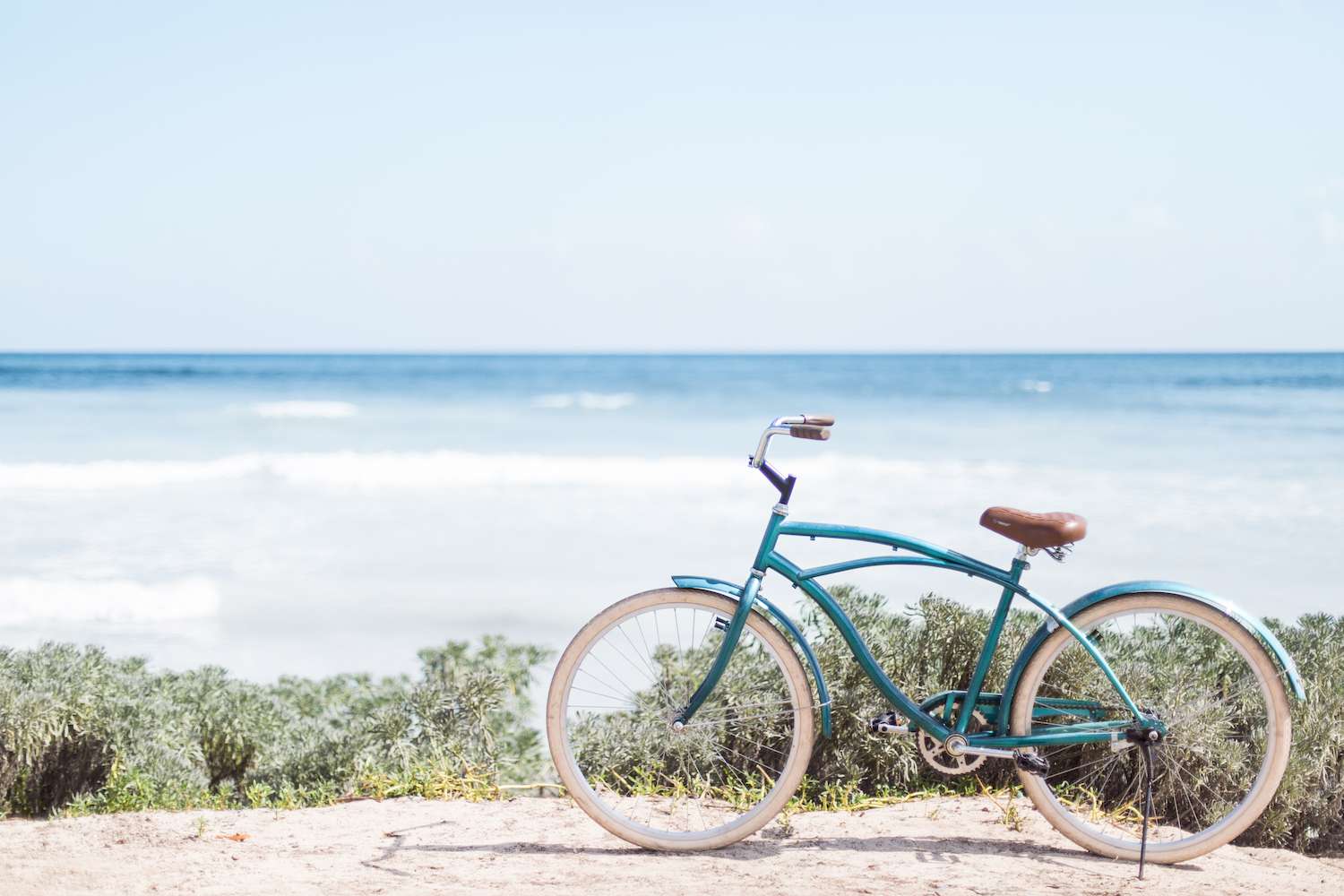
Check the official ferry operator’s website for the last departure back to the mainland. Note the time difference between summer and winter schedules, as these often shift significantly. Set an alarm on your phone for the final boarding window.
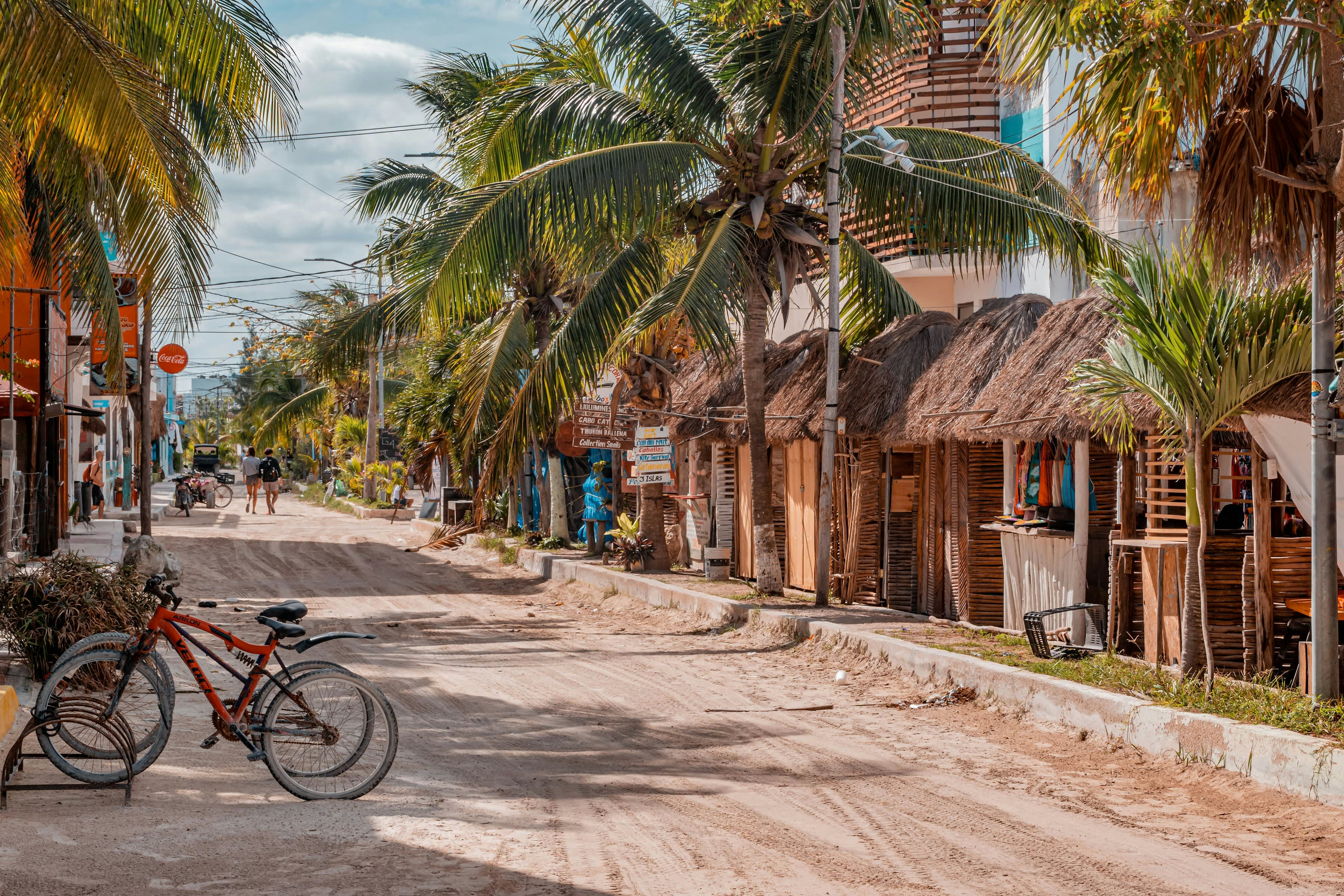
Purchase daily or weekly transit passes online or at the station upon arrival. This eliminates the need to carry small bills and ensures you can use local buses, trams, or bike-share systems without hassle.

Limit yourself to one carry-on sized bag. Pack quick-dry clothing, a compact rain jacket, and comfortable walking shoes. Include a reusable water bottle and a small tote for beach essentials to avoid carrying heavy items while walking.
No comments yet. Be the first to share your thoughts!