

Pick a walkable beach destination
Choosing the right coastal location is the foundation of a successful car-free vacation. You need a place where the beach, campsite, and essential amenities are within walking distance or a short bike ride apart. Islands and compact coastal towns often provide the best infrastructure for this, as they are designed for foot and bicycle traffic rather than cars.
When selecting your destination, prioritize towns with dense, walkable cores or barrier islands with dedicated bike paths. This reduces the friction of daily logistics, allowing you to focus on relaxation rather than transit schedules. Look for accommodations that explicitly state they are "car-free" or "vehicle-free" to ensure you won't be navigating crowded parking lots or dealing with rental car rentals.
To help you compare options, here is a breakdown of three popular car-friendly beach destinations:
| Destination | Access | Camping to Town | Bike Rentals |
|---|---|---|---|
| Daufuskie Island, SC | Ferry only | Remote sites; shuttle needed | Limited |
| Tangier Island, VA | Boat only | Walkable village | Available on-site |
| Halibut Cove, AK | Boat/Plane | Walkable village | Limited |
| Catalina Island, CA | Ferry | Avalon walkable | Widespread |
Book ferries and shuttles early
Securing non-car transport is the first and most critical hurdle in planning car-free beach vacations. Unlike standard road trips where you can book a motel on arrival, island destinations like Daufuskie Island, South Carolina, or Catalina Island, California, operate on strict capacity limits. Ferry seats and shuttle slots are finite resources that often sell out weeks or even months in advance, frequently before local campsites become fully booked.
Treat your transport booking with the same urgency as your accommodation. If you miss the last ferry or shuttle, you may be stranded or forced to pay exorbitant rates for private water taxis or last-minute rideshares that are rarely available in remote coastal areas.
Research the specific ferry terminals or shuttle providers that serve your chosen beach destination. Note that some islands, such as Tangier Island in Virginia or Dry Tortugas in Florida, have only one or two daily departures. Map these routes against your travel dates to understand frequency and potential bottlenecks.
Reserve your ferry or shuttle tickets immediately upon deciding on a destination. Many car-free beach campsites allow flexible cancellation, but transport does not. Securing your seat first guarantees you can actually reach the beach, whereas booking a campsite without transport leaves you with a non-refundable lodging fee and no way to get there.
Check weight and size restrictions for carry-on bags, coolers, and camping gear. Ferries often have limited storage space, and shuttles may not accommodate large tents or multiple coolers. Pack light and verify if extra fees apply for oversized items to avoid being turned away at the terminal.
Pack for a vehicle-free stay
Packing for a car-free beach vacation requires a different mindset than driving to a campsite. You are not just packing for the trip; you are packing for your entire mobility. Every item you bring must earn its weight, because you will be carrying it on your back, your shoulder, or in a rolling bag for potentially miles of sand, pavement, and ferry terminals.
The goal is to minimize bulk while maximizing versatility. Heavy items like coolers, large tents, and full-sized kitchen sets are immediate disqualifiers. Instead, focus on lightweight, portable gear that can survive the transition from a drop-off point to your campsite without turning your hike into an endurance test. Think of your luggage as an extension of your movement, not a burden.
Essential Gear Strategy
Start with footwear that works for both hiking and beach life. Sandals with good arch support or lightweight trail runners prevent blisters on long walks and dry quickly when you encounter tide pools. Avoid heavy boots or stiff leather shoes that add unnecessary weight and take forever to dry.
For shelter and comfort, opt for a lightweight hammock or a compact two-person tent with a footprint. If you are staying at a designated campground with provided fire pits, bring a small, foldable chair instead of a bulky one. A compact sleeping bag rated for the expected nighttime temperature is more practical than a heavy comforter.
Food storage should be minimal. A small, hard-sided cooler or insulated soft bag is sufficient for perishables, but plan to buy larger supplies once you arrive. Bring a lightweight water filtration system or collapsible water containers if clean water is not available at your site. This reduces the weight of carrying gallons of water from the start.
The Packing List
Use this checklist to ensure you have the right balance of comfort and portability:
- Lightweight backpack or duffel bag with comfortable straps
- Sandals or trail shoes (broken in)
- Compact hammock or lightweight tent
- Sleeping bag and sleeping pad
- Collapsible water bottles or filtration system
- Small, hard-sided cooler or insulated bag
- Multi-tool or compact knife
- Headlamp with extra batteries
- Biodegradable soap and quick-dry towel
- Sun protection (hat, sunglasses, sunscreen)
Final Check
Before you leave, weigh your packed bag. If it exceeds 20% of your body weight, you are carrying too much. Remove non-essentials and reconsider if you really need that extra pair of shoes or that heavy book. Your car-free vacation should feel liberating, not exhausting. Pack light, walk far, and enjoy the freedom of no wheels.
Navigate local transport and food
Getting around and finding meals without a car requires a bit more upfront planning than a standard resort stay. The goal is to minimize friction between your campsite, the beach, and grocery stops. Treat your daily routine like a well-oiled machine: every trip should serve multiple purposes to save time and energy.
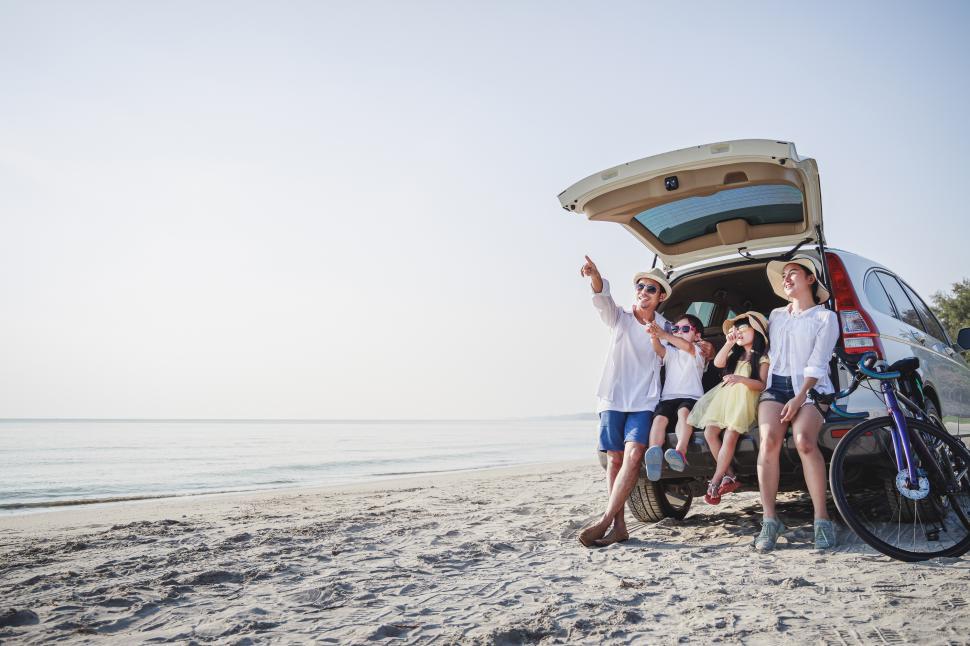
Identify the nearest grocery store, pharmacy, and popular beach access points. Plot these on a map before you arrive. Group errands so you visit the grocery store and a nearby cafe in the same trip. This reduces the number of times you need to load and unload gear, which is critical when you are carrying everything on foot or bike.
Most car-free beach towns like Hilton Head or Redondo Beach offer robust bike-share programs or free shuttle loops. Check the local transit authority’s website for shuttle schedules that connect major hotels, campsites, and commercial districts. If distances are short, a sturdy bicycle is often faster than waiting for a bus. Bring a heavy-duty bag or panniers to carry water and snacks securely.
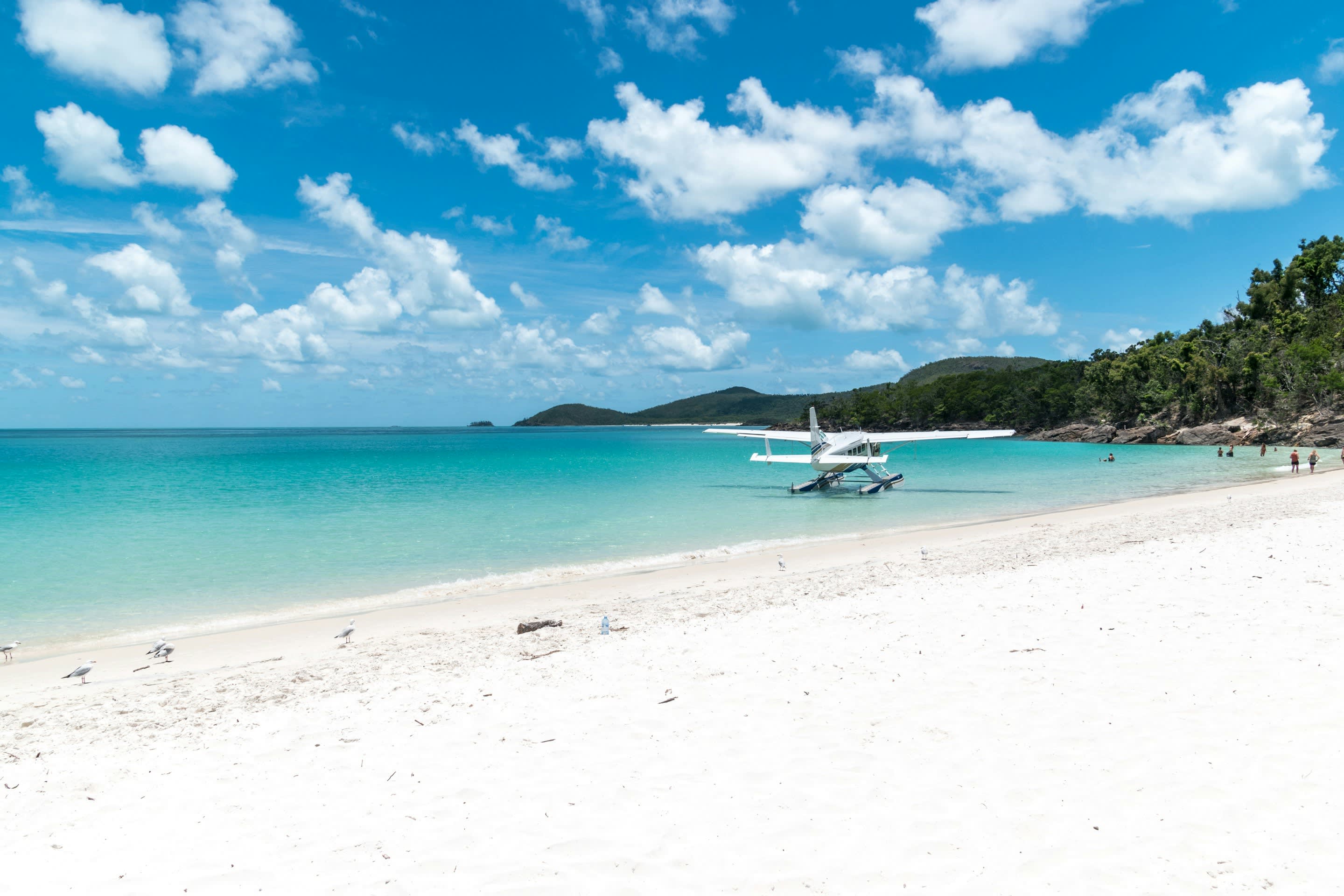
Since you cannot make a quick drive to the store for forgotten items, bring a cooler with ice packs, a reusable water filter, and basic cooking supplies. Plan at least two meals that require minimal prep so you are not dependent on restaurant hours. Having a well-stocked camp base means you can spend your energy exploring rather than worrying about daily logistics.
By treating transport and food as interconnected parts of your itinerary, you can enjoy the freedom of a car-free vacation without the stress of constant logistical hurdles. The key is to consolidate your trips and rely on the infrastructure the town already provides.
Common car-free camping mistakes
Traveling to beach destinations without a car requires precise logistics, and small miscalculations can quickly derail your trip. The most frequent error is underestimating ferry wait times. Unlike driving, ferry schedules are fixed, and lines can stretch for hours during peak season. Check the operator’s real-time queue data or plan to arrive at least 45 minutes before departure, especially if you are carrying camping gear.
Another common pitfall is overpacking. Without a vehicle, you are limited to what you can carry on public transit or walk. Prioritize lightweight, multi-purpose gear. A heavy tent or bulky cooler will make navigating crowded bus stops and long sandy paths exhausting. Stick to essentials and verify weight limits for your specific transport mode.
Finally, never assume grocery stores or supply shops are within walking distance. Beach towns often have limited commercial zones, and restocking can require a long transit ride. Plan your meals around what is available near your campsite or pack enough non-perishable food to last the entire stay. Verify store hours and distance beforehand to avoid being stranded without supplies.
No comments yet. Be the first to share your thoughts!