

How we picked bike-friendly cities
Choosing the best cities for car-free commuting requires looking beyond just the number of bike lanes. We evaluated each location based on infrastructure safety, network connectivity, and local culture. Our goal is to help you find a place where riding a bike is a practical daily choice, not just a weekend hobby.
We relied heavily on data from the League of American Bicyclists’ Bicycle Friendly America program. This framework provides a standardized way to compare cities based on engineering, education, and enforcement. We also reviewed user discussions from transit communities to gauge real-world rider experiences and safety perceptions.
Our final list highlights ten cities that balance strong infrastructure with livability. We focused on places where you can confidently navigate traffic and access amenities without a car.
10 2026’s Top 10 Bike-Friendly Cities for Urban Living: The Ultimate guide to Car-Free Commuting
We evaluated infrastructure, safety metrics, and e-bike adoption rates to rank the top 10 cities for car-free commuting in 2026. This guide cuts through the hype with concrete data on lane density, traffic calming measures, and real-world accessibility to help you choose the right urban base.
1. Copenhagen’s Cycle Superhighway Network
Copenhagen’s Cycle Superhighways are wide, direct routes connecting suburbs to the city center, designed specifically for commuters. These paved paths feature priority signaling and minimal intersections, allowing riders to maintain steady speeds without the friction of typical urban traffic. It is less about leisurely strolling and more about efficient, high-volume transit infrastructure that treats bicycles as serious vehicles.
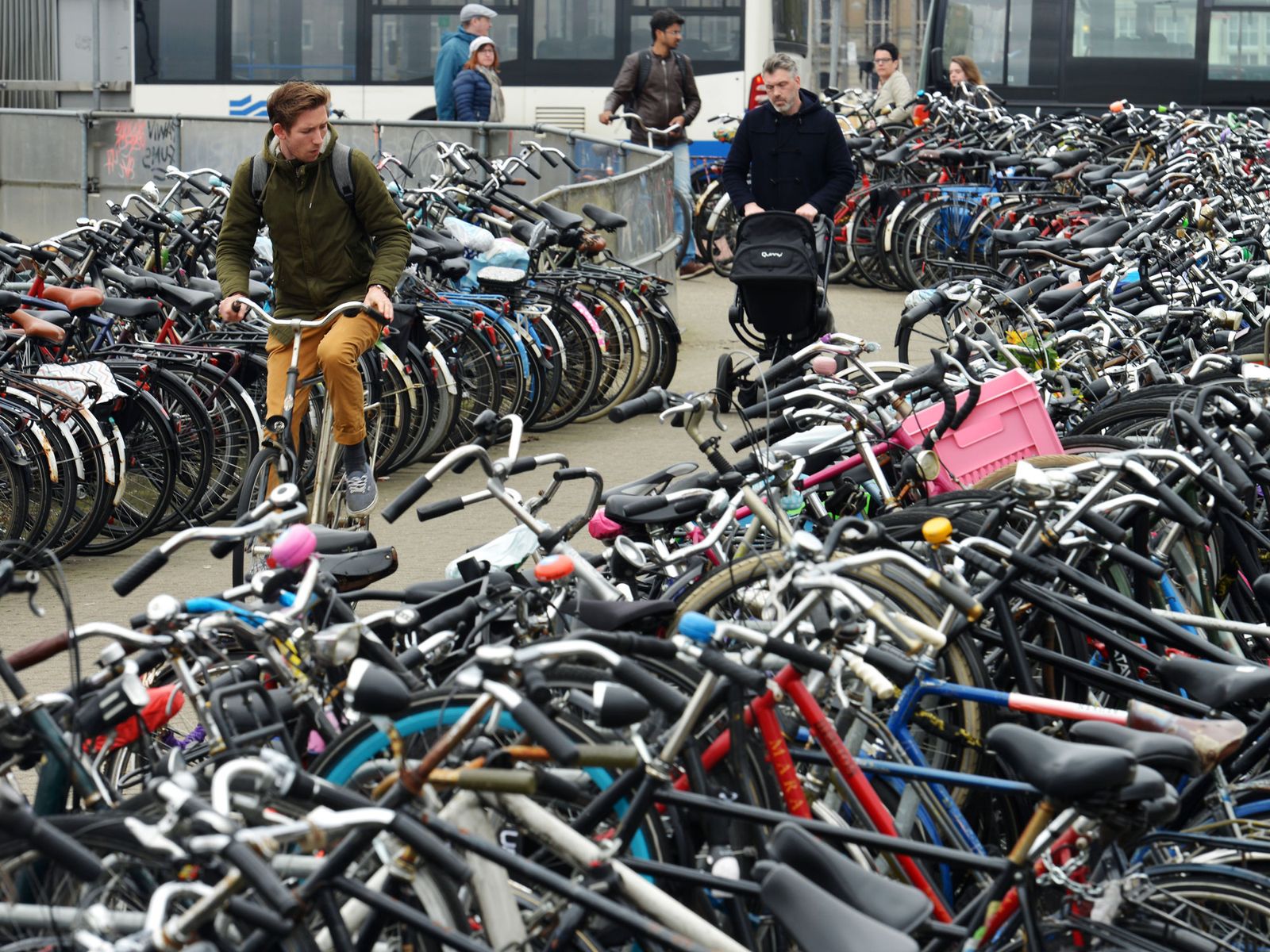
2. Amsterdam’s Bike Parking Infrastructure
Amsterdam solves the chronic bike theft problem with massive, secure parking hubs located near transit stations and commercial districts. These multi-level structures offer thousands of spots, often free or low-cost, ensuring that leaving your bike at work or school is safe and convenient. This infrastructure removes the anxiety of theft, encouraging longer stays and more frequent cycling for daily errands.

3. Seoul’s Bike Share Integration
Seoul’s Ttareungi bike-share system integrates seamlessly with its extensive subway network, providing a practical solution for the "last mile" commute. With thousands of stations distributed throughout the city, riders can easily pick up a bike near a subway exit and drop it off at their final destination. This hybrid approach reduces reliance on private vehicles while maximizing the reach of public transit.

4. Berlin’s Dedicated Lane Expansion
Berlin has aggressively expanded its network of physically separated bike lanes, particularly along major arteries like the A100 and urban boulevards. These dedicated paths are marked by distinct paving and barriers, separating cyclists from both motor vehicle traffic and pedestrians. This separation creates a safer, more predictable environment for riders navigating the city’s dense and often chaotic traffic patterns.
5. Portland’s Protected Intersection Design
Portland pioneered the protected intersection, a design that sharpens the corner to slow cars and extends the crosswalk to increase visibility. This geometry creates a dedicated waiting area for cyclists, separating them from turning vehicles and reducing conflict points. The result is a safer, more intuitive crossing experience that encourages both new and experienced riders to navigate busy intersections with confidence.

6. Vancouver’s Sea-to-Sky Bike Path
Vancouver’s Seawall offers a paved, car-free corridor hugging the Pacific coastline, ideal for scenic commutes or weekend rides. The path connects downtown to Stanley Park, providing dedicated lanes that separate cyclists from vehicular traffic. Riders enjoy ocean views while navigating gentle gradients, making it accessible for mixed-ability groups seeking a safe, picturesque urban route.

7. Tokyo’s Station-Based Bike Facilities
Tokko integrates cycling with its massive rail network through secure, automated bike parking stations located directly at major transit hubs. These facilities offer climate-controlled storage and easy access, solving the "last mile" problem in dense urban environments. Commuters can lock their bikes securely and transfer seamlessly to trains, reducing reliance on private cars in the capital’s busy districts.

8. Budapest’s Danube Promenade Routes
Budapest utilizes the flat, paved embankments along the Danube River to create extensive cycling corridors that bypass heavy city traffic. These routes connect historic districts with modern neighborhoods, offering both utility and leisure options. Cyclists benefit from well-maintained surfaces and clear signage, turning a major geographical barrier into a primary transportation artery for daily commuters and tourists alike.

9. Montreal’s Underground Bike Network
Montreal’s RESO network provides a 32-kilometer underground pedestrian and cycling path system, allowing year-round commuting despite harsh winter conditions. This infrastructure connects metro stations, universities, and commercial centers, ensuring safe travel when surface temperatures drop below freezing. Cyclists navigate through well-lit tunnels, avoiding ice and snow accumulation on city streets while maintaining efficient transit times.

10. Utrecht’s Bicycle Elevator Access
Utrecht’s CS station features a multi-level bicycle parking garage equipped with elevators and ramps, accommodating thousands of bikes daily. This vertical infrastructure maximizes limited urban space while ensuring easy access for riders with heavy cargo bikes or mobility challenges. The seamless integration of vertical transport with ground-level cycling paths sets a global standard for high-density bike infrastructure.

Pick the right fit
Choosing a bike-friendly city isn’t just about picking the one with the most lanes. It’s about matching your daily routine to the local infrastructure. The League of American Bicyclists rates cities on a framework that looks at engineering, encouragement, education, enforcement, and evaluation. Use this framework as a filter to see which city actually supports your specific commute style.
1. Check the lane continuity
Discontinuous lanes are worse than no lanes. A protected lane that ends abruptly at an intersection forces you into traffic. Look for cities with connected networks, not just isolated paths. Copenhagen leads here with its "green waves" and continuous bike superhighways that prioritize cyclists at every junction.
2. Evaluate the terrain
Flat cities like Amsterdam and Copenhagen make cycling accessible to everyone, including those with cargo bikes or limited fitness. Hilly cities like San Francisco and Portland are still bikeable, but you may need an e-bike to handle the inclines comfortably. Check the elevation profile of your potential commute route before committing.
3. Assess the weather resilience
Rain and snow can shut down cycling culture. Cities like Utrecht have extensive covered bike parking and heated pathways in winter. In contrast, cities with harsh winters may require a seasonal pause in cycling. Consider whether the city invests in year-round maintenance or if cycling is primarily a summer activity.
4. Review safety statistics
Look for low per-capita cyclist injury rates. Copenhagen and Amsterdam have invested heavily in separated infrastructure, which drastically reduces conflict with cars. In the US, cities like San Francisco and Seattle are improving safety, but the mix of traffic volumes and infrastructure quality varies significantly by neighborhood.


As an Amazon Associate, we may earn from qualifying purchases.
5. Consider the cost of living
Bike-friendly cities often have higher housing costs. Copenhagen and Amsterdam have robust public transport alternatives, which can reduce the need for a car entirely. In US cities like San Francisco, the high cost of living is compounded by the need for high-quality gear to handle the terrain and traffic. Factor in the total cost of ownership.
6. Look for local culture
A city’s attitude towards cyclists matters. In the Netherlands, cycling is a normalized mode of transport for all ages. In the US, culture is shifting, with cities like Portland and Seattle embracing cycling as a lifestyle. Look for communities that advocate for cyclist rights and maintain their infrastructure proactively.
2026’s 10 bike-friendly cities for urban living: the ultimate to car-free commuting: what to check next
Navigating urban cycling requires more than just a sturdy frame; it demands an understanding of local infrastructure and community standards. Below are the most common questions regarding bike-friendly cities and car-free commuting.
No comments yet. Be the first to share your thoughts!