


12 Practical Setups for 2026
Depending on your distance from the store and weekly volume, your gear needs will vary. These setups pair specific bags, carts, and bike attachments to solve for weight distribution and weather protection.
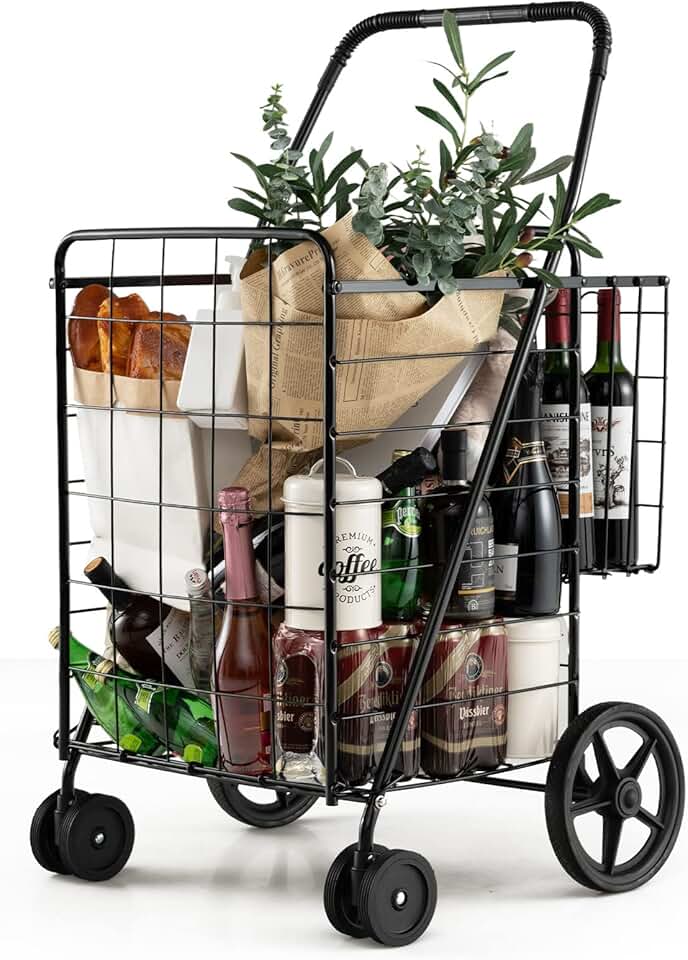
1. Heavy-duty foldable shopping cart
For those walking several blocks, a collapsible cart with large, rubberized wheels prevents wrist strain and shoulder fatigue. Look for models with a reinforced steel frame and a removable fabric liner, which makes cleaning spills from leaked produce or broken eggs much simpler.

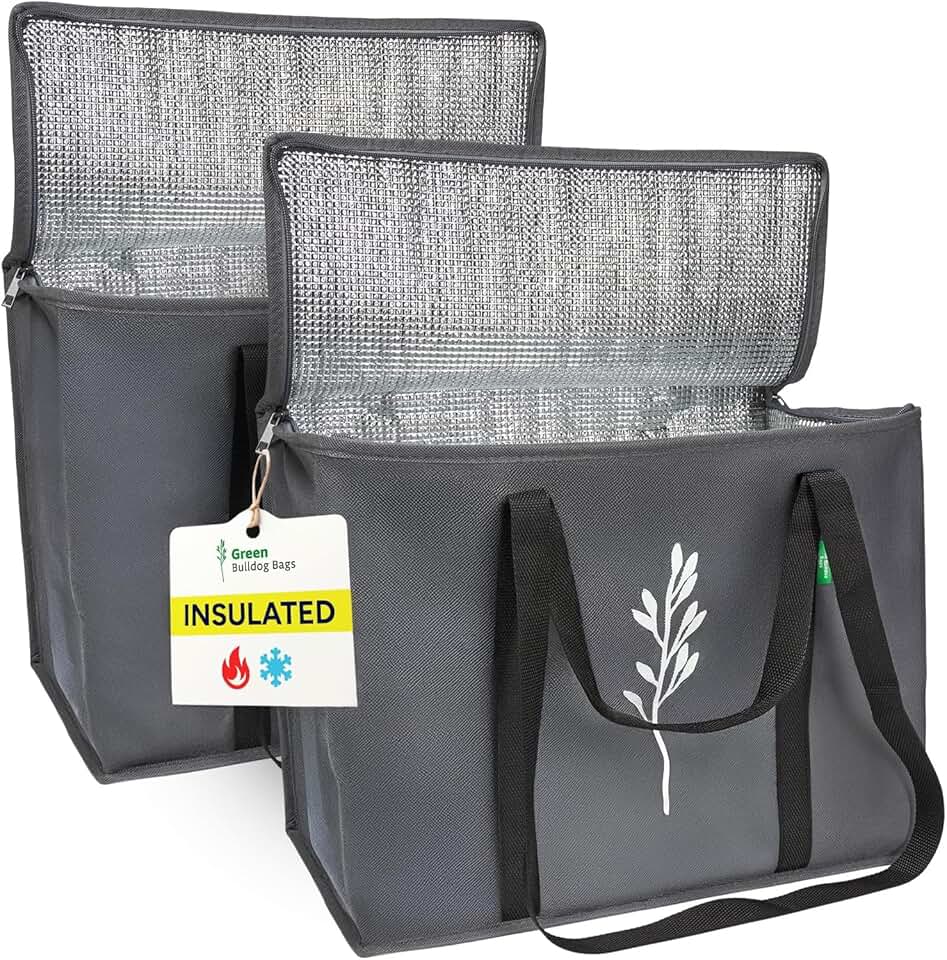
2. Insulated grocery tote bags
Maintaining the cold chain is critical when you aren't heading straight to a fridge. High-density thermal linings keep frozen goods solid and dairy chilled for up to four hours, effectively turning your bags into portable coolers during the commute home.

3. Front-loading bicycle panniers
Bicycle panniers shift the weight from your back to the bike frame, eliminating the sweat and instability of a backpack. Front-loading options allow you to keep an eye on fragile items like eggs or bread while maintaining a balanced center of gravity.

4. Store-to-door delivery apps
When shopping for heavy staples like gallons of water or bulk pet food, delivery services remove the physical barrier of transport. Scheduling a specific window ensures you are home to move perishables into the fridge immediately upon arrival.
5. Ergonomic shoulder-strap bags
Standard plastic or thin fabric bags dig into the skin under heavy loads. Cross-body bags with wide, padded straps distribute weight across the torso, allowing you to carry more items per trip without sacrificing your posture.

6. Infant seat for cart navigation
Shopping for a full week of groceries is difficult when managing a baby. A portable seat that clips onto standard store carts allows you to keep your child secure and visible while leaving the main basket free for heavy produce and bulk items, eliminating the need for a bulky stroller.

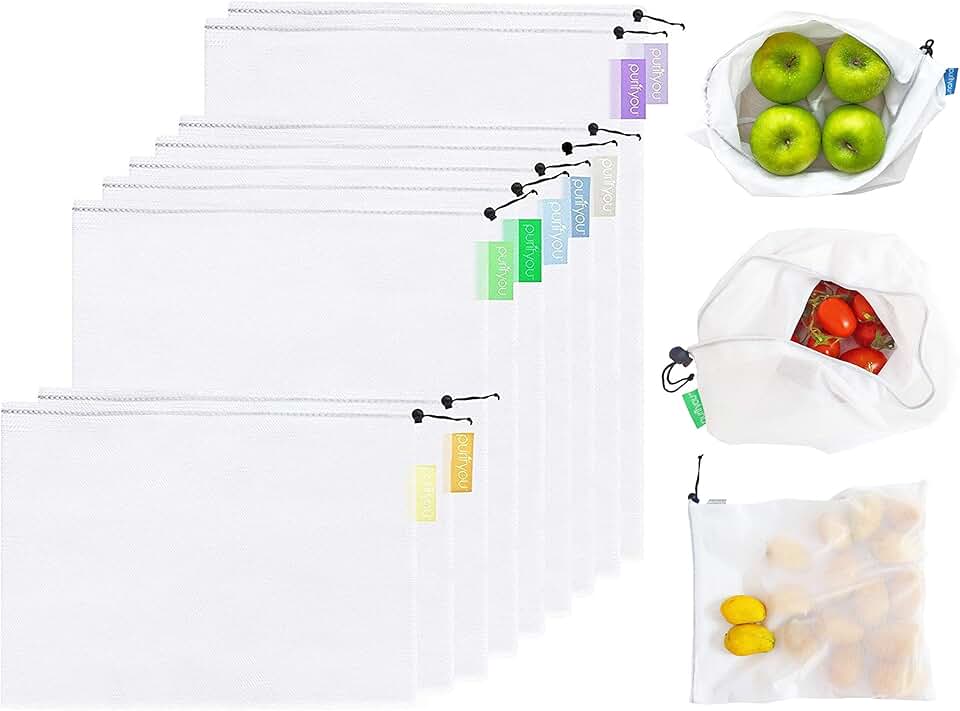
7. Reusable produce mesh bags
Plastic bags are prone to tearing under the weight of root vegetables and are unstable during walks home. Switching to washable mesh bags allows you to organize produce by weight and type, ensuring that heavy potatoes don't crush delicate greens during your commute.
8. Heavy-duty bike panniers
Balancing heavy bags on handlebars is a recipe for a crash. Waterproof panniers clip directly to a rear rack, shifting the center of gravity lower and allowing you to carry 20+ pounds of groceries without compromising your steering or balance.

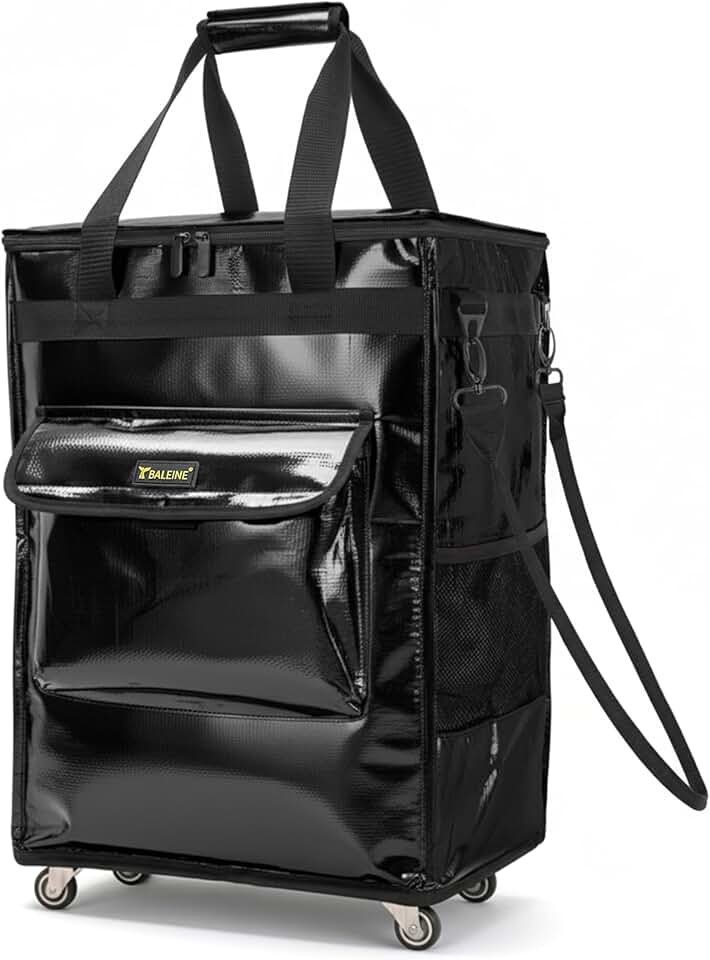
9. Rolling grocery tote
For those living in walkable urban areas, a rolling tote acts as a personal cargo vehicle. These bags use oversized wheels to handle uneven sidewalks and curbs, preventing the shoulder strain associated with carrying heavy bags of canned goods or liquids.
10. Insulated thermal liners
Maintaining the cold chain is the biggest risk for car-free shoppers. High-density thermal liners keep frozen meats and dairy at safe temperatures for up to four hours, providing a critical buffer between the checkout counter and your home refrigerator.

11. Insulated cold bags
Preventing frozen goods from melting during a long walk or bus ride is critical for food safety. High-density thermal liners keep proteins and dairy chilled for several hours, acting like a portable refrigerator. Pair these with reusable ice packs to ensure your perishables remain stable regardless of the outdoor temperature.

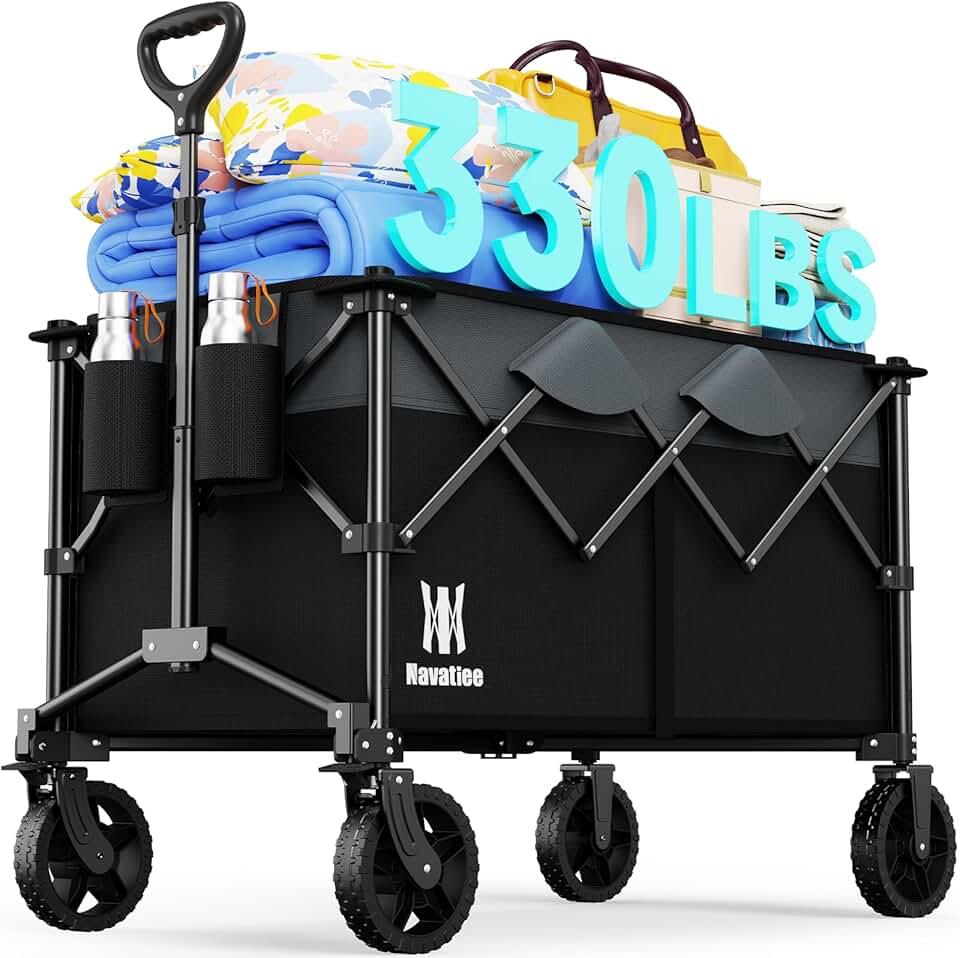
12. Heavy-duty folding wagons
For those who shop in bulk or live in apartments with elevators, a collapsible wagon eliminates multiple trips. These carts handle significantly more weight than standard bags and offer a stable base for fragile items like eggs or glass jars, making the trek from the store to your front door effortless.
What to know first
Grocery shopping without a car is less about the distance and more about the gear you use to bridge the gap. Whether you are navigating a dense city or a walkable suburb, the goal is to minimize the number of trips and maximize the weight you can comfortably carry without straining your back.
We selected these setups based on three concrete factors: load capacity, weather resistance, and ease of transport. A setup that works for a five-minute walk to a corner store fails during a monthly haul from a supermarket. We focused on tools that solve specific friction points, such as bagging fragile produce or hauling heavy liquids like milk and detergent.
How to choose
Picking the right setup depends on your physical stamina and the weight of your typical haul. A single person buying greens and bread has a different set of needs than a family managing bulk pantry staples or heavy liquids.

As an Amazon Associate, we may earn from qualifying purchases.
| Method | Physical Effort | Typical Cost |
|---|---|---|
| Walking/Trolley | Medium | Low (one-time gear cost) |
| Biking | High | Low |
| Delivery | Low | Medium (fees/tips) |
Common questions
Transitioning to a car-free routine requires a shift in how you plan your trips and manage your inventory. Most challenges come down to weight distribution and timing rather than a lack of options.
No comments yet. Be the first to share your thoughts!